Report 1—Implementing the United Nations’ Sustainable Development Goals
At a Glance
Why we did this audit
- The 2030 Agenda is a global commitment to a better future for all. Canada, along with other countries, agreed to implement the 2030 Agenda by adopting policies and implementing actions domestically in the pursuit of the United Nations’ Sustainable Development Goals, which commit to leaving no one behind.
- Implementing the 2030 Agenda and achieving the goals require participation from all parts of Canadian society. Consultations and public awareness activities are important for engaging people to work toward a sustainable future.
- It is essential for federal departments and agencies to work together with external advisors, other jurisdictions, and stakeholders in order to achieve the goals and reach Canada’s most vulnerable populations first.
Our findings
- Since our 2018 report, departments and agencies had taken some steps toward a national approach for implementing the United Nations’ 2030 Agenda for Sustainable Development and achieving the Sustainable Development Goals.
- The government had not established an implementation plan that would clearly define how all federal departments and agencies would support the national implementation of the 2030 Agenda.
- Federal departments and agencies did not have the tools they needed to coordinate their work on the Sustainable Development Goals.
- There were gaps in assessing and reporting on national progress toward the Sustainable Development Goals.
Key facts and figures
- The 2030 Agenda established 17 Sustainable Development Goals and 169 targets, along with over 230 indicators to measure global progress.
- All federal departments and agencies are accountable for implementing the 2030 Agenda and the Sustainable Development Goals that relate to their individual mandates.
- Of the 17 global goals, 11 had targets in the Canadian Indicator Framework, whereas 6 had only broad ambitions that were not specific, measurable, or time-bound.
Highlights of our recommendations
- Employment and Social Development Canada, in collaboration with other responsible federal departments and agencies, should establish and communicate an implementation plan that would:
- Clearly articulate measurable targets as part of the Canadian Indicator Framework,
- Clarify the roles and responsibilities of federal departments and agencies to support coordinated implementation across the federal government,
- Support effective cooperation with other levels of government and other stakeholders, and
- Clearly define the reporting process for Canada’s progress on the United Nations’ 2030 Agenda for Sustainable Development and the Sustainable Development Goals to ensure transparency to Canadians.
- Statistics Canada should coordinate with responsible federal departments and agencies and other stakeholders to determine priorities for additional disaggregation of data about vulnerable groups and should make that disaggregated data publicly available while meeting data quality and confidentiality requirements.
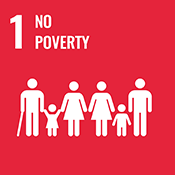
In this audit, we included an examination of the actions in support of the goals of no poverty (Goal 1), gender equality (Goal 5), and decent work and economic growth (Goal 8), and selected associated targets.
Goal 1—No Poverty aims to end poverty in all its forms everywhere. Goal 5—Gender Equality aims to achieve gender equality and empower all women and girls. Goal 8—Decent work and economic growth aims to promote sustained, inclusive and sustainable economic growth, full and productive employment and decent work for all.
Infographic
Text version
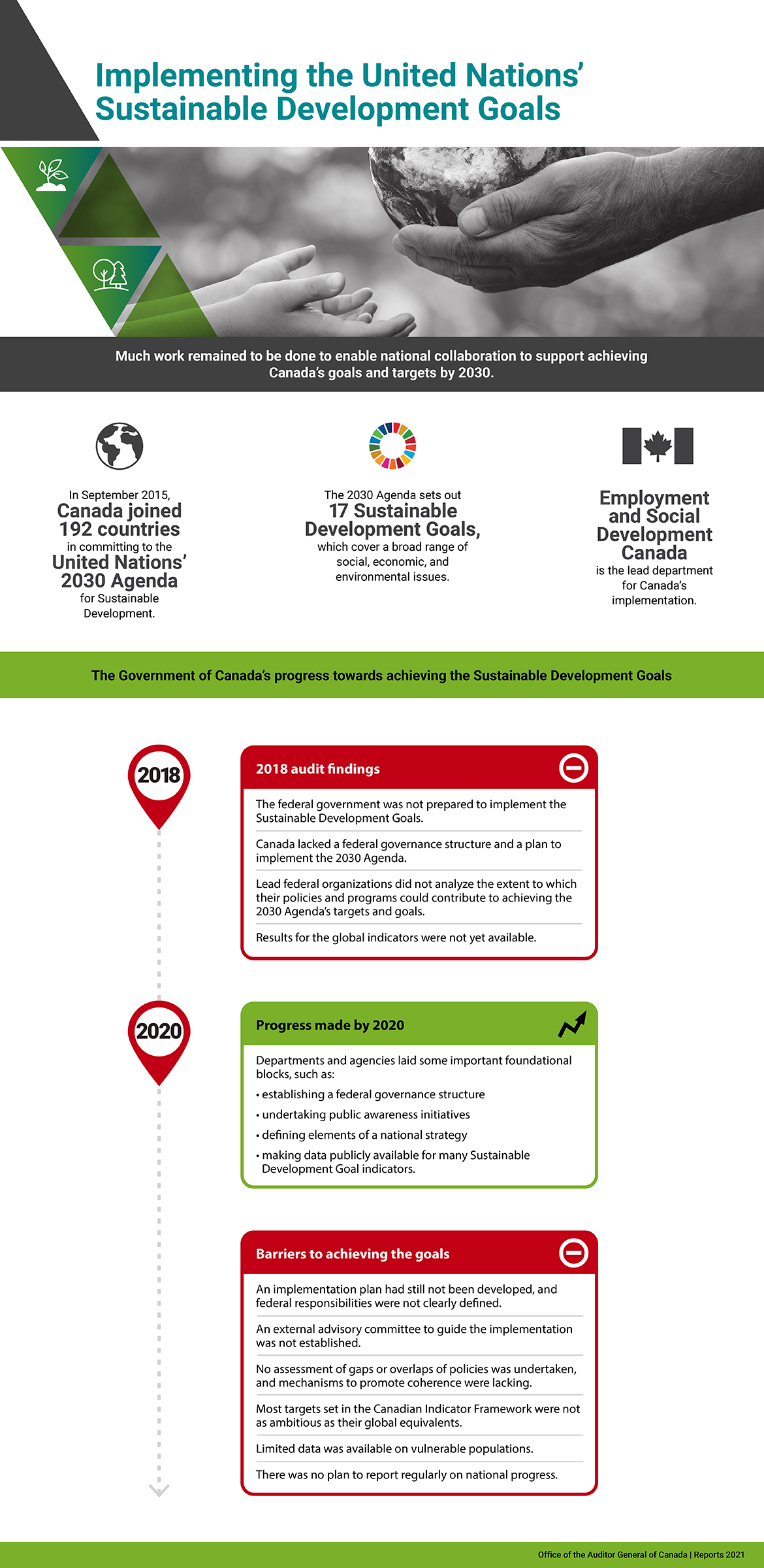
This infographic presents findings from the audit on implementing the United Nations’ Sustainable Development Goals.
The audit found that much work remained to be done to enable national collaboration to support achieving Canada’s goals and targets by 2030.
Canada’s commitment to the United Nations’ 2030 Agenda for Sustainable Development
- In September 2015, Canada joined 192 countries in committing to the United Nations’ 2030 Agenda for Sustainable Development.
- The 2030 Agenda sets out 17 Sustainable Development Goals, which cover a broad range of social, economic, and environmental issues.
- Employment and Social Development Canada is the lead department for Canada’s implementation.
2018 audit findings on the Government of Canada’s progress towards achieving the Sustainable Development Goals
- The federal government was not prepared to implement the Sustainable Development Goals.
- Canada lacked a federal governance structure and a plan to implement the 2030 Agenda.
- Lead federal organizations did not analyze the extent to which their policies and programs could contribute to achieving the 2030 Agenda’s targets and goals.
- Results for the global indicators were not yet available.
Progress made by 2020 towards achieving the goals
Departments and agencies laid some important foundational blocks, such as
- establishing a federal governance structure
- undertaking public awareness initiatives
- defining elements of a national strategy
- making data publicly available for many Sustainable Development Goal indicators
Barriers to achieving the goals
- An implementation plan had still not been developed, and federal responsibilities were not clearly defined.
- An external advisory committee to guide the implementation was not established.
- No assessment of gaps or overlaps of policies was undertaken, and mechanisms to promote coherence were lacking.
- Most targets set in the Canadian Indicator Framework were not as ambitious as their global equivalents.
- Limited data was available on vulnerable populations.
- There was no plan to report regularly on national progress.
Related information
| Entities |
|
|---|---|
| Completion date | 5 February 2021 |
| Tabling date | 22 April 2021 |
OAG reports published in the past are available through Publications.gc.ca.