

National Day for Truth and Reconciliation
Content warning!
-
Mental health supports available
The residential school system is a topic that can cause trauma from memories of past abuse. Messages around the National Day for Truth and Reconciliation can be an unwelcome reminder to those who suffered hardships through generations of government policies that were harmful to Indigenous Peoples. A 24-hour support line (1-866-925-4419) provides crisis referral services to survivors and their families and explains how to access further health support from the Government of Canada. The Hope for Wellness Helpline provides immediate, culturally safe, crisis intervention support for First Nations, Inuit and Métis, 24 hours a day, seven days a week through its hotline, 1-855-242-3310, or its online chat at hopeforwellness.ca. The service is available in English, French and, upon request, in Cree, Ojibway and Inuktitut.
September 30th marks National Day for Truth and Reconciliation and Orange Shirt Day – Every Child Matters
Orange Shirt Day – Every Child Matters began in Williams Lake, British Columbia, on September 30, 2013. Established to honour Residential School Survivors, their families, and those who never returned home, it serves as a powerful reminder of the lasting impacts of the Residential School system. What began as a grassroots initiative has since evolved into a nationally recognized movement, with individuals, organizations, and communities across Canada participating in acts of remembrance, reflection, and reconciliation each year.
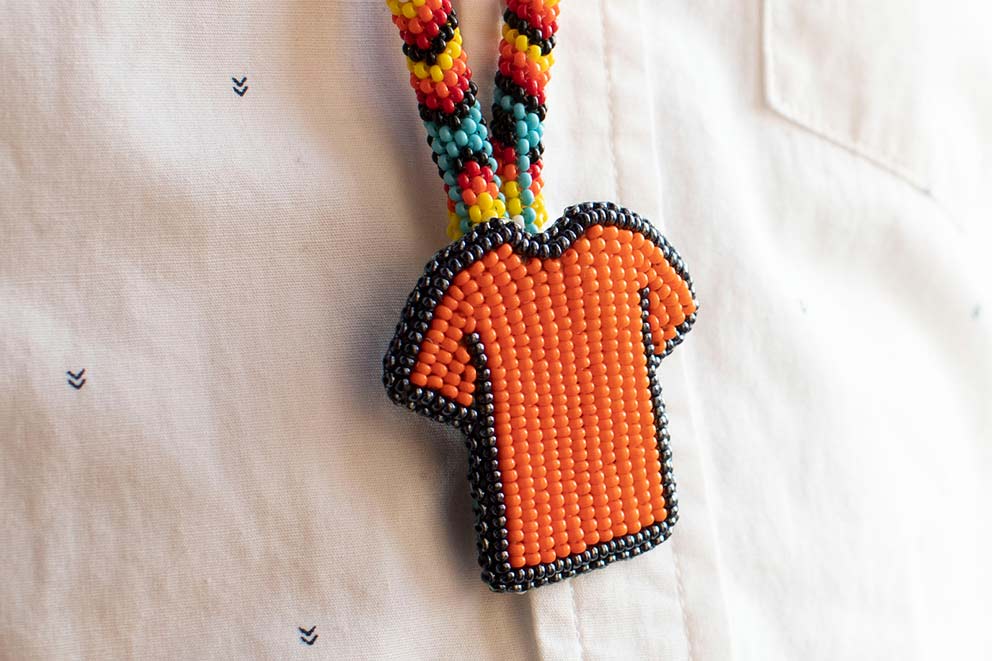
The orange shirt symbolizes the loss of culture, freedom, and self-esteem that many Indigenous children experienced. This day reminds us that “Every Child Matters”.
Public commemoration of this tragic chapter in Canada’s history, and its lasting effects, plays an essential role in advancing truth and reconciliation.
The National Day for Truth and Reconciliation was established in response to Call to Action 80 of the Truth and Reconciliation Commission, which called on the federal government, in collaboration with Indigenous Peoples, to create a statutory holiday recognizing Survivors, their families, and communities while ensuring the history and legacy of residential schools are publicly remembered. Bill C-5, which established the National Day for Truth and Reconciliation as a federal statutory holiday, received Royal Assent on June 3, 2021.
The National Day for Truth and Reconciliation and Orange Shirt Day are both observed annually on September 30th, and they are dedicated to honouring Residential School Survivors, their families, and communities, and to recognize the lasting impacts of Canada’s Residential School system. These commemorations provide an opportunity to deepen Canada’s understanding of the intergenerational effects of residential schools and to reflect on their enduring legacy as part of the ongoing journey toward truth, healing, and reconciliation.
On September 30, Canadians are encouraged to wear orange in honour of Residential School Survivors and their families, and in remembrance of the children who never returned home.
Download our resources and share how you will mark this day by using the hashtags #NDTR and #OrangeShirtDay on social media.
Commemorating the National Day for Truth and Reconciliation and Orange Shirt Day: Every Child Matters
Across the country, you can find open to public local activities and gatherings organized to commemorate the history and legacy of residential schools.
To find a commemorative activity near you, consult the list of events funded by Canadian Heritage or follow the hashtags #NDTR and #OrangeShirtDay on social media.
Illuminating Parliament Hill
To commemorate the National Day for Truth and Reconciliation and Orange Shirt Day – Every Child Matters and to honour the Survivors, their families, and communities, the Peace Tower and the Senate Building will be illuminated in orange throughout the evening of September 30.
National Commemorative Gathering: Remembering The Children – National Day for Truth and Reconciliation
APTN and the National Centre for Truth and Reconciliation invite Canadians to take part in the National Commemorative Gathering: Remembering the Children – National Day for Truth and Reconciliation. This 90-minute commemorative event highlights survivors as well as Indigenous artists. The event will be broadcast live from Parliament Hill, starting at 12 p.m. (ET) on the APTN channel and on several major television and radio networks.
Truth and Reconciliation Week
The National Centre for Truth and Reconciliation offers a free virtual educational program from September 21-25, 2026, to all schools across Canada. This is a transformative journey for students, educators, and the broader community to engage with the history and enduring spirit of First Nations, Inuit, and Métis Peoples. Programming is available in English, French and ASL. Registration is required.
Funding for community activities and gatherings
Funding is offered to communities and organizations for activities and gatherings for the National Day for Truth and Reconciliation. Canadian Heritage has funded 298 events and gatherings across the country in 2026.
For more information on funding opportunities, visit the program web page.
Truth and Reconciliation Commission and its calls to action
There were 140 federally run residential schools in Canada that operated between 1867 and 1996. Survivors advocated for recognition and reparations and demanded accountability for the intergenerational impacts of harm caused. Their efforts culminated in:
- the Indian Residential Schools Settlement Agreement
- apologies by the government
- the establishment of the Truth and Reconciliation Commission
- the creation of the National Centre for Truth and Reconciliation
The Truth and Reconciliation Commission ran from 2008 to 2015 and provided those directly or indirectly affected by the legacy of the residential schools policy with an opportunity to share their stories and experiences. The Commission released its final report detailing 94 calls to action. The National Day for Truth and Reconciliation is a direct response to Call to Action 80, which called for a federal statutory day of commemoration.
The National Centre for Truth and Reconciliation has become the permanent archive for the statements, documents and other materials the Commission gathered. Its library and collections, as well as its National Student Memorial Register, are the foundation for ongoing learning and research.
To learn more
This National Day for Truth and Reconciliation, explore the rich and diverse cultures, voices, experiences and stories of the First Nations, Inuit, and Métis peoples. Start your learning journey today.
Indigenous peoples and cultures
Learn about the unique history, languages, cultural practices, and spiritual beliefs of Indigenous peoples in Canada.
Indigenous languages
Learn more about the tools and programs in place to help support the reclamation, revitalization, maintaining and strengthening of Indigenous languages in Canada.
Indigenous history in Canada
Learn more about the contributions of Indigenous peoples from the Royal Proclamation of 1763 through the world wars to today.
Reconciliation
Learn how the Government of Canada is working to advance reconciliation and renew a nation-to-nation relationship with Indigenous peoples, based on recognition of rights, respect, cooperation and partnership.
Funding - Culture, history and sport
Get information about financial support to host community-based commemoration activities for the National Day for Truth and Reconciliation or about other support measures for the culture, heritage and sport sectors.
Residential school missing children - Community support funding
Funding to support families, Survivors and communities to locate and memorialize children of residential schools across Canada.
Join in the conversation
- Facebook: Canadian Heritage, GCReconciliation and GCIndigenous
- Instagram: @cdn.heritage and @gcindigenous
- X: @CdnHeritage and @GCIndigenous