
Building a solid foundation in impact assessment: The Anishinabek Nation Case Study
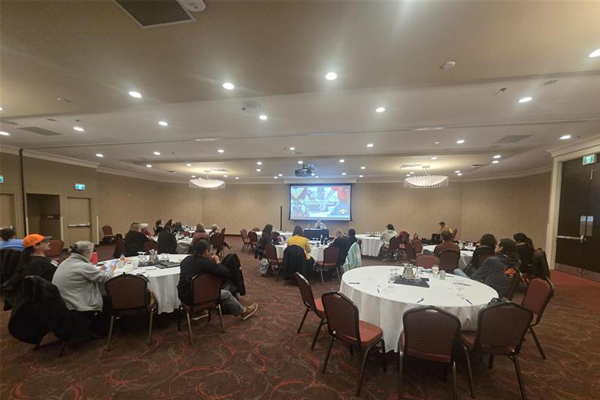
Anishinabek Nation and member First Nations attend a GIS Day to talk about how to use GIS with the Spirit of the Land Toolkit - November 19, 2025, Sault Ste. Marie.
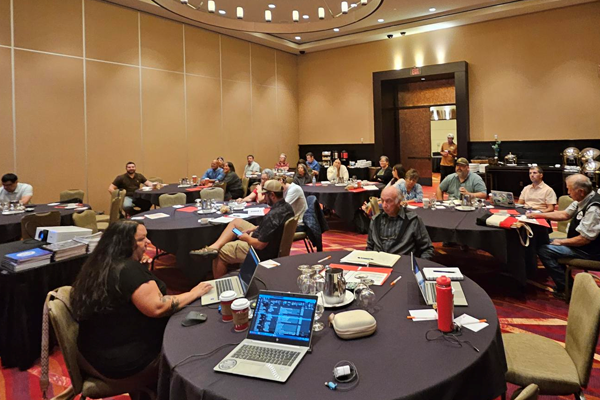
Anishinabek Nation and member First Nations– Spirit of the Lands Gathering, Chippewas of Rama First Nation, August 19 & 20, 2025.
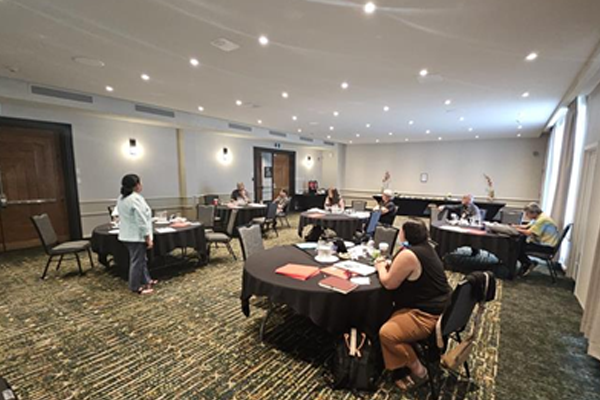
Anishinabek Nation and member First Nations– Spirit of the Lands Gathering, Thunder Bay, August 12, 2025.
Federal impact assessments must strike a balance between weighing the economic benefits of proposed major projects and protecting the environment, communities, and Indigenous rights. Many First Nation communities across Canada are becoming active participants in impact assessments and creating meaningful community involvement in impact assessment processes. For example, First Nation communities are connecting with other organizations to develop skills and engaging with technical experts to address impact assessment concerns.
The Anishinabek Nation is enhancing First Nation readiness, leadership engagement, and technical capacity in impact assessments across the Anishinabek territories in Ontario through six strategic initiatives:
- Adapting the First Nations Major Projects Coalition (FNMPC) toolkits so they are culturally appropriate for Anishinabek Nations in Ontario.
- Offering training sessions on impact assessment topics including connecting with the FNMPC to leverage sessions prepared for Indigenous communities and teaching how the impact assessment process and how to use the toolkit applications, data applications, data management.
- Establishing an early notification system to alert communities when projects intersect with traditional or treaty territory.
- Conducting roundtables to exchange information on impact assessment topics.
- Taking inventory of community lands and resources to highlight, document, and prioritize issues related to impact assessment in communities.
- Creating a database of technical experts and human resources who can be used to provide expertise for future impact assessments and research across Anishinabek communities.
These activities reflect the Anishinabek Nation’s overall commitment to proactive governance, informed decision-making, and meaningful community involvement in environmental and resource developmental processes.
Did you know?
The Anishinabek Nation received funding from the Impact Assessment Agency of Canada’s Indigenous Capacity Support Program (ICSP) to develop the capacity of First Nations in impact assessment. The ICSP helps to enhance the meaningful engagement and leadership of Indigenous Peoples in current and future assessments. Find out more about the program, including how to apply.
About
The Anishinabek Nation is the oldest political organization in Ontario, tracing its roots back to the Confederacy of Three Fires, which existed long before European contact. They represent 39 member First Nations from the Algonquins of Pikwàkanagàn in the east, the Aamjiwnaang First Nation in the south, and Lake Nipigon in the north. The Anishinabek Nation population is approximately 70,000 citizens, accounting for a third of Ontario’s First Nations population. The Anishinabek Nation has four strategic regional areas: Southwest, Southeast, Lake Huron and Northern Superior.
The Anishinabek Nation delivers a wide range of programs and services, including Health, Social Development, Education, Communications, Economic Development, Lands and Resources, Labour and Market Development, Infrastructure, Governance, Reconciliation and Legal.