
Impact Assessment Panel Roster Members
The impact assessment panel roster is comprised of selected individuals who may be appointed by the Impact Assessment Agency of Canada (IAAC) to serve on independent review panels. They are knowledgeable and experienced members who can understand a project’s anticipated effects and the interests and concerns of Indigenous Peoples.
An * next to the member’s name denotes they are also eligible for cross-appointment for integrated assessments.
- Jocelyne Beaudet*
- Jacques Bénard*
- Shannon Bentley*
- Michel Bérubé*
- Brian Bietz
- François Boulanger*
- Carla Conkin*
- Les Cooke
- Dianne Corrigan
- Melanie Daniels*
- Joseph de Laronde*
- Gay Drescher
- Richard Dunn*
- Catherine Emrick*
- George Greene*
- Lesley Griffiths
- Isobel Heathcote*
- Helen Jackson*
- Alan Kennedy
- Stella Leney*
- David Levy
- Hans Matthews*
- Suzann Méthot*
- Nalaine Morin
- Kathleen Racher*
- Wendy Randall*
- Barry Robinson*
- Dan Stuckless
- Laurie Swami*
- Diana Valiela
- David V. Wright*
Jocelyne Beaudet*
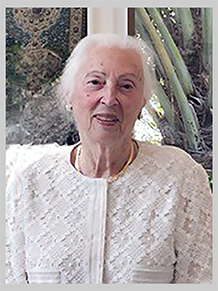
Jocelyn Beaudet is a consultant with more than 40 years of experience in fields related to environmental planning and impact assessments, public participation, and Indigenous interests.
She has a Bachelor of Science and a Bachelor of Physical Anthropology from the Université de Montréal and a Master’s degree in Cultural Anthropology from McGill University.
Ms. Beaudet advised the Office of the Auditor General of Canada on issues related to the Canadian North, organized strategies on climate change and air pollution, and advised the Task Force on Sustainable Transportation for the National Round Table on the Environment and the Economy. While working for an engineering firm, she developed public consultation plans for transportation and mining projects in Quebec and Africa and helped prepare impact assessments. She also served in senior environment planning and protection roles for the government of Oman.
Ms. Beaudet served on review panels for the Site C Clean Energy Project, the Darlington New Nuclear Project and the Eastmain 1-A/Rupert Hydroelectric Project and was Chair of the Review Panel for the Roberts Bank Terminal 2 Project. She is a former Chair of the Bureau d’audiences publiques sur l’environnement du Québec and the Office de consultation publique de Montréal.
Jacques Bénard*
Jacques Bénard is a civil engineer and an accredited mediator. He also teaches graduate courses in environmental dispute resolution and stakeholder engagement at the Université de Sherbrooke and the Université de Montréal.
Mr. Bénard has a Master’s and a post-graduate degree in Alternative Dispute Resolution from the Université de Sherbrooke, a Master’s in Conservation of the Built Environment from the Université de Montréal, and a Bachelor’s in Civil Engineering from Polytechnique Montréal.
An independent and seasoned environmental mediator, Jacques is also a member of the Québec government’s Bureau d’audiences publiques sur l’environnement. He has more than 35 years of experience conducting public consultations and implementing dispute prevention and resolution processes, particularly in the fields of land-use planning, energy and transportation infrastructure development, and heritage and environmental conservation.
Mr. Bénard has acted as a facilitator and mediator on hundreds of projects across Canada and served as a strategic advisor on public engagement for numerous governmental and private organizations responsible for large-scale development initiatives.
He is a member of the Institut de médiation et d’arbitrage du Québec and the Ordre des ingénieurs du Québec. In 2013, he received the Blanche Lemco van Ginkel Award from the Ordre des urbanistes du Québec for his significant contribution to the field of urban planning in Quebec.
Shannon Bentley*
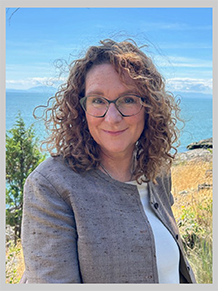
Shannon Bentley is a British Columbia-based lawyer specializing in Aboriginal law with a 25-year practice that straddles the Canada–US border. She works exclusively for First Nations, tribal governments, and Indigenous organizations.
Ms. Bentley holds a Master of Laws from the University of Washington, a Bachelor of Laws from the University of British Columbia, and a Bachelor of Arts in Sociology from Western Washington University.
For the past 17 years, Ms. Bentley has served as a tribunal adjudicator on five different quasi-judicial bodies in British Columbia (BC), focusing on appeals of environmental and forestry regulatory decisions made by government and regulatory and disciplinary decisions made by health profession colleges. In that role, she decides the merits of an appeal, hears complex cases, and drafts decisions.
As legal counsel, her firm served a First Nation that was making submissions to the review panel for the Enbridge Northern Gateway Project and to the 2009 Cohen Commission, which examined the decline of sockeye salmon in the Fraser River.
The BC Premier appointed Ms. Bentley as Canada’s Co-Chair of the Skagit Environmental Endowment Commission, which manages a multi-million-dollar fund to protect and enhance the Canada–US transboundary Skagit watershed.
Michel Bérubé*
Michel Bérubé has decades of experience in the environmental industry. His areas of expertise include sustainable development, environmental issues and compliance, energy, and sustainability. He has participated in numerous environmental studies in Québec and abroad, published scientific articles, and presented at international conferences on impact assessments, aquatic biology, and cumulative effects.
He has a Master of Science in Biology from McGill University and a Bachelor of Science in Biology from the Université de Montréal.
For 29 years, Mr. Bérubé worked at Hydro-Québec, first as an aquatic biology specialist and then as head of Environmental Services. In that role, he coordinated the work of more than 30 environmental specialists as part of impact assessments for hydroelectric projects and transmission lines. Later, he led the environmental impacts team at WSP Canada, an engineering firm for which he now does occasional consulting work.
Mr. Bérubé is a former member of the IAAC’s Technical Advisory Committee on Science and Knowledge.
In 2022, he received the Université de Montréal’s Diplôme d’honneur en biologie for lifetime achievement in the field of biology.
Brian Bietz

Dr. Brian Bietz’s work is focused on ensuring that projects are carried out in the most environmentally sensitive manner possible and that the concerns of affected parties are heard, understood, and addressed. Currently, he is the Vice President, Corporate Development for IEPS Canada, a Calgary-based company that builds and operates low-carbon hydrogen production and refuelling facilities.
Dr. Bietz has a Ph.D. in Ecology from Western University and a Bachelor of Science in Zoology from the University of Calgary, and holds a Professional Biologist (P. Biol.) designation from the Alberta Society of Professional Biologists.
Dr. Bietz’s work has included helping companies develop innovative and sustainable energy projects in southern Alberta and improving health, safety, and environmental performance. He has 12 years of experience preparing impact assessments for projects across Canada and 12 years with the Alberta Energy Resources Conservation Board examining the social, economic, and environmental impacts of dozens of proposed oil, gas, and coal projects. He also worked for five years with the Alberta Natural Resources Conservation Board, assessing the same impacts for hydroelectric and intensive livestock projects. Dr. Bietz has been a member or chair of panels reviewing more than 70 public projects, including three joint federal–provincial/territorial regulatory reviews.
François Boulanger*
François Boulanger is a strategic advisor in management intelligence and environmental governance with over 30 years of experience in environmental and natural resource management. He currently works in environmental strategy, bioeconomics, and change management. Known for his leadership, negotiation skills, strategic thinking, and analytical expertise, he is also highly experienced in Indigenous consultation and collaborative governance.
Mr. Boulanger holds a Bachelor of Science in Mathematical Statistics from Université Laval and a Master of Arts in Natural Resource Economics from the University of Ottawa.
Mr. Boulanger is a dedicated professional in environmental and socio-economic impact assessment. He has held senior roles in multiple organizations and chaired several review committees, contributed to policy development and decision-support tools, led strategic workshops, and advised government departments, Indigenous communities, and international organizations. His work has supported informed decision-making across sectors such as energy, transportation, fisheries, and Indigenous affairs.
Mr. Boulanger has provided strategic advice on climate change, environmental policy, and sustainable development. A respected communicator, he promotes inclusive dialogue and respectful engagement. He has received several awards for his outstanding commitment, including recognition from the Quebec Association for Impact Assessment, Secrétariat francophone pour l’évaluation environnementale, Quebec Council of Senior Federal Officials, and Saint-Laurent Vision 2000.
Carla Conkin*

Carla Conkin has built significant expertise in Canada’s natural resource regulatory sector as a lawyer, strategist, policy-maker, and consultant.
She holds a Bachelor of Laws and a Bachelor of Arts from the University of Alberta.
As a practicing lawyer for more than 30 years, she has amassed vast experience on the resource project life cycle and on impact assessments at all regulatory levels as well as the processes set by modern treaties. As Federal Counsel at the Department of Justice, she represented numerous federal departments.
Ms. Conkin spent many years working on major mining and oil and gas projects and has a deep understanding of the policy and system implications for Canada’s resource sector. She served as an expert panel member of the Natural Resources Canada (NRCan) Clean Growth Program and held senior government positions as a regulator of land administration and as a director and policy-maker for environmental liabilities arising from natural resource development.
Ms. Conkin received the Deputy Minister of Justice Legal Excellence Award for her work on the Giant Mine Remediation Project, was an arbitrator for the NRCan Pipeline Arbitration Committee, and served as vice chair on the arbitration board for the Inuvialuit Final Agreement.
Les Cooke
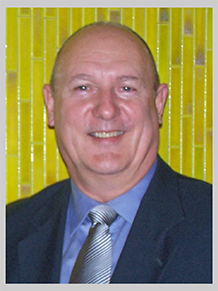
Les Cooke has over 40 years of experience in strategic management and program development, including as an executive with the governments of Saskatchewan and Alberta, and extensive experience working with Indigenous organizations on resource management and development. As the principal of Les Cooke and Associates, he consults on sustainable development and organizational effectiveness in the natural resource sector and on municipal planning and infrastructure program delivery.
He holds a Bachelor of Science in Economic Geography from the University of Alberta.
Mr. Cooke has held executive positions focused on natural resource and environmental management, economic development, and strategic policy and planning. He chaired the panel reviewing the Bute Inlet Hydroelectric Project and has served on multiple federal-provincial/territorial review panels focused on mining and oil sands extraction and expansion projects. He served as board chair for the Saskatchewan Wetlands Conservation Corporation, the Vice Chair of the Alberta Advisory Committee on Heavy Oil and Oil Sands Development, and as a member of the Alberta Water Resources Commission and the Alberta Planning Board.
Mr. Cooke has been appointed to interagency organizations and led strategic planning processes for the Canadian Council of Ministers of the Environment and the Canadian Council of Forest Ministers.
Dianne Corrigan
Dianne Corrigan is a former environmental advisor at Georgian College and has more than 30 years of experience working in the environment sector.
She holds a Bachelor of Science in Physical Geography and Biology and a Master of Science in Physical Geography from Queen’s University.
Ms. Corrigan developed and taught a variety of courses at the college and university level on federal-provincial environmental assessment requirements and processes, including public engagement, and on developing environmental assessment impact statements to meet compliance requirements.
She has designed and implemented scientific studies, managed projects and multi-faceted programs, coordinated public consultation activities, and assisted multi-stakeholder groups to develop sound environmental policies. She has also monitored policies and their implementation through various public and private bodies.
Ms. Corrigan was appointed by an Ontario Order in Council as a public member of the South Georgian Bay Lake Simcoe Source Protection Committee where she was involved with developing a source water protection plan founded on best available science, stakeholder engagement, and public consultation. Ms. Corrigan has served as a board member for the TD Friends of the Environment Foundation and on the City of Kingston Environmental Advisory Committee.
Melanie Daniels*

Melanie Daniels is of First Nation, Métis, and settler descent. She is the owner of Chickadee Indigenous Relations Ltd. where she is a consultation and Indigenous relations professional. She has a strong understanding of different perspectives related to environmental protection, land management, and resource development, and has built relationships with First Nations and Métis based on mutual respect and trust.
She has a Bachelor of Science from the University of Alberta and a Professional Biologist (P. Biol.) designation from the Alberta Society of Professional Biologists.
Ms. Daniels has 28 years of experience working with Indigenous communities on environmental and land management matters and consultations, and has worked with First Nations and Métis groups, federal and provincial governments, and industry.
She has led policy development regarding on-reserve environmental protection, served as a regulator, developed consultation procedures for the Métis Nation of Alberta and Louis Bull Tribe, and has led consultations on numerous resource development projects on behalf of industry.
Ms. Daniels is the Vice Chair of the Board of Directors for the Indigenous Centre for Cumulative Effects, a Master Instructor with the National Aboriginal Lands Managers Association, and a founding member of the Canadian Land Reclamation Association’s Indigenous Advisory Committee.
Joseph de Laronde*
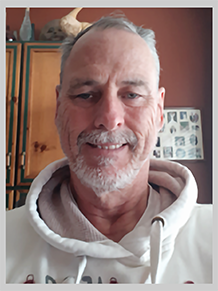
Joseph de Laronde is a senior ecologist with over 30 years of experience in the environmental field and more than 25 years of experience in Indigenous relations. In addition to his consulting firm, 4R West Consulting, which specializes in Indigenous relations and environmental assessments, Mr. de Laronde works as a senior manager for Metrolinx at the company’s Environmental Programs and Assessment Indigenous Relations Office.
Mr. de Laronde holds two Bachelor of Science degrees, one in Fisheries Biology and Aquatic Ecology, and another in Wildlife Biology and Terrestrial Ecology from the University of Northern British Columbia.
Mr. de Laronde has decades of experience conducting environmental inventories and ecological assessments, designing and implementing habitat restorations, and assessing potential environmental impacts, including experience developing and reviewing federal and provincial environmental impact assessments.
Mr. de Laronde is also an experienced federal and provincial regulator, which includes developing policies and regulations affecting Indigenous Peoples. He has led engagement and consultation initiatives with Indigenous communities across Canada and assisted in the negotiation of agreements between Indigenous communities and organizations in both the public and private sector.
Gay Drescher

Gay Drescher’s career has spanned environmental assessment, municipal and land use planning, and energy industry regulation. In her consultancy business, she offers strategic advice related to environmental assessment, cumulative effects assessment, and Indigenous engagement activities to provincial- and national-level clients.
She has a Bachelor of Science and a Master of Environmental Studies from Dalhousie University and a Certificate in Regulatory Studies from Michigan State University.
Ms. Drescher has directed the preparation of numerous environmental impact assessments. She has chaired technical review committees for large-capital projects, reporting directly to New Brunswick’s Minister of Environment. She also chaired the Technical Working Group for the development of a CSA Standard for environmental impact assessment. She was a panel member for a key minerals mine in Northern Ontario and was responsible for preparing an assessment of the mine’s impact on Indigenous communities.
She is a former member of the secretariat for the New Brunswick Energy and Public Utilities Board, where she developed a protocol on electricity market licensing.
As a municipal planning director, Ms. Drescher was responsible for balancing proposals and local value for large and small developments. She also chaired the Canadian Institute of Planners committee on professional standards.
Richard Dunn*
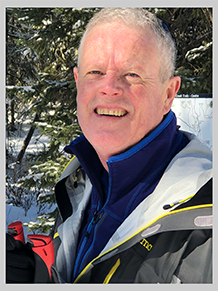
Richard Dunn has worked extensively at senior levels with major Canadian energy producers, gaining broad experience in impact assessment, policy and regulatory development, complex regulatory applications, and engagement with Indigenous Peoples. He currently serves part time as the Executive Director of the Helium Developers Association of Canada.
Mr. Dunn has a Bachelor of Applied Science in Mechanical Engineering from the University of British Columbia and a Master of Engineering in Chemical Engineering from the University of Calgary.
Collaborating extensively with Indigenous Peoples, stakeholders, governments, regulators and industry, Mr. Dunn has focused on the development of effective and evidence-based policies and regulations that consider environmental science, health, and safety, as well as social, economic, and engineering factors.
His work has included the successful completion of complex regulatory applications, including environmental assessments for major natural gas processing projects. Working with environmental assessment agencies, and prioritizing effective engagement with Indigenous Peoples and stakeholders, these assessments have focused on developing durable, sustainable projects that responsibly addressed Indigenous rights and interests, including the opportunity for Indigenous participation in growth opportunities.
Mr. Dunn has served on several boards, including the Business Council of British Columbia and the University of Calgary Senate.
Catherine Emrick*
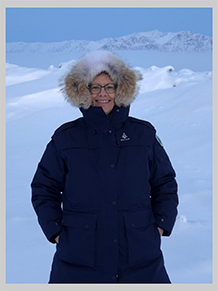
Catherine Emrick is a lawyer who has practiced environmental, administrative, and regulatory law in Alberta, Nunavut, and the Northwest Territories, including providing legal counsel to the Nunavut Impact Review Board and the Nunavut Water Board.
Ms. Emrick holds a Bachelor of Laws and a Master of Business Administration from the University of Calgary. She is a Fellow and Life Member of Chartered Professional Accountants (CPA) Canada and earned the ICD.D designation from the Institute of Corporate Directors.
She began her career articling with the Environmental Appeals Board of Alberta and an environmental law firm in Calgary.
In 2018, Ms. Emrick was appointed to the Nunavut Impact Review Board where she participated in environmental and socio-economic assessments of proposed projects in Nunavut. This included serving as a panel member for the Board’s Strategic Environmental Assessment of oil and gas development in Baffin Bay and Davis Strait.
One highlight of her career involved working closely with First Nations, industry, government, conservation organizations, and academia to develop a commercial-scale pilot to assess the use of innovative technology to solve a complex environmental problem.
She was also a director of a national professional education program and served on the national board of directors of CPA Canada.
George Greene*
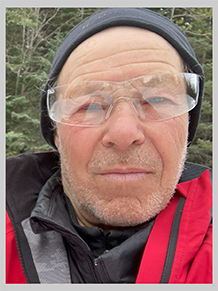
George Greene’s area of expertise is in environmental and natural resource governance. He is known for his integrity in engaging with rights and interest holders and is trusted for his sound judgment in addressing environmental, social, and economic issues in energy and resource development.
He has a Master of Science in Environmental (Chemical) Engineering from the University of Toronto and a Bachelor of Science in Applied Chemistry from the University of Waterloo.
Mr. Greene began his career directing environmental and socio-economic impact assessments of projects involving offshore exploration in the Canadian Arctic and uranium-mine development in Saskatchewan. More recently, he led studies on energy regulatory principles and practices across Canada, including a cross-jurisdictional review of energy regulators.
He has extensive experience in the design and practice of governance processes in governments and not-for-profit organizations. He was deputy head of the International Union for Conservation of Nature and a visiting professor in Environmental Governance at the University of Guelph. He is the former president of Stratos Inc., a leading advisory firm, where he focused on regulatory design and management of the environmental and social responsibilities of companies in the mining, oil and gas, and pipeline sectors.
Lesley Griffiths

Lesley Griffiths has extensive experience in coastal and offshore planning, stakeholder involvement, resource development, waste management, watershed management, recreation and tourism planning, and community development. She has developed and implemented information and consultation strategies for community and social planning, community economic development, resource developments, and various types of waste management planning.
Ms. Griffiths holds a Bachelor’s degree in Design Environmental Planning from Nova Scotia College of Art and Design, a Master of Library Service from Dalhousie University, and a Bachelor of Arts (Honours) in English from the University of Birmingham, England.
Currently, she is the chair of the Minister’s Advisory Council on Impact Assessment.
For over 30 years, she was co-principal of Griffiths Muecke, a consulting firm focusing on consultative and consensus-building processes, environmental impact assessments, resource management, and community development. In addition, she was the executive director of East Coast Environmental Law.
She has served on many impact assessment review panels, including the review of the Halifax Harbour Wastewater Treatment Facility. She has chaired federal-provincial review panels on mine and remediation projects in Labrador, Nova Scotia, and Ontario, and co-chaired a panel reviewing a hydroelectric project in Manitoba. Most recently, she chaired a panel that reviewed the Milton Logistics Hub Project in Ontario.
Ms. Griffiths was appointed Process Lead for the Fundy Tidal Energy Strategic Environmental Assessment and co-chaired the Nova Scotia Minister of Environment’s Task Force on Clean Air, producing the province’s first air quality management strategy.
Isobel Heathcote*

Dr. Isobel Heathcote is the founder and president of Wyndham Research Inc., a boutique consulting firm with more than 40 years of experience in water management, environmental policy analysis, and plain language science communication. Her clients include agencies at all levels of government, Indigenous groups, and non-governmental organizations.
She has a PhD in Biology and a Master of Science from Yale University and a Bachelor of Science from the University of Toronto.
Dr. Heathcote has held academic appointments at the University of Toronto and the University of Guelph, where she was a faculty member cross-appointed in Environmental Engineering and Environmental Sciences. She also served as the Dean of Graduate Studies at the University of Guelph. She has served on numerous advisory boards and councils, including the International Joint Commission’s Great Lakes Science Advisory Board, which she chaired for six years.
She has participated in a number of federal, provincial, and joint environmental assessment processes, including serving as an advisor to Innu Nation on water resources impacts during the environmental assessment process for the Voisey’s Bay Nickel Mine and Mill Project. She also served as a member of the federal review panel on the Milton Logistics Hub Project.
Helen Jackson*
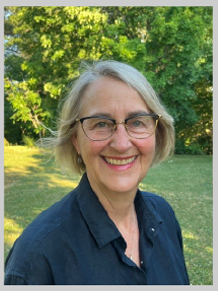
Helen Jackson started her career in Alberta as a wellsite geologist in the oil and gas sector, later moving to Ontario where she practiced as a professional geoscientist and hydrogeologist for many years.
She holds a Bachelor of Science in Biology from Queen’s University and a Bachelor of Science in Geology from the University of Alberta.
Ms. Jackson has more than 25 years of technical and management experience in environmental impact assessments. She was responsible for the hydrogeological component of numerous studies (e.g., on mine sites, aquifers, transportation of tailings dam contaminants, and soil and groundwater investigations), development proposals, roadworks and dewatering projects, landfill sitings and evaluations, drinking water evaluations, and brownfield site assessments. The projects were located in various Canadian and international locations. Clients included municipal, provincial, and federal governments, First Nations, industry, and international non-governmental organizations.
For 10 years, Ms. Jackson served as a full-time member of three Ontario tribunals: Environmental Review, Mining and Lands, and Local Planning Appeal. In that capacity, she presided over many hearings of varying complexity related to land use and environmental disputes, which required distilling complex evidence to make informed decisions that reflect relevant legislation and jurisprudence.
Alan Kennedy
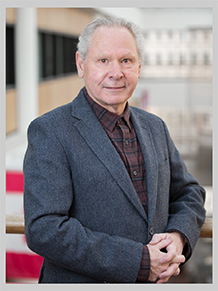
Dr. Alan Kennedy is an environmental scientist with over 35 years of experience. Currently, he teaches impact assessment (IA) for the energy sector and environmental management techniques at the University of Calgary.
He has a PhD and a Master of Science in Environmental Science from the University of Calgary and a Bachelor of Science in Biology from the University of Alberta.
Previously, Dr. Kennedy worked for a major energy resource company where he was responsible for regulatory approvals and compliance activities for major pipeline and oil and gas projects in Canada. He also completed IA regulatory applications in the US, Russia, and Africa. He has appeared on over 30 federal and provincial IA review panels, which included leading panels of experts, preparing witnesses, and presenting evidence.
For more than 12 years, Dr. Kennedy was a member of the Alberta Environmental Appeals Board where he was involved in more than 50 hearings. He also chaired an advisory committee for the Institute of Environmental Sustainability at Mount Royal University in Calgary.
Dr. Kennedy has made (and published) 25 presentations at major international conferences, is on the editorial board for the Environmental Management journal, and published two books on cumulative IA.
Stella Leney*

Stella Leney is a lawyer and corporate director. She is a member of the Quebec Bar, which awarded her the Advocatus Emeritus distinction.
Ms. Leney holds a Bachelor of Law from the Université du Québec à Montréal and a Diploma in Administrative Sciences from McGill University, and is accredited by the Institute of Corporate Directors.
As a senior executive with Hydro-Québec for 20 years, she was responsible for legal affairs, ethics, the environment, sustainable development, and access to information. She specialized in environmental law, maintained working relationships with government and regulatory bodies, ensured compliance with environmental regulations, and was responsible for various aspects of the environmental approval process for hydroelectric projects and transmission lines.
Ms. Leney participated in numerous public hearings, notably as a Hydro-Québec spokesperson in the federal, Quebec, Cree, and Inuit public hearing processes. She also represented Hydro-Québec before parliamentary committees.
She served as secretary to the board of directors for Hydro-Québec, was president of the Fondation Hydro-Québec pour l’environnement, and a member of the board of directors for the Institut Hydro-Québec en environnement, développement, et société at Université Laval.
She currently serves as board chair for the Centre du Théâtre d’Aujourd’hui and L’Harmonie des saisons.
David Levy
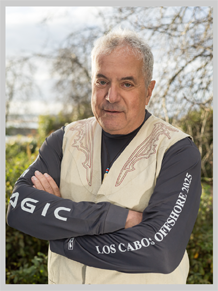
Dr. David Levy is the president of Levy Research Services in Vancouver, British Columbia (BC) and an aquatic biologist who works primarily with Fraser River First Nations. He provides technical, strategic, and planning services for First Nation organizations, including communities, Tribal Councils, and provincial agencies.
Dr. Levy holds a PhD in Fisheries Biology and a Master of Science in Oceans and Fisheries from the University of British Columbia, and a Bachelor of Science in Marine Biology from McGill University.
He provides support services in fisheries, environmental assessment, meeting facilitation, environmental planning, and integrated coastal management. He has worked extensively in the Fraser Estuary and the Salish Sea.
Dr. Levy was a member of the review panel for the Roberts Bank Terminal 2 Project, which involved assessing VCs (valued components) and Indigenous engagement. He also worked with the Pembina Institute to review the potential environmental impacts of the proposed Northern Gateway Pipeline Project and provided advice to Mining Watch Canada concerning aquatic impacts from mining projects in northern BC.
Dr. Levy was the science director for the Cohen Commission of Inquiry into the Decline of Sockeye Salmon in the Fraser River and was an independent member of the Nechako Fisheries Conservation Program.
Hans Matthews*
Hans Matthews is Anishnawbe from the Robinson Huron Treaty territory. He has more than 30 years of experience in the minerals sector, including mineral exploration and mine development, closure planning, and project impact assessment.
He has a Bachelor of Science in Geology from Brock University and is a member of Professional Geoscientists Ontario.
As a geoscientist, he has held senior positions with several mining and environmental management organizations and has extensive experience supporting relationships between the minerals industry and Indigenous communities in Canada and abroad.
Mr. Matthews served on the joint review panels for the Northern Gateway Pipeline Project as well as the Grassy Mountain Coal Project in Alberta. He has also worked on impact assessments with Odonaterra, an environmental consultancy, and continues to promote Indigenous-led environmental and impact assessments and monitoring of resource development projects.
He was a member of the board of the National Energy Board and the Northern Centre for Advanced Technology, and has presented at Indigenous resource development forums and to the United Nations and World Bank.
Suzann Méthot*
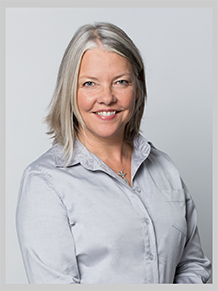
Suzann Méthot is an independent consultant who has worked for various public and private organizations. She focuses on Indigenous and regional relations and impact assessments.
She is chair of the board of directors of the Percé UNESCO Global Geopark and a board member of Nergica, a research institute dedicated to clean energy.
She was appointed by the Quebec government as chair of the Environmental and Social Impact Review Committee for the Eeyou Istchee James Bay Territory and served as an ad hoc commissioner for the Office de consultation publique de Montréal. She was also the co-chair of Quebec’s Plan Nord Sustainable Development Steering Committee and co-founded the Plan Nord Partners Table.
Over the last 25 years, Ms. Méthot has amassed considerable environmental expertise in responsible and sustainable development and government relations, particularly with Indigenous and non-Indigenous stakeholders in northern Quebec.
She has developed numerous relationships with First Nations and Inuit political and cultural leaders and has collaborated on many media projects that showcase Indigenous culture.
Ms. Méthot headed the International Boreal Conservation Campaign in Quebec, an initiative that led the province to legislate the protection of at least 50% of its northern territory from industrial development.
Nalaine Morin
Nalaine Morin is Senior Vice President, Environment and Social Affairs for Skeena Gold and Silver. She is a nationally recognized leader with deep technical expertise in mining and environmental assessment processes.
She holds a Bachelor of Applied Science in Metals and Materials Engineering from the University of British Columbia and a diploma in Mechanical Engineering Technology from the British Columbia Institute of Technology.
Ms. Morin is widely respected for her commitment to building strong, respectful relationships that uphold the role of Indigenous Nations in decision-making on Indigenous lands. She has more than 20 years of experience in environmental management and expertise in leading companies and First Nation communities in negotiations, community consultations, and environmental resource management.
She was a member of the review panel for the proposed Prosperity Gold-Copper Mine Project environmental assessment, serves on the board of BC Hydro, and is the former Lands Director for the Tahltan Central Government, where she led environmental reviews for major resource projects.
She continues to be a driving force in advancing Indigenous inclusion and environmental responsibility in Canada’s resource sectors.
Ms. Morin is the recipient of a King Charles III Coronation Medal, the Skookum Jim Award, Indigenous Trailblazer Award, and Aura Award.
Kathleen Racher*
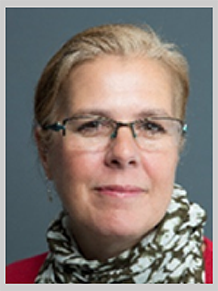
Dr. Kathleen Racher is highly experienced in performing technical reviews of regulatory applications; environmental assessment reports; and management, monitoring, and closure plans, including for all major mining projects in the Northwest Territories (NWT) since 2004. She also has extensive experience as a facilitator for federal, territorial, and Indigenous government meetings, including for a series of legislative initiatives on water, forestry, protected areas, and mineral development. In these roles, she has combined her scientific and regulatory expertise, the strong communication skills she developed through her life coaching certification, and her knowledge of the North to facilitate productive meetings that bring together a wide range of perspectives and interests.
Dr. Racher holds a PhD in Chemistry from Simon Fraser University.
She is a former manager of the NWT government’s Taiga Environmental Lab and the federal government’s Water Resources Division, and has served as technical director for northern regulatory and assessment boards and as a private consultant. She has helped develop policies for NWT regulatory boards; guidelines for adaptive management, effluent-mixing zones, and aquatic-effects monitoring; and an NWT-wide policy for managing water and effluent quality.
Currently, Dr. Racher is the Executive Director of the Mackenzie Valley Land and Water Board.
Wendy Randall*
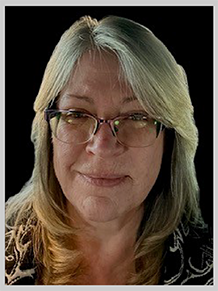
Wendy Randall has worked extensively with and for Indigenous groups, private industry, and federal and territorial governments. Throughout her career, she has been a leading voice for responsible development. She is currently the Technical Consulting Director at ERM, a sustainability consultancy, where she works as an impact assessment lead for the firm’s Capital Projects Delivery team.
Ms. Randall is a former policy and legislative advisor to the Premier of the Yukon. She also served for five years as the first Executive Director for the Yukon Environmental and Socio-economic Assessment Board. Later, she served as the chair of that body and as a member of its Executive Committee. During her tenure with that organization, she conducted assessments for several major projects.
Through her firm, Randall Environmental Consulting, she has provided advice, senior review, and other consulting services related to impact assessment throughout the three territories and British Columbia, which involved dealing with a variety of assessment-related legislation.
Ms. Randall has consulted on a variety of mine development and remediation projects for copper, gold, silver, coal, and nickel mines. She also worked on a relicensing project for the Whitehorse Rapids Generating Facility.
Barry Robinson*
Barry Robinson is a retired lawyer who practiced in the areas of environmental, administrative, and regulatory law for 17 years.
He holds a Bachelor of Science in Forestry from the University of Toronto, a Master of Environmental Studies from York University, and a law degree from the University of Victoria.
As a lawyer, Mr. Robinson represented clients in impact assessment processes under the former Canadian Environmental Assessment Act, 2012. His legal representation included matters before the Alberta Energy Regulator, the Alberta Environmental Appeals Board, the National Energy Board, the former Canadian Environmental Assessment Agency (now known as the Impact Assessment Agency of Canada), the Court of Queen’s Bench of Alberta, the Alberta Court of Appeal, and the Federal Court of Appeal.
Prior to his law career, Mr. Robinson worked as a planning manager in the Alberta forest industry and was a partner in an environmental consulting firm working in the areas of waste management and environmental certification.
Dan Stuckless

Daniel Stuckless is an experienced environmental steward and consensus builder with more than 18 years of experience working with industry, Indigenous communities, and regional stakeholder groups to advance responsible development in northern Alberta. As CEO of 4A Solutions, Mr. Stuckless facilitates positive relationships between Indigenous community stakeholders, industry, government, and regional groups through timely and transparent communication and meaningful consultation.
He has a Bachelor of Science in Biology from Memorial University of Newfoundland.
Mr. Stuckless advises Indigenous communities in the environmental assessment process. This includes evaluating and responding to resource development applications submitted to provincial and federal regulators regarding oil sands, forestry, quarry, pipeline, and other projects. He has extensive experience developing and evaluating government policies, regulations, and land management initiatives and provides strategic and technical advice to support benefit agreement negotiations.
His work also includes traditional ecological knowledge and land use projects that ensure Indigenous perspectives are meaningfully incorporated into regulatory and environmental frameworks.
Mr. Stuckless has served as President of the Board of Directors for the Cumulative Environmental Management Association and as a member of the Governance Committee of the Wood Buffalo Environmental Association. He is currently a member of the Oil Sands Monitoring Program Oversight Committee.
Laurie Swami*
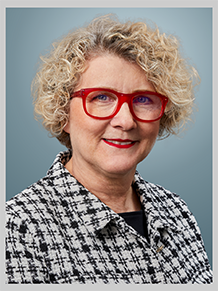
Laurie Swami is the President and CEO of the Nuclear Waste Management Organization (NWMO), a not-for-profit organization established by Canada’s nuclear electricity producers. In that role, she is responsible for implementing Canada’s plan for the long-term management of all used nuclear fuel.
Ms. Swami holds a Bachelor of Science degree in Engineering Chemistry from Queen’s University and a Master of Business Administration from the Schulich School of Business at York University.
Ms. Swami has extensive experience leading environmental assessments for Ontario Power Generation (OPG), including nuclear refurbishments. She has represented OPG before joint impact assessment review panels for the Darlington New Nuclear Project and the Deep Geologic Repository Project.
Prior to joining the NWMO, she served as Senior Vice-President of Decommissioning and Nuclear Waste Management at OPG, overseeing the operation of nuclear waste management facilities and planning for the decommissioning of the Pickering Nuclear Generating Facility. She is also the former lead for regulatory affairs at OPG.
She is a recipient of the Women in Nuclear Canada Leadership Award and the Canadian Nuclear Society’s Ian McRae Award for her contribution to nuclear energy in Canada, including selecting the site for the safe long-term management of Canada’s used nuclear fuel.
Diana Valiela
Dr. Diane Valiela operates a private legal practice focusing on environmental law. She is a member of the British Columbia Environmental Appeal Board, the Forest Appeals Commission, and the Energy Resource Appeal Tribunal.
Dr. Valiela has a Bachelor of Laws from the University of British Columbia, a PhD and a Master of Zoology from Duke University, and a Bachelor of Biological Science from Rutgers University.
Dr. Valiela has more than 50 years of experience in environmental assessment research and processes. She has served on numerous boards, panels, and committees, including the public review panel for the federal moratorium on British Columbia offshore oil and gas exploration and as a member of the National Energy Board.
Dr. Valiela has appeared before the Supreme Court of Canada, the Federal Court of Appeal, and administrative tribunals on cases involving appeals of environmental assessment approvals. She has published extensively and has made presentations on environmental assessment legislation, application, and methodology; resource development and regulation; water management, regulations, and quality; and ecosystems and the biota of aquatic systems.
In addition to her work as a lawyer, Dr. Valiela has worked as a government scientist, consultant, and an adjunct professor at the University of British Columbia Faculty of Law.
David V. Wright*
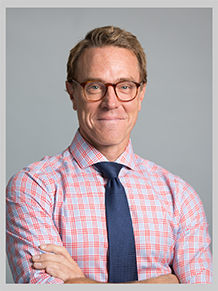
David Wright is a professor in the University of Calgary’s Faculty of Law where he is a member of the Natural Resources, Energy, and Environmental Law Research group and a director on the board of the Canadian Institute of Resources Law.
He has a Juris Doctor from the Schulich School of Law at Dalhousie University and a Master of Laws from Stanford University.
Drawing on 20 years of experience in environmental law and policy, Mr. Wright teaches environmental law, environmental impact assessment law, torts, negotiations, and a course on the Yukon-based modern treaties and the law.
He has published widely in leading peer-reviewed law journals. He frequently speaks at national and international events, including the annual International Association of Impact Assessment symposium.
Previously, Mr. Wright held positions with Canada’s Commissioner of the Environment and Sustainable Development, the United Nations Development Programme, the Government of Nunavut, the law firm of Stewart McKelvey, and the Marine & Environmental Law Institute at Dalhousie University.
He has lived and worked in all three northern territories and was previously General Counsel for the Gwich’in Tribal Council in the Beaufort Delta, which included engagement in environmental assessment processes, duty-to-consult matters, and Indigenous governance.