From the Arctic to the front line: Army and industry join forces on uncrewed systems through MINERVA
September 16, 2026 – Defence Stories
Estimated read time – 2:46
The battlespace is being transformed by emerging technologies and the rapid proliferation of sensors, drones, and precision weapons, driving a growing shift toward autonomous systems that augment — and in some cases aim to replace — human operators in high-risk environments. As adversaries adopt these technologies, they will reshape the future of warfare and create new tactical threats for Canadian Army (CA) soldiers.
The CA MINERVA Initiative responds to this shift by strengthening partnerships with drone innovators and tightening the feedback loop so that end users receive the right equipment for their mission. Central to this effort is a systematic approach to the combined research, development, testing, evaluation, and use of systems across the force. This approach helps avoid costly mistakes, builds capabilities that help soldiers on the battlefield, and supports a resilient production chain for CA missions defending Canada and supporting NATO Allies.
To address critical operational capability gaps, the MINERVA Initiative — with support from Innovation, Science, and Economic Development Canada (ISED) — is progressively releasing six challenges through August and September, aimed at enhancing unit capabilities with innovative autonomous systems across a range of domains:
- Arctic Uncrewed Air System;
- Intelligence Air Surveillance and Reconnaissance;
- Uncrewed Aircraft System Deconfliction;
- Uncrewed Air System for Cargo-Munition Drop;
- Uncrewed Ground System for Surveillance and Reconnaissance; and
- Uncrewed Ground System for Tactical Cargo Movement.
These challenges are being launched under ISED’s Innovative Solutions Canada (ISC) program to stimulate technology research, development, and commercialization of Canadian innovations. ISC connects federal departments with Canadian firms, providing up to $2.5 million per challenge to develop, test, and commercialize their technologies, creating the innovation pathway into federal procurement.
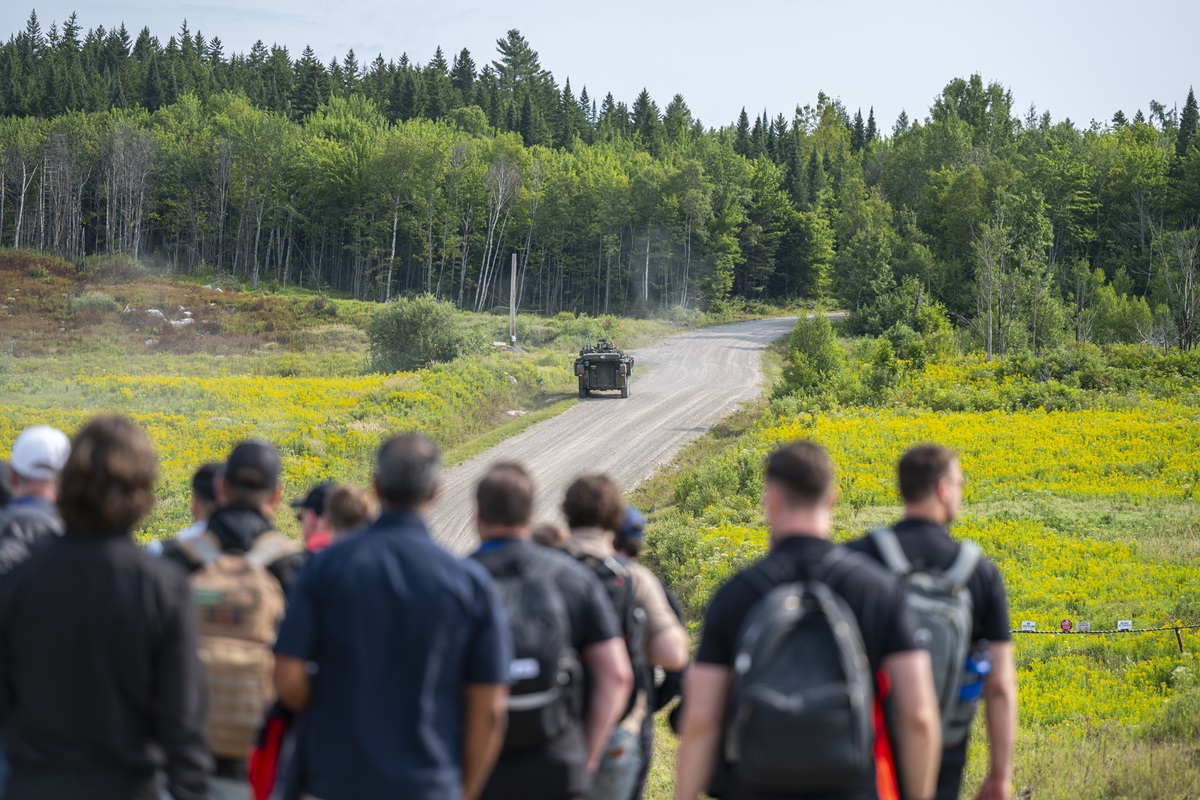
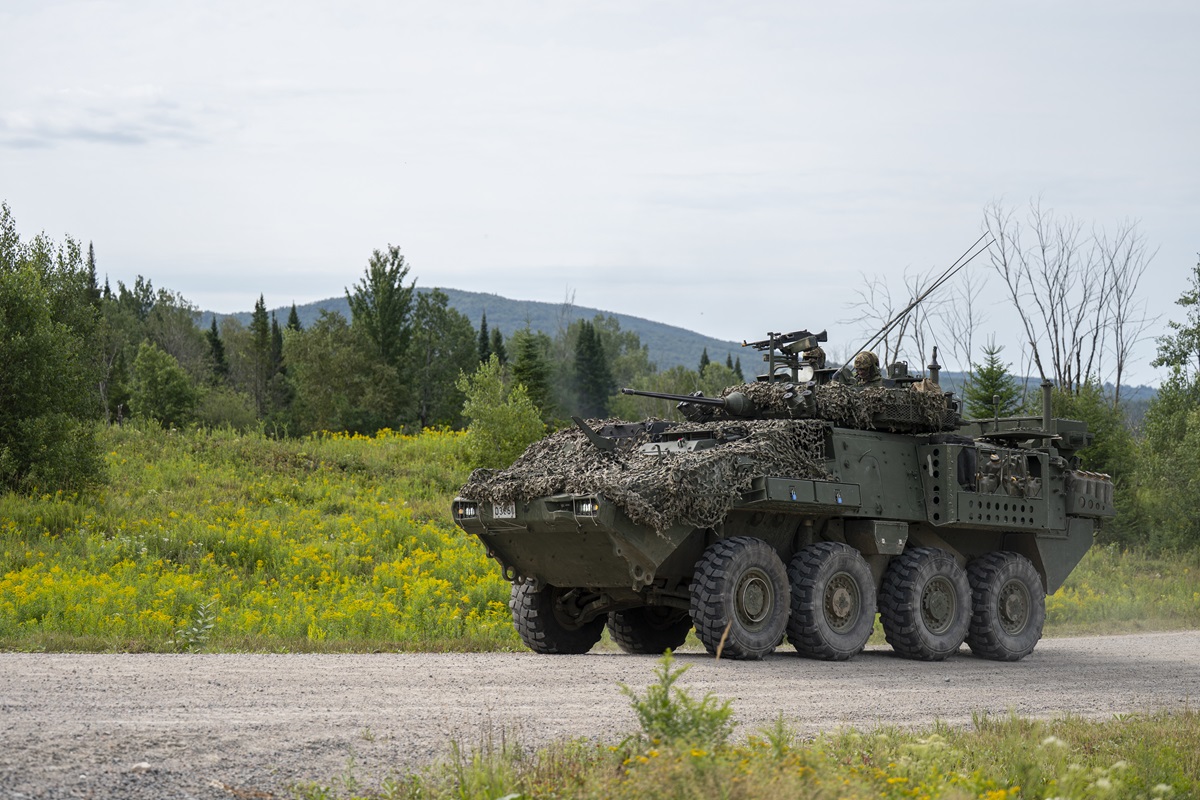
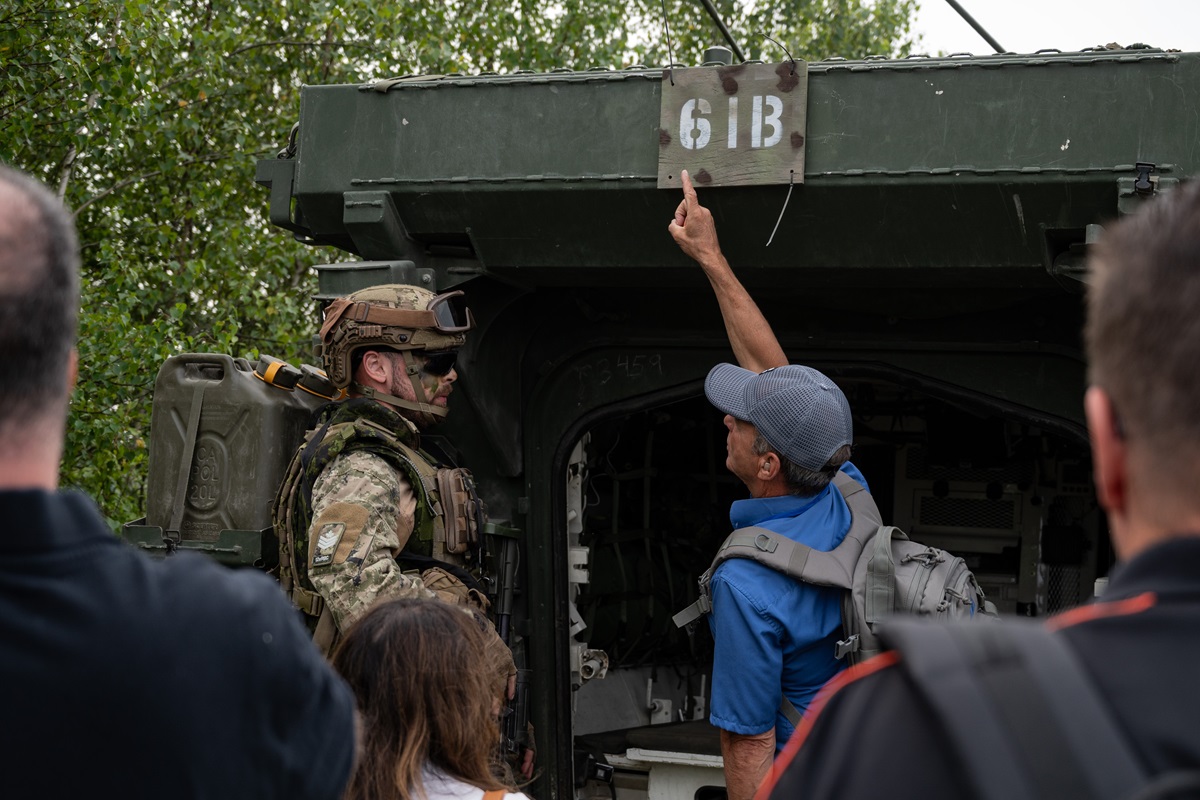
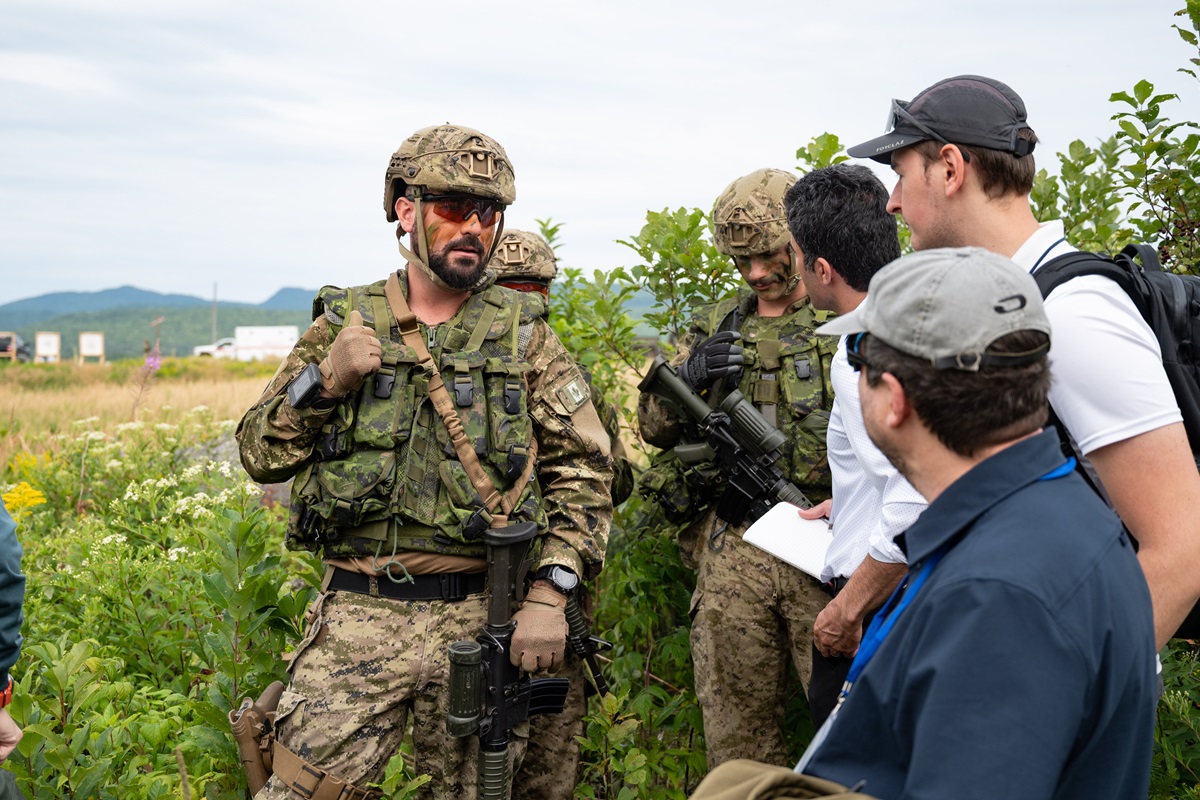
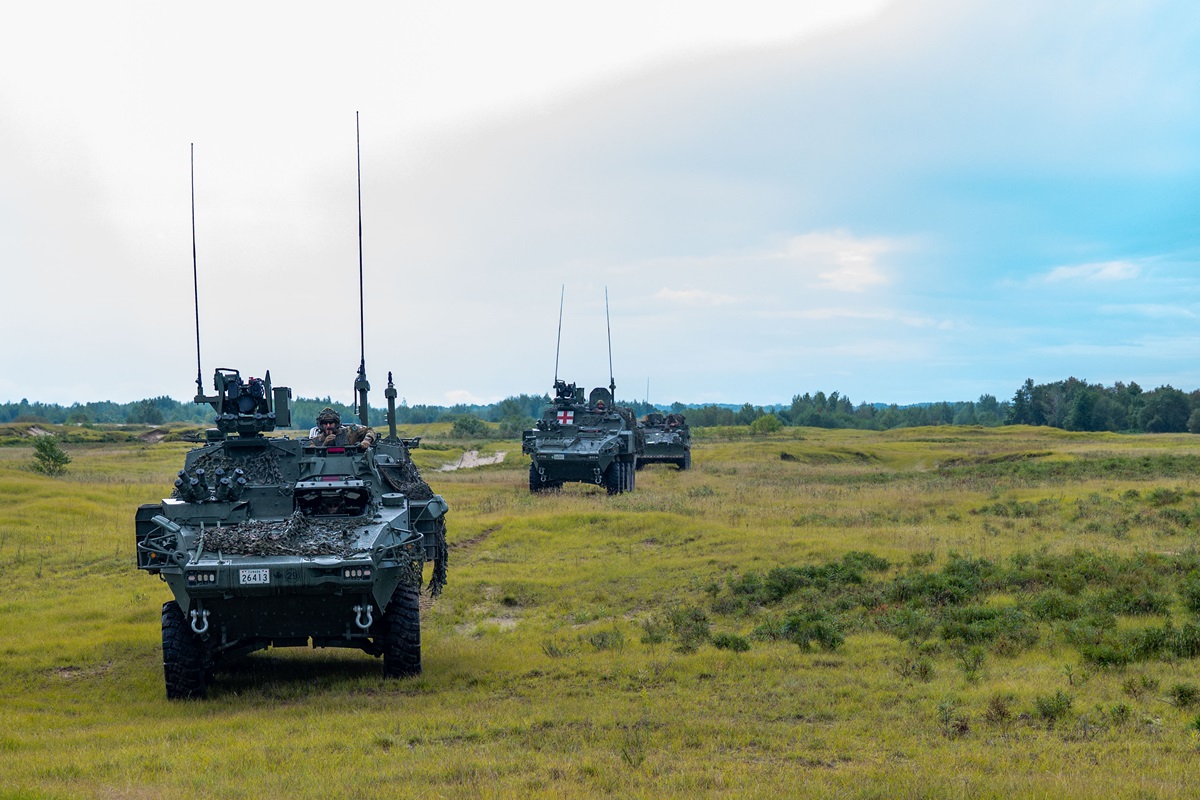
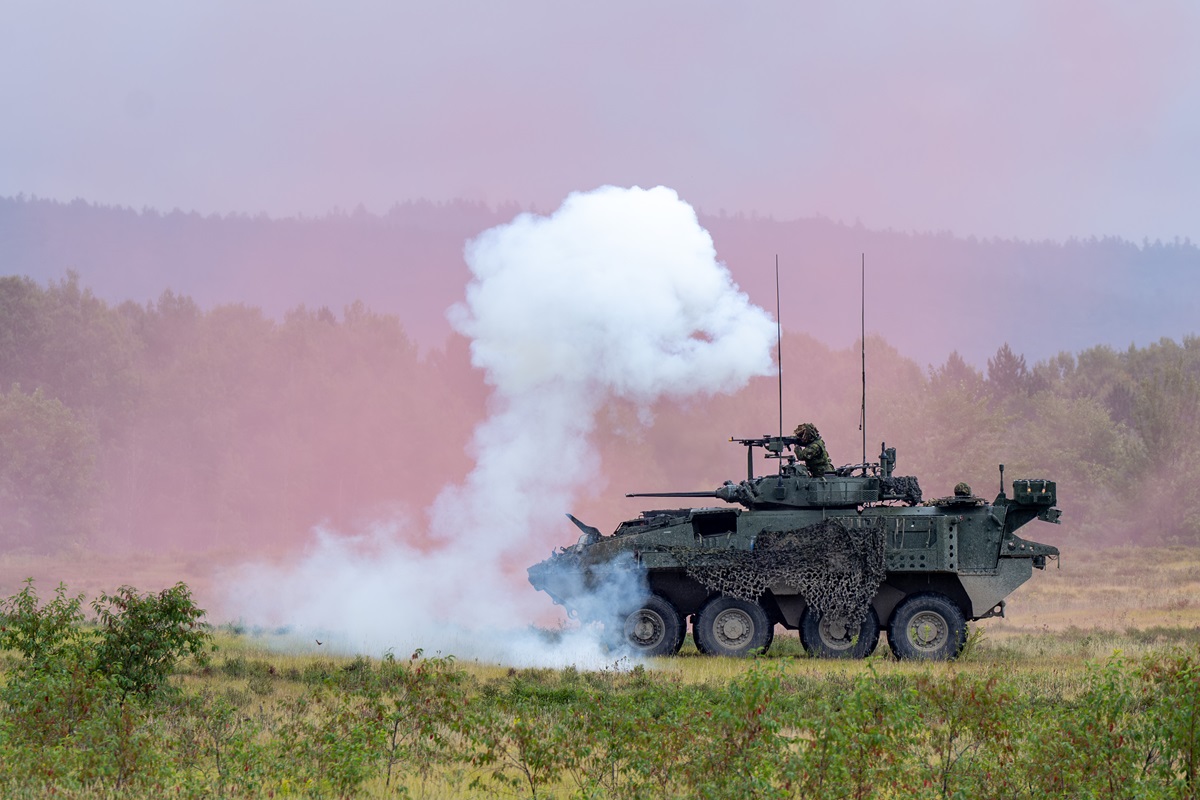
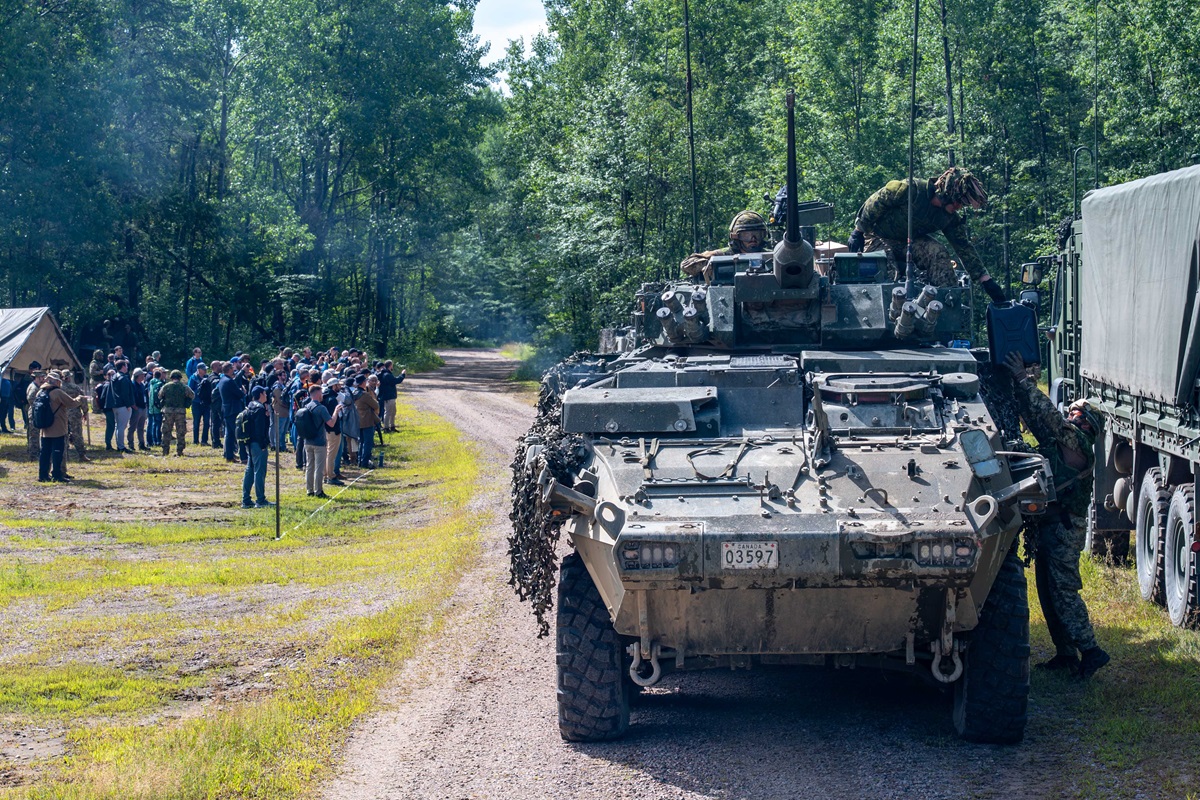
To give industry a clear understanding of these operational challenges, MINERVA held industry days at Canadian Forces Base Valcartier on August 10 and at Garrison Petawawa on August 19, featuring field demonstrations carried out by soldiers. These events allowed potential partners to see first-hand the operational problems the CA is asking industry to help solve.
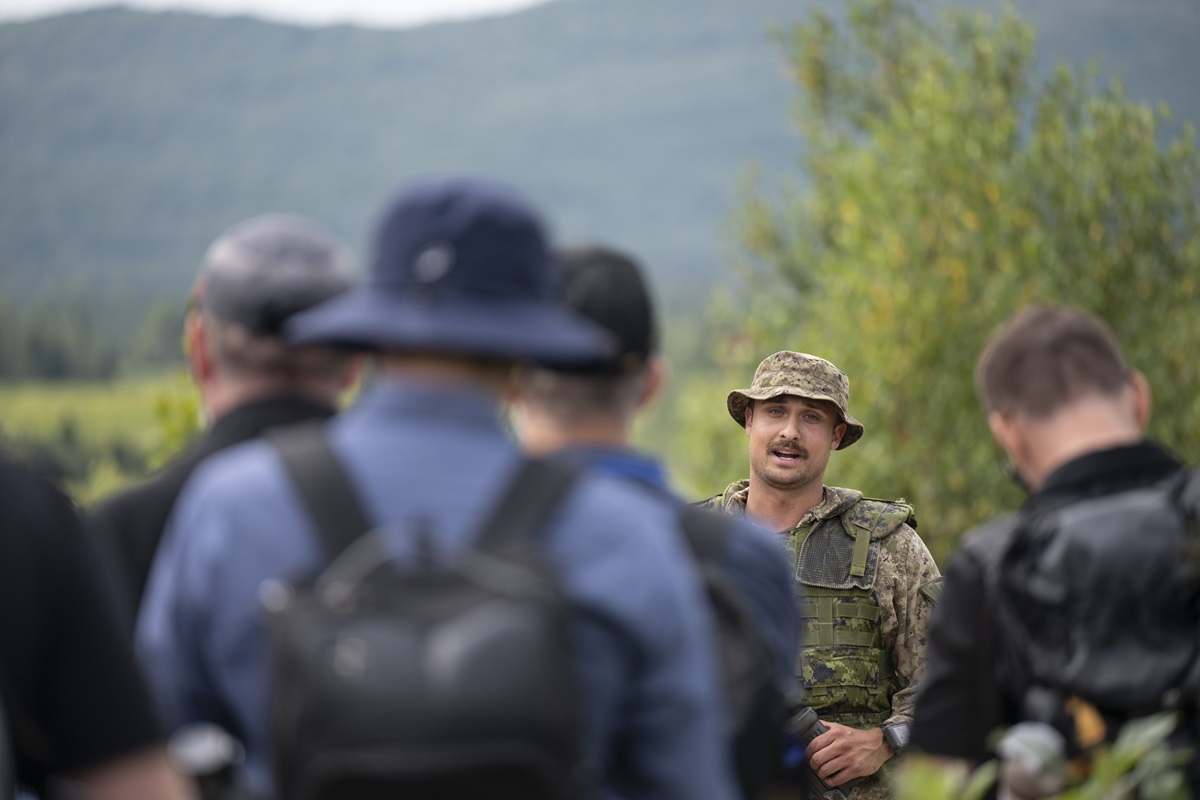
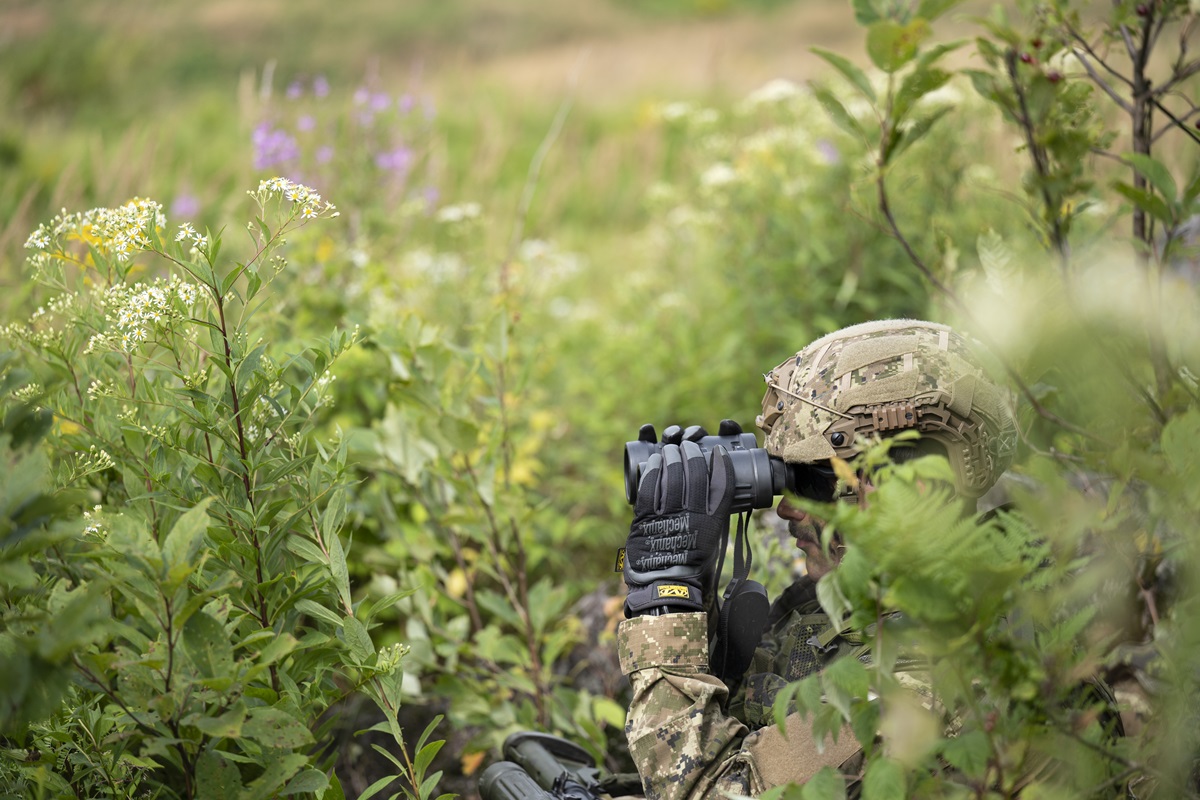
Staging these demonstrations took considerable effort from the units behind them. At Valcartier, members of the 12e Régiment blindé du Canada (12 RBC) built realistic scenarios drawn from current soldier-level experience, briefing guests on the tactical context before guiding them in small groups through a series of stations that showed how today's capability shortfalls play out in surveillance and reconnaissance. Alongside them, soldiers from 35 Canadian Brigade Group (35 CBG) and the Arctic Response Company Group (ARCG) demonstrated the collective and individual equipment used to move, live, and operate in the Arctic — from snowmobiles and komatiks to complete tent groups and personal kits — paired with briefings and displays on cold-weather operations. In both cases, the planning, rehearsal, and coordination behind these events are what made the operational challenges tangible for the industry partners in attendance.
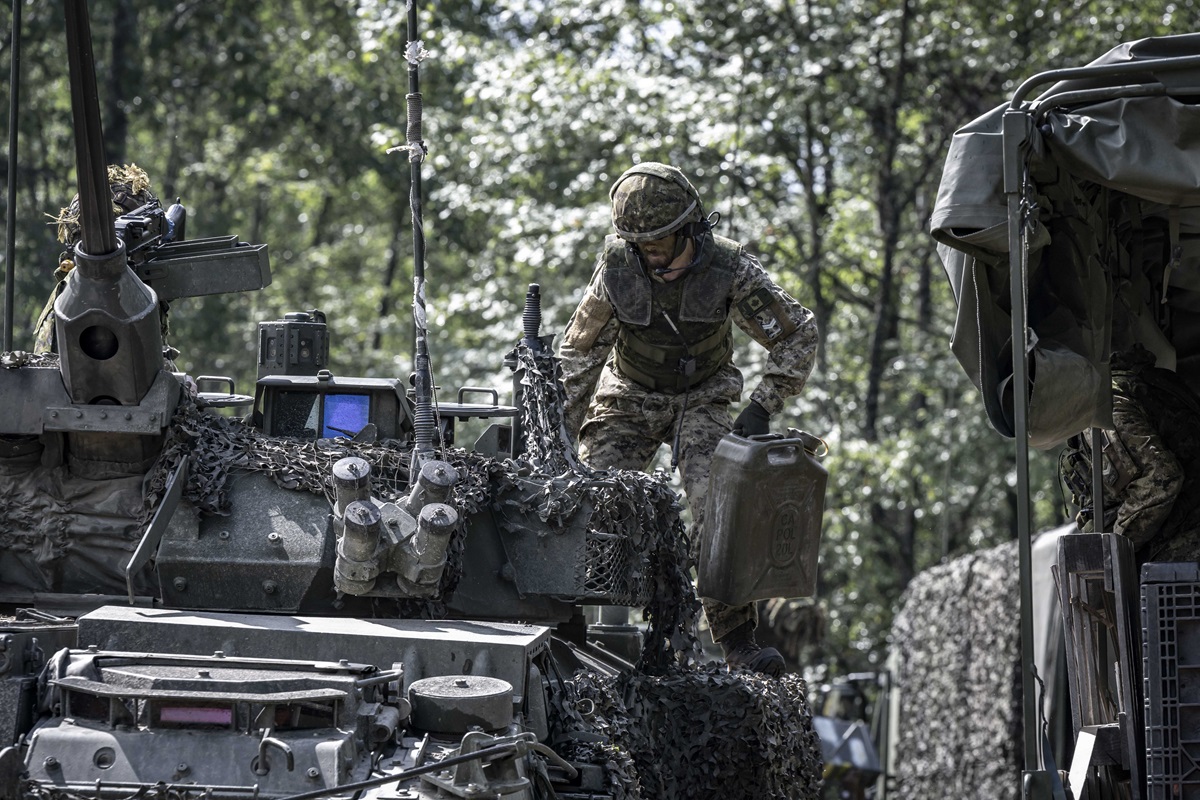
At Petawawa, 2 Canadian Mechanized Brigade Group (2 CMBG) — with the Royal Canadian Dragoons, 2 Service Battalion and 2 Field Ambulance in support — led a demonstration focused on intelligence gathering, surveillance, reconnaissance, casualty evacuation, and sustainment. It gave industry the operational context to grasp the Army's capability limitations and the openings for uncrewed-systems innovation — all while safeguarding operational security and sensitive tactics, techniques and procedures, so soldiers gain the capability their future mission demands.
One event remains. In late September, at Canadian Forces Base Gagetown, the 4th Artillery Regiment (General Support) will host a discussion with industry on uncrewed aircraft system deconfliction — identifying where new systems could better manage the airspace shared by users across the Canadian Armed Forces.
Industry is now invited to support the CA by proposing innovative solutions through the ISC call for proposals. These technologies, developed in partnership with engineers in the autonomous and robotic domain, have the potential to reshape how the CA approaches modern operations in the years to come while reinforcing domestic supply chains and reducing dependency on foreign inputs to develop sovereign uncrewed systems.