
ARCHIVED - Estimated Life Expectancy: ELE and the RCAF
This page has been archived on the Web
Information identified as archived is provided for reference, research or recordkeeping purposes. It is not subject to the Government of Canada Web Standards and has not been altered or updated since it was archived. Please contact us to request a format other than those available.
News Article / March 6, 2015
From the Royal Canadian Air Force
A management tool for super-sonic success!
What does it mean to fail?
If you’re a first grader learning the ABCs, failing is all about misspelling. Writing the letter “A” instead of “E” in the word “red” is clearly an academic fail but poses no real danger.
When it comes to the Royal Canadian Air Force's flying operations, however, failure carries the real risk of aircraft falling out of the sky and possible loss of life. Preventing this doomsday scenario from becoming a reality, the Royal Canadian Air Force (RCAF) brings additional rigour to its use of a materiel management tool called “estimated life expectancy” – or ELE – for all RCAF aircraft fleets.
“ELE is a simple and complex concept used in managing major assets including aircraft,” says Lieutenant-Colonel Don Hamilton, the RCAF’s director of air programmes. “ELE for major assets is largely about the operational utility and economic value that can be expected when an asset is acquired.”
“ELE for aircraft carry the additional concern for maintaining the airworthiness of aircraft, introducing a very real technical dimension.”
Perched on the 11th floor of National Defence Headquarters in Ottawa, Lieutenant-Colonel Hamilton’s office tracks the RCAF ELE data on aircraft, major ground systems and all RCAF capital equipment projects. If he wasn’t dressed in air force blue, the calculus-crunching colonel could probably be draped in a white lab coat hunched over stacks of graph paper – equalizing equations in a mathematics laboratory. Instead, he monitors the status of aircraft fleet life expectancies to enable the strategic planning of aircraft replacement or life-extension projects.
“We always ask ourselves the following questions: How long do we intend to fly the aircraft? Is the metal on the current fleet breaking? Are the avionics obsolete? And, probably most importantly, how much money are we prepared to spend overhauling the aircraft and extending its operational life?” he continues.
“At some stage, we have to figure out the ‘return on investment’ for our aircraft, just as we do on our personal vehicles.” And as we do this, a host of defence department agencies get involved. In essence, the key is to prevent loss of life while maintaining operational capability.
“We deliberately forecast when the aircraft could fail and, in order for this not to occur, we routinely upgrade components, and overhaul the structures and avionics of our entire fleet.”
Thus, three key factors drive an aircraft fleet’s estimated life expectancy – that is, how long it will remain in service: economic, technical and operational.
The first factor in managing ELE is to understand that when you acquire a system to do a job, you expect that system to last a certain length of time before you consider replacing it. If what you are buying is expensive and you need to finance the purchase, then you hope that the item lasts longer than the time it takes to pay for it.
Here you might think of a new car purchase as an example. If your finances are tight and you buy a new car with a seven-year loan, then you will want the car to last more than seven years. While you own the car, you must be able to afford to drive it and cover its operating expenses, such as fuel and insurance, and you also need to maintain and repair it.
The economic view of ELE tries to ensure that you obtain value for the money you have spent. It also puts in place a “decision point” when you will consider whether it makes more economic sense to replace your item or to continue to pay to keep that older item operating.
As your car ages, you may find that you are paying for repairs that are more costly than you can accept. If this is the case, you will very quickly start to assess whether you would be better off to buy a new car with new features to meet your needs.
Another factor in the cost of ownership occurs when you can no longer get spare parts to repair your item or if the expertise to repair older technology is not readily available. When parts or expertise are in short supply, the free market system kicks in and it becomes even more costly to keep your major asset functioning.
The second factor in determining ELE is to consider whether your major asset is still doing everything you want it to do. If an item is well cared for, you expect it to last for a long time. During that time, however, your needs may change and you will have to decide whether to keep or replace the item.
To continue the new vehicle analogy, the big truck you bought when you were single may not meet your needs after you marry and have children. In addition, as modern technology advances, you may find that you need to change something to keep up with other components that may be used, rather than continuing to operate your older items.
The term “obsolescence” is often used in this situation; something may function as originally intended but it no longer works with everything else that is needed. With aircraft, this may occur with air traffic control systems and the way navigation and communication systems operate.
Although we have compared owning a major asset to the familiar case of owning a vehicle, this comparison does not hold up from all perspectives. When we acquire aircraft, we need supporting capabilities such as airfields, buildings, hangars, repair equipment, training establishments, simulators, and trained operators and technicians.
You can easily buy or sell your car knowing that mechanics are available when you need them. The only similar concern you may have is that if you have a small garage, you may not want to buy a big SUV that won’t fit inside it.
So when all the elements are in place to support a major asset but the asset must then be changed, all the supporting capabilities may need to be changed as well.
When aircraft are brought into service they have very detailed directions on how they can be used and how they need to be maintained. The aircraft manufacturer – or original equipment manufacturer (OEM) – will provide the maintenance plan that needs to be followed to prevent and correct component failures.
You receive similar guidance in your owner’s manual and maintenance guide when you buy a new car. To keep your vehicle operating smoothly over its planned life, you must repair parts that wear out or fail; you must also replace certain items on a regular basis, such as the engine oil or timing belts, to prevent the damage that would occur if these items failed in use.
The aircraft maintenance plan is rigorously followed to reduce the likelihood of components failing in flight and causing an aircraft accident. The effect of not following your vehicle maintenance plan may be the risk of contributing to an accident or needing to leave your vehicle broken down at the side of the road.
The airworthiness program for aircraft extends beyond the maintenance plan and ensures that RCAF aircraft and their components are built, operated and maintained under the controls of a system that ensure appropriately skilled and authorized personnel perform the required tasks to always ensure that acceptable levels of safety are maintained.
In the same way that an aircraft component may be given a safe life period for use before it is replaced by a fresh component, entire aircraft fleets are also given similar life expectancies.
This safe life period, which is estimated in number of years or number of flying hours since the fleet began operations, are often the result of previous analysis and experience of the original equipment manufacturer. Prototype or operational systems that receive detailed research and analysis or detailed inspections to check for the effects of corrosion or material stress are often included in the aircraft maintenance programs. Because of the loads involved with flight dynamics and the effects of pressurization, metal structures must be monitored to prevent failures caused from component fatigue.
From a technical perspective, assigning an aircraft ELE includes the need to assess major aircraft structures. As a fleet approaches an assigned ELE, a careful review and study of the fleet’s state is carried out to better inform the decisions that established the original ELE. Perhaps the ELE can be extended with the experience that has been gained through the lifespan of the fleet or targeted efforts may be developed to address specific risk items with a life-extension project. Several of the RCAF’s older fleets have had major structural components such wings and empennage (aircraft tail or tail assembly) areas replaced to allow the fleet to operate to a new ELE.
“It’s a long process involving many agencies, not just the RCAF,” adds Colonel Ian Lightbody, the director of air requirements at National Defence Headquarters. “Those include the Associate Deputy Minister (Materiel) scientists and engineers, the Vice Chief of the Defence Staff office, Department of National Defence civilians and contractors, aircraft technicians and aerospace engineering officers.”
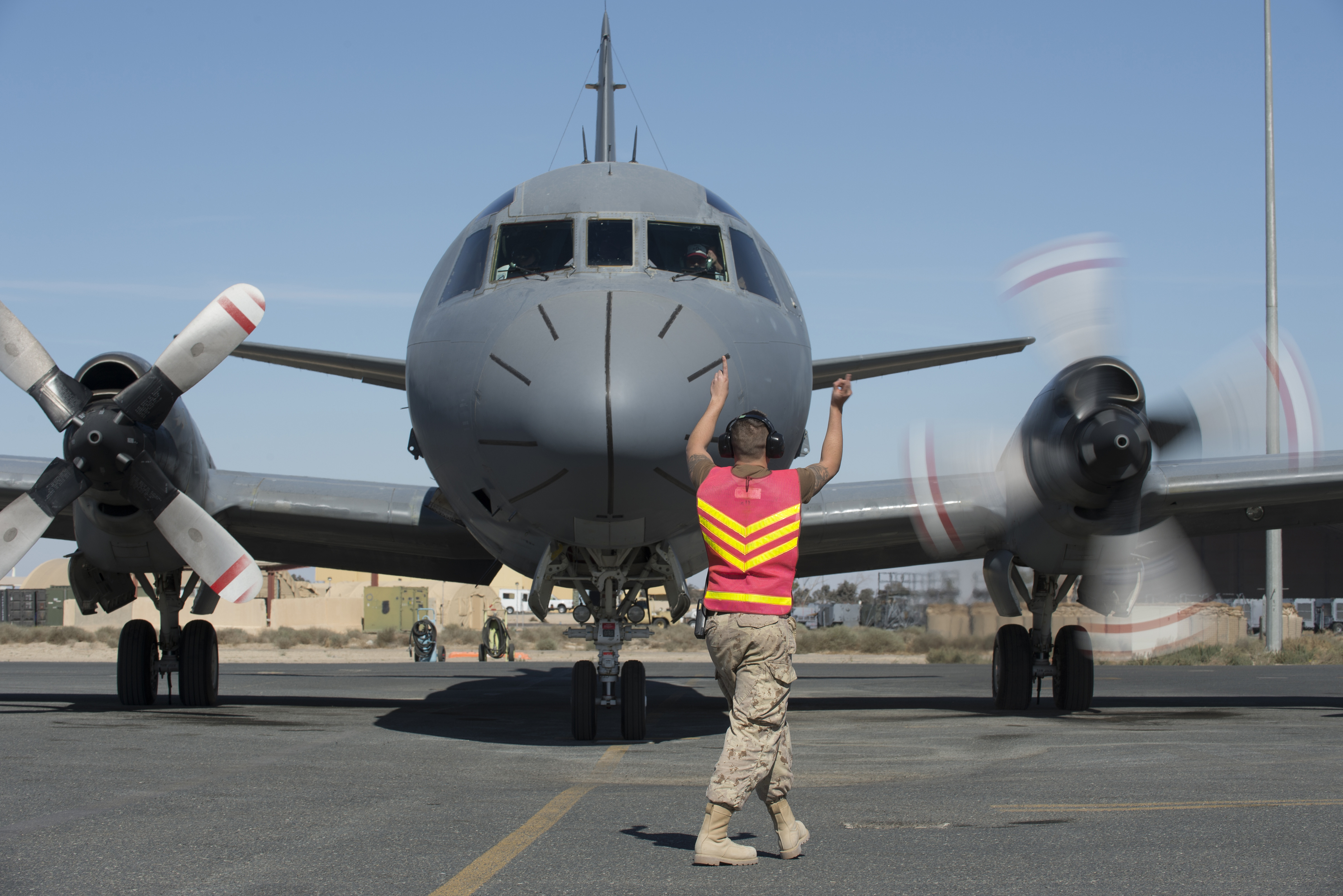
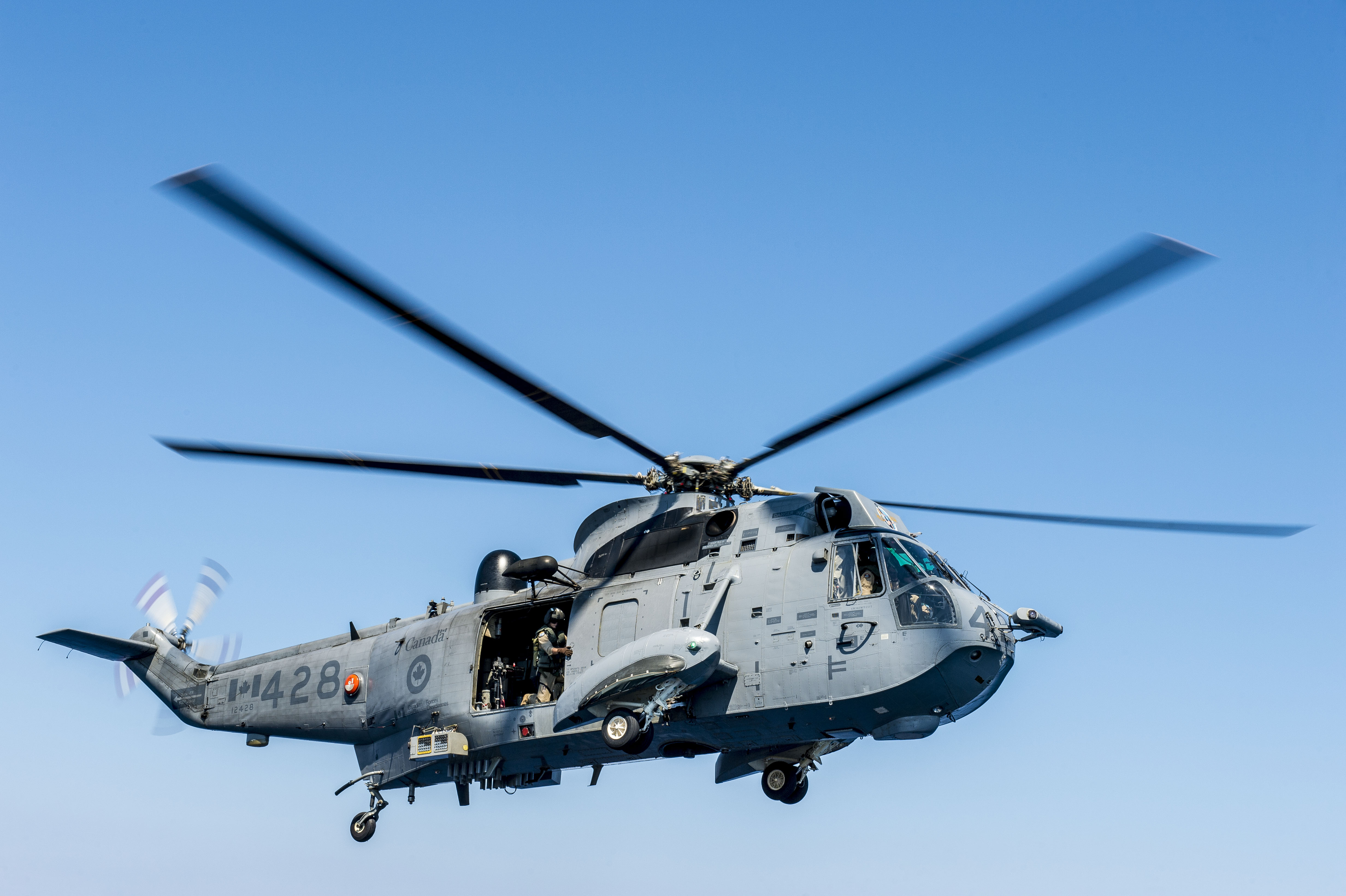
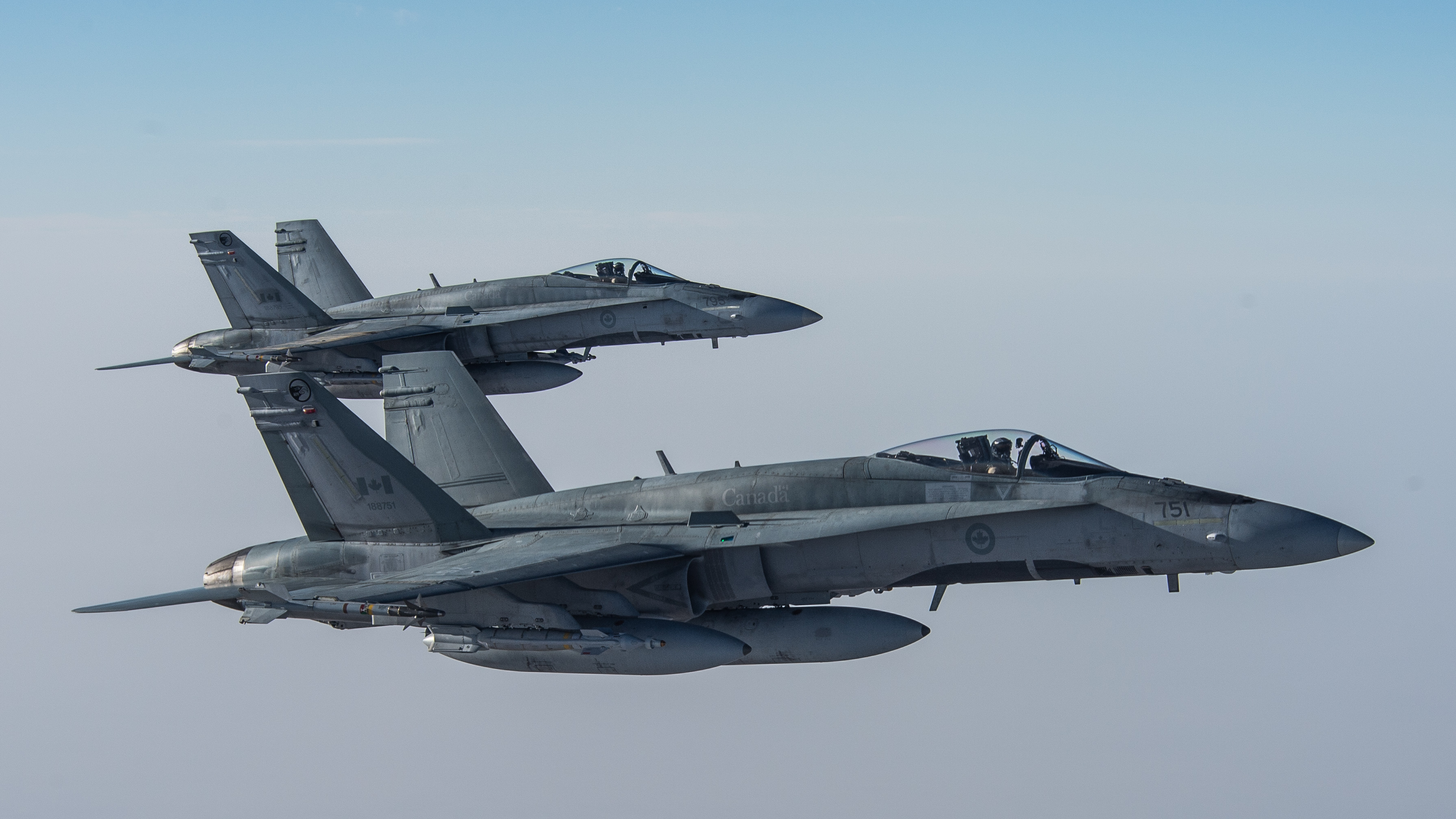
The Montreal native should know; after graduating with a degree in engineering physics, he has five flying tours on the CH-124 Sea King – which has been flying for more than 50 years in the Canadian Armed Forces – under his belt. And he knows all about life extensions in his current job, pointing to the fleet extensions of the CF-188 Hornet, the CP-140 Aurora and the CC-130 Hercules that have been carried out in recent years.
“If you invest enough money in an aircraft, you can keep it flying but at a certain point it will not be cost or operationally effective,” he says.
The estimated life expectancy is, therefore, all about knowing when that decision point is reached.