
Four new members for Canada’s Aviation Hall of Fame
News Article / January 13, 2015
From Canada’s Aviation Hall of Fame
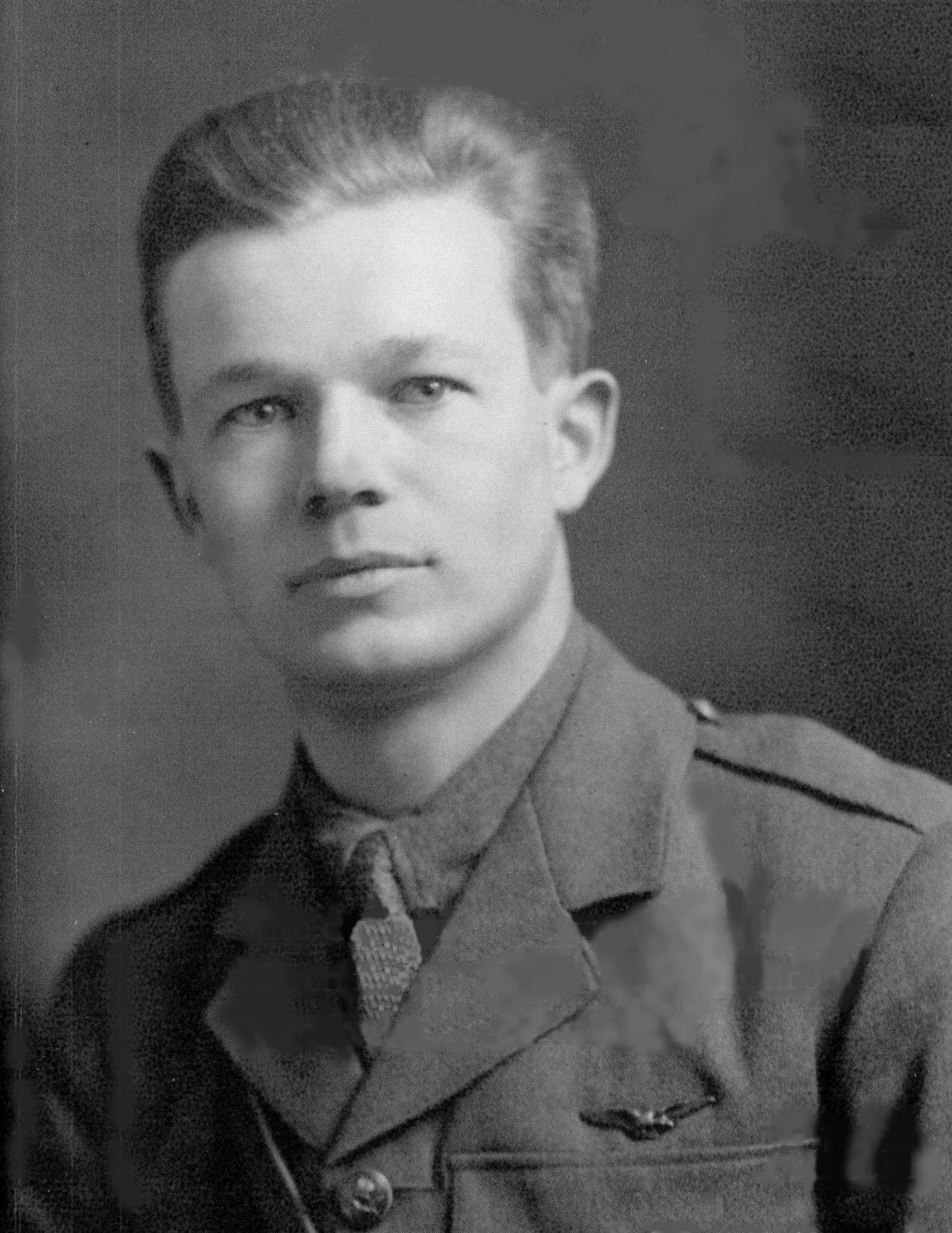
Among the 2015 inductees into Canada’s Aviation Hall of Fame (CAHF) will be Captain Arthur Roy Brown, DSC, the Canadian fighter pilot credited with shooting down Manfred von Richthoven – the “Red Baron” – during the First World War.
The four new members, as well as the 2015 recipient of the Belt of Orion Award for Excellence, will be inducted during the CAHF’s 42nd annual gala dinner and ceremony to be held Thursday, June 4, 2015, at the Skyservice Business Aviation Hangar, in Toronto. The annual black-tie event is a highlight in Canadian aviation celebration and draws attendance from across Canada.
The new members are:
- Arthur Roy Brown, DSC: First World War pilot and combat leader
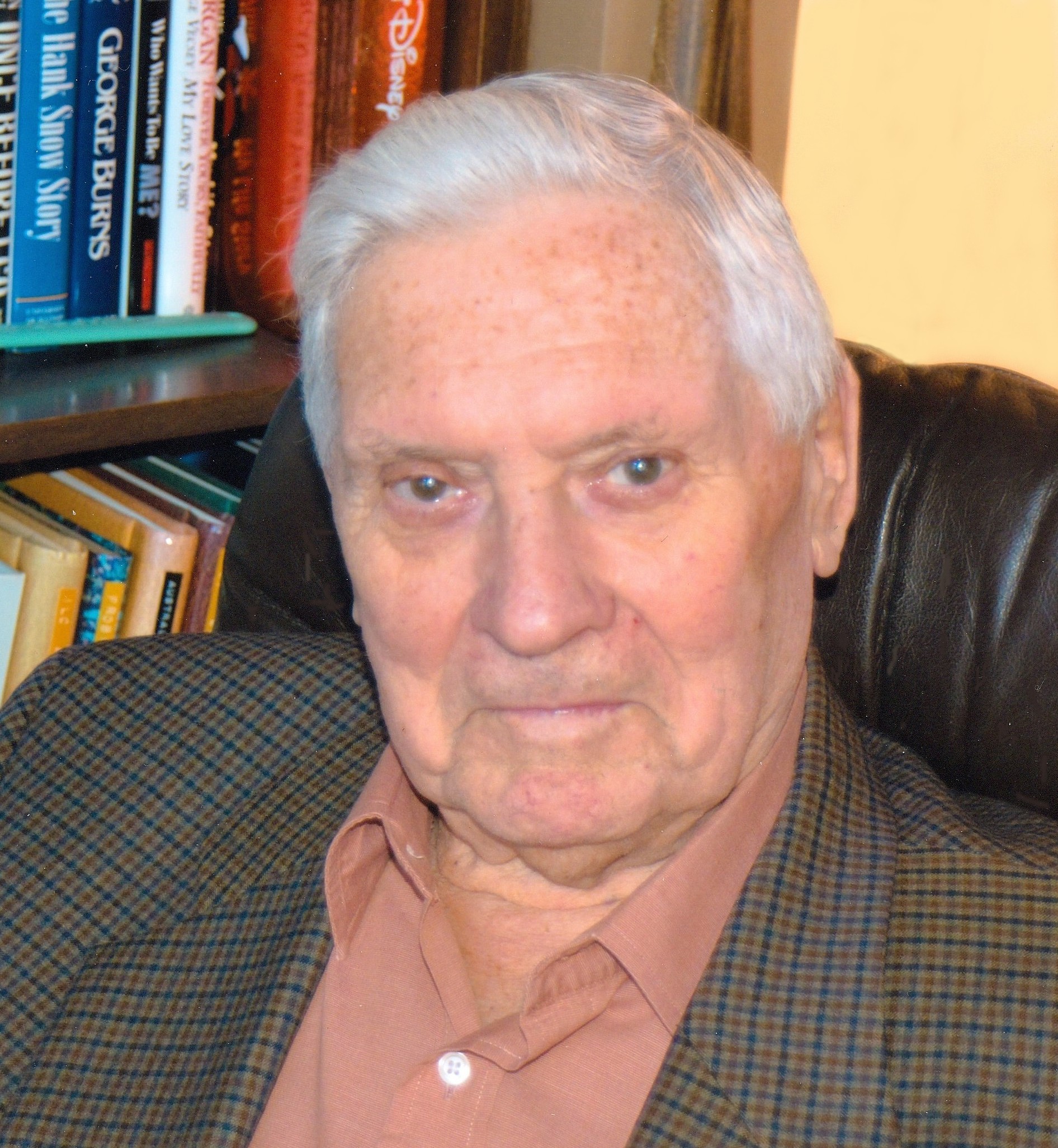
- James Stuart “Jim” McBride: Aviation entrepreneur
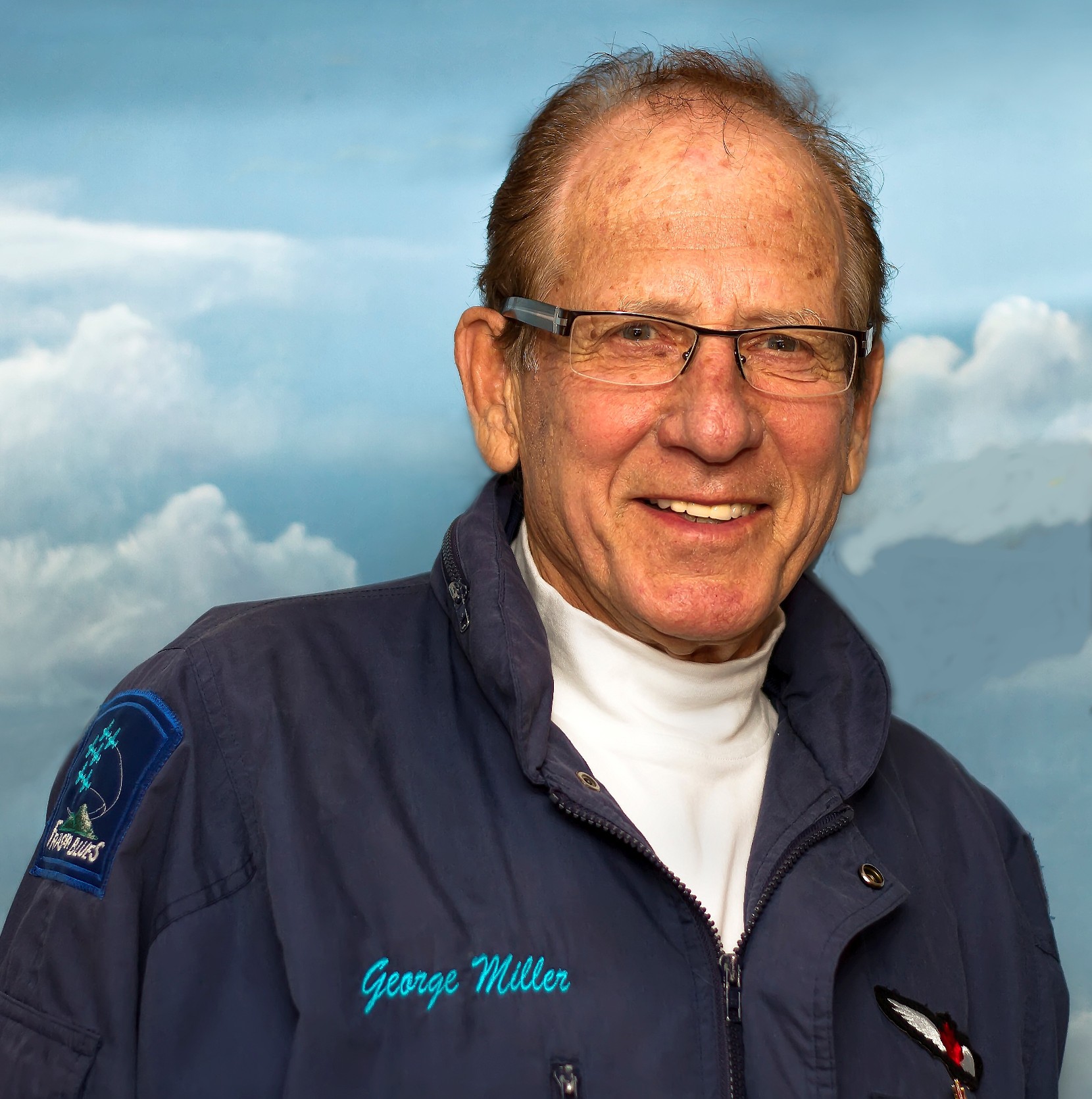
- George Miller, CD: Leader of the Snowbirds aerobatic team in 1973
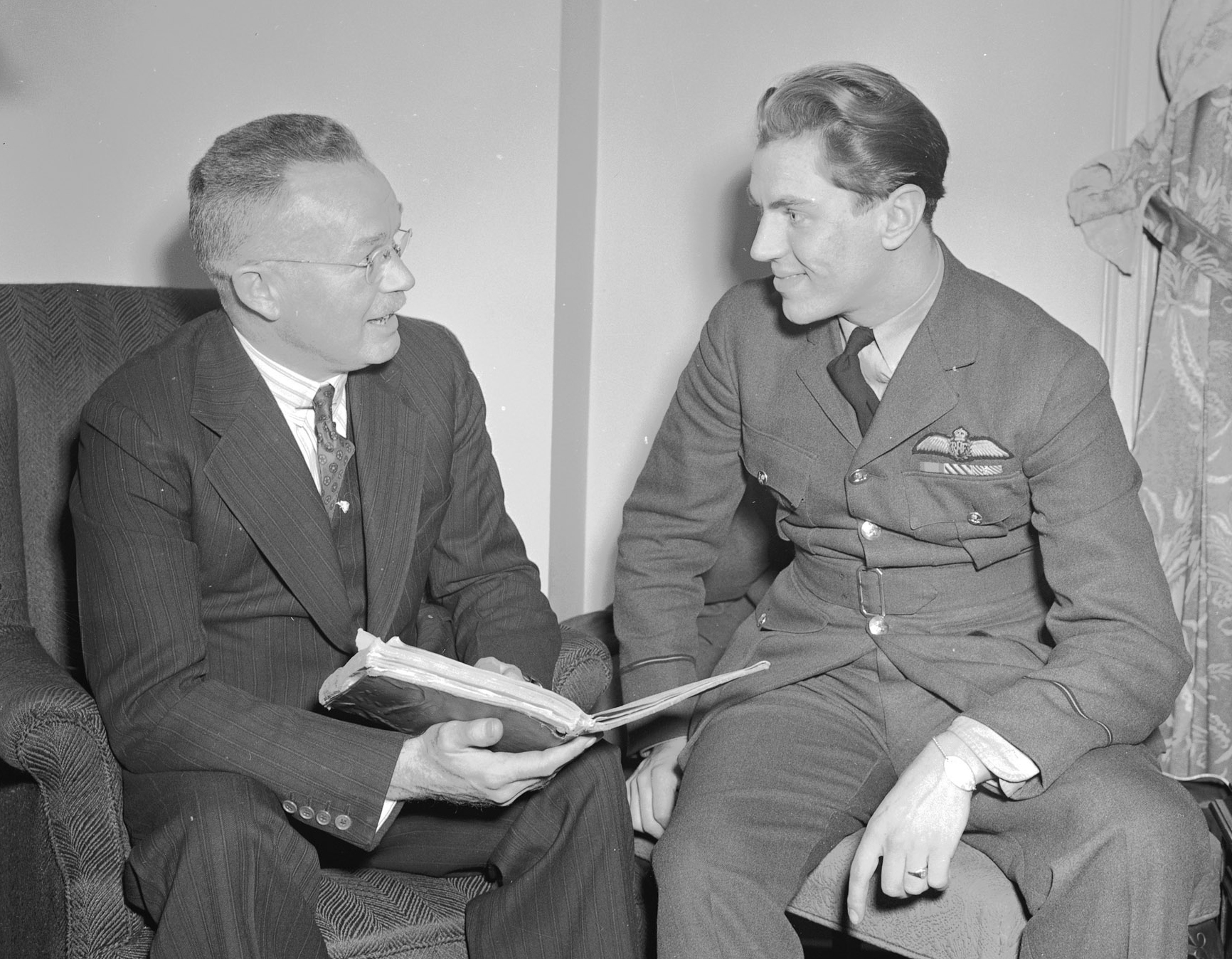
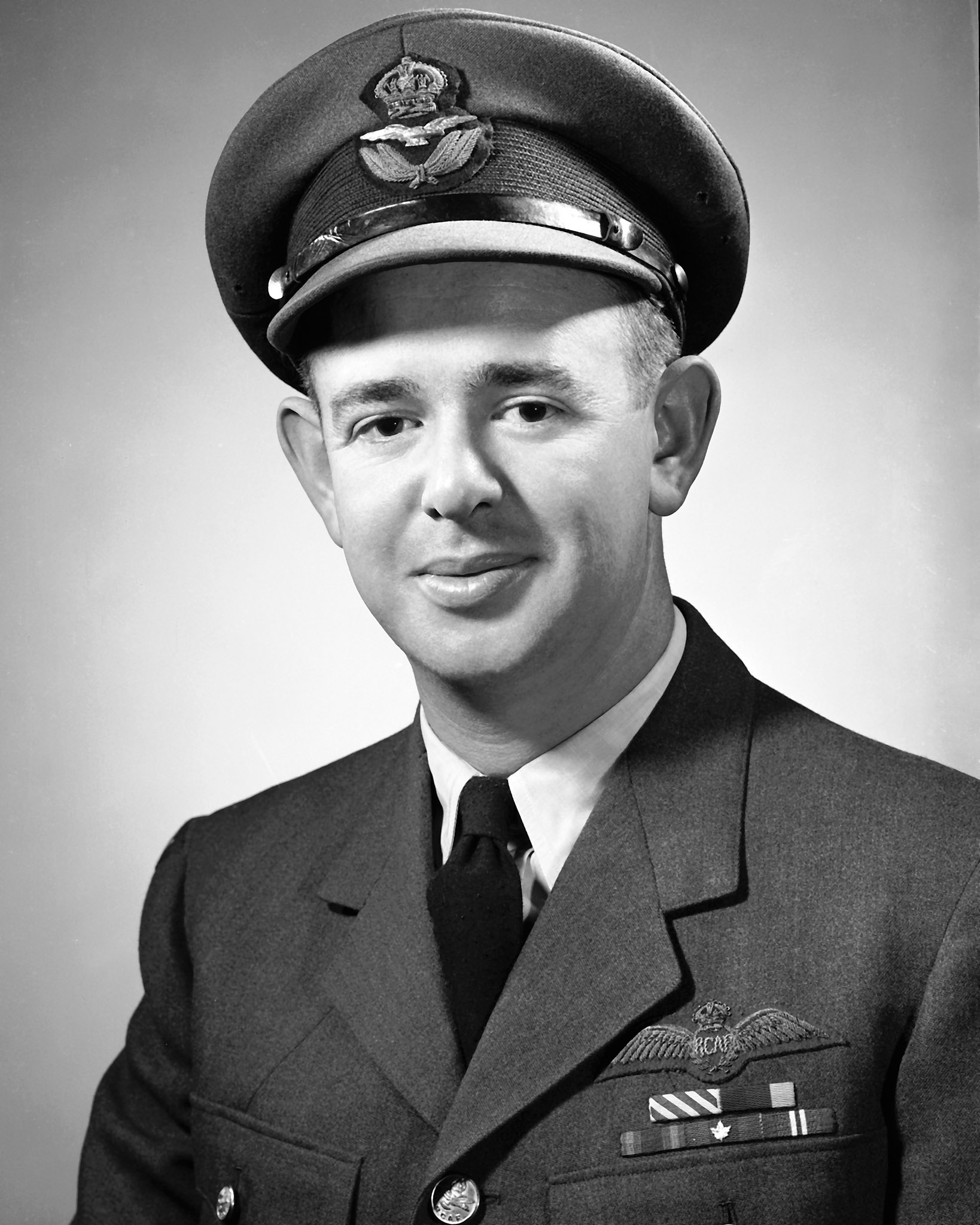
- Owen Bartley “O.B.” Philp, CM, DFC, CD: A military pilot and driving spirit behind the formation of the Snowbirds
The winner of the Belt of Orion Award is Aerovelo Inc., an innovative applied aeronautical engineering firm.
“The CAHF is proud to honour these four well-deserving individuals for their significant contributions to Canadian aviation and to Canada’s development as a nation,” said Mr. Jim Morrison, the chair of the CAHF board of directors.
“Our 2015 inductees come from backgrounds that span the width of Canada’s unique aviation industry. Aviation has brought Canadians together as a country, unlike any other form of transport. Our new inductees reflect that cohesion through their pioneering activities and spirit.”
Captain Arthur “Roy” Brown, DSC, is known to most Canadians for his decisive involvement in the epic action of April 21, 1918, that resulted in the death of Manfred von Richthofen – the “Red Baron”. Captain Brown had an outstanding record of service in the Royal Naval Air Service and the Royal Air Force. He was an outstanding combat leader who persevered on active duty despite poor health and injuries. He never lost a member of his flight because of the care he took in introducing newcomers onto operations. Postwar, his steadfast interest in flying led him to found a highly successful aviation company operating in northern Ontario and Quebec westward to Manitoba throughout the 1930s. In poor health and suffering the medical effects of his wartime crashes, he died at the young age of 50 in 1944.
From initial roots in the technical side of the Royal Canadian Air Force, James Stuart “Jim” McBride used his entrepreneurial talents to build successful franchises for the marketing of Piper aircraft and Hughes helicopters across Canada. From modest beginnings in the charter business supporting Manitoba Hydro in its major power projects in northern Manitoba, he went on to develop profitable and innovative air transport businesses culminating with the rescue and turnaround of the Winnipeg based regional carrier, Transair. Later he developed aircraft franchises and helicopter based charter operations in support of the resource industry in western Canada.
(Transair grew from the amalgamation of Arctic Wings and Central Northern Airways; one of the founders of Central Northern Airways was Roy Brown.)
Colonel George Miller, CD, combined several careers in Canada’s aviation world and his accomplishments have cemented his reputation as an outstanding leader. His 35 years of service in the Royal Canadian Air Force and Canadian Armed Forces were marked by many superlatives, chief amongst them his selection as the 1973 leader of the “Snowbirds” aerobatic team. Many of the signature elements of the current team’s identity and operational approach were implemented during his tenure – ranging from the nine aircraft formation to the team’s distinctive branding. His post-air force career included running airshows in Ottawa, the significant and sustained development of the Langley Regional Airport into a major part of the airport infrastructure of British Columbia and the leadership of a new formation team active in the Lower Mainland: the “Fraser Blues”.
Colonel Owen Bartley “O.B.” Philp, CM, DFC, CD, is widely acknowledged as the driving spirit behind the founding of the acclaimed “Snowbirds” air demonstration team, “O.B.” Philp was a revered and decorated air force leader. His wartime service included operational flying in both Europe and Burma. As base commander at CFB Moose Jaw, Saskatchewan, he created the nucleus of an aerial demonstration team for Canada that finally won official recognition as 431 Aerial Demonstration Squadron in 1978 – the Snowbirds. The International Council of Air Shows acknowledged him as the “Father of the Snowbirds” in 1984. He was made a Member of the Order of Canada in 1993 in recognition of his outstanding contribution to the military history of Canada. He died in 1995.
The winner of the Belt of Orion Award for Excellence is AeroVelo Inc. The company’s story is one of the most remarkable accomplishments of Canadian applied aeronautical engineering during the entire history of manned flight in this country. The team of researchers and engineers who make up AeroVelo were the first to accomplish two of the seminal feats of human powered flight: the first flight of a human-powered ornithopter in 2011 and the first flight of a human-powered helicopter in 2013. Both accomplishments have resulted in significant international and Canadian recognition. The flight of the human-powered ornithopter was certified as a “first” by the Fédération Aéronautique Internationale (FAI) and result in the awarding of the McKee Trophy in 2011. The human-powered helicopter flight won the coveted “Sikorsky” prize established for such an accomplishment by the American Helicopter Society 33 years ago plus a prestigious FAI award and the 2013 J.A.D. McCurdy Award from the Air Force Association of Canada.
| Decorations |
|---|
| CM |
| DSC |
| DFC Distinguished Flying Cross. Awarded for an act of valour, courage or devotion to duty performed while flying in active operations against the enemy. |
| CD Canadian Forces Decoration. Awarded for 12 years of untarnished military service. |