
Life through the eyes of a boatswain deployed on Op CARIBBE

Navy News / May 6, 2021
Note: The author of this article is not named for security reasons.
Being a boatswain deployed on Operation CARIBBE is one of the most interesting experiences any sailor can have in his or her naval career.
For Naval Reservists specifically, it marks a significant milestone since there are fewer opportunities for them to deploy compared to their Regular Force counterparts.
Op CARIBBE is Canada’s participation in U.S.-led enhanced counter-narcotics operations in the Caribbean Sea and the eastern Pacific Ocean. Under this operation, Canadian Armed Forces ships and aircraft deploy to the region on a rotational basis to support the U.S. mission to suppress trafficking in international waters.
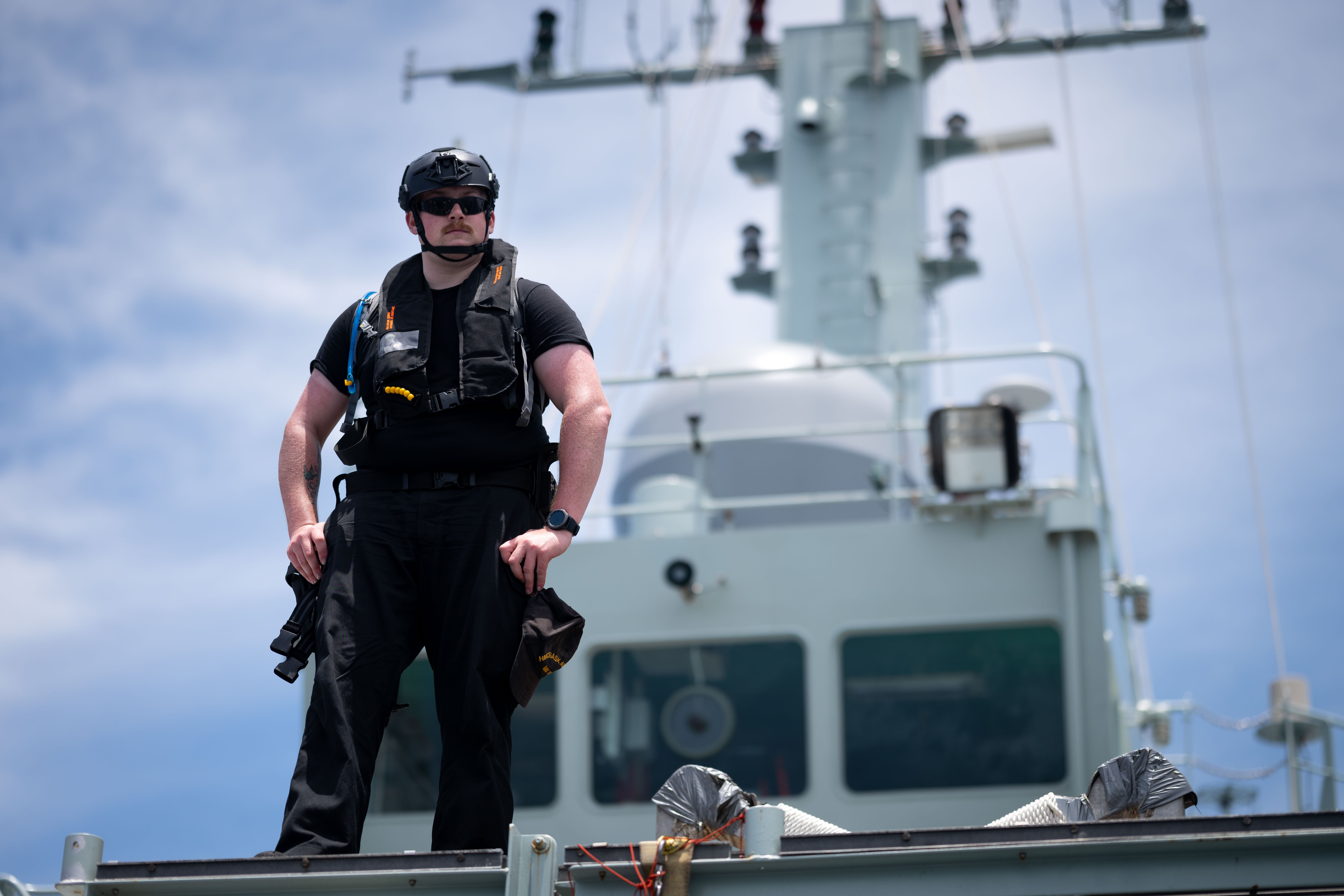
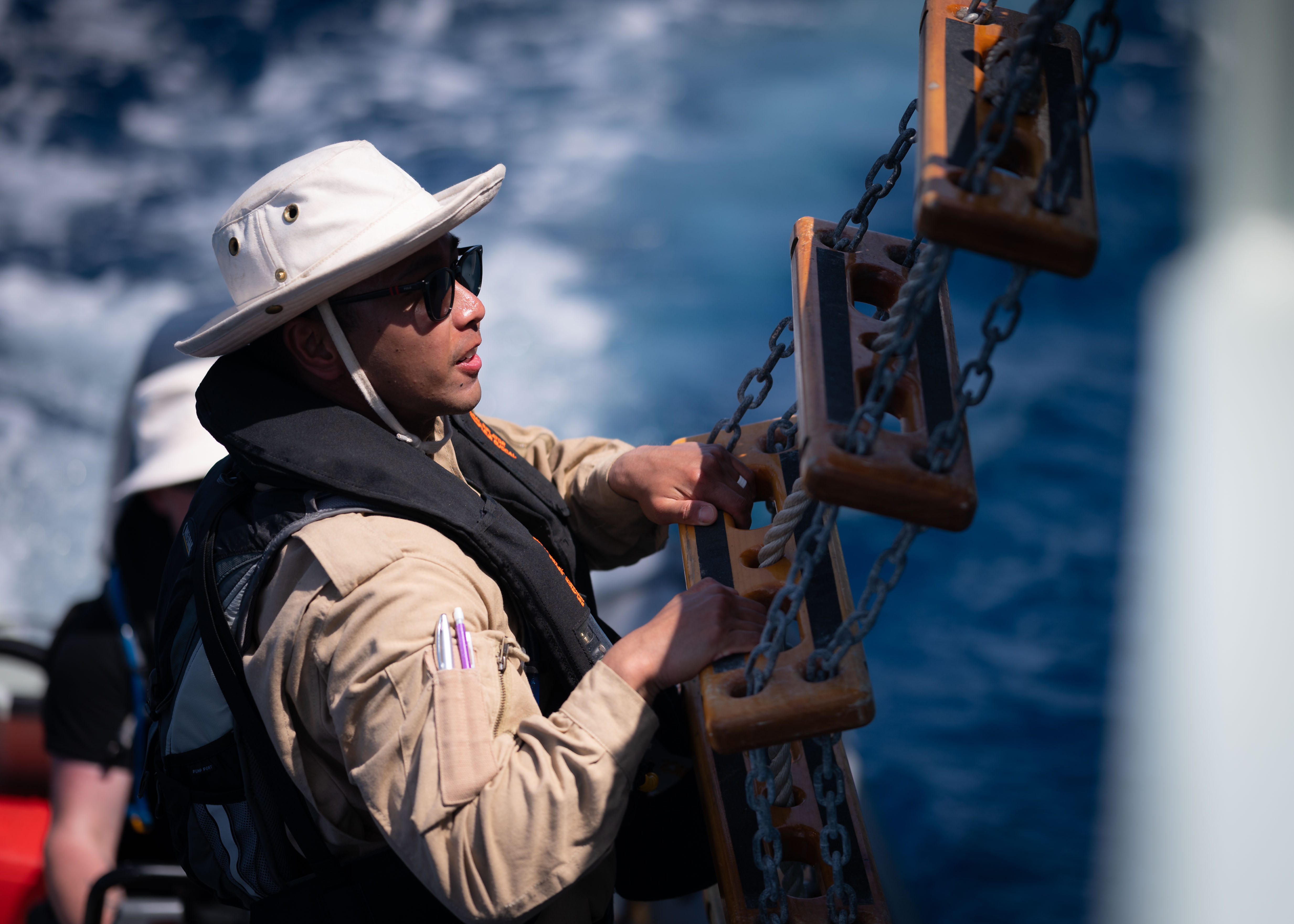
As a boatswain on board Her Majesty’s Canadian Ship (HMCS) Saskatoon deployed on Op CARIBBE, no two days are ever the same. Tasks widely vary on a day-to-day basis which ensures an interesting and stimulating experience. Whether you are in chilly Esquimalt, B.C., or sweating in the tropical heat of the eastern Pacific, boatswains must be able to adapt to different environments and situations.
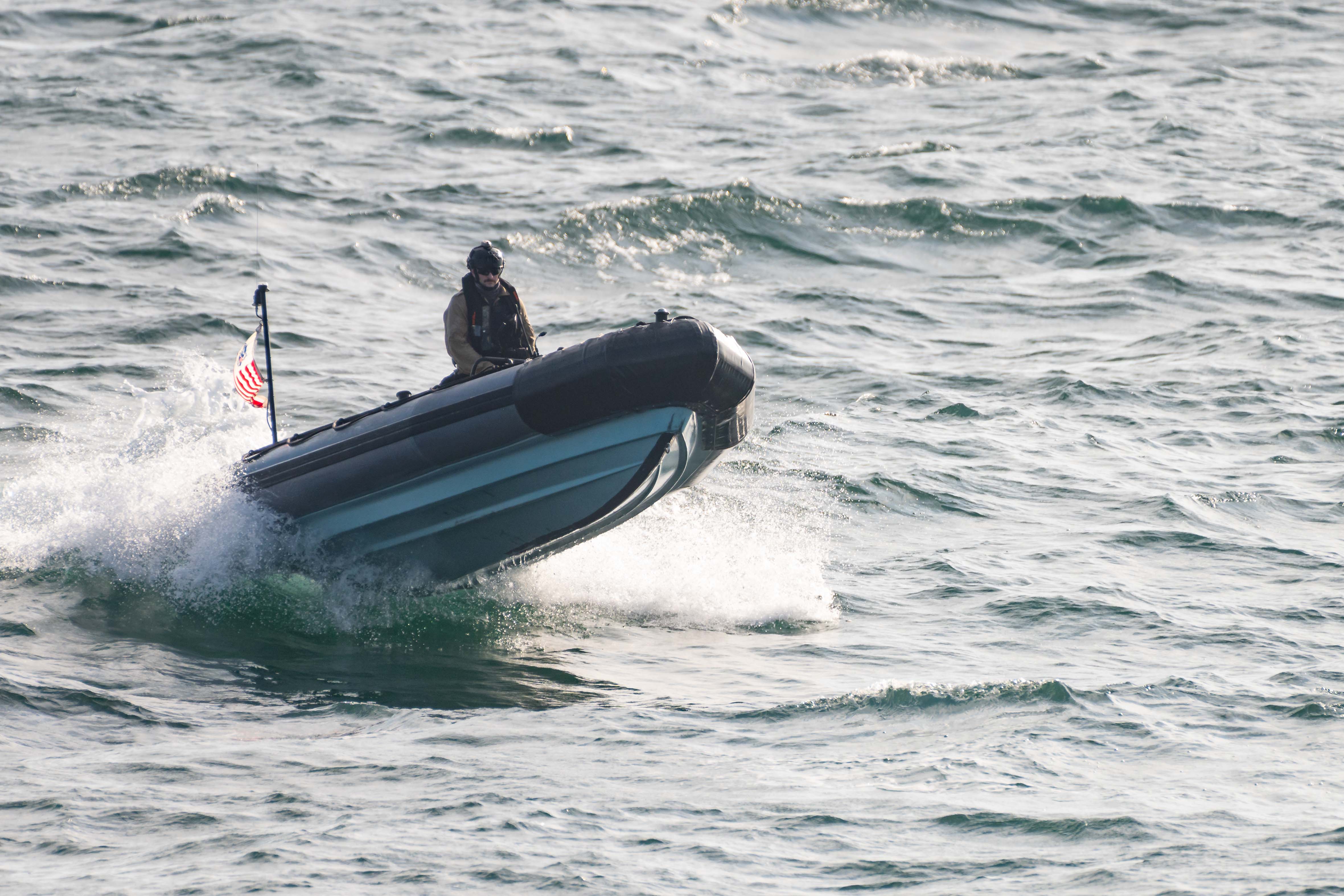
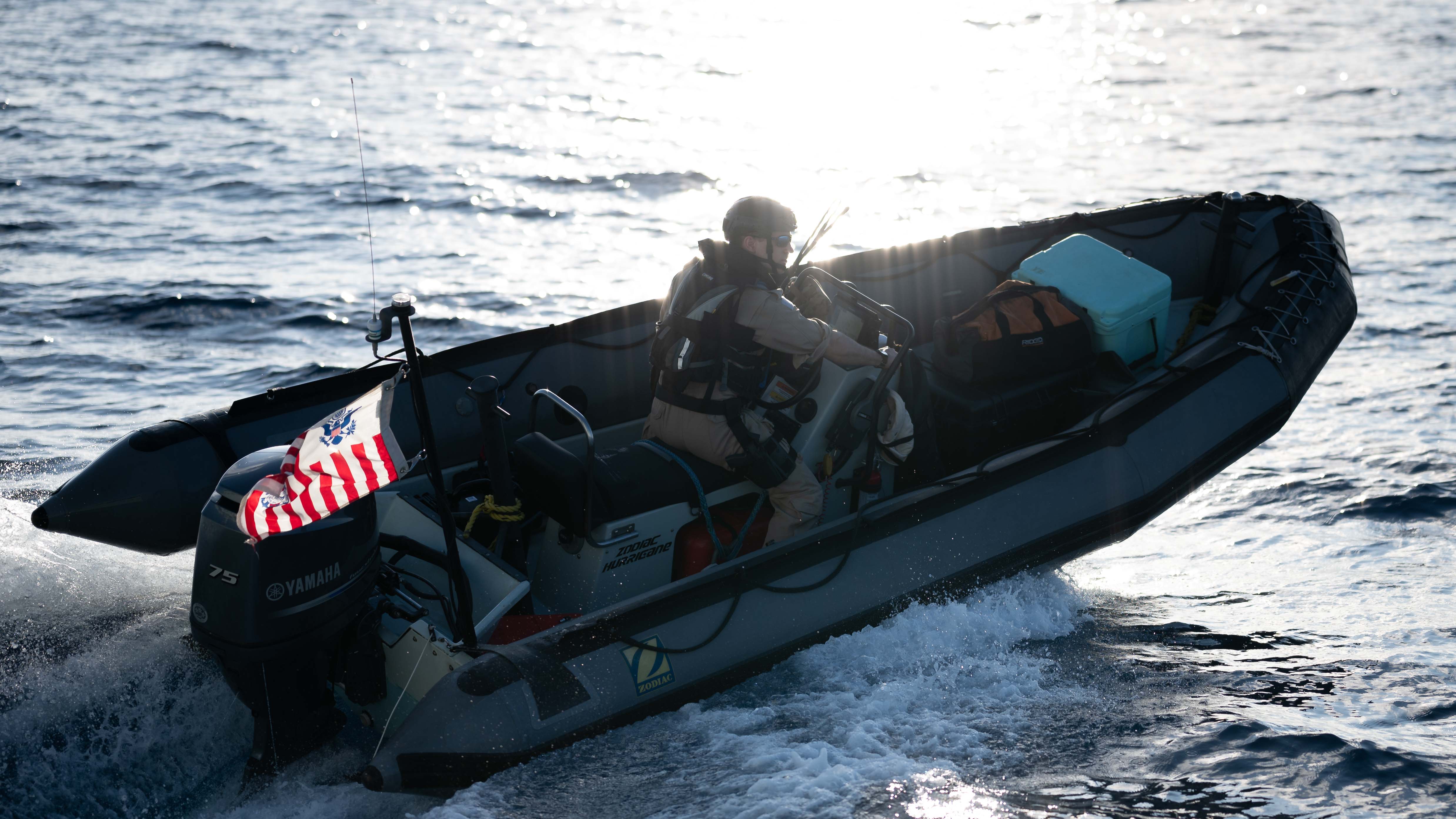
Driving boats is an integral part of the deployment. For boatswains, this is a chance to showcase all the boat driving skills learned from courses and training. The embarkation of a U.S. Coast Guard Law Enforcement Detachment (LEDET) gives boatswains the opportunity to display their boat driving skills on an international level.
The countless hours spent on performing drills such as sticking, maneuvering and station keeping all boil down to this important assessment. The only difference is that instead of an instructor assessing you from the boat shed’s jetty, it will be on the open ocean with LEDET members relying on your driving skills to execute the mission. If you happen to be one of the lucky ones to get selected, the joy of going full throttle and chasing a target of interest across the deep blue is one of the most rewarding experiences during the deployment.
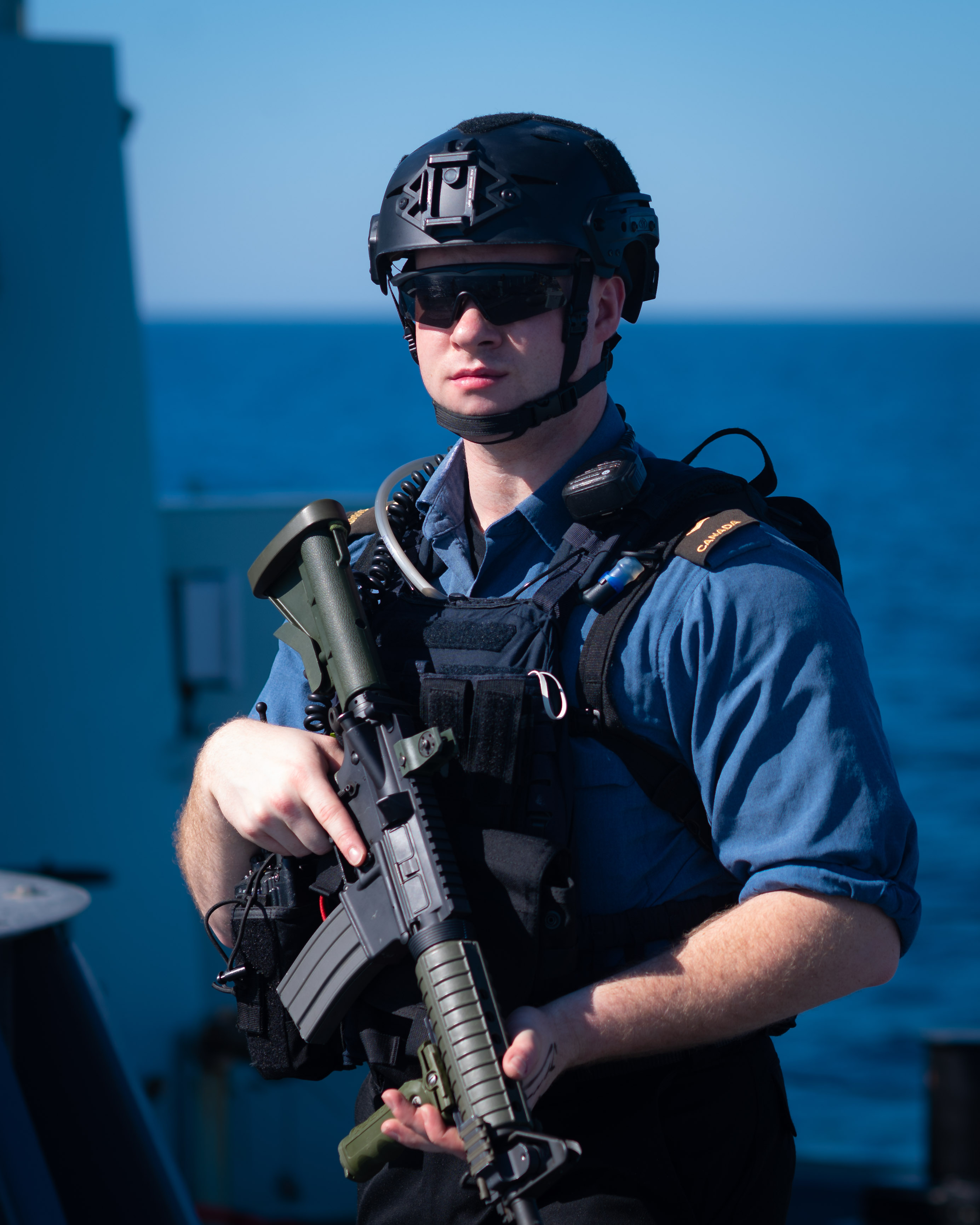
Weapons training is another part of the boatswain’s world – small arms shoots are a weekly occurrence on board HMCS Saskatoon while deployed.
Weapons handling is another key part of a boatswain’s training and proficiency is the name of the game. Firearms can vary from a 9mm pistol to a .50 calibre heavy machine gun. Each member of the deck department gets a chance to develop his or her weapon drills, accuracy and shooting techniques leading to great small arms proficiency. Small arms shooting also creates a chance for some sailors to pass on their knowledge by coaching other members of the ship’s company who want to participate in these shoots.
Demolition, although a rare occurrence, is another highlight for the deck department. Demolition training serials were conducted to help HMCS Saskatoon’s deck team prepare for any demolition tasks during Op CARIBBE.
HMCS Saskatoon was tasked twice to destroy a hazard to navigation and was able to apply its demolition capability. This was a historical milestone since it was the first time a Kingston-class ship successfully conducted a demolition operationally. There was a general consensus among members of the deck department that demolition, while labour intensive, was the coolest and most exciting thing they’ve ever done during the deployment.
As a boatswain deployed on Op CARIBBE, no two days are ever the same. Whether it’s getting ready for watch or preparing to intercept a target of interest, boatswains are always on the go. Cleaning stations, preventive maintenance and other routine tasks will always be outweighed by the excitement of driving boats and firing weapons.
Op CARIBBE is an opportunity for the deck department to shine and demonstrate rare capabilities like demolition. For any boatswains looking for their next great adventure, Op CARIBBE is a deployment you do not want to miss.