
MINERVA Industry Orientation Day: First impressions
Article / January 26, 2026 / National Defence
Ask any Canadian Army soldier who’s been serving on Operation REASSURANCE (Latvia) or Operation UNIFIER (Ukraine): Modern missions are tough. Soldiers face constant surveillance, drones, and long-range weapons—making every move risky. To stay ahead, they need tools that help them see farther, move smarter, and survive longer.
That’s where the MINERVA Initiative comes in. It’s all about getting uncrewed systems—land, air, and water drones—into soldiers’ hands fast. These systems can scout, deliver supplies, and even strike when needed.
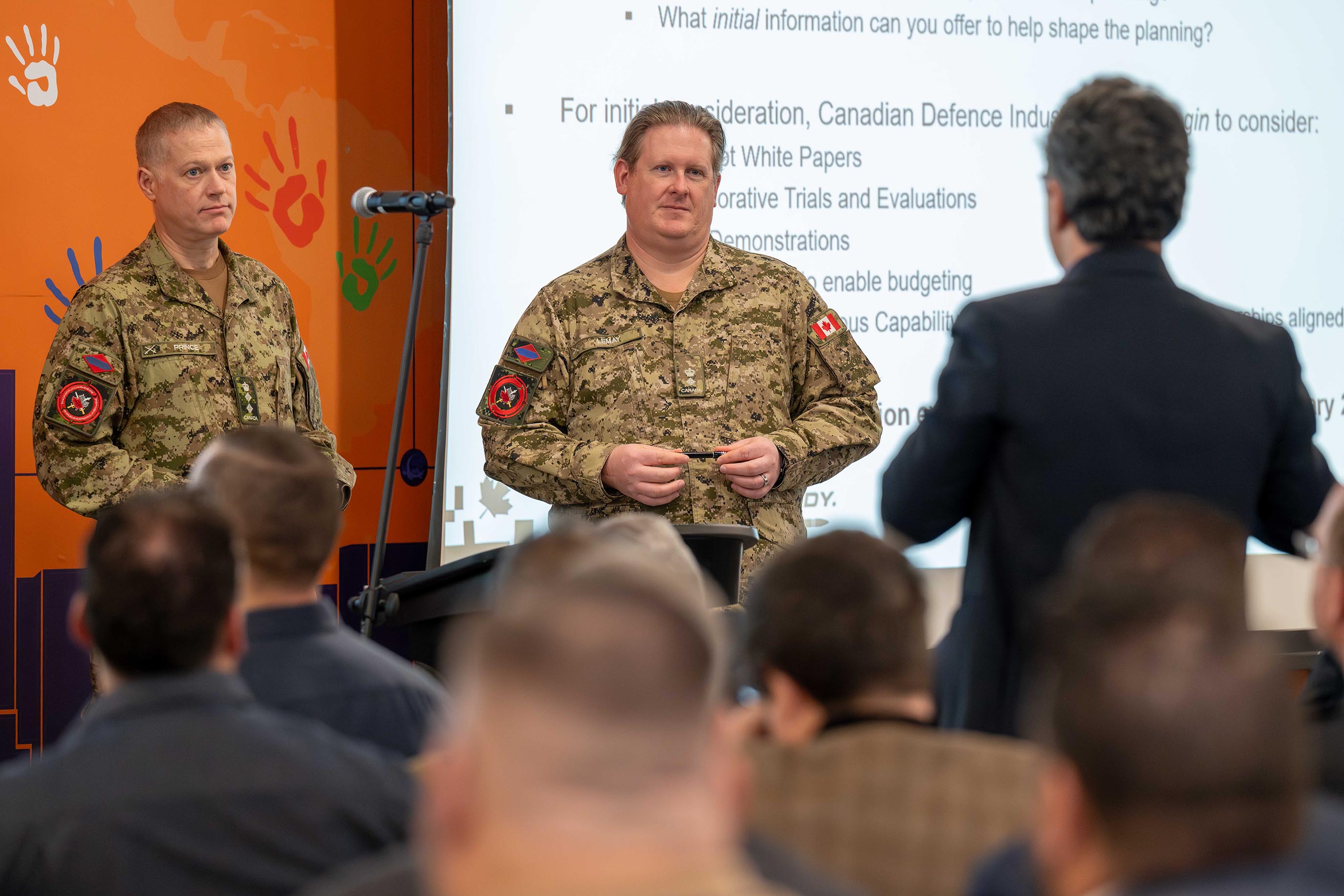
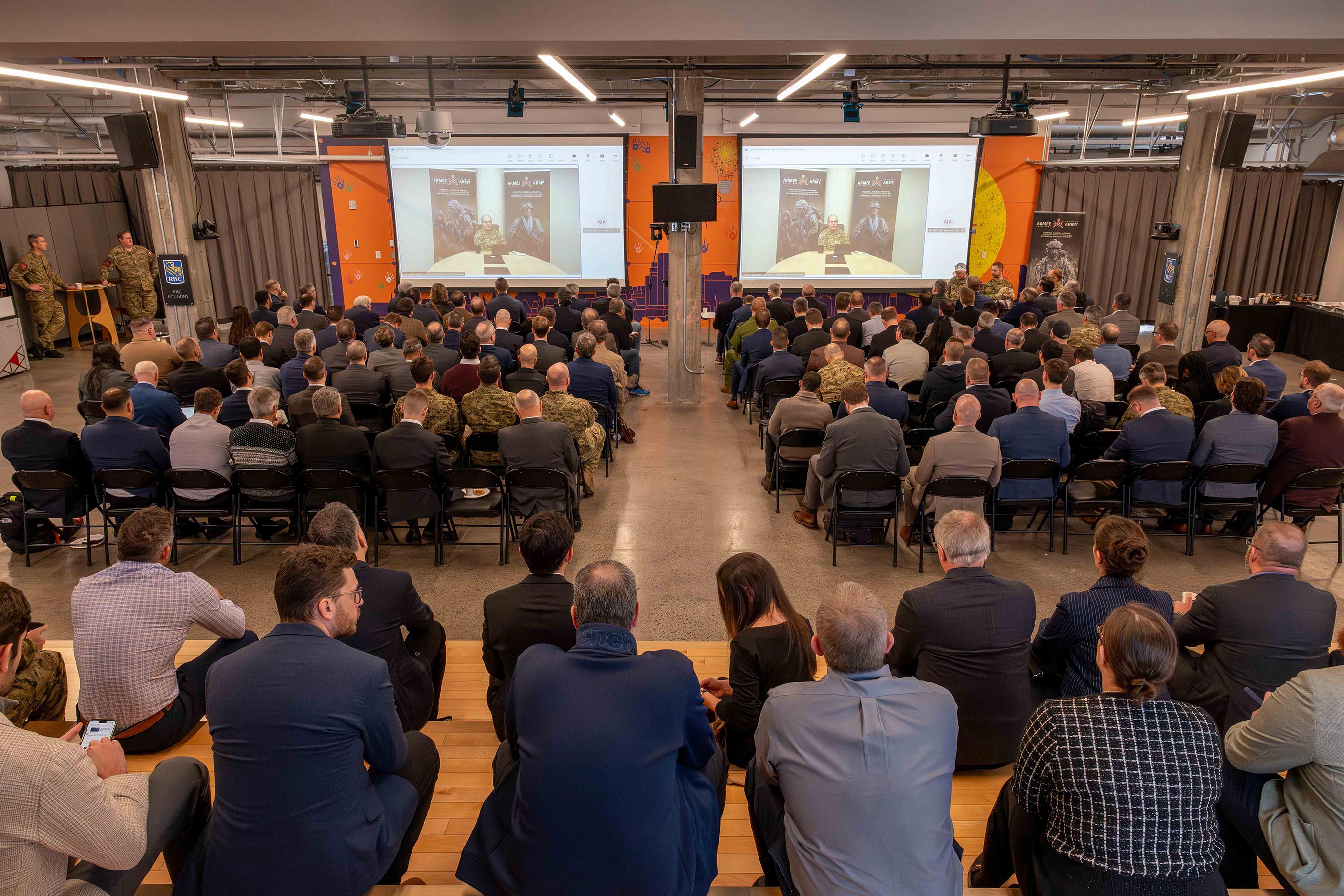
How? By working directly with Canadian industry to tap into rapid tech advances and deliver solutions quickly without bypassing the procurement process. At the Industry Orientation Day in December 2025, Army leaders LCol Cory Durant, Section Head for Air Defence and Surveillance and Reconnaissance Systems at the Directorate Land Requirements and LCol D’Arcy Lemay, Head of Experimentation at the Land Warfare Centre, shared how MINERVA will make this happen—because in today’s battlespace, speed and innovation aren’t optional.
Who was the intended audience for your inaugural event?
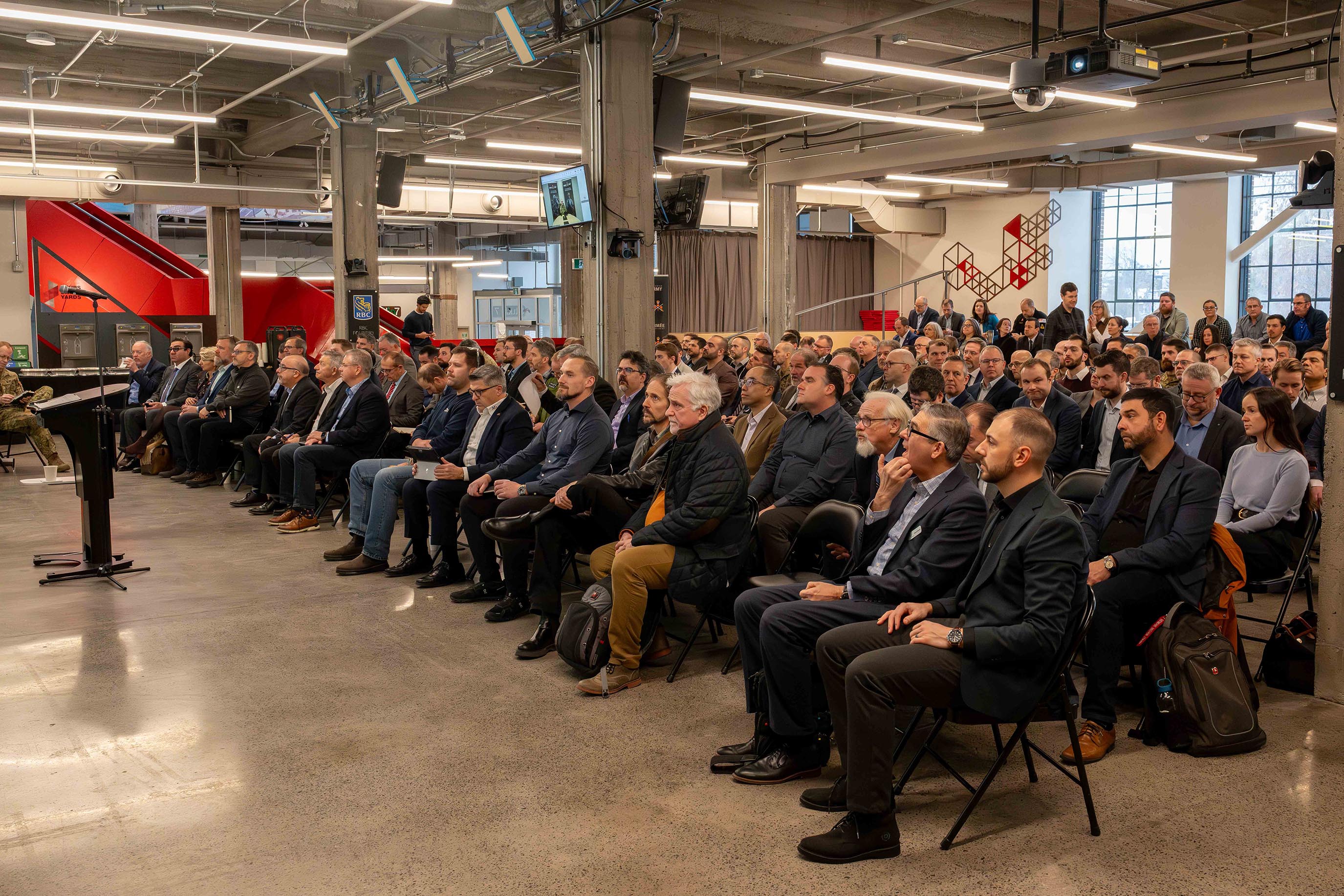
LCol Durant: We partnered with the Canadian Association of Defence and Security Industries (CADSI) to host this first industry orientation event. Their team knows how to deliver these engagements, and they helped us reach a broad mix of companies—including many small and medium sized enterprises.
What kind of feedback did you receive?
LCol Durant: The response was very positive. We’ve always wanted to engage with industry earlier, and participants confirmed that this approach is the right one. The Industry Orientation Day really helped raise awareness about where the Army is headed with uncrewed systems.
LCol Lemay: There was strong interest at the December event, and even more organizations—from industry and government departments—have reached out since. That’s encouraging, and we need to keep that momentum going.
What went well? What could have been improved?
LCol Durant: Overall, the feedback showed we’re on the right track in terms of collaboration. We received some great suggestions, which we’ll incorporate. One challenge was engaging early without having all the answers—something new for us since the Army usually likes to be fully buttoned-up. But MINERVA is about thinking outside the traditional box, and that means embracing a broader audience and some uncertainty.
LCol Lemay: A big win was the networking time we built in. It brought together future operators, procurement, and scientific communities for meaningful discussions. What could improve? Making it clearer who’s who to help spark those impromptu connections.
Why is that important at this stage?
LCol Durant:
Traditional procurement is linear, with predictable outcomes. MINERVA is different—it’s about exploring concepts, not following a business-as-usual process. That allowed us to open the conversation wide.
It’s been encouraging to see senior leadership driving this change, backing it with both mandate and funding. We’ve always known the Ends—integrating General Purpose Uncrewed Systems (GPUS) across the Army. Now we have the Means—operators working directly with industry experts. The challenge ahead is defining the Ways, and that’s what MINERVA will tackle over the next few years.
What came as a surprise at this first engagement?
LCol Durant: The biggest surprise was seeing the start of a true whole-of-government effort. Partners from PSPC, ISED, NRC, DRDC, and our CAF colleagues were front and centre at Industry Orientation Day, ready to tackle uncrewed systems in a flexible, collaborative way.
It’s clear we all recognize the value this initiative brings over the next few years. Internally, this needs to stay top of mind—from individual soldiers to Commanding Officers and above—because understanding the problem and planning at every level is critical.
What are some broader challenges in acquiring drones for the Army?
LCol Lemay: A big challenge is setting clear rules and standards for experimentation, development, and operations. This includes addressing vendor supply chains and cybersecurity, measuring resilience and adaptability, and even getting flight or driving permits where policies need to evolve. Specifically, this isn’t a simple “buy and deploy” process—the systems and how we use them will need constant adaptation, with feedback loops to vendors to mature the next generation.
LCol Durant: Everyone across the Canadian Armed Forces wants drone, but no single user group has the responsibility for developing them in terms of tactics, scaling, etc. As the Army Commander said, he wants to “flood the Army with drones.” For now, this initiative is the best way to meet that need and deliver real results for soldiers at the tactical level.
What’s next for MINERVA?
LCol Lemay: In early 2026, there will be more focused working groups with industry. We also want to broaden the audience and improve media engagement, so the public understands why this matters. There’s a real opportunity for Canadian industry to help develop a key Army capability.
LCol Durant: We'll also review the concept of operations from those initial groups and refine both operational and technical requirements. This will help the Army explain how the capabilities of GPUS can be employed, and allow industry to share technical needs, limitations, and opportunities.
We’ll also assign resources. We’ll prioritize which uncrewed systems to explore, identify government partners for acquisition, and designate Army leads. Once those linkages are formalized, we can move to numbers, costs, and quantities.
Image Gallery
Caption
MINERVA Industry Orientation Day: First impressions