
Seen and unseen: Brain injury awareness in the CAF
June 1, 2026 – Defence Stories
Estimated read time – 2:02
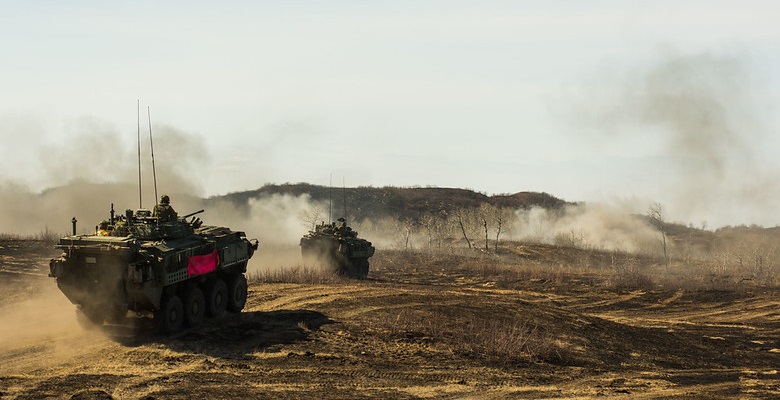
Caption
Members from 1st Battalion, Princess Patricia's Canadian Light Infantry and tanks from Lord Strathcona’s Horse (Royal Canadian), conduct a platoon attack for their level 3 live fire training scenario during Exercise ORNERY RAM at 3rd Canadian Division Support Base Garrison training area in Wainright, Alberta, April 9, 2019.
Photo: Private Daniel Chiasson
Every brain injury has a story—a before and after moment—a journey that deserves to be seen. Brain injuries do not just happen on the battlefield, they can take place on the ski hill or the ice, because of a car accident or a slip and fall, or during military training. They all share a common thread: someone who is carrying an injury that is often unseen, but has an impact that is anything but invisible.
June is Brain Injury Awareness Month in Canada; an opportunity to learn, share our stories, and offer support for our peers who may be living with a brain injury. It is also a chance to honour those who have lost their lives due to brain injury, and the caregivers left behind.
Brain injuries among CAF members
The majority of Canadian Armed Forces (CAF) personnel experience a brain injury for similar reasons as the general public: sports and motor vehicle accidents, with 50 per cent of CAF injuries occurring during sports and physical activity. However, CAF members returning from combat operations are also at risk of various degrees of brain trauma from combat injuries such as loud noises, flying debris, and blast exposures (single large blasts or a series of smaller blasts). Studies show that brain trauma resulting from blast injuries is different from sport concussions, and ongoing research is discovering how blast overexposure affects the brain differently.
To best protect yourself, be sure to follow all recommended safety precautions when driving, exercising (i.e. wearing a properly fitted helmet), and anywhere else you may encounter dangerous situations. Even though helmets have not been shown to prevent concussions, they continue to be an important piece of protective equipment. When properly worn, helmets are very effective at preventing cuts to the scalp, brain bleeds, and skull fractures– damage that can be permanent and disabling. A range of physical and mental health resources are available to CAF members who have experienced a brain injury, and support is available for affected personnel and their families.
Critical research on brain injury and recovery
The Canadian Institute for Military and Veteran Health Research (CIMVHR) supports research that improves clinical understanding and treatment of conditions such as post-traumatic stress disorder (PTSD) and traumatic brain injury (TBI), while also exploring preventive strategies to promote resilience and operational readiness.
Recently, as part of their Beyond the Battlefield series, CIMVHR featured a compelling panel discussion bridging brain injury research, practice, and lived experience featuring:
- brain injury survivor Capt (ret'd) Trevor Greene;
- CAF veteran and Veterans Affairs Canada Chief Medical Officer Dr. Cyd Courchesne;
- LCol (ret'd) Dr. Marcus Beseman, Head of Beechwood Physical Medicine, M.D.; and
- Canadian Association of Mental Health Researcher Isabelle Boileau.
Beyond the Battlefield episode 2 on Traumatic Brain Injury and Recovery is available now (available in English with French subtitles).
If you or someone you know is struggling, support is available: Wellness, inclusion and diversity at National Defence.