
Returning to the Walk of the World: Canadian Armed Forces prepares for Nijmegen
July 14, 2026 – Defence Stories
Estimated read time: 2:03
Image gallery
By Captain Ryan Harding
For months, Canadian Armed Forces (CAF) members stationed across Europe have spent evenings and weekends preparing for one of the world's most demanding military endurance events, the International Four Days Marches Nijmegen in the Netherlands.
Known as the "Walk of the World," the Nijmegen Marches began in 1909 as a military readiness event and have grown into the world's largest multi-day walking event. Every July, more than 45,000 participants from over 70 countries, including thousands of military personnel, march up to 40 kilometres each day for four consecutive days.
Following several years without a formal CAF contingent, Canadian participation resumed in 2025 under Formation Europe. Building on that success, a larger contingent was assembled in 2026 with the goal of sending three military teams from CAF personnel across Europe.
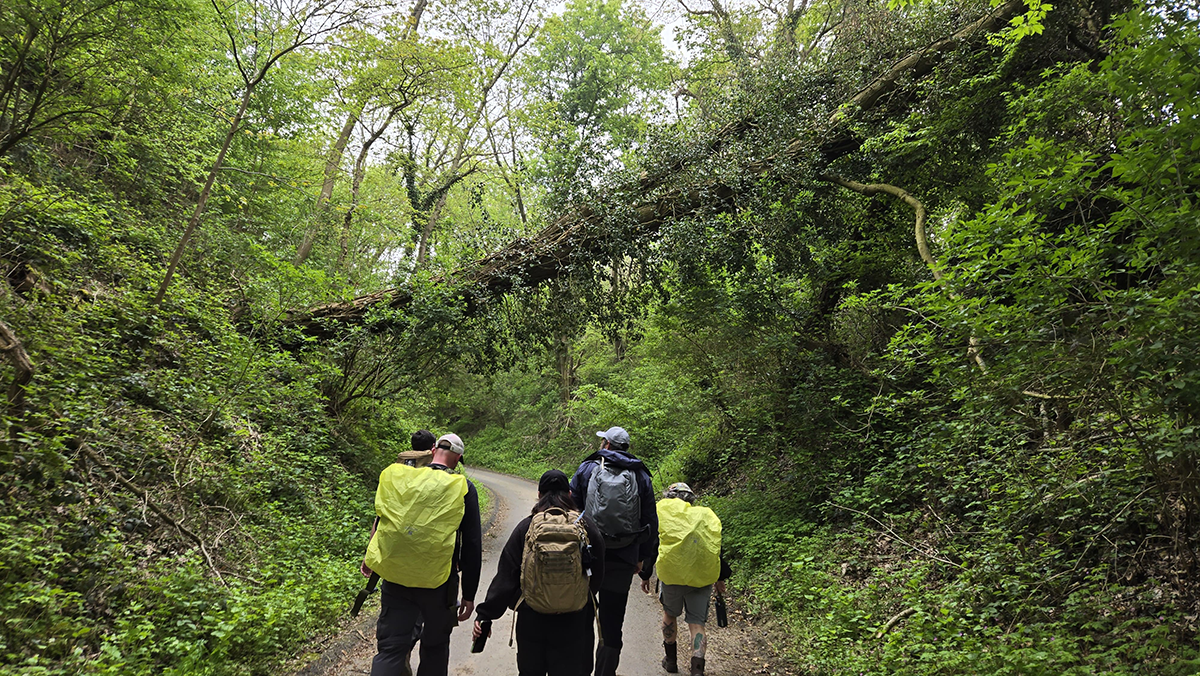
Approximately 65 CAF members entered the training program, balancing demanding operational commitments with an extensive physical preparation plan. Every participant was required to complete at least 500 kilometres of loaded marching before July. For many, this meant spending countless hours completing training marches alone during evenings and weekends.
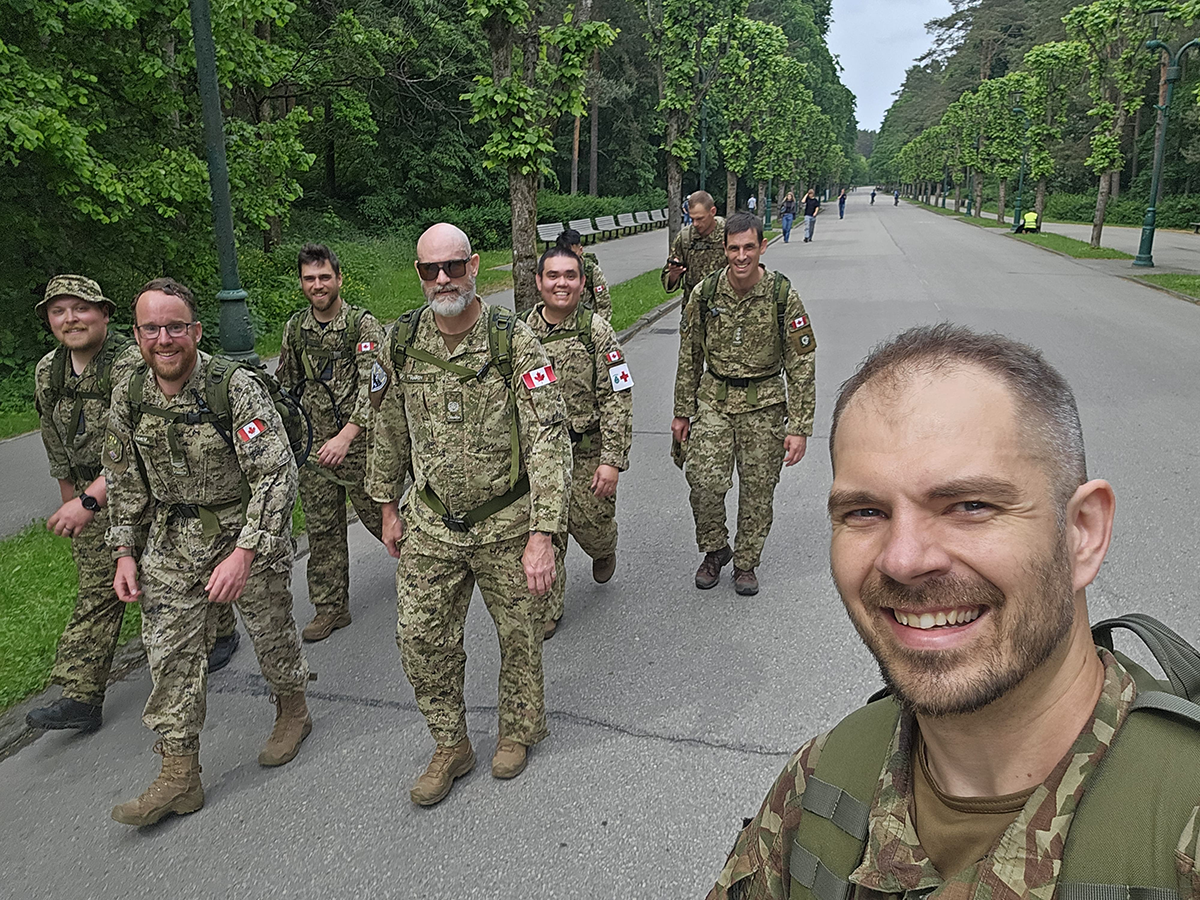
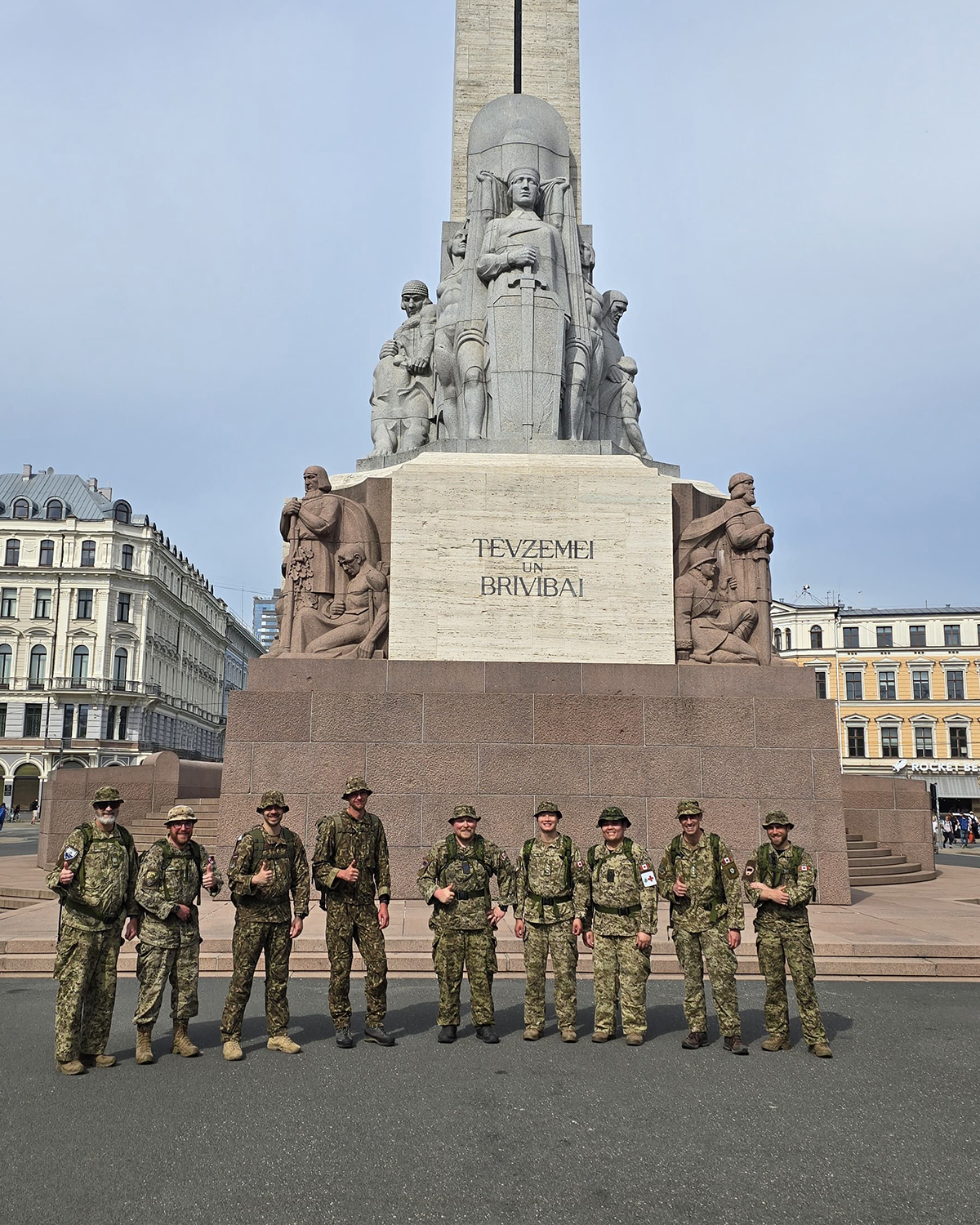
Thousands of collective training kilometres, shared virtual check-ins, and mutual encouragement built a cohesive team long before the contingent assembled in person. As the summer approached, operational commitments, injuries, and other competing priorities reduced the contingent to 45 members. Personnel from Task Force Latvia, unable to travel to Luxembourg because of operational requirements, successfully completed the mandatory two-day, 40-kilometre validation march in Latvia.
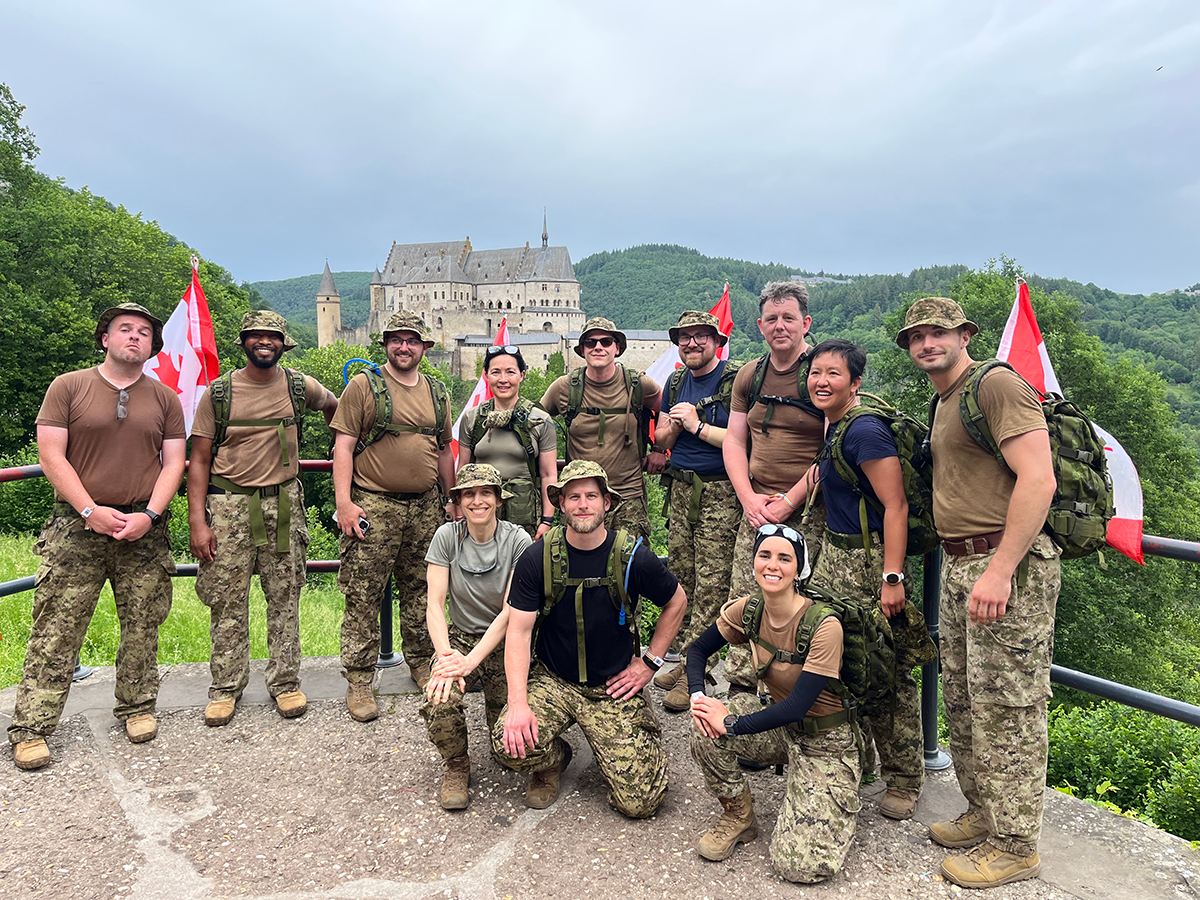
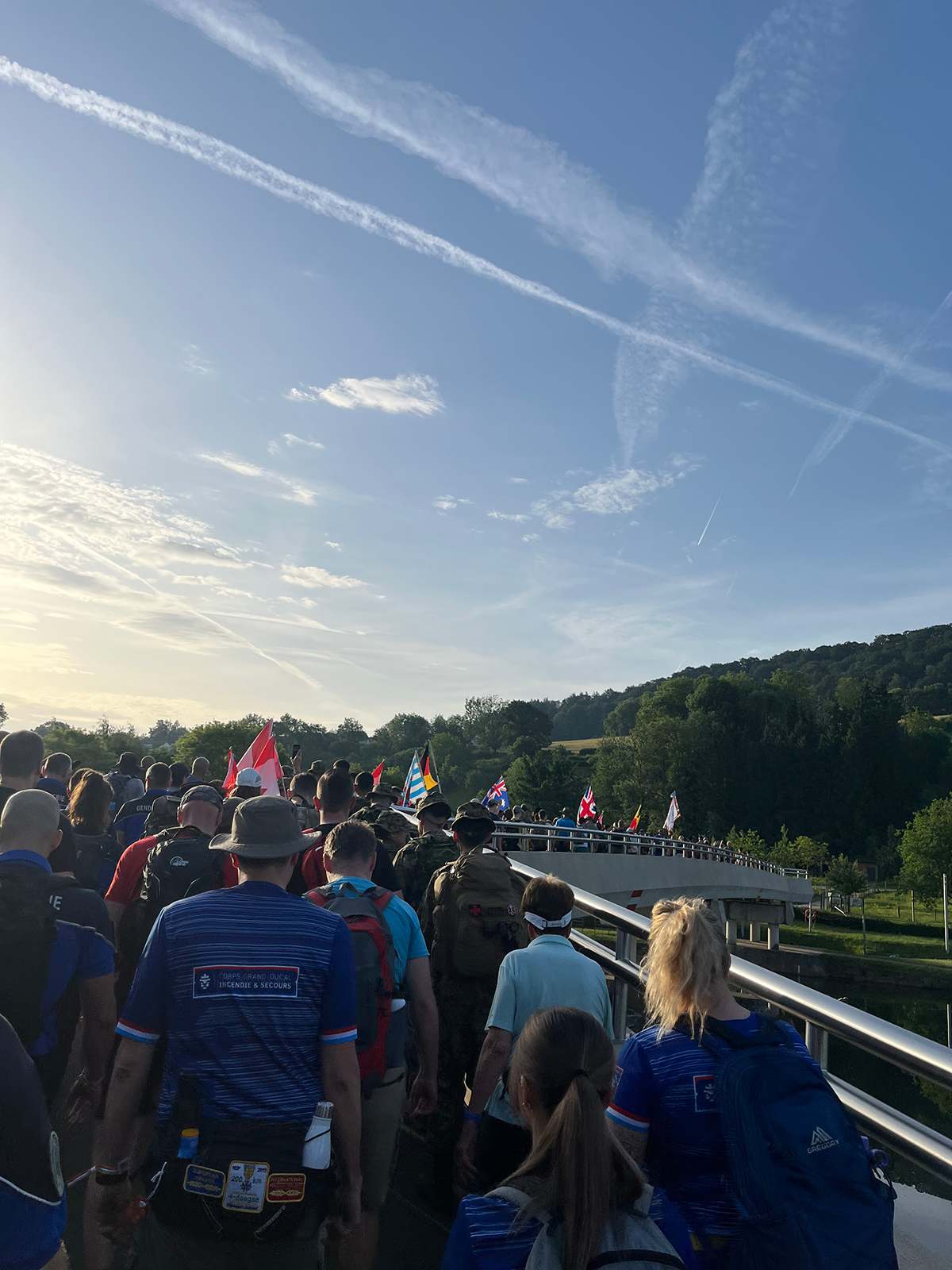
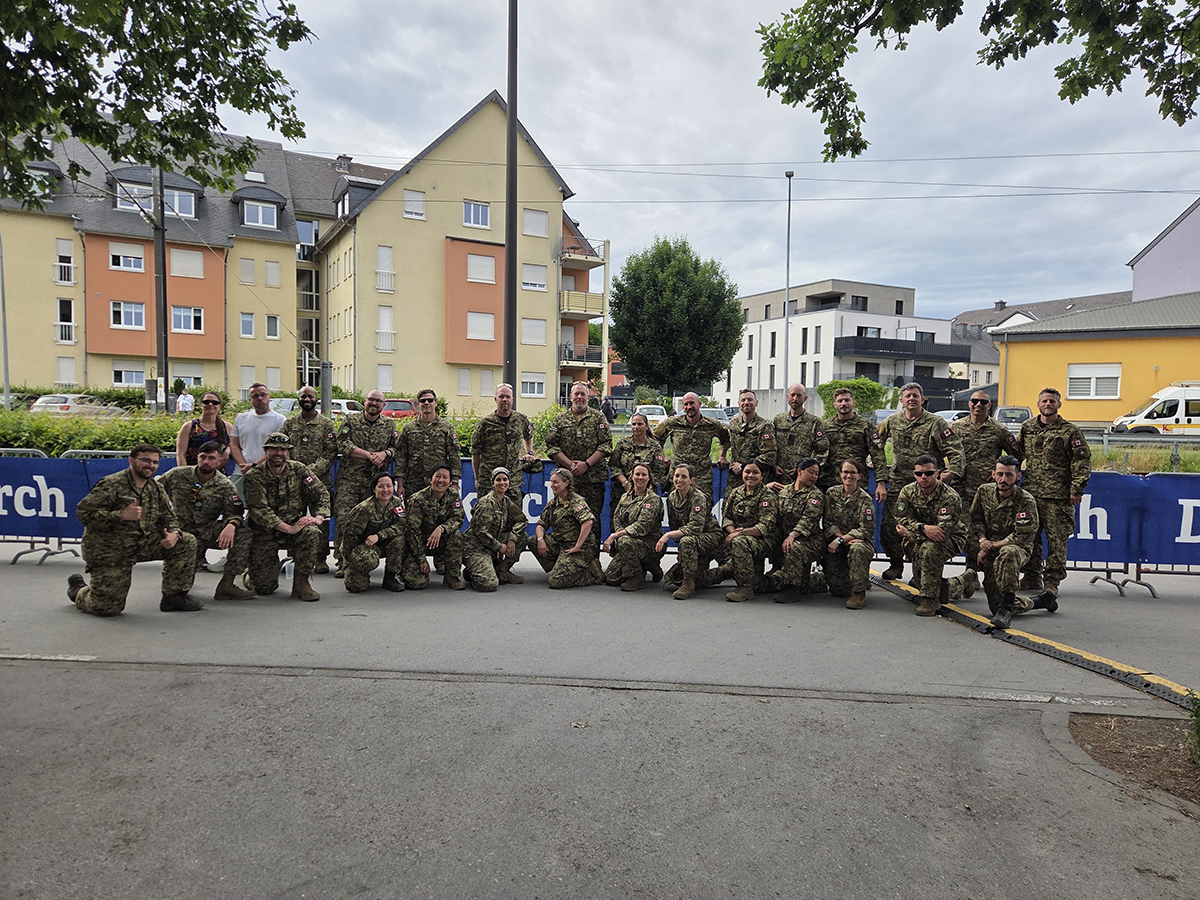
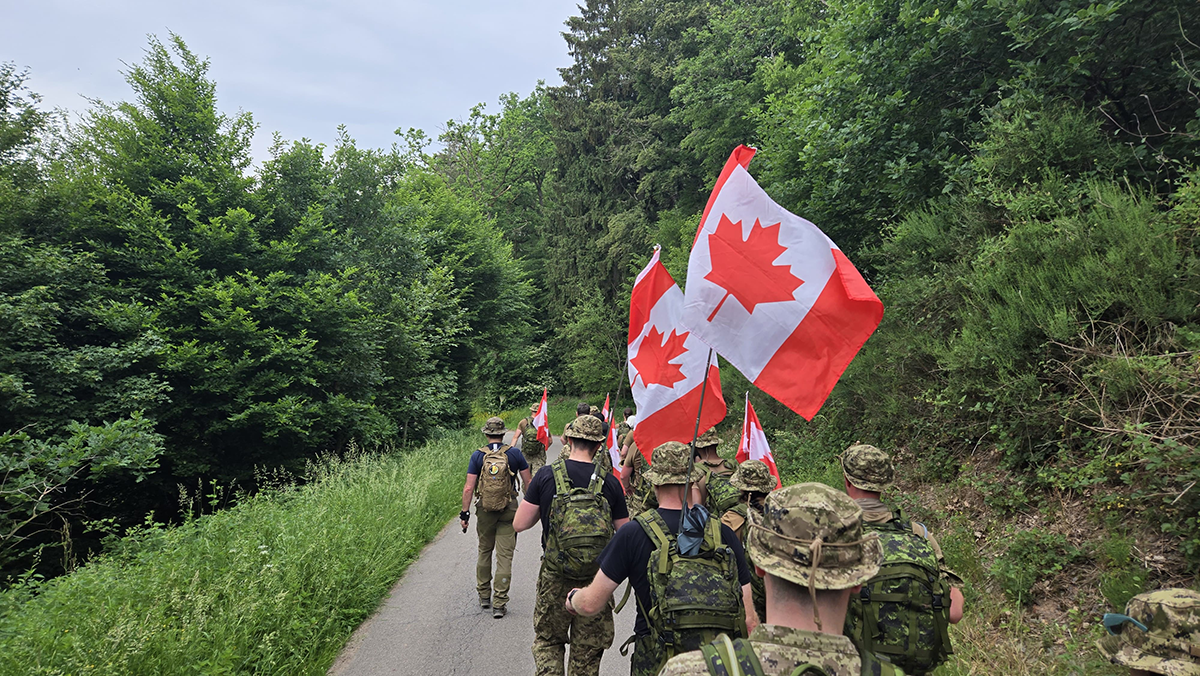
The remaining 32 members travelled to Diekirch, Luxembourg, to complete the Marche Internationale de Diekirch, a historic military walking event established in 1968 that attracts military and civilian participants from around the world. Over two consecutive days, the team completed 80 kilometres confirming readiness for Nijmegen.
"Re-establishing a CAF contingent at Nijmegen is about far more than completing a march," said Lieutenant-Colonel Mike Watson, Contingent Commander. "It reinforces our relationships with allied nations, showcases the professionalism and resilience of our people, and demonstrates Canada's commitment to participating alongside our partners in longstanding military traditions."
Behind the scenes, the contingent was led entirely by volunteers who planned and managed the program in addition to their primary duties. The contingent also benefited from the dedicated support of CAF medical personnel and Canadian Forces Morale and Welfare Services (CFMWS) Europe, whose expertise helped prepare and sustain members throughout the validation march.
"The validation march in Luxembourg proved all the training was worth it," said Sergeant Roberto Garcia, March participant. "After months of putting in the kilometres, crossing the finish line together showed what the team had built before we even arrived at Nijmegen."
With validation complete, the CAF contingent now turns its attention to the International Four Days Marches Nijmegen, where months of preparation and thousands of collective training kilometres will be put to the test alongside military teams from around the world.