
ARCHIVED - Inductees shine at 2015 Hall of Fame ceremony
This page has been archived on the Web
Information identified as archived is provided for reference, research or recordkeeping purposes. It is not subject to the Government of Canada Web Standards and has not been altered or updated since it was archived. Please contact us to request a format other than those available.

News Article / December 22, 2015
Canada’s Aviation Hall of Fame recently announced its 2016 inductees. As 2015 draws to a close, let’s look back to the celebration of this year’s inductees.
By Lisa Gordon
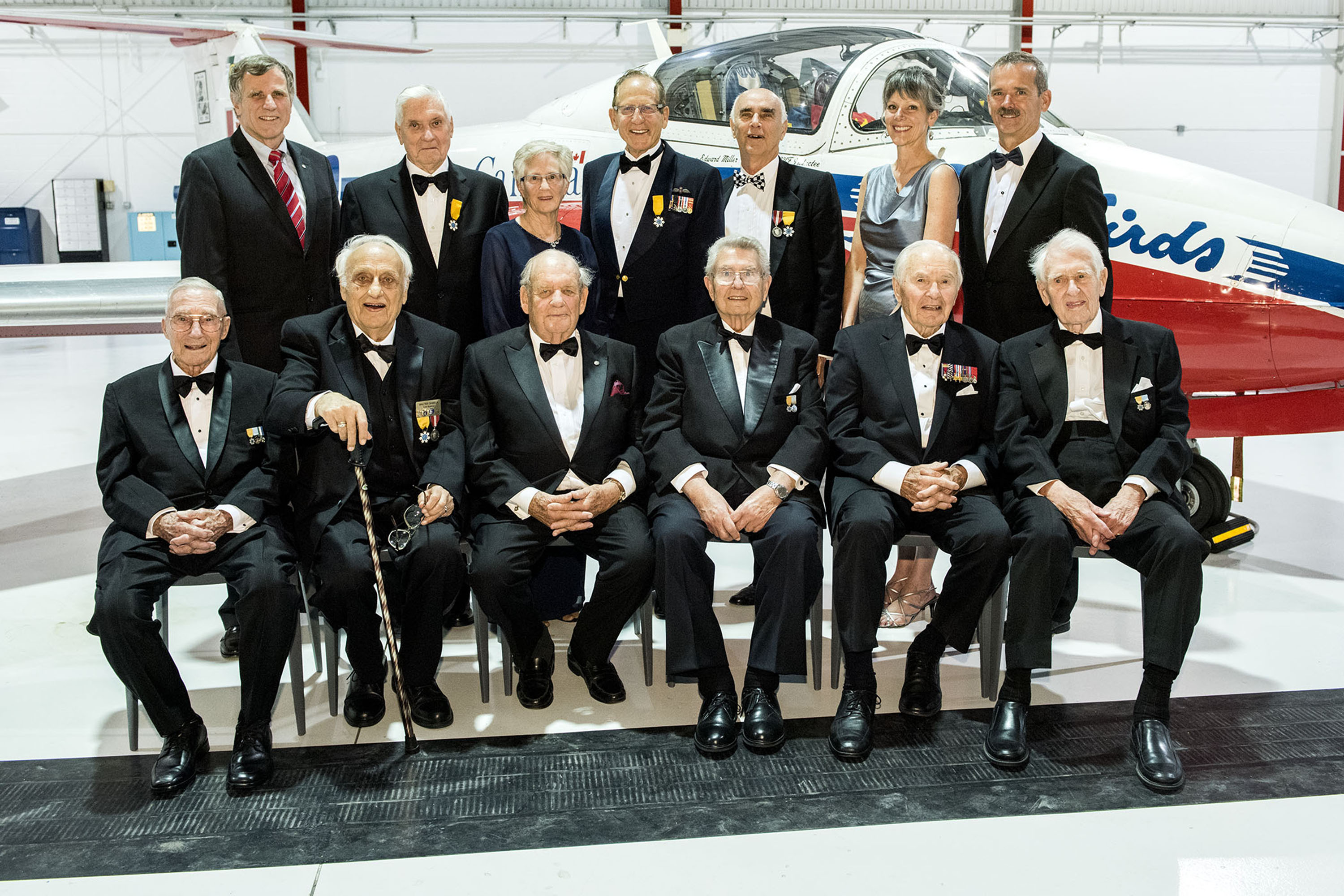
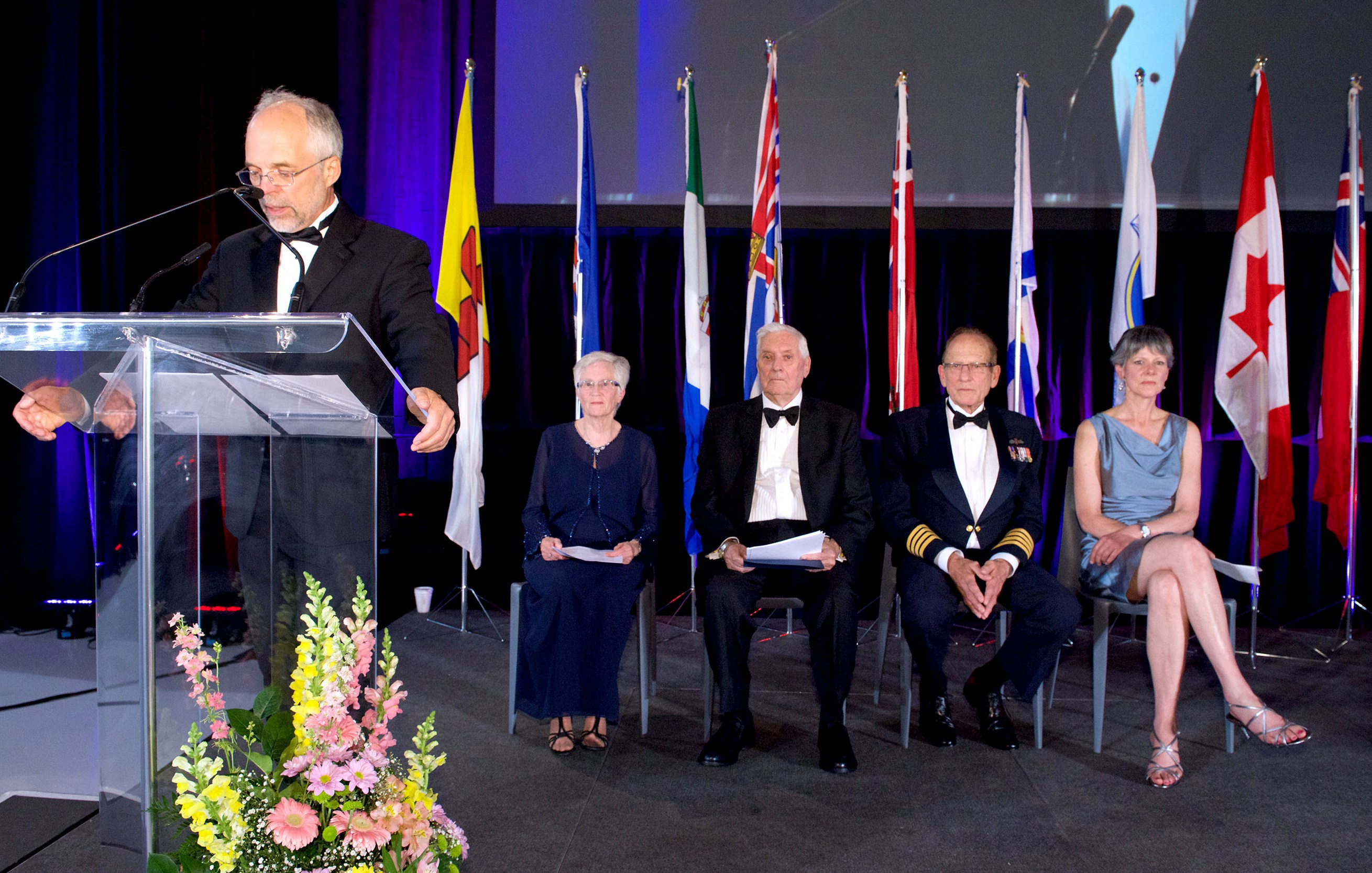
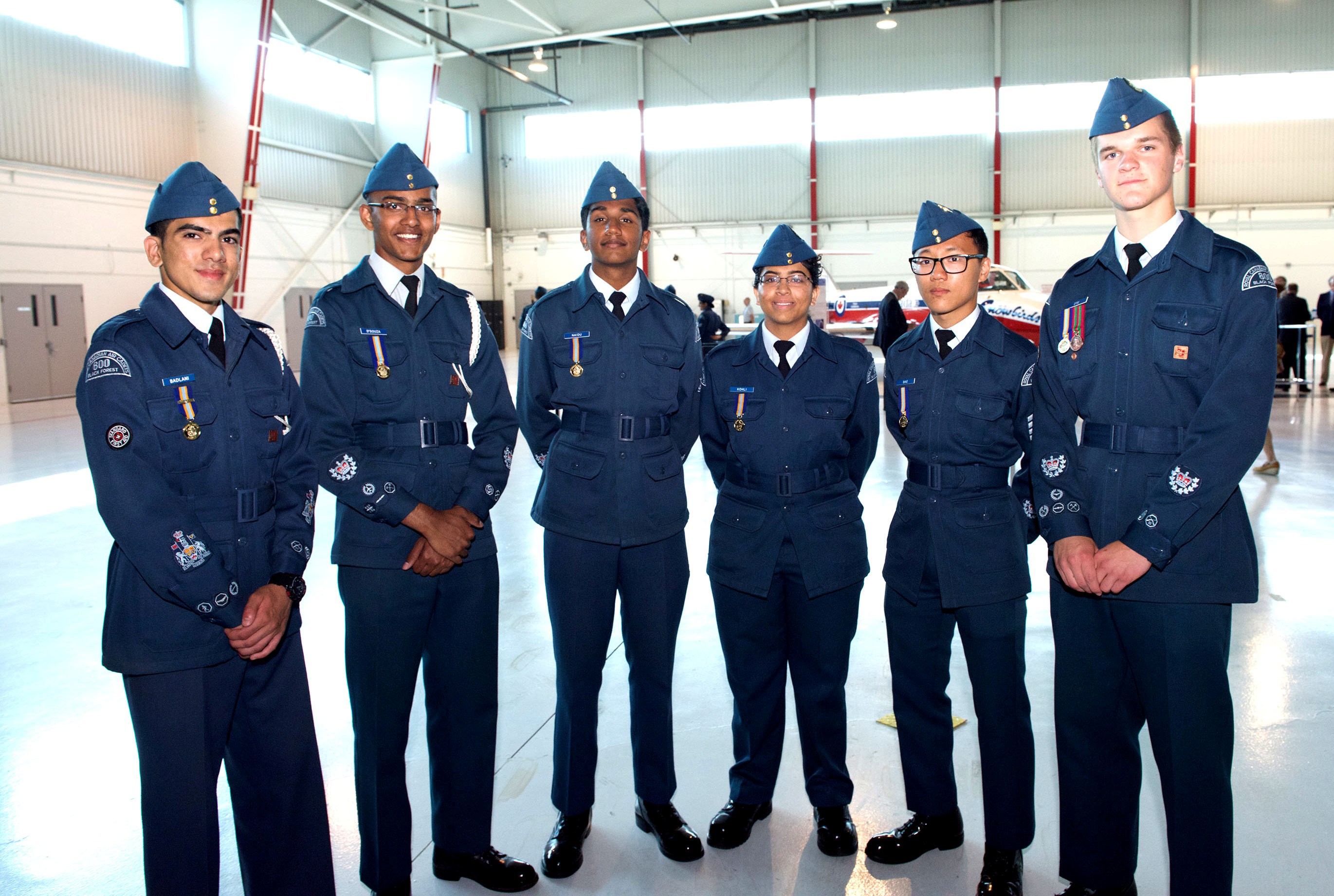
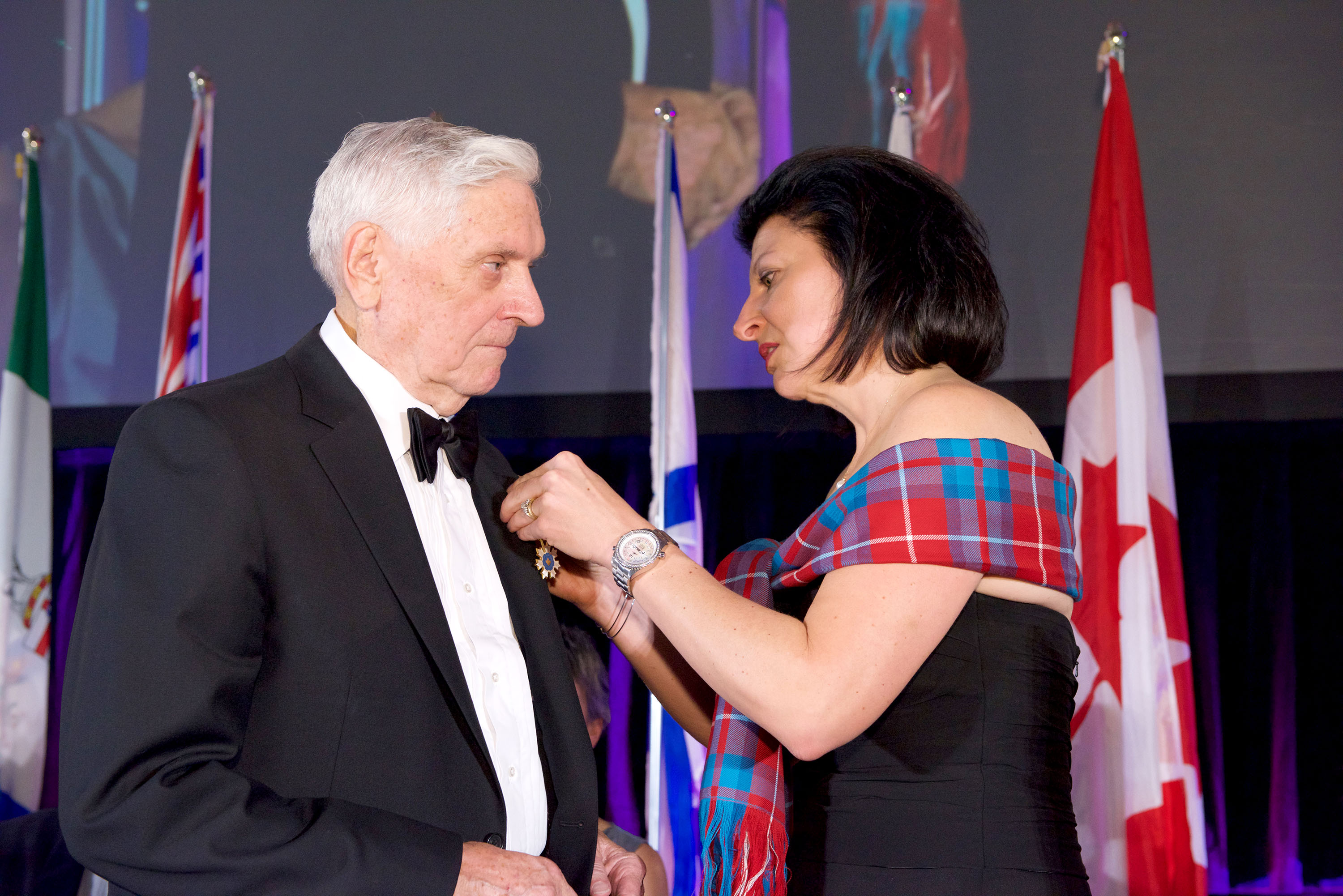
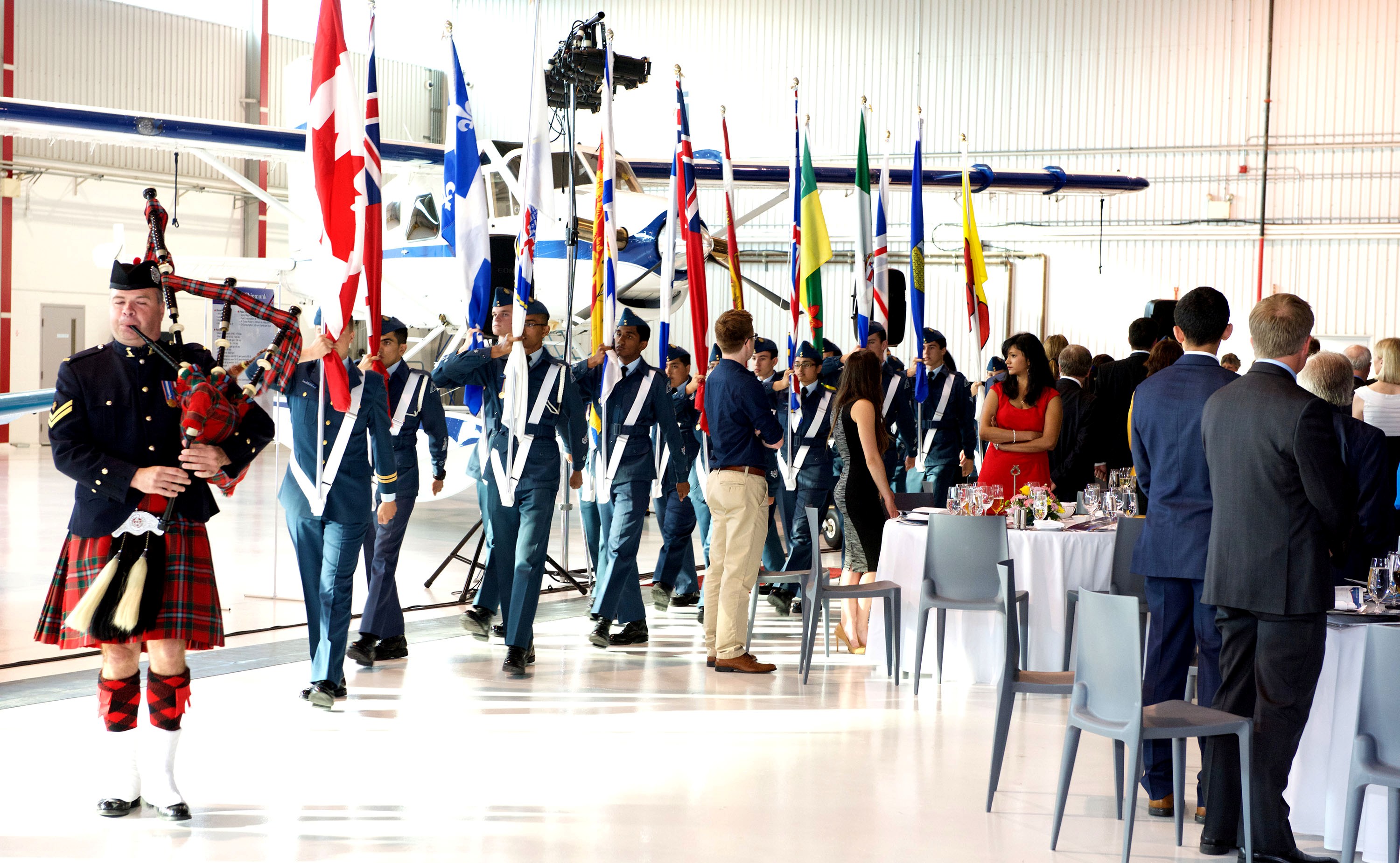
Representatives from all sectors of Canadian aviation gathered at the Skyservice hangar in Toronto on June 4, 2015, to celebrate the induction of the newest members into Canada’s Aviation Hall of Fame (CAHF).
Based in the Reynolds-Alberta Museum in Wetaskiwin, Alberta, CAHF exists to honour and commemorate individuals and organizations that have made a lasting contribution to Canadian aviation and aerospace.
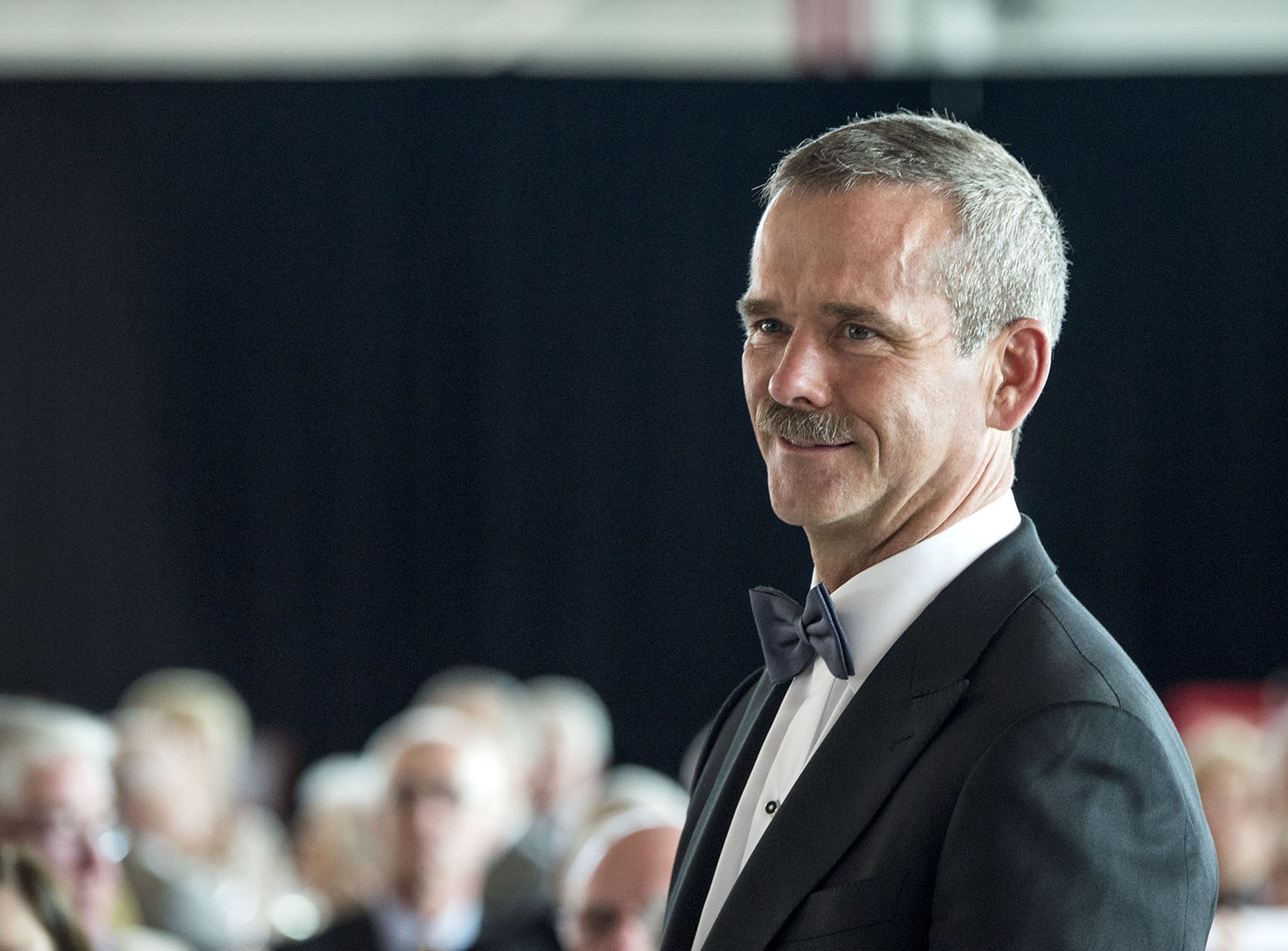
A total of 375 attendees came from across the country to celebrate at the organization’s 42nd annual ceremony, which featured inductees who made their marks on both civil and military aviation. Also in attendance were notable guests such as retired Canadian astronaut Chris Hadfield and 95-year-old George Neal, a CAHF member who was just recognized by the Guinness Book of World Records as the oldest licensed, active pilot in the world.
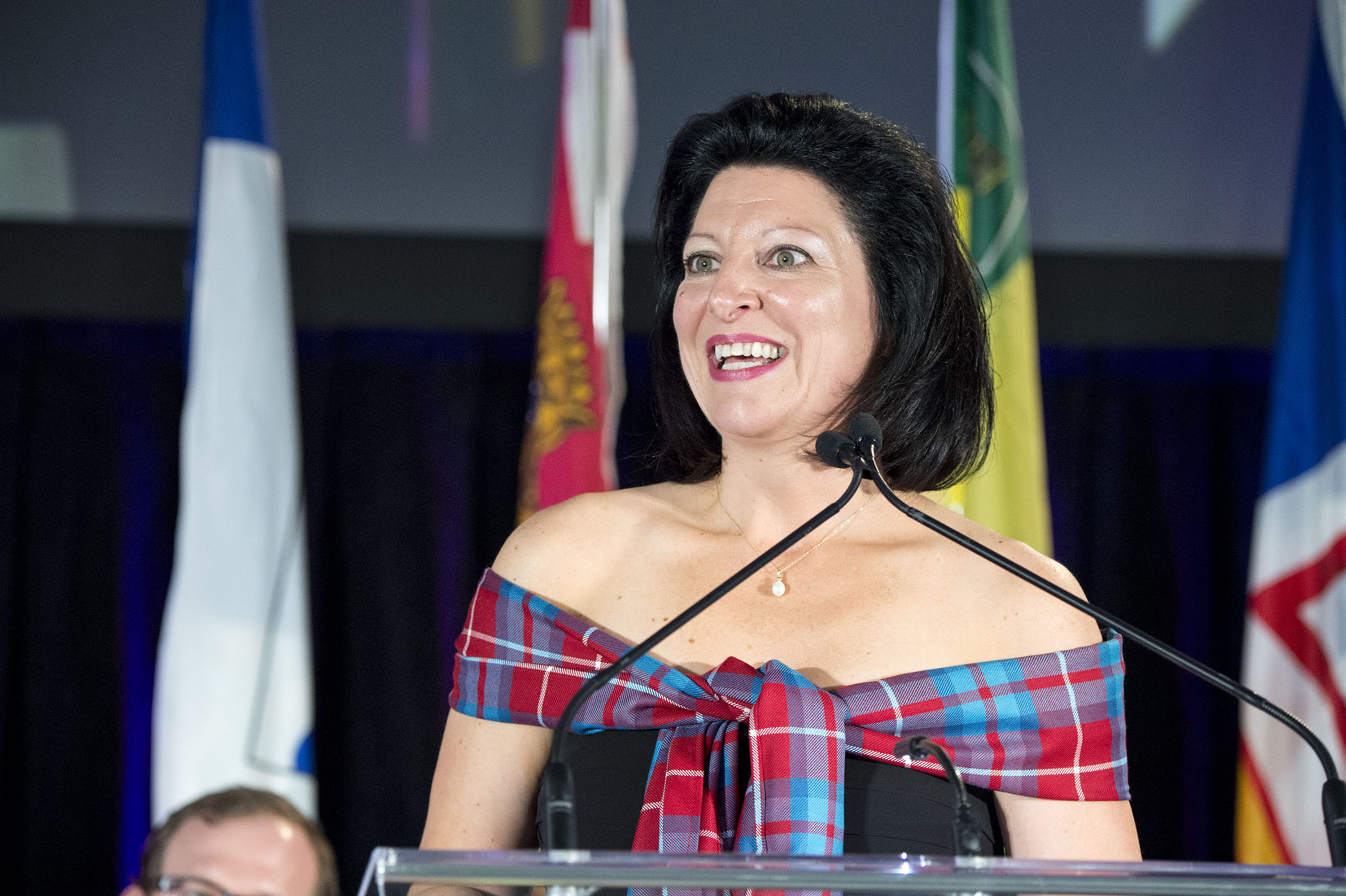
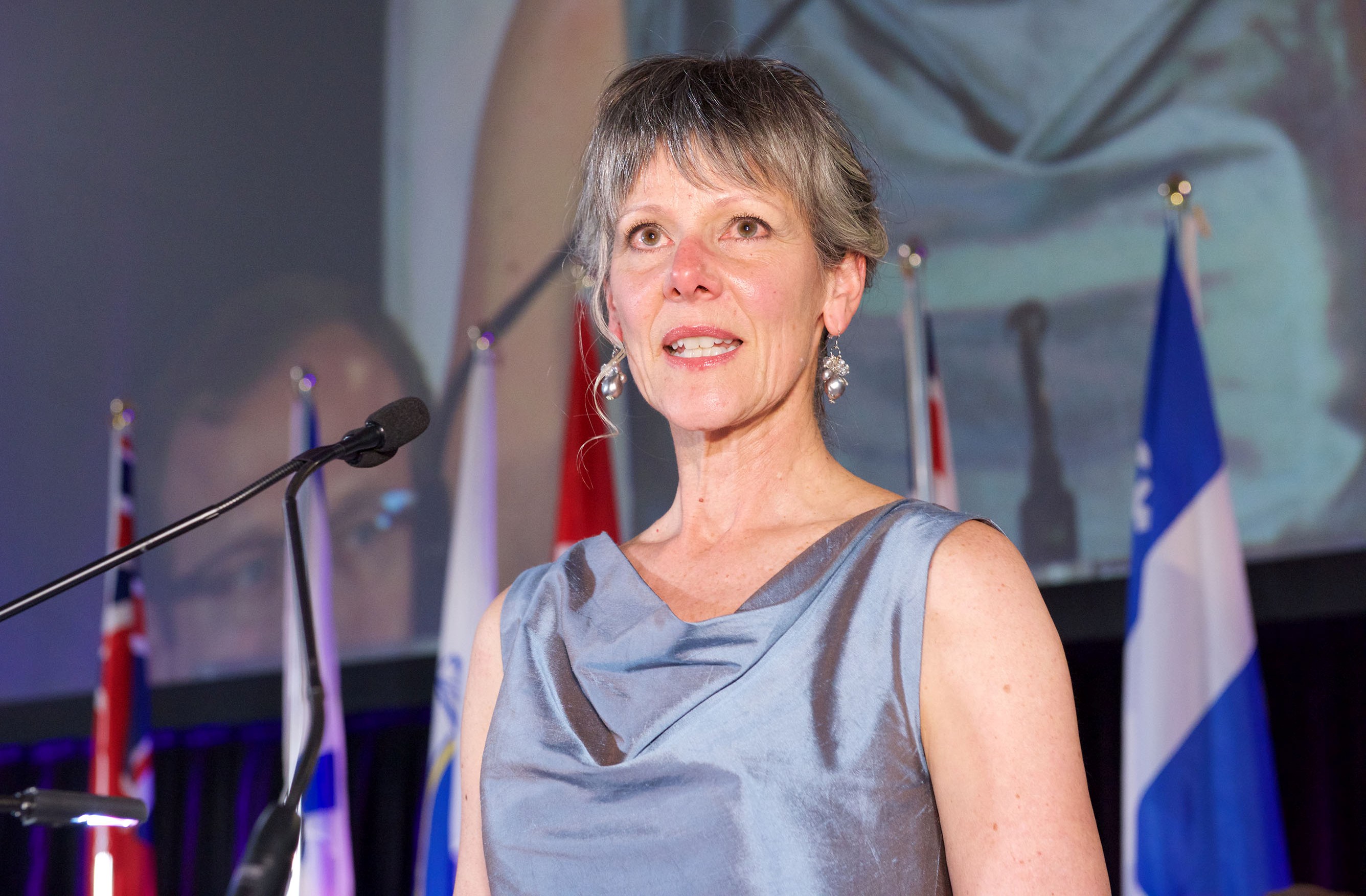
The evening’s special guest speaker was Lieutenant-Colonel (retired) Maryse Carmichael, a 22-year Royal Canadian Air Force (RCAF) veteran who was the Snowbirds’ first female pilot and, years later, the team’s first female commanding officer.
The 2015 inductees present a cross-section of Canadian aviation accomplishments; three of the four inductees have RCAF roots.
First on the list was Arthur Roy Brown, DSC, a First World War fighter pilot who is recognized for defeating the “Red Baron,” the storied German fighter pilot Manfred von Richthofen. Brown, who died in Stouffville, Ontario, in 1944, was represented at the gala by his niece, Carol Nicholson. Also on hand to cheer for Brown’s induction was Nadine Carter, a Grade 6 student from Stouffville, who began learning about the heroic pilot while researching a social studies project. Her subsequent investigation revealed that Brown’s grave in Toronto was unmarked. She petitioned Stouffville town council, which agreed to officially recognize Brown in town while also providing a headstone for his final resting place in Toronto.
The next inductee was James Stuart “Jim” McBride, who founded Midwest Aviation Ltd. in Winnipeg in 1956, following six years of service with the RCAF. The company grew steadily, becoming a Piper Aircraft dealer and later a flying club and Hughes Helicopter franchise. Throughout the years, the company was merged with other operations and eventually became known as Transair, which by 1973 operated 80 aircraft, including Boeing 737-200C combi aircraft used for scheduled service and vacation charters. McBride went on to found a successful beef cattle farm, obtain the Piper Cheyenne franchise and establish Turbowest Helicopters Ltd. in Calgary, where he lives today.
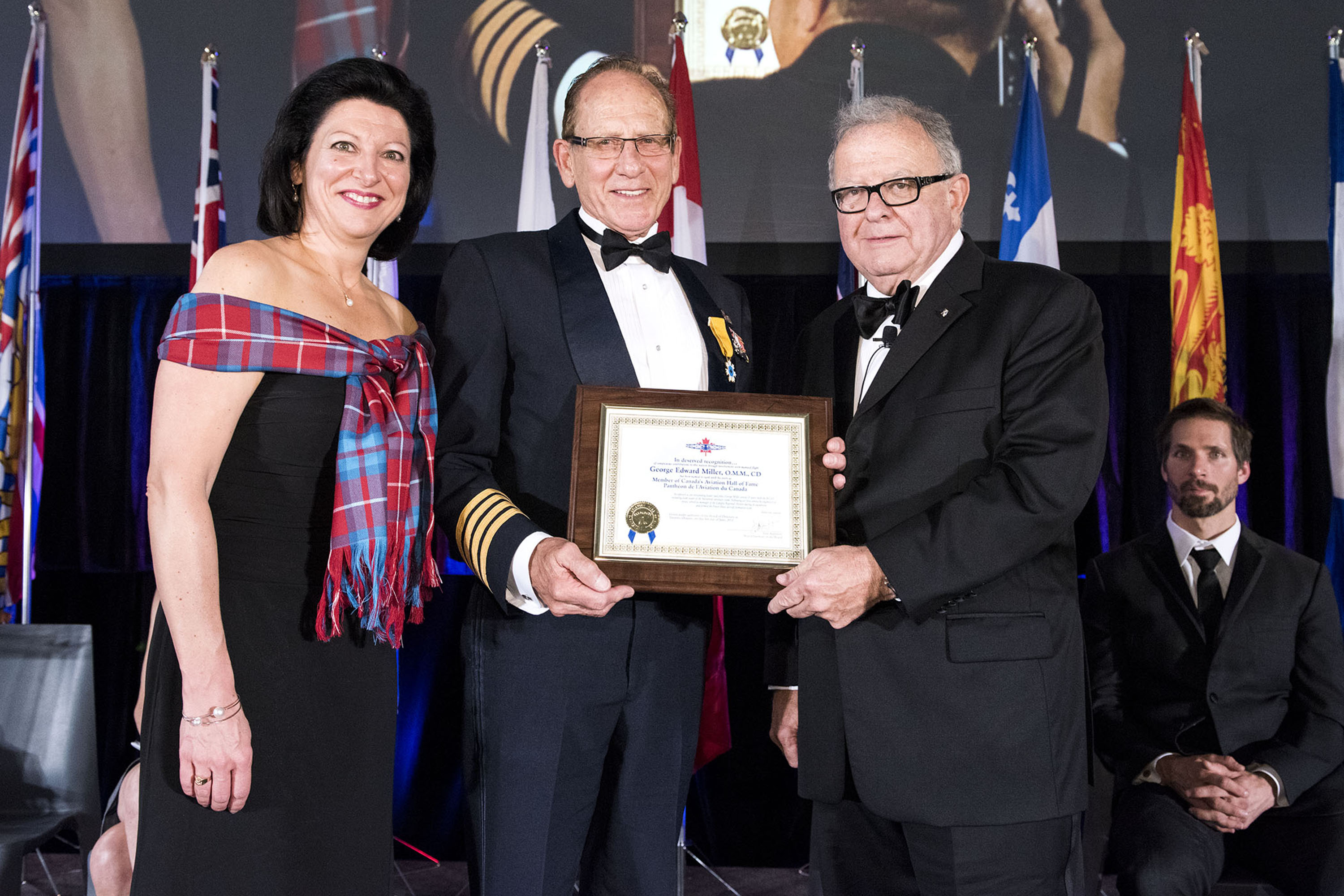
George Edward Miller also enjoyed a lengthy 35-year career in the RCAF, flying the T-33 Silver Star, F-86 Sabre, and the CF-104 Starfighter during the Cold War. In 1973, he was invited to lead Canada’s brand new aerial demonstration team, the Snowbirds. Among other lasting contributions, Miller implemented nine-plane formation aerobatics and the team’s annual pre-season training deployment to Comox, British Columbia, which continues to this day. Subsequently, he worked for Spar Aerospace and produced airshows before moving to Langley, British Columbia, where he was hired as Langley Regional Airport manager in 1991. He continues to fly his own Navion L-17 aircraft, completing a cross-country trip in 2014.
The last inductee into CAHF was Owen Bartley “O.B.” Philp. After joining the RCAF in 1942 and subsequently earning his wings, Philp was posted overseas and, at age 20, he flew paratroopers over the English Channel on D-Day, June 6, 1944. He later flew Douglas Dakotas in India and Burma, and served with a British Columbia search and rescue squadron and later in Germany, after training on the CF-104 Starfighter. Back in Canada, he organized the Golden Centennaires aerobatic team for the 1967 airshow season. He is best known for repurposing the Centennaires’ Tutor aircraft into 431 Air Demonstration Squadron at Moose Jaw, Saskatchewan, for which he is known as “the father of the Snowbirds.” He retired after 31 years in the military and went on to become an aviation consultant and airshow organizer. Philp’s daughter, Kim Philp, accepted the CAHF induction for her father, who died in 1995.
The last induction of the evening was the Belt of Orion Award for Excellence, which went to AeroVelo Inc. Represented by Todd Reichert and Cameron Robertson at the induction ceremony, the AeroVelo team of researchers and engineers was the first to develop a human-powered ornithopter in 2010, followed by the first flight of a human-powered helicopter in 2013. The latter accomplishment won the Sikorsky prize from the American Helicopter Society and numerous other industry accolades.
Lisa Gordon is the editor-in-chief of Canadian Skies magazine. This article originally appeared on the Canadian Skies website on June 8, 2015, and is translated and reproduced with permission.