
Evaluation of the Self-Employed Persons Program
Evaluation Division
Audit and Evaluation Branch
Immigration, Refugees and Citizenship Canada
January 2026
Table of Contents
Executive Summary
The purpose of this evaluation was to assess the relevance and performance of Immigration, Refugees and Citizenship Canada’s (IRCC) Self-Employed Persons Program. The evaluation was conducted to inform decisions about the program’s future direction, support improvements, and foster departmental learning. It covered all active program streams (artists, athletes, and farm management) between 2014 and 2024, with an emphasis placed on the later years of the scope period.
Background
The Self-Employed Persons Program is a small component of IRCC’s Economic Immigration Program, accounting for less than one percent of all economic admissions between 2014 and 2024. The program currently provides a pathway to permanent residence for self-employed artists and athletes who are expected to make a significant contribution to the cultural or athletic life of Canada. In April 2024, the Minister of Immigration, Refugees and Citizenship announced a full “pause” on the intake of new applications for the program until the end of 2026 to address a substantial backlog of applicants and assess options for its reform.
Summary of Conclusions
Overall, there is a continued need for the pathway to permanent residence offered through the Self-Employed Persons Program. It addresses a gap in the immigration system left by traditional economic programs, providing access to permanent residence for exceptionally talented artists and athletes who might not otherwise qualify. This need is particularly relevant given the government’s commitment to attracting top global talent.
The program has admitted individuals working in the arts, culture, and sport – sectors that generate meaningful social and cultural value for Canada. While principal applicants have contributed modestly to the economy through labour force participation and support for key growth sectors, most report relatively low employment earnings and are concentrated in the labour markets of just two cities: Toronto and Vancouver.
Persistent design and delivery challenges continue to affect program outcomes. The program’s purpose is ambiguous, having shifted focus over time without a documented rationale for the inclusion or grouping of target populations. There is no clearly articulated or communicated policy rationale for the program or its positioning within Canada’s economic immigration framework.
Broad eligibility criteria allow nearly all foreign nationals with self-employment experience in cultural or athletic fields to apply. This has led to consistently high unprocessed application volumes that far exceed the program’s limited admissions capacity under the annual Immigration Levels Plans. As a result, the program experiences high refusal rates, lengthy processing times, and a significant application backlog – issues that risk undermining public confidence in both the program itself and the broader immigration system.
Recommendations
In light of these findings, one recommendation has been advanced to guide future policy and program design.
Recommendation 1: The Self-Employed Persons Program, as currently designed, while bringing certain cultural and social benefits, is no longer fit for purpose within Canada's economic immigration class.
As such, IRCC should explore options for maintaining pathways to permanent residence for top global talent, ensuring they are:
- Well-aligned with the objectives of economic immigration, including those set out in the Immigration and Refugee Protection Act.
- Designed with clear objectives and specific, measurable outcomes.
Management Response Action Plan (MRAP)
Recommendation 1
The Self-Employed Persons Program, as currently designed, while bringing certain cultural and social benefits, is no longer fit for purpose within Canada's economic immigration class.
As such, IRCC should explore options for maintaining pathways to permanent residence for top global talent, ensuring they are:
- Well-aligned with the objectives of economic immigration, including those set out in the Immigration and Refugee Protection Act.
- Designed with clear objectives and specific, measurable outcomes.
Response: IRCC agrees with this recommendation.
IRCC recognizes the importance of global talent in supporting Canada’s economy and cultural communities.
IRCC is currently conducting a review of its federal business immigration programming and assessing high-skilled economic immigration programs to ensure they effectively support a strong economy and the Government of Canada Talent Attraction Strategy. This work is taking place in the context of the Government’s commitment to sustainable immigration levels, which requires that annual admissions space be allocated more selectively as a way to better balance evolving immigration priorities.
Taking into account these considerations, in alignment with the other review exercises underway, and in light of the evaluation findings, IRCC will review the current objectives, design, and delivery of the Self-Employed Persons Program and develop options to ensure that Canada can continue to attract and retain top global talent.
| Action | Accountability | Completion Date |
|---|---|---|
Action 1: IRCC will develop policy and programming options to inform the future of the Self-Employed Persons Program and the continued attraction of top global talent. |
Lead: Permanent Economic Branch (PEB) |
Q3 2026-27 |
List of Acronyms
- BIP
- Business Immigration Program
- CEC
- Canadian Experience Class
- EOI
- Expression of Interest
- FSW
- Federal Skilled Worker
- GCMS
- Global Case Management System
- GDP
- Gross Domestic Product
- IMDB
- Longitudinal Immigration Database
- IRCC
- Immigration, Refugees and Citizenship Canada
- IRPA
- Immigration and Refugee Protection Act
- NOC
- National Occupational Classification
- OGD
- Other Government Department
- PA
- Principal Applicant
- PNP
- Provincial Nominee Program
- PR
- Permanent Resident
- SE
- Self-Employed Persons Program
- SUV
- Start-Up Visa Program
Program Overview
The Self-Employed Persons Program provides a pathway to permanent residence for individuals with relevant experience in cultural activities or athletics who are expected to make a significant contribution to the cultural or athletic life of Canada.
- The Self-Employed Persons (SE) Program is restricted to three groups: artists, athletes, and farmers – the latter is currently subject to a moratorium.
- Together with the Start-Up Visa (SUV) Program, the SE Program forms the Federal Business Immigration Program, a small component of IRCC’s broader Economic Immigration Program.
- Between 2014 and 2024, the SE Program accounted for 7,785 permanent residents, comprising less than one percent of all economic admissions.
Brief Program History
The Self-Employed Persons class has been part of Canada’s economic immigration programming since 1978. Introduced as part of the Business Immigration Program (alongside the now-discontinued Entrepreneur and Investor Classes), the SE Program was initially designed to attract immigrants who could generate employment for themselves and up to five others, or make a significant contribution to the cultural and artistic life of Canada.
Over time, the requirement that self-employed persons create additional employment opportunities was removed, and the program became limited to self-employment in cultural activities, athletics, or farm management. In 2018, a moratorium was placed on the farm management stream after applicants were found to no longer align with the program’s intent.Footnote 1
In April 2024, the Minister of Immigration, Refugees and Citizenship announced a full “pause” on the intake of new applications for the program until the end of 2026 to address a substantial backlog of applicants and review the program’s structure.Footnote 2 A timeline of key events and milestones is available in Annex A.
Program Eligibility
To qualify for the program, applicants must have two years of relevant experience in their field and meet the minimum pass mark in the program’s points grid (a minimum of 35 of 100 possible points across five criteria: experience, education, age, language abilities, and adaptability). The following are considered relevant experience:
- Having taken part in cultural activities or athletics at a world-class level.
- Having been a self-employed person in cultural activities or athletics.
Overview of Admissions
Between 2014 and 2024, 7,785 permanent residents were admitted to Canada through the SE Program.
- Admissions include 2,954 principal applicants (PA), 2,151 spouses/partners, and 2,680 dependents.
- Over one quarter (26%) of SE admissions were in 2024 alone.
Profile of Principal Applicants upon arrival in Canada (2014-2024)
- The majority were male (64%).
- Most (79%) were between the ages of 35 and 64.
- Over three quarters (76%) were married.
- Nearly all (89%) had a self-declared knowledge of English.
- Most (65%) had a Bachelor’s Degree or higher.
- Most had no prior work (82%) or study (94%) experience in Canada.
- Nearly one third (31%) held Chinese citizenship, followed by Iranian (14%) and Indian (7%).
- The top intended destinations were Ontario (50%) and British Columbia (39%), particularly Toronto (43%) and Vancouver (35%).
- Nearly all (98%) reported occupations in Art, Culture, Recreation and Sport (59%) or OtherFootnote 3 (38%).
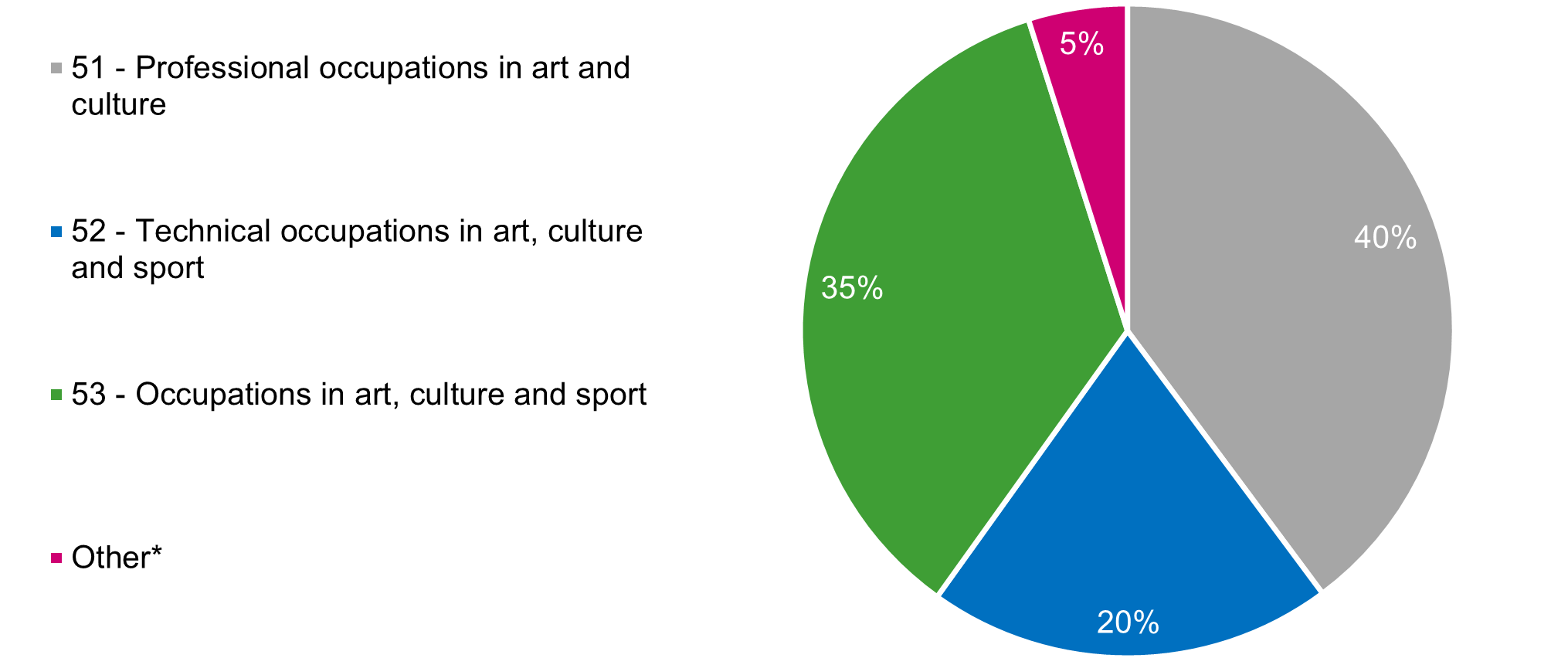
Text version of figure 1
The figure shows a pie chart illustrating the percentage of principal applicants admitted under the Self-Employed Persons Program in Occupations in Art, Culture and Sport between 2014 and 2024. The chart shows the breakdown by NOC 2021 major group with code (two digit codes starting with 5). The following data points are included: 51 - Professional occupations in art and culture: 40%; 52 - Technical occupations in art, culture and sport: 20%; 53 - Occupations in art, culture and sport: 35%; and otherFigure Footnote *: 5%.
Source: IRCC administrative data.
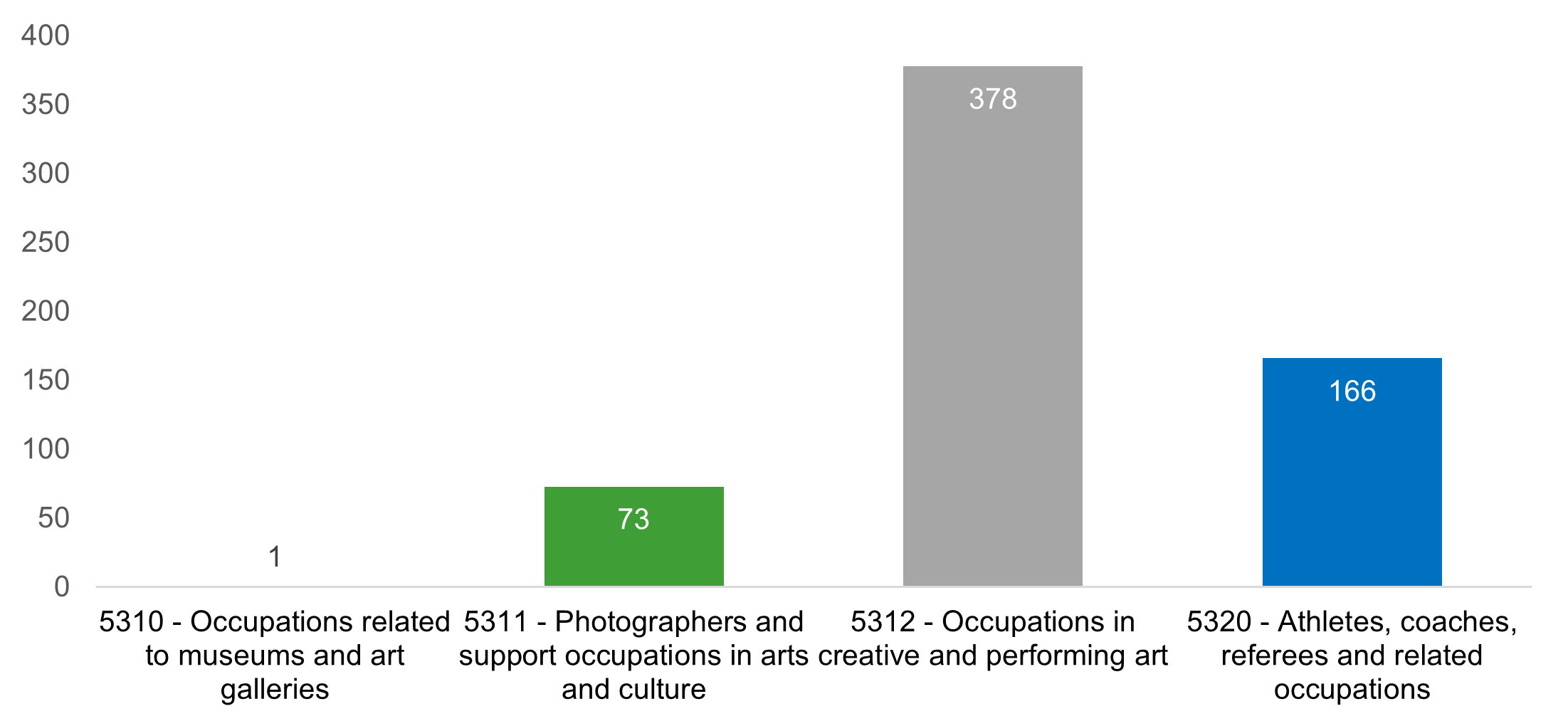
Text version of figure 2
The figure shows a bar graph illustrating the number of principal applicants admitted under the Self-Employed Persons Program through NOC 2021 major group 53 - Occupations in Art, Culture and Sport between 2014 and 2024. The graph shows the breakdown by broad occupation category with code (four digit codes starting with 5). The following data points are included: 5310 - Occupations related to museums and art galleries: 1; 5311 - Photographers and support occupations in arts and culture: 73; 5312 - Occupations in creative and performing art: 378; 5320 - Athletes, coaches, referees and related occupations: 166.
Source: IRCC administrative data.
Evaluation Scope
Overview
The purpose of this evaluation was to provide Immigration, Refugees and Citizenship Canada (IRCC) with an objective, evidence-based assessment of the Self-Employed Persons Program. It was undertaken to inform decisions about the program’s future direction, support improvements, and foster departmental learning.
Evaluation scope
The evaluation covered all active program streams between 2014 and 2024, including artists, athletes, and farmers. Greater emphasis was placed on the artist and athlete streams, which remained active during the latter years of the scope period.
Evaluation focus
The evaluation primarily examined the continued need for and relevance of the Self-Employed Persons Program. As a secondary focus, it assessed the program’s performance in achieving social and cultural outcomes.
While not a core objective of the program, the evaluation also considered the extent to which it contributes to the broader goals of the Federal Economic Immigration Program, including:
- Timely selection of potential federal economic immigrants (immediate outcome)
- Employment of federal economic immigrants / Economic independence of federal economic immigrants (intermediate outcomes)
- Economic benefit from federal economic immigrants (ultimate outcome)
Evaluation questions
- Is there a continued need for the Self-Employed Persons Program?
- Is the design of the Self-Employed Persons Program supporting the achievement of program outcomes?
- To what extent is the Self-Employed Persons Program contributing to economic, social and cultural benefits?
Evaluation Methodology
Data collection and analysis took place from June to October 2025. A mixed-methods approach was applied, drawing on multiple lines of qualitative and quantitative evidence to answer the evaluation questions.
Document review
An in-depth review of relevant internal documentation, including legislation, public announcements, briefing materials, operational guidance, evaluations, reports, etc.
Interviews
- 11 IRCC staff participated in semi-structured interviews.
- 3 other government department (OGD) representatives and external stakeholders participated in consultations.
Data Analysis
Analysis of Self-Employed PAs who arrived in Canada between 2014 and 2024 via the Global Case Management System (GCMS).
Analysis of economic and social trends of Self-Employed PAs who filed taxes between 2015 and 2022 via the Longitudinal Immigration Database (IMDB).
Client Survey
An online survey was administered to all adult Self-Employed PAs with an active e-mail address on file who arrived in Canada between 2014 and 2024 (n=1,904). 223 individuals responded to the survey, yielding a 12% response rate.
Limitations and Mitigation Measures
The Self-Employed Persons Program admitted only a small number of principal applicants during the reference period and generated relatively low stakeholder interest. Consequently, there was limited familiarity with the program, constraining the breadth of key informant perspectives and the amount of data available for analysis.
This was mitigated by adopting a census-style survey approach, inviting all adult PAs within the reference period to participate. It was further addressed through a snowball technique to identify and consult as many knowledgeable key informants as possible.
Despite limitations, results converged towards common and integrated findings. The mitigation strategies, along with triangulation of lines of evidence, were considered sufficient to ensure that the findings are reliable and can be used with confidence.
Use of AI Technologies
Artificial intelligence tools (MS Teams’ transcription function and Microsoft Copilot) were used with permission to transcribe key informant interviews, and to refine wording and assist with minor translations for the development of data collection tools. All outputs were verified by the Evaluation Team.
Evaluation Findings
Social and Cultural Outcomes
Finding 1: By admitting professionals in the arts and athletics, the program contributed to broader efforts to foster community engagement, enrich cultural life, and enhance Canada’s reputation.
The SE Program currently aims to admit individuals with the capacity to contribute to the athletic and cultural life of Canada. Evidence indicates that individuals with backgrounds in the arts and athletics are being admitted with the intention of working in these sectors. Survey results confirm they remain active in these sectors upon arrival—contributing to Canada’s cultural and athletic vitality.
Admissions aligned with the program’s focus on the arts and athletics.
| 53122 - Painters, sculptors and other visual artists | 158 |
|---|---|
| 53201 – Coaches | 114 |
| 53110 – Photographers | 72 |
| 53121 - Actors, comedians and circus performers | 70 |
| 53123 - Theatre, fashion, exhibit and other creative designers | 57 |
| 53124 - Artisans and craftspersons | 51 |
| 53200 – Athletes | 48 |
| 53120 – Dancers | 37 |
| 53125 - Patternmakers - textile, leather and fur products | 5 |
| 53202 - Sports officials and referees | 4 |
Source: IRCC administrative data.
Administrative data show that PA admissions were concentrated in relevant National Occupational Classification (NOC) 2021 categories. Most (59%) were recorded under Occupations in art, culture, recreation, and sportFootnote 4 (Figures 1 and 2). Survey results reflect a similar pattern: 74% of respondents indicated that their current work falls within Occupations in art, culture, recreation and sport; among them, 90% reported that they were also employed in this category upon obtaining permanent residence in Canada.
While SE Program admissions aligned with the targeted sectors, they accounted for only 9% of all PA (economic) admissions under Occupations in art, culture, recreation and sport between 2014 and 2024. This limited share reflects the program’s small scale relative to other economic immigration programs. This also indicates that individuals with relevant profiles are being admitted through other immigration streams – nearly half (47%) were admitted through the Canadian Experience Class (CEC), followed by the Federal Skilled Workers Program (FSW) (22%), and the Provincial Nominee Program (PNP) (22%).Footnote 5
Occupations in the arts and athletics were associated with diverse social and cultural benefits.
Demonstrating the extent of individual or collective contributions to Canada’s cultural and athletic life is challenging as contributions may range from elite performance (e.g., notable athletes or members of prominent orchestras) to smaller-scale contributions (e.g., those at the community level), and often carry intangible social value, which is inherently subjective and difficult to quantify. Additionally, some self-employed artists and athletes may work informally, freelance, or without pay, making their contributions difficult to capture through traditional employment income data.
Nevertheless, evidence suggested that individuals working in occupations related to the arts or athletics make social and cultural contributions to Canada. Their work was found to help build vibrant, inclusive, and connected communities, occasionally fostering a sense of national pride. These contributions can help ensure that Canada remains a culturally rich and expressive society.
Interviewees noted that newcomers in these sectors bring innovation and global networks that can benefit other local artists and athletes. Some may achieve international recognition, elevating Canada’s profile in competitive sports or cultural arenas. Others may invest in their communities by offering free concerts, inclusive performances, and involvement in educational or therapeutic partnerships. Collectively, their contributions can enhance Canada’s reputation through cultural diplomacy and soft power, strengthening its appeal as a destination for both immigration and tourism.
Most survey respondents (85%) felt their profession contributes to Canada’s cultural or athletic vitality. Nearly two-thirds (65%) submitted written accounts detailing their contributions, often emphasizing efforts to share Canada’s history, values, and appeal.
Contributions to Canada’s agricultural sector were limited.
Prior to 2018, the program also included a farm management stream, which intended to strengthen Canada’s agricultural sector. There was limited evidence of meaningful contributions through this stream.
According to administrative data, less than 1% of program admissions during the reference period were in agriculture-related fields. Similarly, only 2% of survey respondents reported Natural resources, agriculture and related production occupations as best describing their current work.
Both interviewees and program documents reported weak outcomes, noting that the stream attracted few applicants with the demonstrated capacity to establish and sustain viable farm operations in Canada.
Economic Outcomes
Finding 2: Although economic benefits are not a primary objective of the program, SE principal applicants have contributed modestly to the Canadian economy.
The SE Program is a business immigration program within the broader economic immigration framework. Both interviewees and documents questioned this affiliation, highlighting the absence of explicitly stated economic outcomes, such as business or job creation.
Although the program initially included an economic component, this focus was gradually phased out. In its current design, the program does not aim to address labour market or regional needs, stimulate investment, or admit individuals positioned to contribute to long-term economic growth.
Regardless, SE PAs have contributed, albeit modestly, to the broader goals of the Federal Economic Immigration Program.
SE PAs demonstrated strong labour market participation.
SE PAs admitted through the program demonstrated strong labour market participation, both upon entry and over time. IMDB data indicated consistently high employment rates, reaching 78% one year after admission, 80% after five years, and 83% after eight years.
However, labour market participation was geographically concentrated in Ontario and British Columbia. Most SE PAs were initially destined for Toronto (43%) or Vancouver (35%). At the time of the survey, 74% of respondents reported residing in these two provinces, evenly split between them.
SE PAs generated limited economic benefits.
IMDB data indicated economic independence among SE PAs throughout the reference period, as reflected by a low average social assistance usage of just 2-3% between one and five years since admission.
However, employment income was low, with an overall median income of $19,500 among SE PAs one year after admission. For context, this figure is substantially lower than the overall median annual employment income of all economic PAs admitted through federal or regional programs, which stood at $46,400.
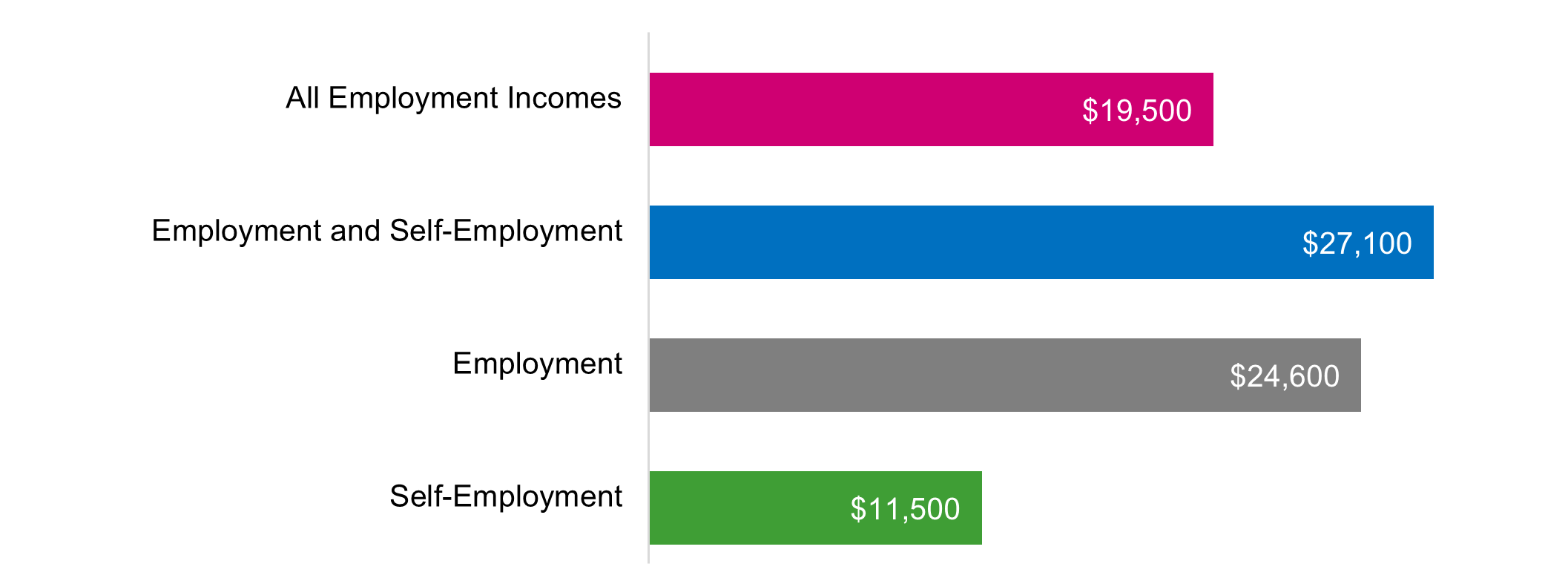
Text version of figure 3
The figure shows a bar chart illustrating the median employment income of Self-Employed principal applicants (2014–2021 grouped cohorts) one year since admission by their employment type. The following data points are included: All Employment Incomes: $19,500; Employment and Self-Employment: $27,100; Employment: $24,600; and Self-Employment: $11,500.
Note: Based on median employment incomes for the 2014–2021 grouped cohorts.
Source: IMDB data.
When examining the 2014 admission cohort, considering all employment types, there is a slight increase in income over time, driven primarily by those with income from an employer. Self-employment income alone, however, shows a downward trend, with declines observed at both the five-and eight-year marks following admission.
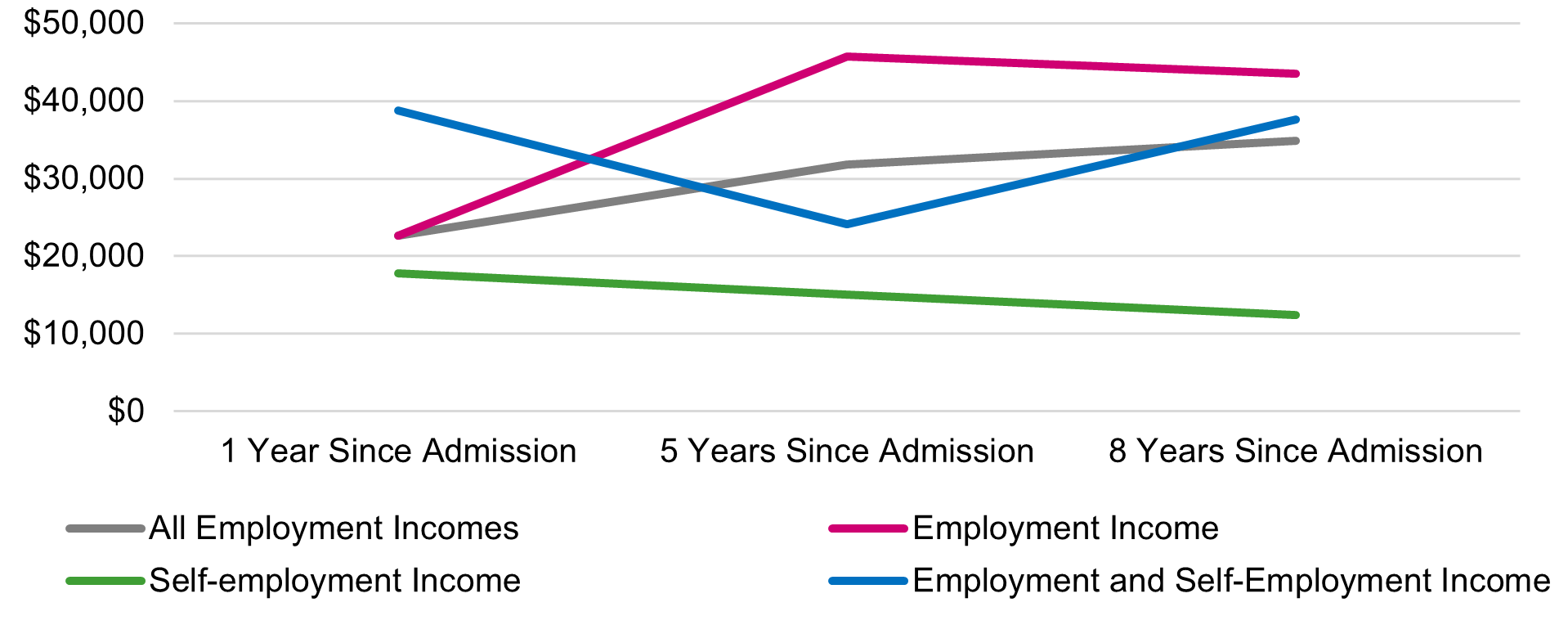
Text version of figure 4
The figure shows a line graph illustrating the median employment income of Self-Employed principal applicants (2014 cohort) by their type of employment and years since admission. The following data points are included:
- All Employment Incomes: $22,600 one year since admission; $31,800 five years since admission; $34,800 eight years since admission.
- Employment Income: $22,600 one year since admission; $45,700 five years since admission; $43,500 eight years since admission.
- Self-employment Income: $17,800 one year since admission; $15,000 five years since admission; $12,400 eight years since admission.
- Employment and Self-Employment Income: $38,700 one year since admission; $24,100 five years since admission; $37,600 eight years since admission.
Note: Based on median employment incomes for the 2014–2021 grouped cohorts.
Source: IMDB data.
A substantial share of PAs did not report self-employment income.
The program was initially designed as a pathway for self-employed individuals, those with both the intention and ability to generate their own employment in Canada. However, among PAs who reported employment income, more earned it through an employer (43%) than through self-employment (37%).
At the time of the survey, 60% of respondents identified self-employment as best describing their work, with an additional 18% reporting a combination of self-employment and either full-time (10%) or part-time (8%) employment. These findings suggest that the program does not fully promote or facilitate self‑employment in Canada, in contrast to what its name implies.
Interviewees noted that while self-employment is common in the arts and athletics, it may not generate sufficient income to support a full livelihood. Consequently, supplementary employment income was seen as necessary in some instances.
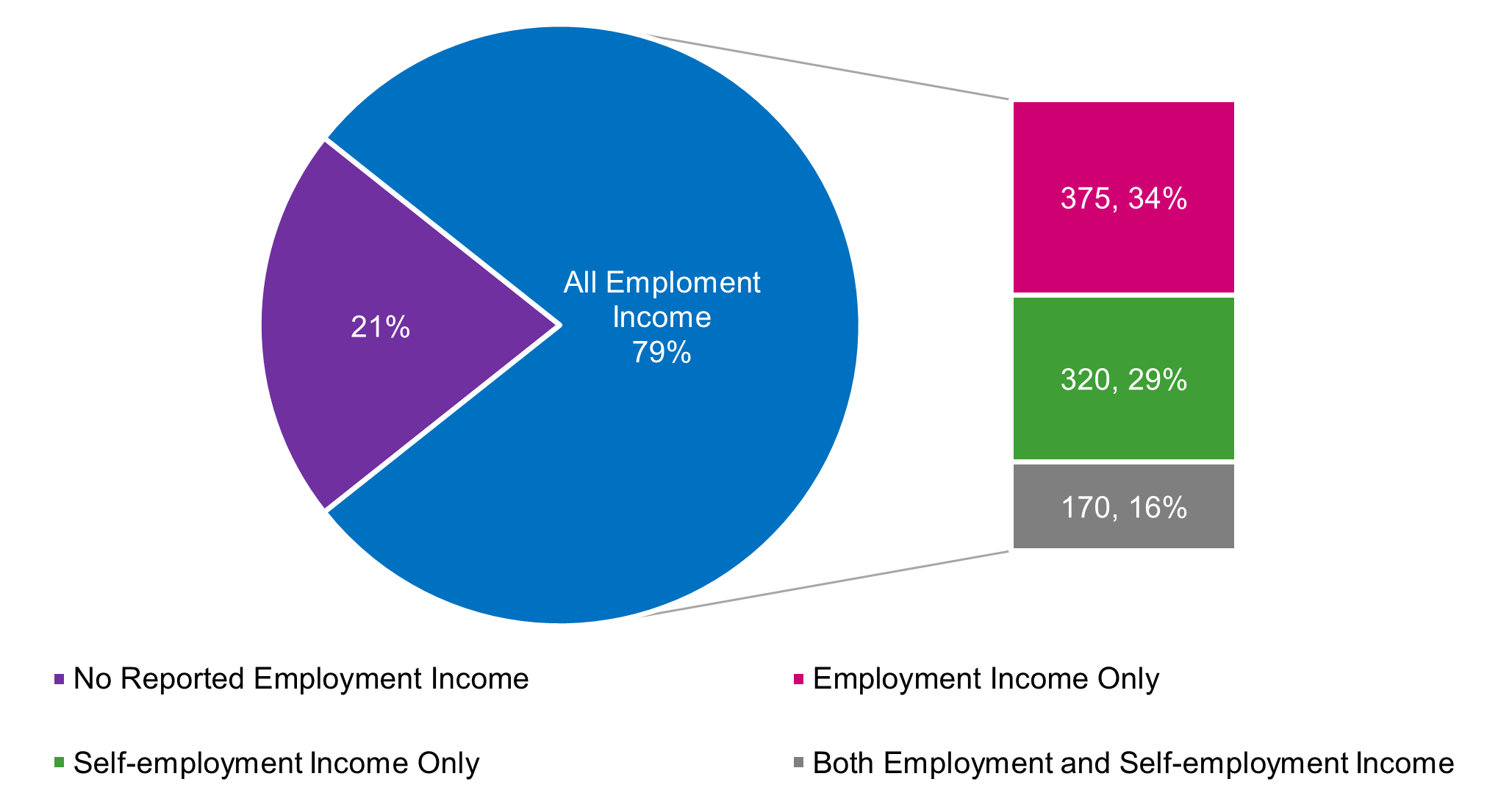
Text version of figure 5
The figure shows a bar of pie chart illustrating the distribution of Self‑Employed principal applicants (2014–2021 grouped cohorts) by their type of employment income one year after admission. The full circle is divided into two slices: principal applicants reporting no employment income (21%) and principal applicants reporting any employment income (79%). To the right, a set of bars breaks down the ‘any employment income’ group into three categories: employment income only (375 admissions, 34%), self‑employment income only (320 admissions, 29%), and both employment and self‑employment income (170 admissions, 16%).
Note: Based on reported income types for the 2014 - 2021 grouped admission cohorts.
Source: IMDB data
Program Design
Finding 3: Several fundamental design issues were identified, notably unclear program objectives and overly broad eligibility criteria.
The program’s purpose and intent have been questioned for years, with documents dating back to the 1990s identifying concerns. Over the years, the SE Program has been criticized for having unclear objectives, vague eligibility criteria, and weak alignment with overarching business and economic immigration priorities.
Some interviewees described the program as having dual intent – supporting self-employed individuals who may have no clear pathway to permanent residence via other immigration programs, while also functioning as a global talent stream for world-class athletes and artists.
The program objectives lack clarity and definition.
The program’s intended objectives and outcomes were found to be vague and insufficiently defined, with documents and interviewees unable to clearly and consistently define them. While many interviewees offered interpretations of the program’s purpose, there was consensus that its underlying policy intent lacks clarity.
Evidence suggested that the program’s vaguely defined objectives and lack of measurable outcomes have led to varied interpretations of its purpose among applicants, processing officers, and stakeholders. This has contributed to uncertainty about who the program is intended to serve, and has made it difficult to assess whether applicants align with the program’s intent.
For example, the program aims to attract individuals who “will make a significant contribution to the cultural or athletic life of Canada”, yet it does not describe what qualifies as a significant contribution or outline which aspects of Canada’s cultural or athletic life are being prioritized.
Vague program objectives have made the target population unclear.
Ambiguity is further reflected in the program’s shifting objectives, evolving eligibility criteria, and changes to the target population over time, with different groups prioritized at different times and no clear overarching rationale connecting them. In particular, the logic of grouping athletics, culture, and farm management under the same program was questioned. Similar observations were noted in IRCC’s 2014 evaluation of the Federal Business Immigration Program.
Interviewees and documents highlighted that the program’s desired target population is obscured:
- The program is currently open to anyone with self-employed experience in art, culture or athletics, which may reduce the overall quality or distinctiveness of applicants and limit its ability to attract top global talent.
- The current focus on athletes and artists limits the program’s ability to attract other self-employed professionals who may face barriers to applying through other federal economic programs, despite their potential to contribute social or cultural value and align more closely with Canada’s economic immigration priorities. Specifically, interviewees cited self-employed doctors, lawyers, academics, digital creators, and those working in the humanities as examples.
Eligibility requirements lack sufficient selectivity.
Interviewees characterized the program’s selection criteria as nebulous and overly qualitative, with criticism particularly focused on the requirement that applicants meet the regulatory definition of a “self-employed person”.
In IRCC’s publicly available glossary of terms, a self-employed person is defined as: An immigrant admitted to Canada because they have relevant experience in working for himself or herself. The person must intend and be able to become self-employed in Canada in the arts or athletics.
When applying to immigrate as a self-employed person, experience must be in one of these areas: self-employment in cultural activities or athletics, or participating in cultural activities or athletics at the world-class level.
Interviewees noted an absence of established criteria or benchmarks to assess the significance of a contribution or determine whether experience qualifies as “world-class.” Substantial room is said to be left for interpretation, first by applicants trying to meet the standard, and later by processing officers in determining whether it has been met.
In addition to meeting the definition of a self-employed person, applicants must obtain 35 points (out of a possible 100) based on the program’s five selection criteria and points system (Table 2). While the program awards more points for higher levels of education or language proficiency, it does not set minimum requirements in these areas, unlike other economic immigration programs. As a result, applicants can technically pass the selection grid (receive 35 points), while scoring zero in either education or language proficiency. Documents and interviewees described these requirements as low relative to other economic programs.
| Selection criteria | Maximum points |
|---|---|
| Education | 25 |
| Experience | 35 |
| Age | 10 |
| Ability in English and/or French | 24 |
| Adaptability | 6 |
| Total | 100 |
A 2017 review of the broader Business Immigration Program found that selection system biases related to age and education may be counterproductive to the program, noting that many accomplished individuals in the relevant talent pools are between the ages of 40 and 70, have limited or no post-secondary education, or have relatively low language proficiency.
A separate study, however, found that high performance athletes often face post-retirement employment and financial challenges due to short athletic careers, limited transferable skills, and a lack of formal education or work experience.Footnote 6
Program Delivery
Finding 4: Program delivery has been hindered by a significant application backlog, lengthy processing times, and high refusal rates.
The program faced a persistent application backlog.
Application intake for the SE Program, while low in absolute terms, has consistently outpaced the available admissions space. Documents and interviewees described limited immigration levels space as a key factor driving the backlog, noting that application backlogs accumulate when intake outpaces the number of admissions spaces approved by the Government of Canada.
A secondary factor that exacerbated the backlog was reduced processing capacity during the pandemic. In the years leading up to and during the COVID-19 pandemic (2017-2021), SE Program application intake nearly doubled the total annual Business admission targets, a pressure intensified by even greater intake under the SUV Program.
In recent years, IRCC has taken steps to reduce the application inventory and associated processing times.
- First, the number of allocated Business program admissions increased significantly, rising from 1,000 in 2022 to 3,500 in 2023 and 5,000 in 2024, allowing the Department to process more applications.
- Second, the program is currently subject to a full application intake pause, which is expected to remain in effect through 2026. This prevents the backlog from growing while the Department focuses on processing applications already received.
In November 2025, IRCC reported that approximately 8,500 individuals were awaiting a decision under the program,Footnote 7 which is down from the peak of more than 11,000 when the application intake pause was introduced in April 2024. While inventory reduction will continue due to the intake pause, the rate of its reduction will slow in light of the major reductions in Business admissions space in 2025 and 2026, dropping to 2,000 and 500 admissions, respectively.
The program’s processing times are among the longest across all economic programs.
The SE Program, along with the SUV Program, experiences lengthy processing times – among the longest of all economic programs. This is a challenge, as Canada’s competitiveness in attracting global talent is closely linked to processing efficiency; the longer applications take to process, the higher the likelihood that exceptional applicants will purse opportunities elsewhere.
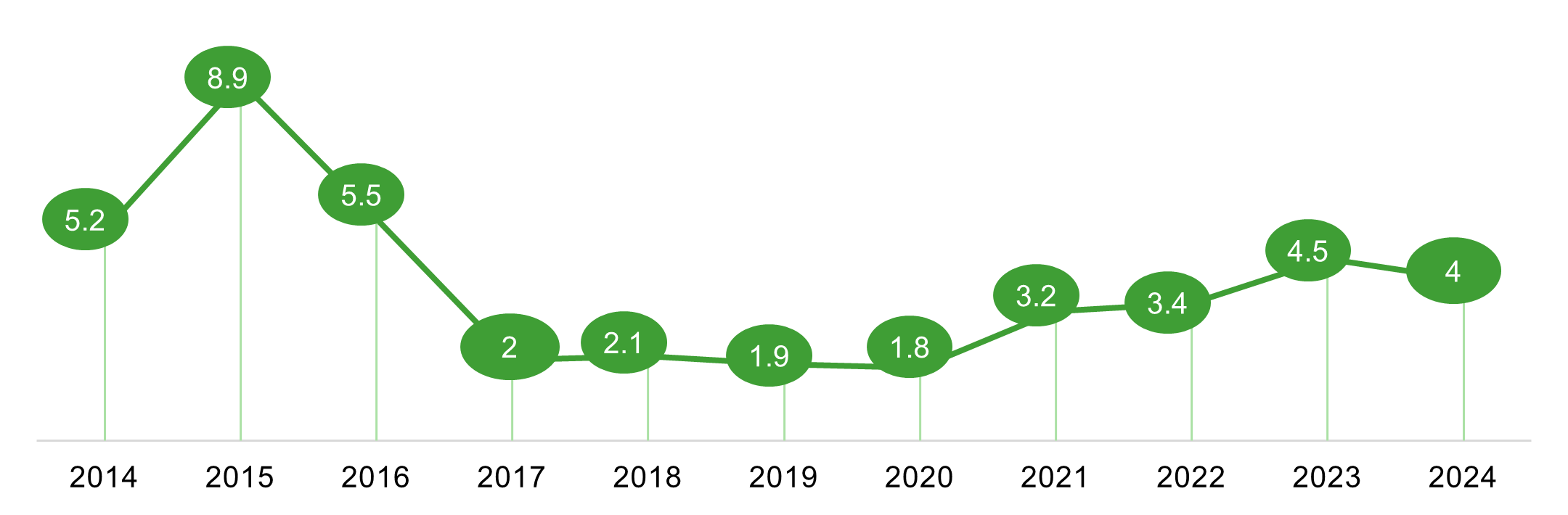
Text version of figure 6
The figure shows a line graph illustrating processing times, in years, for the Self-Employed Persons Program between 2014 and 2024. The following data points are included: 2014: 5.2 years; 2015: 8.9 years; 2016: 5.5 years; 2017: 2 years; 2018: 2.1 years; 2019: 1.9 years; 2020: 1.8 years; 2021: 3.2 years; 2022: 3.4 years; 2023: 4.5 years; 2024: 4 years.
Note: Processing times refer to the time in which 80% of applications were finalized by IRCC and include applications that were finalized in the last 6 months of the date stated.
Source: Cognos (CBR) as of October 19, 2025
In fall 2025, IRCC began publishing forward-looking processing time estimates for the SE Program on their website, resulting in substantially longer projected wait times. These estimates are now based on the volume of applications in the program’s inventory (≈ 8,500 as of November 2025) and the number IRCC excepts to process within the approved targets in the annual Immigration Levels Plan. According to the processing time tool on IRCC’s website, clients who applied after July 2022 can expect to wait more than 10 years for a decision.
Interviewees emphasized the complexities of processing SE applications, citing the considerable qualitative review and judgment required of officers – particularly in applying the “significant contribution” test for athletes and artists, and in verifying farming experience for the farm management stream.
They further noted that processing officers are not subject matter experts, nor do they have a detailed understanding of the viability of work in these fields across different labour markets. This lack of specialized expertise is said to make it difficult for processing officers to assess applications efficiently, contributing to longer processing times and inconsistent decision-making.
The program has experienced consistently high refusal rates.
Between 2014 and 2024, the program had an average refusal rate of 69%, with a high of 81% in 2015. This was generally seen as the result of selection criteria that lacks sufficient clarity for applicants, and the absence of a consistent and clearly defined target population.
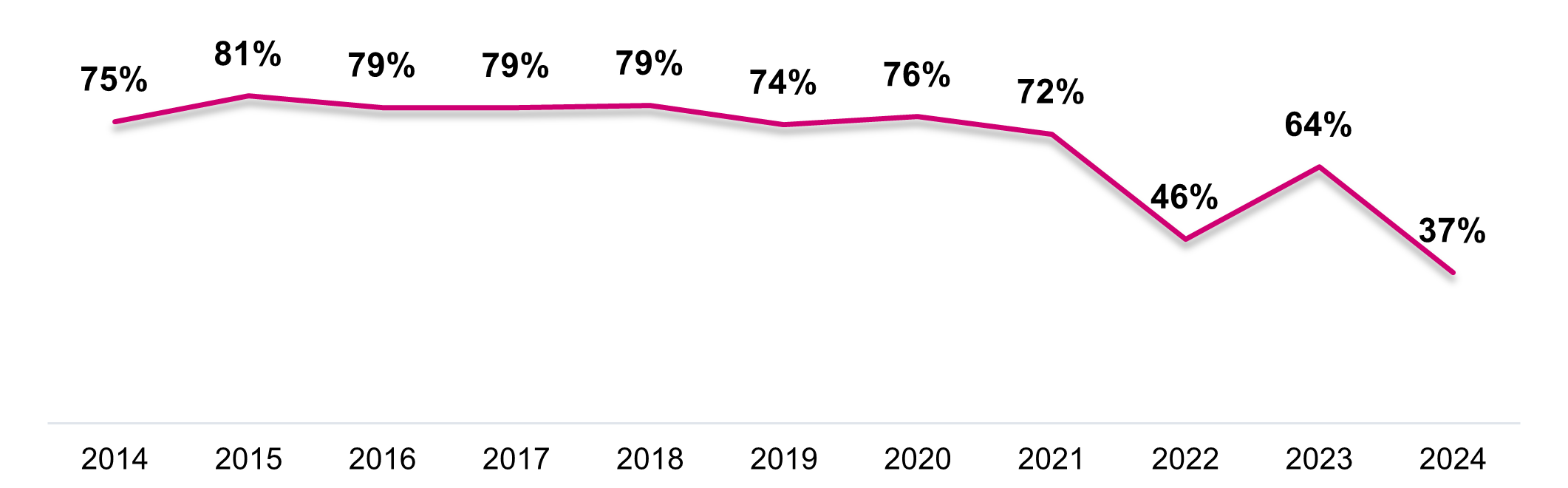
Text version of figure 7
The figure shows a line graph illustrating refusal rates by year for the Self-Employed Persons Program between 2014 and 2024. The following data points are included: 2014: 75%; 2015: 81%; 2016: 79%; 2017: 79%; 2018: 79%; 2019: 74%; 2020: 76%; 2021: 72%; 2022: 46%; 2023: 64%; 2024: 37%.
Note: The refusal rate is calculated by dividing the number of refused applications by the sum of approved and refused applications.
Source: Cognos (CBR) as of October 19, 2025
Both documents and interviewees also suggested confusion among processing officers in interpreting and applying eligibility criteria, associating it with inconsistent decision-making and, in some cases, overly risk-averse practices.
The program was described as having broad eligibility criteria and low minimum requirements, making it relatively easy to qualify. Internal documents and interviewees suggested that it may be viewed by some as a “last resort” pathway to obtaining permanent residence in Canada, particularly for individuals who do not meet the requirements for traditional economic programs (e.g., FSW and CEC).
The program lacks a robust selection mechanism.
The absence of a mechanism to screen applicants against predefined criteria was highlighted as a key challenge, resulting in no prioritization and leaving all applicants in the queue for processing. This issue was previously identified in the 2014 Evaluation of the Federal Business Immigration Program, which found that IRCC had not effectively managed the intake of applications, resulting in a large inventory. It was recommended at the time that the Department improve the management of application intake.
Several interviewees identified an Expression of Interest (EOI) model as a possible solution, suggesting that it could have prevented some delivery issues (e.g., high refusal rates and backlog) by enabling the program to prioritize and process candidates most likely to succeed. However, the qualitative and subjective nature of the eligibility criteria limits the feasibility of such an approach.
Continued Need
Finding 5: There is an ongoing need for a permanent residence pathway for exceptional talent, but the current program design is misaligned with that purpose.
Both documents and interviewees described an ongoing need for the PR pathway offered through the SE Program, highlighting that, in its absence, gaps would exist for some self-employed professionals within Canada’s economic immigration system. Canada would also reportedly lack a strategic mechanism for attracting and retaining exceptional global talent. However, evidence also indicated that the program’s current design is misaligned with these objectives and is not fit for purpose.
The program supports the arts, culture, and sports sectors - key and expanding contributors to Canada’s economy.
The arts, culture, and sports sectors contribute significantly to Canada's economy. In 2023, they generated $70.8 billion in nominal GDP, a 5.6% increase from 2022 that outpaced overall economic growth of 2.7%. Ontario, Québec, and British Columbia saw the largest gains.Footnote 8 A report from the Ontario Arts Council found that the average arts and culture trip has nearly triple the economic impact of non-arts and culture trips in Ontario, with these tourists driving higher spending and longer stays.Footnote 9
If effectively designed and implemented, the SE Program could support the growth of Canada’s arts, culture, and sports sectors by attracting individuals with relevant skills and experience. However, evidence indicated that these sectors are already highly competitive, often characterized by lower pay, less stability, and a higher risk of unemployment. Introducing additional international competition could therefore make it more difficult for Canadians to access opportunities in these fields.
The program helps address gaps left by other immigration streams.
The SE Program was frequently described as addressing gaps in other economic immigration programs, particularly the federal high-skilled programs administered through Express Entry, and more specifically, CEC.
It was consistently highlighted that self-employment does not count toward the minimum requirements for CEC. As a result, some self-employed artists and athletes (and others) are effectively excluded from the program. This can leave them in a prolonged state of temporary residency, creating challenges in integrating into Canadian society and reducing Canada’s attractiveness to potential world-class talent.
Several interviewees noted that some exceptionally talented individuals – namely, artists and athletes – possess unique professional characteristics that make them less likely to be eligible for traditional economic immigration programs. This includes unique work experience, often acquired through self-employment, and non-traditional or incomplete educational credentials. Additionally, those who have spent decades attaining expertise may have an age profile that tends to be penalized in youth-focused selection processes.
While stakeholder interest in the program was relatively low, it’s importance to the success of some niche organizations and ensembles was emphasized in both documents and interview data.
SE clients may align with Canada’s goal of attracting top global talent.
The Self-Employed Persons Program is focused on cultural enrichment rather than economic growth. This results in a natural misalignment with current economic immigration priorities, which emphasize attracting applicants who can make meaningful economic contributions, address labour shortages in key sectors (i.e., healthcare and trades), and support transitions of temporary residents to permanent residency. Nevertheless, it remains relevant to broader immigration objectives and supports key government priorities.
Exceptionally talented newcomers bring benefits to Canada that align with objectives set out in IRPA. Specifically, Section 3(1)(b): “to enrich and strengthen the cultural and social fabric of Canadian society, while respecting the federal, bilingual and multicultural character of Canada.”
The program’s ability to facilitate permanent residence for individuals with exceptional talent, those with “world-class experience” or potential, aligns with the federal government’s emphasis on attracting top global talent.
The population currently served by the program could include high-performing professionals, those with exceptional abilities whose contributions could help shape Canada’s cultural diversity, support its global competitiveness, and drive economic growth.
Exceptional talent brings fresh ideas, perspectives, and creativity that enrich Canadian society. Elite athletes, moreover, serve as role models, and can foster community cohesion, inspire national pride, and elevate Canada’s presence on the world stage. Evidence underscored the continued need for a pathway to attract and admit exceptionally talented individuals, often described as “the best of the best.” However, the program’s lack of selectivity and lengthy processing times are said to detract from its ability to attract and admit world-class talent.
Overall, evidence points to a continued need for the permanent residence pathway offered through the SE Program, but more selectivity is needed.
While the program’s design is not fit for purpose, there are strong arguments in favour of maintaining the facilitative pathway to permanent residence it provides for exceptionally talented foreign nationals. Several OECD countries offer purpose-built pathways for these individuals,Footnote 10 and Canada needs to remain not only relevant but also competitive.
Some interviewees noted that supporting this group has been a core intent of the program since its inception, though design challenges have limited its ability to consistently deliver on that focus.
Conclusions and Recommendations
Conclusions
The Self-Employed Persons Program was initially designed as an economic immigration pathway for self-employed foreign nationals who could contribute to Canada’s economy. Over time, it evolved into a niche program focused on artists and athletes with the potential to enrich the country’s cultural and athletic vitality.
The program has effectively admitted individuals who work in occupations in art, culture, and sport, sectors that generate meaningful social and cultural value for Canada – revitalizing communities, supporting cultural diplomacy, and fostering inclusion, cohesion, and national pride.
SE PAs have also contributed modestly to the economy by participating in the labour force and supporting key growth sectors. However, most report low employment earnings and are primarily active in the labour markets of just two cities: Toronto and Vancouver.
The program faces persistent design and delivery challenges. Its intent remains unclear, having shifted focus over time without a documented rationale for the inclusion or grouping of target populations. There is no clearly articulated or communicated rationale for the program or its placement within Canada’s economic immigration framework.
The program’s broad eligibility criteria allow nearly all foreign nationals with self-employment experience in cultural or athletic fields to apply, resulting in a consistently high volume of unprocessed applications relative to its limited admissions capacity, as set out in the annual Immigration Levels Plans. The program experiences high refusal rates, long processing times, and a significant application backlog. These issues risk undermining public confidence in both the program and the broader immigration system.
Nevertheless, there is a continued need for the pathway to permanent residence offered by the program. It addresses a gap in the immigration system left by traditional economic programs, providing access for exceptionally talented artists and athletes who might not otherwise qualify.
This need is particularly relevant given the government’s commitment to attracting top global talent. As other countries continue to offer dedicated immigration pathways for exceptional individuals, it is important that Canada maintain mechanisms to attract and retain those with the potential to enhance Canada’s relevance, appeal, and competitiveness on the global stage.
Recommendations
In light of these findings, one recommendation has been advanced to guide future policy and program design.
Recommendation 1: The Self-Employed Persons Program, as currently designed, while bringing certain cultural and social benefits, is no longer fit for purpose within Canada's economic immigration class.
As such, IRCC should explore options for maintaining pathways to permanent residence for top global talent, ensuring they are:
- Well-aligned with the objectives of economic immigration, including those set out in the Immigration and Refugee Protection Act.
- Designed with clear objectives and specific, measurable outcomes.
Annex A: Key Events and Milestones
- 1978
- The SE Program was first introduced through Regulations in 1978 as part of a suite of business immigration programs, including Entrepreneurs and Self-Employed Immigrants.
- 1984
-
The SE Program was amended in 1984 to remove the requirement that self-employed persons create additional employment opportunities.
Eligibility criteria were tightened to include both the ability and intent to become self-employed.
- 1986
- By 1986, the Business Program expanded to also include Investors.
- 1990s
- During the 1990s, the SE Program expanded to include Self-employed individuals with experience in farm management, provided they had the intention and ability to purchase and manage a farm in Canada.
- 2002
- In 2002, the SE class was redefined under new immigration legislation, introducing an athletics sub-stream.
- 2014
- In 2014, the Economic Action Plan brought about the cancellation of both the Entrepreneur and Investor programs, replacing them with more targeted initiatives: the SUV Pilot (launched in 2013 and made permanent in 2018) and the Immigrant Investor Venture Capital Pilot (launched and concluded in 2015).
- 2018
- In 2018, IRCC temporarily suspended the acceptance of new applications under the farm management stream, restricting the SE Program to applicants with experience in the arts, culture, and sports.
- 2024
- In 2024, the Minister announced a full pause on application intake for the SE Program until the end of 2026 to address a substantial backlog of applications and assess options for reforming the program.