
Anne Laurin makes a difference through recruitment
There are methods and theories on how best to interview job applicants, but one hiring manager didn’t just tell potential candidates about the crazy work life of personal protective equipment procurement officers, she let them Zoom into a slice of her own work day.
Anne Laurin has been working for more than 18 years at Public Services and Procurement Canada as the Manager of the Scientific, Medical and Photographic Procurement Division. When the COVID-19 virus began to grip Canada in early March 2020, Anne and her colleagues were among the first to join the international hunt for personal protective equipment.
“I know the industry,” said Anne, “so for me, it was a natural transition to become a manager in the Pandemic Response Sector.”
Not so natural was the overnight transition to the pressure, the pace, the seemingly endless hours and the weekends devoured by work.
Knowing the industry and working in procurement were an essential advantage, but it was no guarantee that a person could handle the pressure. “We had to do a lot and do it fast,” said Anne.
So she developed what she calls a very rough version of an interview for potential candidates for the team. “I needed to see how they would hold up in very stressful circumstances,” she added. “I knew it was going to be a rough ride.”
From her home office, she gave the applicants an authentic taste of what they would be getting into.
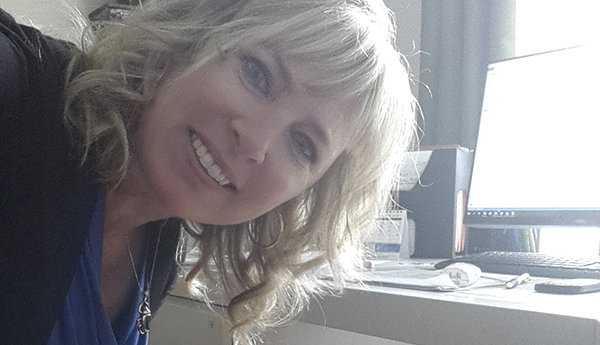
“I have two phones working all the time, and each phone has two lines,” she said. “I called the candidates on my husband’s phone, and my work phone would be ringing in the background. I was responding to calls as they came in, and at the same time, asking the interviewees questions. I wanted to see how they would react to all the craziness.”
“Some were junior, some were senior officers, but most asked if it was going to be like this all the time. I wanted to see if it were something they would like to do. Some said they weren’t interested. And I don't blame them for declining: it isn’t for everybody.”
On a regular day during those early months, Anne figures she was getting 200 calls per day, and more than 150 emails, not including the constant communication through social media. “I tried cleaning out some of my emails the other day,” she said during a September 2020 interview. “I had 12,000. I still have 10,000.”
“My husband would make sure I would eat and would bring me my meals in my home office. At night, I would dream of work, and sometimes I would actually find solutions during my sleep.”
A key part of Anne’s work was coordinating and juggling many priorities at the same time. “Everything needed to be found, negotiated, then reviewed,” she said. “So my employees would do the research and negotiations and prepare the draft contract. If they needed guidance, they could come to me. If it were something over my head, I would seek guidance; it was a team effort.”
“At times,” she added, “it was very stressful, but, ultimately, it became a well-oiled machine. We figured out quickly what worked and what didn’t.”
Anne says she is in awe of her great colleagues and their dedication to the point where they were accumulating so much overtime that she became concerned about their health. “The adrenaline drives you, but sometimes you get so tired,” she said. “I had to insist that they take statutory holidays at least. But they love the work, and they’re great at it.”
One of the common motivations among the procurement community has been the desire to make a difference, to ensure front-line healthcare workers are protected as they work to protect Canadians.
“I have good friends who have health issues,” added Anne. “My parents passed away many years ago, so I don’t have many older people in my environment, but I do have my husband, my sons, my friends and their parents, the people I love. So, making sure our front-line workers are well protected and getting the equipment they need is what keeps me going.”
Working on the COVID-19 team, she said, has also taught her a few things about herself.
“I didn’t know my limits,” she said. “Now I do. I reached those limits on a few occasions. I definitely now know the feeling of what I consider my red zone. I know when to draw the line and say that I need to tap out for a while, take a break.”
For more stories like this one, check out The faces behind the masks.