
House Standing Committee on Public Accounts (PACP): 2025 Report of the Auditor General of Canada Housing Canadian Armed Forces Members - April 13, 2026
On this page
- Appearance Details
- Member profiles
- Auditor General Report on Housing Canadian Armed Forces Members
- Military Housing
- Infrastructure on Bases and Wings
- Contaminated Sites
- Recruitment and Retention
- Defence Construction Canada
- NATO Investment Pledge
- Auditor General Report on Canadian Armed Forces Recruitment
- Indigenous Engagement
- Defence Industrial Strategy
Appearance Details
- Date:
- 13 April 2026
- Location:
- Room 415, Wellington Building, 197 Sparks Street
- Time:
- 11:00 – 13:00
- Witnesses:
- Department of National Defence and the Canadian Armed Forces
- Christiane Fox, Deputy Minister
- Lieutenant-General Stephen Kelsey, Vice Chief of the Defence Staff
- Peter Hammerschmidt, Assistant Deputy Minister Infrastructure and Environment
- Lieutenant-General E.D. Simoneau, Commander Military Personnel Command
- Canadian Forces Housing Agency
- Paola Zurro, Chief Executive Officer
- Department of National Defence and the Canadian Armed Forces
Member profiles
In this section
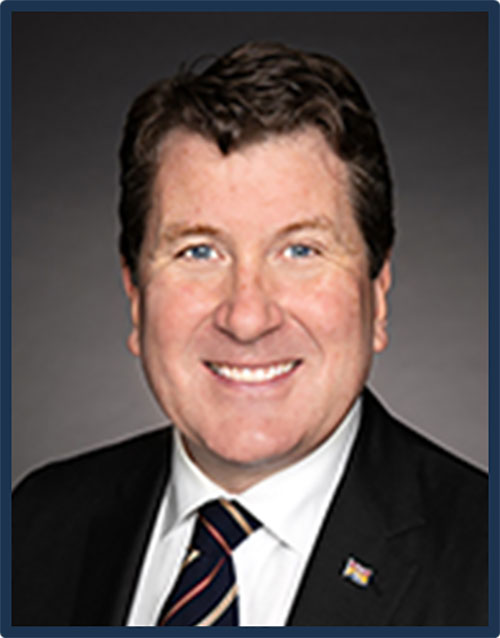
John Williamson
CPC - Saint John-St. Croix, New Brunswick
Profile
Role at the Standing Committee on Public Accounts (PACP): Chair, member since 2022
Connection to National Defence: Riding includes part of CFB Gagetown. Spouse is a Senior Officer in the Royal Canadian Navy. Former member of the Standing Committee on National Defence (2013 – 2015).
Key Interests: Government contracting and defence procurement; government accountability; crime and gun control; affordability and cost of living; national security and Canada–China relations.
Recent Interventions at PACP:
- Has emphasized the need for greater transparency and accountability over military spending, quicker and more efficient procurement processes, and avoiding cost overruns and delays.
Recent Interventions in the House:
- March 2026: (House Debate on Firearms and Public Safety) Criticized the Government’s firearms policies for targeting law‑abiding Canadians instead of addressing gun crime, smuggling, and gangs, arguing that confiscation measures waste police resources and taxpayer dollars while doing little to improve public safety. “Law‑abiding firearms owners are not the cause of crime. Confiscating legally purchased and heavily regulated property will not stop criminals; it will not stop smuggling and it will not stop gang violence.”
- November 2025: (In Debate on Budget 2025) The Government’s spending and debt have made life less affordable for Canadians and called for a Conservative-led change toward fiscal discipline and policies that reward work and restore economic opportunity. “Now is not the time to try to repeat what has already failed and will fail again. We are a country rich in resources, talent and possibility […] This is why I cannot support the budget as it stands today.”
- November 2025: (Bill C-237 Fisheries Act) Rose to speak in support of the bill, emphasizing the cultural and economic importance of fishing, especially during an affordability crisis.
- June 2025: Through a series of interventions during House debates, addressed crime and gun control, criticizing the Government’s approach of targeting legal gun ownership over fighting gun crime in Canadian cities.
Professional History:
- Years elected: 2011, 2019, 2021, 2025
- Prior occupation: Media: Editorial Writer, National Post (1998 – 2001); Advocacy: National Director, Canadian Taxpayers Federation (2004 – 2008); Politics: Director of Communications, Office of the Prime Minister (2009 – 2010).
- Education: Bachelor’s degree (Economics and Political Science) from McGill University; Master’s degree (Economic History) from the London School of Economics.
- Other Committees: Liaison Committee (2022 – Present); Special Committee on Canada-China Relations (2020 – 2021); Standing Committee on Official Languages (2011 – 2013,2020 – 2021); Special Committee on the COVID-19 Pandemic (2020); Standing Committee on National Defence (2013 – 2015).
- Other Defence-related Parliamentary Roles: Canada NATO Parliamentary Association (2011 – 2013,2026)

Jean Yip
LPC - Scarborough-Agincourt, Ontario
Profile
Role at the Standing Committee on Public Accounts (PACP): Vice-Chair, member since 2018.
Connection to National Defence: Through her parliamentary committee work, has engaged in discussions related to military justice, Operation HONOUR, and the recruitment and retention of pilots within the Canadian Armed Forces.
Key Interests: Government ethics and conflicts of interest; international trade and tariff policy; government contracting and procurement; affordability; community safety.
Recent Interventions at PACP:
- October 2025: At National Defence’s appearance on Report 2, Delivering Canada’s Future Fighter Jet Capability, Ms. Yip pressed officials on significant delays in the construction of the fighter squadron facilities at Cold Lake and Bagotville, noting they were “more than three years behind schedule.”
- October 2025: At National Defence’s appearance on Report 5, Professional Services Contracts, Ms. Yip asked about DND's procurement practices, focusing on conflict-of-interest procedures, non-competitive contracts, and documentation.
- September 2025: Ms. Yip discussed the reports under consideration for study by PACP and expressed an interest in those by the Environment Commissioner as well as Current and Future Use of Federal Office Space citing concerns over housing.
- June 2025: Ms. Yip asked the Auditor General several questions on Report 4, Professional Services Contracts, and public servants’ adherence to procurement rules.
Recent Interventions in the House:
- March 2026: (Oral Questions) Spoke in support of the budget implementation legislation, highlighting investments benefiting families in her riding and emphasizing economic resilience, long term prosperity, growth, and modernization of Canada’s tax and financial systems, while asking the finance minister how the bill would further help Canadians.
- November 2025: (Debate on Bill C-242 Jail Not Bail Act) Spoke on the growing public concern about violent crime, repeat offenders and community safety, framing Bill C-242 as part of a broader debate on strengthening Canada’s bail system. Ms. Yip stressed the need for evidence based, collaborative reforms that balance firmness with fairness, maintain public confidence and ensure that communities remain safe.
- June 2025: (Question Period) Asked the Minister of International Trade about Canada’s plans for trade diversification.
- June 2025: (Member Statements) Committed to focus on affordability, tariff concerns and community safety.
Professional History:
- Years elected: 2017 (by-election, widow of Arnold Chan, her predecessor), 2019, 2021, 2025.
- Prior occupation: Insurance: Holds the Fellow Chartered Insurance Professional Designation; Teacher: School teacher United Church (2005 – 2017); Science and Tech: Involved with the STEM Fellowship Board of Directors which promotes computer literacy and programming capacity among youth (2017– Present).
- Education: Bachelor’s degree (Labour Management Relations and Sociology) from the University of Toronto.
- Other Committees: Current member of NATO Parliamentary Association (2018 – 2026); Special Committee on the Canada–People’s Republic of China Relationship (2020 – 2021, 2022 – 2025).
- Other Defence-related Parliamentary Roles: NATO Parliamentary Association (2018 – 2026).

Sébastien Lemire
BQ - Abitibi - Témiscamingue, Québec
Profile
Political Role: Critic: Regional Economic Development (since 2021), Public Accounts, Indigenous Relations, and Sport (2025 – present).
Role at the Standing Committee on Public Accounts (PACP): Vice-Chair, New Member. Replaced, Nathalie Sinclair Desgagné, his former colleague from Terrebonne.
Connection to National Defence: The 34 Combat Engineer Regiment detachment is located within Mr. Lemire’s riding and he has advocated for a strengthened military presence in his riding.
Key Interests: Government contracting and procurement reform; federal IT procurement; Francophone and Quebec interests; regional and northern development; Indigenous relations; agricultural innovation and climate resilience; forestry and environmental sustainability.
Recent Interventions at PACP:
- October 2025: Mr. Lemire pressed the Auditor General on CAF recruitment data gaps, asking whether DND collects recruitment information for francophones and Quebec vs. other provinces. Citing the closure of the Abitibi–Témiscamingue recruiting office, Mr. Lemire called for local recruiting centres and more face‑to‑face recruiting.
- October 2025: At National Defence’s appearance on Report 5, Professional Services Contracts, Mr. Lemire questioned the increasing use of consultants by the government and the challenge of developing in-house expertise.
- October 2025: At National Defence’s appearance on Report 2, Delivering Canada’s Future Fighter Jet Capability, Mr. Lemire focused on Canada reducing dependence on the United States, military interoperability with allies, and opportunities to invest in the Quebec aerospace economy.
- September 2025: Brought forward two motions that he tabled on June 16 regarding studies that he would like the committee to undertake. The first was a study of the federal government’s financial commitments related to the 2026 FIFA World Cup as they appear in the Public Accounts of Canada. The second, that the Auditor General conduct a performance audit of the Federal Additions to Reserve process.
Recent Interventions in the House:
- March 2026: (Debate on concurrence in the Eighth Report of the Standing Committee on Public Accounts and related debates) Mr. Lemire moved a concurrence motion calling for a public, independent inquiry into federal information technology contracts, with specific reference to Cúram, Phoenix, ArriveCAN, and Benefits Delivery Modernization, arguing that these projects demonstrate systemic failures in procurement, cost control, and internal expertise.
- February 2026: (Oral Question) Mr. Lemire repeatedly questioned the government on Cúram-related failures, citing significant cost overruns and delays affecting tens of thousands of seniors receiving Old Age Security and other benefits, and pressing the government on accountability for federal IT management.
- December 2025: (Debate on Budget 2025) Mr. Lemire raised concerns about repeated failures in federal information technology projects, including early criticism of the Benefits Delivery Modernization program and the Cúram software, warning of escalating costs and weaknesses in federal oversight.
- November 2025: (Debates on Budget 2025) Mr. Lemire questioned whether it was responsible to invest in defence by using deficit spending.
- June 2025: (Debates on Main Estimates 2025-2026) Spoke in support of investing in a national aerospace policy, with the stated goal of enabling Canada to “build an aircraft from nose to tail” in Montreal. He has also expressed a preference for Canadian companies to manage critical mineral extraction and for an increase in the amount of resource refinement conducted in Canada (rather than exporting raw materials).
Professional History:
- Years elected: 2019, 2021, 2025
- Prior occupation: Communications: Worked in various political and union communications jobs in Montreal and in Abitibi-Témiscamingue prior to being elected. Also served as President of the Bloc Québécois youth association.
- Education: Studied Public Administration at Université de Sherbrooke, at the Collège des administrateurs de sociétés and at the École national d’administration publique (ENAP).
- Other Committees: Standing Committee on Agriculture and Agri-Food (2026 – present); Standing Committee on Indigenous Affairs and Northern Affairs (2024 – 2026); Former Member: Standing Committee on Industry and Technology (2020 – 2024) (Vice Chair); Special Committee on the Covid-19 Pandemic (2020 – 2020).
- Other Defence-related Parliamentary Roles: Canadian NATO Parliamentary Association (2020 – 2026); Canadian Delegation to the Organization for Security and Co-operation in Europe Parliamentary Assembly (2020 – 2026).
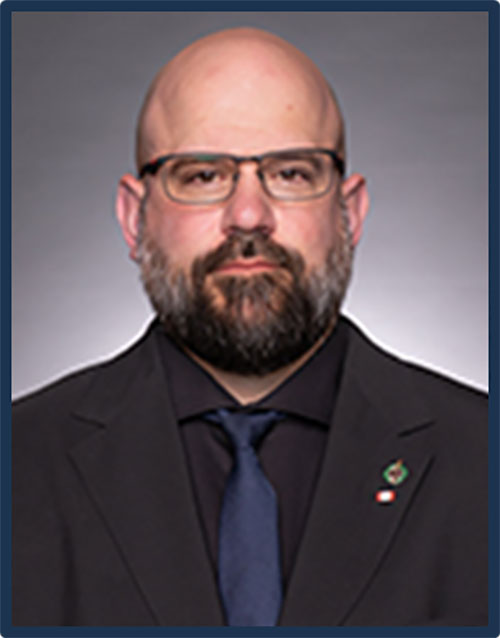
Ned Kuruc
CPC – Hamilton East – Stoney Creek, Ontario
Profile
Role at the Standing Committee on Public Accounts (PACP): Member since 2025.
Connection to National Defence: No known connections to National Defence.
Key Interests: Government contracting and procurement; affordable housing; community safety; online content regulation.
Recent Interventions at PACP:
- October 2025: Mr. Kuruc highlighted CAF recruiting drop‑off (191,000 applicants; 103,000 dropped; “one in 13” reaching basic training) and pressed why the CAF doesn’t track why candidates leave. He also raised National Defence housing concerns (about a 5,200‑unit shortfall and members “couch‑surfing”) and questioned whether the long‑term plan is adequate.
- October 2025: At National Defence’s appearance on Report 5, Professional Services Contracts, Mr. Kuruc, along with several fellow Conservative Party members, discussed efforts to recover funds from GCStrategies related to ArriveCAN.
- October 2025: On Report 2, Delivering Canada’s Future Fighter Jet, Mr. Kuruc raised broader strategic questions about domestic capacity versus reliance on allies, asking if “recent rocket procurements from the U.S. reduce our independence.” He also questioned the necessity of fifth-generation fighter jet capability and the possibility of a mixed fleet.
- September 2025: In regard to selecting the Auditor General reports for the committee to study, Mr. Kuruc recommended those on the Current and Future Use of Federal Office Space and Professional Service Contracts with GCStrategies.
- June 2025: In relation to the federal government contract with GCStrategies Inc. asked “is it standard practice for government departments to not check the skills and qualifications of people hired through their outsourcing contracts?”
Recent Interventions in the House:
- March 2026: (Question Period) Accused the Prime Minister of misleading Canadians about what was discussed with CCP leaders and pressed for accountability based on documents he requested.
- February 2026: (Debate on Bill C-20, Build Canada Homes) Opposed Bill C-20 by arguing it would add bureaucracy and spending without delivering the scale of homebuilding needed to improve affordability.
- February 2026: (Members’ Statement) Paid tribute to CAF Gunner Sebastian Halmagean (a Stoney Creek resident) who died while deployed in Latvia, offered condolences to the family, and highlighted his service.
- January 2026: (Petition on Religious Freedom related to Bill C-9) Tabled a petition calling for protection of religious freedom and urging the government to avoid overreach into places of worship.
- December 2025: (Debate on the Opposition Motion on an Alberta to West Coast Pipeline) Argued the government’s pipeline approach was not a real commitment and pushed for decisive pipeline action tied to jobs and economic growth, including impacts for Hamilton’s steel sector.
- November 2025: (Debate on Budget 2025 and Bill C-15, Budget Implementation) Criticized the government’s fiscal approach, arguing deficits and expanding bureaucracy were worsening affordability, including housing pressures.
- October 2025: (Question Period) Raised affordability concerns heard from constituents in his riding and pressed the government on inflation and the cost of living.
Professional History:
- Years elected: 2025
- Prior occupation: Entrepreneur: Owner of Neku Cannabis (2020 – Present); Director of Events and Fighter Acquisitions at K-1 Global; owner of several bars and nightclubs; Provincial Advisory Council: Appointed as the Council Chair to the Minister of Tourism, Sport and Culture’s Combative Sport Advisory Council (2024).
- Education: High school diploma from Orchard Park Secondary School.
- Other Committees: N/A
- Other Defence-related Parliamentary Roles: Canadian Delegation to the Organization for Security and Co-operation in Europe Parliamentary Assembly (2025-2026).
Gérard Deltell
CPC – Louis-Saint-Laurent – Akiawenhrahk, Québec
Profile
Role at the Standing Committee on Public Accounts (PACP): returning Member as of June 2025, previous member between 2017-2018.
Connection to National Defence: Riding is located near CFB Valcartier.
Key Interests: Government contracting and procurement transparency; defence spending and prioritization; supply management; affordability; employment; federal IT procurement; environment and climate change.
Recent Interventions at PACP:
- February 2026: While discussing the Public Accounts of Canada 2024 and the Public Accounts of Canada 2025, Mr. Deltell questioned the Auditor General (AG) about National Defence’s (DND) underestimation of $846 million in expenditures in its budget. The AG highlighted DND's accounting of expenses and the need for the department to better manage its accounts.
- October 2025: At National Defence’s appearance on Report 5, Professional Services Contracts, Mr. Deltell asked about DND's prolonged dependence on consultants such as McKinsey. He, along with several other Conservative Party members discussed efforts to recover funds from GCStrategies related to ArriveCAN.
- October 2025: At National Defence’s appearance on Report 2, Delivering Canada’s Future Fighter Jet Capability, Mr. Deltell expressed concern over controlling cost overruns, project risks, and the shortage of qualified pilots.
- June 2025: In addressing the Auditor General, Mr. Deltell spoke about cost overruns in government contracting and brought up the F-35 program and the accountability for elected officials.
Recent Interventions in the House:
- March 2026: (Government Orders on Iran and the Middle East) Mr. Deltell condemned Iran’s ayatollah regime as a long‑standing source of repression and terrorism, expressing solidarity with the Iranian people and supporting U.S. and Israeli military action to end it. He also criticized Canada’s Prime Minister for inconsistent and unclear leadership during the crisis, arguing that clarity is essential in wartime.
- December 2025: Mr. Deltell rose during Question Period to voice his opposition to the appointment of Mark Wisemen as Canada’s ambassador to the United States.
- September 2025: (Debate on Bill C-8) Mr. Deltell spoke on Bill C-8, An Act Respecting Cyber Security, emphasizing the global nature of cyber threats and the importance of protecting personal information. He called for clearer definitions within the Gill regarding what constitutes personal data, to ensure privacy is not compromised while enhancing cybersecurity.
- September 2025: (Debate on the Business of Supply) Mr. Deltell rose to address the carbon tax, noting his support for the oil and gas industries, and questioned whether Liberal MPs were truly listening to Quebeckers on this issue.
- June 2025: Mr. Deltell rose during debate on the Opposition Motion regarding GC Strategies Inc. and criticized the Government’s transparency and accountability.
Professional History:
- Years elected: 2015, 2019, 2021, 2025
- Prior occupation: TV correspondent at Noovo; Canadian TV network; CIRO-FM Radio station
- Education: Bachelor’s degree (History) from Université Laval.
- Other Committees: Standing Committee on Environment and Sustainable Development (2022-2025); Standing Committee on Industry and Technology (2022); Standing Committee on Natural Resources (2020).
- Other Defence-related Parliamentary Roles: Canadian NATO Parliamentary Association (2018-2019, 2026).

Kristina Tesser Derksen
LPC – Milton East – Halton Hills South, Ontario
Profile
Role at the Standing Committee on Public Accounts (PACP): New Member
Connection to National Defence: No known connections to National Defence.
Key Interests: Government contracting and procurement; civic education; housing; childcare; public safety; immigration and newcomer support.
Recent Interventions at PACP:
- October 2025: At National Defence’s appearance on Report 2, Delivering Canada’s Future Fighter Jet Capability, Ms. Tesser Derksen led the questioning on the increase in projected program costs, asking whether the $19 billion estimate in 2022 had adequately accounted for external risks such as inflation and exchange rate volatility, and if “contingency should have been baked in from the outset.”
- October 2025: At National Defence’s appearance on Report 5, Professional Services Contracts, Ms. Tesser Derksen the restrictiveness of big procurements, competition, and the integrity of professional services procurement.
- September 2025: Ms. Tesser Derksen expressed a special interest in the committee studying the environmental reports issued by the Commissioner of the Environment.
- June 2025: In relation to the federal government contract with GC Strategies Inc., asked about contextual factors, either internally or externally, “that may have created a fog within the department and that may have contributed to the relegation of rule-following”.
Recent Interventions in the House:
- March 2026: (Debate on Bill C‑232) Ms. Tesser Derksen opposed Bill C‑232, arguing it would keep some offenders in maximum security for their entire sentence, reduce rehabilitation opportunities, and could make communities less safe when people are eventually released.
- February 2026: February 2026: (Debate on Bill C‑15, open banking) She pointed to Bill C‑15’s open banking rules and asked how they would let Canadians safely share their banking data with trusted apps, so people can compare products, track spending, and make better financial choices.
- January 2026: (Statements by Members) She shared what she heard at a town hall about public safety and urged Parliament to move faster on Bill C-14 so communities see action sooner.
- November 2025: (Government Orders, Budget 2025) Ms. Tesser Derksen addressed the impact of American tariffs on Canada’s economy and emphasized budget measures to strengthen public safety, expand youth employment programs, support climate response, and increase housing supply.
- September 2025: (Statements by Members) She delivered a speech commemorating Armenia's Independence Day and reflected on the historical significance of the Georgetown Boys, a group of Armenian orphans brought to Canada in the 1920s.
Professional History:
- Years elected: 2025
- Prior occupation: Lawyer: Miller Thomson LLP (2013–2014); Johnson McMaster Professional Corporation (2014–2023); Greenwood Tesser Derksen (2023–2025); Municipal Politics: Milton Town Council (2018–2025).
- Education: Bachelor's degree (History and Political Science), Law degree from the University of Toronto.
- Other Committees: N/A
- Other Defence-related Parliamentary Roles: Canadian Delegation to the Organization for Security and Co-operation in Europe Parliamentary Assembly (2025–2026), Canadian NATO Parliamentary Association (2026).
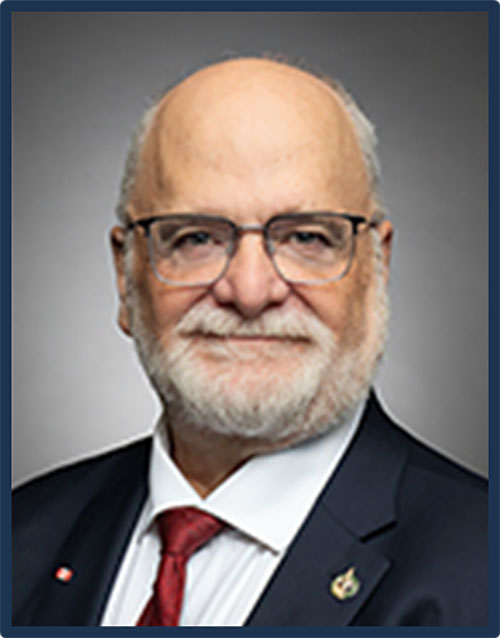
Ron McKinnon
LPC - Coquitlam—Port Coquitlam, British Columbia
Profile
Role at the Standing Committee on Public Accounts (PACP): New Member
Connection to National Defence: Current Scientific Corporation, a company which manufactures electro optical/infrared night vision systems used in naval and defence applications is located in Mr. McKinnon’s riding.
Key Interests: Public safety; immigration and border policy; Indigenous reconciliation; government accountability; defence institutional reform; affordability and economic issues.
Recent Interventions at PACP:
- March 2026: He asked about the main bottlenecks on simplifying the federal pay system and requested a clear explanation of the timeline and where Dayforce stands. He also noted that pay rules can be hard to change because they’re tied to union agreement.
- February 2026: Mr. McKinnon questioned who decides to write off large debts owed to the federal government, and on what basis, then pressed how and how a public list would help Canadians understand the reasons for debt write-offs, not just the names and dollar amounts.
Recent Interventions in the House:
- February 2026: (Statements by Members, Mass Shooting in Tumbler Ridge) He delivered a statement expressing condolences, recognizing first responders and school staff, and saying Parliament stands with the community after the tragedy.
- November 2025: (Debate, budget public safety measures—RCMP/CBSA staffing) He pointed to the budget plan to add 1,000 RCMP and 1,000 CBSA officers as part of strengthening public safety and border enforcement capacity.
- October 2025: (Debate on Bill C-12) He supported the bill, saying it aims to streamline asylum processing while preserving due process and humanitarian protections, including relying on the pre removal risk assessment as a safeguard so people aren’t sent into danger.
- October 2025: (Debate on Bill C-11) Mr. McKinnon supported the bill, arguing it’s part of strengthening trust in the military justice system and moving key sexual offence matters into the civilian justice system, aligning with recommendations from the independent reviews.
- September 2025: (Oral Questions) Mr. McKinnon asked the Minister for an update on plans to “win the trade war” by expanding responsible resource exports, diversifying markets, and building the economy while working with First Nations rights holders.
- September 2025: (Oral Questions) He asked how Canadians can mark September 30 and what government is doing to address the legacy of residential schools and advance reconciliation.
Professional History:
- Years elected: 2019, 2021, 2025
- Prior occupation: Business Owner, Computer Systems Analyst, Meteorological Technician: Environment Canada’s Atmospheric Environment Service.
- Education: Diploma (Computer Technology) from Sothern Alberta Institute of Technology, Bachelor’s degree (Science) from University of Alberta.
- Other Committees: N/A
- Other Defence-related Parliamentary Roles: Canadian Delegation to the Organization for Security and Co-operation in Europe Parliamentary Assembly (2016 – 2021, 2023 – 2024, 2025– 2026), Canadian NATO Parliamentary Association (2016 – 2021, 2023 – 2024, 2025 – 2026).
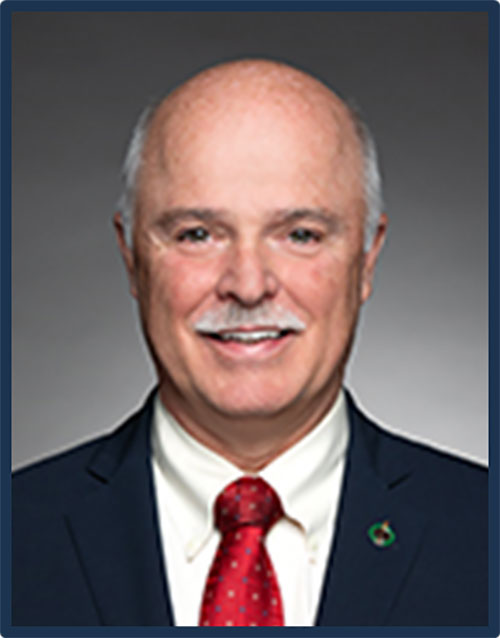
Tom Osborne
LPC – Cape Spear, Newfoundland and Labrador
Profile
Political Role: Parliamentary Secretary to the President of the Treasury Board.
Role at the Standing Committee on Public Accounts (PACP): New Member
Connection to National Defence: The member is newly elected and has no known connections to National Defence.
Key Interests: Government spending accountability and transparency; energy security; interprovincial trade; defence oversight and infrastructure.
Recent Interventions at PACP:
- October 2025: At the Auditor General’s appearance on the fall 2025 reports (including audits on CAF recruitment/training and National Defence housing), Mr. Osborne linked housing conditions to recruitment and retention, referenced Budget 2024’s $1.6 billion for CAF housing, and pressed for progress on the housing strategy. He also questioned whether recent investments and new recruitment strategies would address applicant drop-offs and raised other process reform needs (follow-up with applicants, automation, and better integration of recruitment/training systems).
- February 2026: Mr. Osborne referenced a “national defence and infrastructure plan” as part of the broader economic growth outlook (alongside new trade deals and reducing interprovincial barriers), noting the Parliamentary Budget Officer had not factored those elements into growth projections.
- October 2025: At National Defence’s appearance on Report 2, Delivering Canada’s Future Fighter Jet Capability, Mr. Osborne questioned officials on Canada’s readiness to receive the F 35s, including meeting joint strike fighter program requirements, air control and air attack capabilities, recruitment of pilots and maintenance personnel, improvements to proactive risk management, the economic impacts of increased defence spending, and potential upgrades for fighter bases beyond Bagotville and Cold Lake. Mr. Osborne also linked industrial capacity to workforce development, asking what the Defence Industrial Strategy (DIS) would mean for Canada’s economy.
- September 2025: Mr. Osborne asked the Auditor General, who was appearing as a witness to discuss the 2025 Reports, to provide recommendations on how government departments can better follow procurement rules.
- June 2025: Mr. Osborne addressed the Auditor General regarding rules surrounding financial administration in government.
Recent Interventions in the House:
- February 2026: (Debate on a food fishery/cod fishery bill) Mr. Osborne opposed what he characterized as a “tax on food” approach for the food fishery (mandatory licence/fees and reporting), stressing consultation and protecting the balance between food and commercial fisheries.
- January 2026: (Debate on grocery prices/food inflation and affordability) Mr. Osborne argued that the opposition routinely vote against affordability programs (e.g., childcare, dental, school food, and tax measures) and urged them to support measures that “make things easier.”
- November 2025: (Oral Questions) Mr. Osborne emphasized the need to strengthen national defence in a more dangerous and divided world, highlighted the government’s major defence investments, and criticized the opposition for voting against pay increases for Canadian Armed Forces members and broader defence funding.
- June 2025: (Debate on Main Estimates 2025-26) Mr. Osborne reinforced that the increased spending in the Canadian Armed Forces is to ensure that they have equipment, health care and health insurance, respect, and that the CAF is seen as a rewarding career.
Professional History:
- Years elected: 2025
- Prior occupation: Member of the House of Assembly (MHA) of Newfoundland and Labrador: MHA for Waterford Valley (1996-2024). Held various provincial Cabinet positions under both Progressive Conservative and Liberal Governments, including Minister of Finance, Minister of Health and Community Services, Minister of Education, Minister of Labour, and Minister of Justice.
- Other Committees: Subcommittee on Agenda and Procedure of the Standing Committee on Public Accounts (2025–Present).
- Other Defence-related Parliamentary Roles: Canadian Delegation to the Organization for Security and Co-operation in Europe Parliamentary Assembly (2025–2026); Canadian NATO Parliamentary Association (2025–2026).

Stephanie Kusie
CPC – Calgary Midnapore, Alberta
Profile
Political Role: Shadow Minister of the Treasury Board and the King’s Privy Council.
Role at the Standing Committee on Public Accounts (PACP): New Member, but previously, was a long-standing member of the Government Operations and Estimates Committee (OGGO).
Connection to National Defence: No known connections to National Defence.
Key Interests: Government contracting and procurement; defence spending and oversight; grants and contributions; affordability and cost of living; international security (China, Ukraine); organizational culture change.
Recent Interventions at PACP:
- October 2025: At National Defence’s appearance on Report 5, Professional Services Contracts Ms. Kusie questioned the Deputy Auditor General how such high levels of procurement non compliance were allowed to persist across most federal organizations. Ms. Kusie, along with several fellow members of the Conservative Party, discussed efforts to recover funds from GCStrategies related to ArriveCAN.
- October 2025: At National Defence’s appearance on Report 2, Delivering Canada’s Future Fighter Jet Capability, Ms. Kusie summarized long standing issues in the F-35 procurement and questioned officials on whether delays, cost increases and management decisions have undermined Canada’s readiness and NATO commitments.
- September 2025: Regarding committee business, Ms. Kusie recommended that the committee study the Auditor General reports on the Current and Future Use of Office Space, Professional Services, and GCStrategies.
- June 2025: Ms. Kusie questioned the Auditor General on ministerial accountability on releasing payment for deliverables that were not received.
Recent Interventions in the House:
- March 2026: (Debate on Concurrence Motion, PACP report on IT cost overruns) Ms. Kusie supported scrutiny of recurring IT failures and overruns across government systems (including Phoenix/Dayforce and ArriveCAN), framing this as a pattern of waste, weak controls, and lack of accountability.
- February 2026: (Members’ Statements) She addressed Canadians’ safety abroad following violence in Mexico, urged Canadians to register with consular services, and called on the government to provide appropriate resources on the ground.
- November 2025: (Private Members’ Business, Motion No. 14) Mrs. Kusie outlined her views on the purpose of foreign aid, drawing on her diplomatic experience and stressing the importance of development programs that support stability and democratic institutions.
- October 2025: (Question Period) She pressed the government on rising expenditures on consultants, questioned cost increases in the CRA call centre contract, raised concerns about call centre service performance identified by the Auditor General, and asked about the economic impacts of unfulfilled commitments related to jobs and major energy projects.
- September 2025: (Opposition Motion in the Business of Supply) During a debate on the Business of Supply, Ms. Kusie supported a motion calling on the Prime Minister to repeal the oil and gas emissions cap, which she described as a production cap. She argued that such policies were harmful to Canada's energy sector.
- September 2025: (Question Period) Ms. Kusie criticized the Prime Minister for failing to deliver a budget six months into his mandate. She highlighted that experts were projecting a deficit twice as large as the one created under Justin Trudeau and expressed concern about the lack of fiscal responsibility.
Professional History:
- Years elected: 2017, 2019, 2021, 2025
- Prior occupation: Diplomat (Argentina 2006, El Salvador 2006–2008, Consul for Canada in Dallas 2010–2013). Policy advisor to the Honourable Minister Peter Kent during his time as Minister of State for Foreign Affairs for the Americas (2009).
- Education: Bachelor’s degree (Political Science) from the University of Calgary, Master’s degree (Business Administration) from Rutgers University.
- Other Committees: COVID-19 Pandemic (2020); Standing Committee on Government Operations and Estimates (2022–2025); Standing Committee on Human Resources, Skills and Social Development and the Status of Persons with Disabilities (2020–2022) (Vice-Chair); Standing Committee on Official Languages (2017, 2024).
- Other Defence-related Parliamentary Roles: Canadian Delegation to the Organization for Security and Co-operation in Europe Parliamentary Assembly (2025–2026); Canadian NATO Parliamentary Association (2017–2026).
Auditor General Report on Housing Canadian Armed Forces Members
- National Defence concurs with the Auditor General’s recommendations.
- We recognize that the quantity, quality, and availability of living accommodations directly impact the well-being and morale of our personnel and their families.
- Steps have already been made to address concerns raised by the Auditor General.
- In July 2025, the Canadian Forces Housing Agency released a residential housing strategic plan to meet current and future needs of the Canadian Armed Forces.
- This strategic plan addresses current and projected housing shortfalls arising from the planned growth of the Canadian Armed Forces through housing construction, renovation, acquisitions, leases, reserved rentals, referrals, and partnerships.
- Additionally, new oversight and compliance frameworks will be implemented to ensure that condition assessments are completed on schedule, and that the allocation of Residential Housing Units aligns with the Living Accommodation Instructions.
- Further actions are planned to address the recommendations whereby National Defence will:
- develop a comprehensive framework to define the role of quarters in meeting the operational needs for living accommodations across the Canadian Armed Forces;
- ensure that inspections are completed both formally on a 3-5 year cyclical basis, and through local routine inspections;
- complete an annual reassessment of needs for residential housing;
- include emergency shelter and accessibility requirements in its existing Living Accommodation policy framework; and
- evaluate the 2024 update to the Living Accommodation policy, including the impact of the update on the wellbeing and retention of longer-serving Canadian Armed Forces members with a view to adjust the policy as required.
- We will continue to engage with members and to monitor the impacts of policy changes to ensure that the housing program remains fair, relevant, and supportive of retention and quality of life.
Quick facts
Current Housing Portfolio
- National Defence’s residential housing portfolio includes 11,737 Residential Housing Units at 27 locations across Canada.
- Approximately 16% of Canadian Armed Forces (CAF) members currently occupy National Defence Residential Housing Units.
2025 Office of the Auditor General Report on Canadian Armed Forces Housing
- The audit made eight recommendations and found that:
- National Defence did not manage the housing needs of the CAF to meet operational requirements; quarters are in poor physical condition, and many don’t offer enough space or modern amenities.
- The Canadian Forces Housing Agency (CFHA) provides insufficient Residential Housing Units to meet operational and members’ needs and does not have up-to-date inspections on 25% of the units.
- National Defence has set strategic goals and actions to increase housing supply but has not considered future demand growth for housing to bring CAF beyond the authorized strength of 71,500.
2024 Report of the Standing Committee on National Defence regarding Canadian Armed Forces Housing: Gaps to Fill: Housing and Other Needed Supports for Canadian Armed Forces Members and their Families
- The report found that CAF members and their families face serious challenges due to inadequate housing, frequent relocations, and limited access to essential services, prompting 25 recommendations for federal action to improve housing, financial support, and family well-being.
Background
2025 Office of the Auditor General Report on Canadian Armed Forces Housing
- This audit focused on whether National Defence managed living accommodations to meet operational requirements and respond to the needs of Canadian Armed Forces (CAF) members.
- Recommendations
- National Defence should define how quarters will be used to meet the operational need for living accommodation.
- National Defence should establish national management and information collection processes to ensure that standards for the allocation of quarters to CAF members are met.
- National Defence should ensure that it completes inspections of its quarters, and completes maintenance and repairs needed to maintain their physical condition.
- The Canadian Forces Housing Agency (CFHA) should ensure that it regularly reviews allocation decisions to ensure that applications have been correctly prioritized and that data used to make allocation decisions has been accurately captured. It should take corrective action as needed.
- The CFHA should ensure that condition assessments of Residential Housing Units are completed according to the required timelines, and the results are used to plan timely maintenance activities, renovations, and new construction.
- National Defence should complete its reassessment of the needs of the CAF for residential housing. It should then update its cost estimate and plan to meet any shortfall and implement it in a timely manner. It should regularly update its assessment to consider future growth of the CAF and changes in the geographical distribution of personnel.
- National Defence should establish and implement the living accommodation policies and procedures needed to ensure that the emergency shelter and accessibility needs of CAF members are met in a timely manner.
- National Defence should evaluate the impact of the living accommodations policy update on the wellbeing and retention of longer serving members of the CAF and act on the results.
- Recommendations
2024 Report of the Standing Committee on National Defence (NDDN) regarding CAF Housing: Gaps to Fill: Housing and Other Needed Supports for Canadian Armed Forces Members and their Families
- The Report was presented to the House on 23 September 2025, and highlights:
- Challenges experienced in accessing suitable housing include long waitlists, deteriorating conditions of existing units and quarters, and rising rental costs.
- Broader relocation-related challenges of CAF members and their families, especially in accessing health care, childcare, education, and employment for spouses.
- The Committee issued 25 recommendations urging the government to reverse rent increases, expand and renovate housing, improve contractor oversight, enhance relocation services, and collaborate with provinces and municipalities to support CAF families more effectively.
- A Government Response addressing these recommendations was tabled in the House on 26 January 2026.
2015 Office of the Auditor General Report on CAF Housing
- In Fall 2015, the Auditor General released a report on CAF Housing focused on whether the Defence Team managed military housing in a manner that supported housing requirements, that was consistent with government regulations and policies, and that was cost-effective.
- The audit found that National Defence’s policy aligned with government policy, but key internal requirements were not met – specifically, defining operational needs and assessing the private housing market.
- Additionally, National Defence lacked approved plans to meet current and future housing needs and faced constraints that limited effective modernization of its housing portfolio.
- In 2016, the House of Commons Standing Committee on Public Accounts examined the audit and issued three recommendations to National Defence.
- As a result, National Defence:
- Updated its Living Accommodation Policy;
- Completed a comprehensive assessment of the housing portfolio’s condition; and
- Developed a long-term accommodation plan to address current and future housing needs.
Responsible Principals:
Assistant Deputy Minister (Infrastructure and Environment)
Canadian Forces Housing Agency
Drafted by:
Director General Policy Coordination: Parliamentary Affairs
Date Approved:
09 April 2026
Military Housing
- Budget 2024 invested $1.4 billion over 20 years to build 1,400 homes and renovate 2,500 existing units.
- Launched in fiscal year 2024-25, the first phase of the Canadian Forces Housing Agency Construction Program is delivering over 800 new units in nine locations experiencing significant housing pressures.
- Active projects are currently underway in Gagetown, Halifax, Valcartier, Trenton, Kingston, Petawawa, Borden, Edmonton, and Esquimalt.
- In February we launched Phase 2 of the Construction Program.
- It is national in scope, spans 25 sites across six regions, and is valued at more than $3.7 billion.
- Overall, the Construction Program will deliver up to 7,500 residential housing units.
- In addition to traditional construction, National Defence is exploring alternative methods, such as prefabricated housing and purchasing existing homes, to improve efficiency and accelerate housing timelines.
- To accelerate spending last fiscal year, an additional $17 million was invested to accelerate housing construction.
- To expand the housing supply, we invested $23 million in a four-storey apartment complex with 37 units just minutes from Canadian Forces Base Esquimalt and $60 million in a 140-unit apartment complex near 12 Wing Shearwater.
- The Canadian Forces Housing Agency also established an agreement in Trenton for reserved residential units, providing access to up to 75 additional units in the private sector.
- The Agency is collaborating with Build Canada Homes to support housing delivery on several high priority initiatives, including leveraging modern methods of construction where feasible.
- The Construction Program supports Indigenous businesses through mandatory procurement targets and site‑specific Indigenous Benefits Plans to exceed the mandatory 5% of the program’s contracting value.
- The Construction Program advances the federal commitment to net-zero, climate-resilient and energy-efficient infrastructure.
If pressed on shelter charges (rents):
- National Defence reviews shelter charges annually to reflect changes in the local rental market.
- National Defence helps keep housing affordable by capping rent at 25% of a household’s gross income, excluding parking and utilities.
- When annual adjustments lead to an increase, shelter charges are capped at $100 per month to protect members from sudden cost changes.
- The Canadian Forces Housing Agency also accepts requests from occupants to review their shelter charges at any time throughout the year.
Quick facts
Current Housing Portfolio
- National Defence’s residential housing portfolio includes 11,737 residential housing units at 27 locations across Canada.
- Approximately 16% of Canadian Armed Forces members currently live in National Defence housing.
Shelter Charges
- For Fiscal Year 2025-26 the national average shelter charge was $1,066 per month in a housing portfolio made up of mainly of three- and four-bedroom units.
- For Fiscal Year 2026-27, the national average shelter charge is $1,133 per month.
- This is an average increase of 5.1% or approximately $57 per month.
- These adjustments will take effect 1 May 2026.
- Annual adjustments are made based on the Statistics Canada Consumer Price Index.
- When annual adjustments result in an increase, shelter charges are limited to a maximum of $100 per month to protect members from sudden and substantial changes.
Background
Canadian Forces Housing Agency Construction Program
- Launched in fiscal year 2024-25, Phase 1 of the Construction Program, is delivering over 800 new units in nine locations experiencing significant housing pressures.
- These are Gagetown, Halifax, Valcartier, Trenton, Kingston, Petawawa, Borden, Edmonton, and Esquimalt; locations with the highest number of Canadian Armed Forces (CAF) entrants, members on long-term training, and private sector market challenges.
- Phase 1 is currently estimated at $600 million and has a target completion date of 2030.
- Announced on 24 February 2026, Phase 2 builds on the accelerated progress of the first phase:
- Construction of primarily one and two-bedroom unit apartment buildings is planned at 25 locations, including approximately 280 units in Ottawa.
- The five locations with the largest planned growth are Valcartier, Quebec, Petawawa, Ontario and Edmonton, Alberta, with over 1,000 new housing units each; Kingston, Ontario, with over 900 housing units, and Gagetown, new Brunswick, with over 500 housing units.
- To enable this work, Defence Construction Canada issued an advanced procurement notice for potential projects valued at approximately $3.74 billion.
- It is estimated that Phase 2 will be completed by 2034.
- The program aims to:
- Support Indigenous employment, business growth and long-term economic reconciliation through mandatory procurement targets and site-specific Indigenous Benefits Plans aiming to exceed the mandatory 5% of the program’s contracting value to Indigenous businesses.
- Advance the federal commitment to net-zero, climate-resilient and energy-efficient infrastructure.
- Support substantial labour demand nationwide and drive procurement of Canadian materials, such as steel, lumber, concrete, and mechanical and electrical systems.
- Together, Phases 1 and 2 will deliver up to 7,500 new builds in 25 locations nationally.
| Location | Phase 1 | Phase 2 | Total |
|---|---|---|---|
| Bagotville | N/A | 240 | 240 |
| Borden | 120 | 210 | 330 |
| Cold Lake | N/A | 232 | 232 |
| Comox | N/A | 212 | 212 |
| Dundurn | N/A | 40 | 40 |
| Edmonton | 72 | 1,010 | 1,082 |
| Esquimalt | 244 | 200 | 444 |
| Gagetown | 36 | 656 | 692 |
| Gander | N/A | 18 | 18 |
| Goose Bay | N/A | 24 | 24 |
| Greenwood | N/A | 208 | 208 |
| Halifax | 48 | 400 | 448 |
| Kingston | 60 | 960 | 1,020 |
| Montreal | N/A | 200 | 200 |
| Moose Jaw | N/A | 24 | 24 |
| North Bay | N/A | 78 | 78 |
| Ottawa | N/A | 280 | 280 |
| Petawawa | 80 | 1,114 | 1,194 |
| Shilo | N/A | 184 | 184 |
| Suffield | N/A | 12 | 12 |
| Trenton | 92 | 384 | 476 |
| Valcartier | 54 | 1,120 | 1,174 |
| Wainwright | N/A | 94 | 94 |
| Winnipeg | N/A | 240 | 240 |
| Yellowknife | N/A | 32 | 32 |
Disclaimer: Data will fluctuate as studies, design, construction and other residential housing programs. In some locations, overplanning was built-in to manage delivery risk and provide flexibility as projects advance.
Military Housing Investments
- Investments under Our North, Strong and Free are enabling National Defence to construct approximately 800 residential housing units by fiscal year 2029-30 in Gagetown, Halifax, Valcartier, Trenton, Kingston, Petawawa, Borden, Edmonton, and Esquimalt.
- Upcoming work: Further design and construction contracts are expected to be tendered and awarded in Edmonton, Petawawa, Kingston, Trenton, and Valcartier in early fiscal year 2026-27.
- March 2026: Acquisition of a new $60 million apartment complex providing 140 additional housing units for CAF members posted to Halifax (occupancy expected fall 2026).
- February 2026: Iron Maple Constructors Inc. awarded a $27.1 million contract to construct eight six unit apartment buildings in Halifax.
- December 2025: Quad Pro Construction Inc. awarded a $25.6 million contract to construct eight six unit apartment buildings in Borden.
- December 2025: Acquisition of a $19.1 million, 52 unit apartment building in Courtenay, BC to house CAF members posted to 19 Wing Comox.
- October 2025: $5.1 million construction contract awarded to Nova Construction for two six unit apartment buildings in Valcartier.
- October 2025: National Defence acquired a newly constructed privately developed apartment complex near Esquimalt for $23.3 million, providing 37 move in ready units.
- June and September 2025: Republic Architecture Inc. awarded design contracts in Edmonton for two six unit apartment buildings ($200K) and five four unit row houses ($100,000).
- April 2025: Construction of two six unit apartment buildings in Kingston awarded to DC&F Corp, with completion planned for FY 2026-27.
- March 2025: Design phase of a Modified Design Build contract in Esquimalt awarded to Pomerleau Inc. ($2.2 million) to design 244 new units.
- March 2025: Design phase of a Modified Design Build contract in Gagetown awarded to Pomerleau Inc. ($855,000) to design 40 units across 12 unit buildings.
- February 2025: Design phase of a Modified Design Build contract awarded to Bird Construction Group Ltd. ($4.8 million) for 200 units across Borden, Kingston, and Petawawa.
- Spring 2024: Construction began on six net zero ready buildings in Edmonton (36 units) under a $19 million contract with Bird Construction Group Ltd., the first residential net zero ready buildings in the federal government.
Accommodations
- Summer 2024: A contract was awarded to Ellis Don Corporation to begin design work on a new state-of-the-art facility at Canadian Forces Base Esquimalt, which will provide modern accommodations for 480 members while on training.
Budget 2024
- Budget 2024 announced a total investment of $1.4 billion to build 1,400 homes and renovate 2,500 existing units.
Dual-Use Pathfinder Initiative
- As part of efforts to build homes on public lands, Budget 2024 announced that the government would explore the redevelopment of National Defence properties in Halifax, Toronto, and the Victoria area (i.e. Esquimalt) that could be suitable for both military and civilian uses. These are known as the “Pathfinder Sites”.
- Modern Methods of Construction: The Canadian Forces Housing Agency is collaborating with Build Canada Homes to support housing delivery by leveraging modern methods of construction.
- National Defence is exploring the benefits of modular and prefab construction. These benefits may include:
- Higher quality construction (a controlled factory environment);
- Faster on-site assembly than conventional construction;
- Ability to manufacture housing all year round; and
- Ability to deliver scale projects in markets with limited access to trades and construction expertise.
Responsible Principals:
Assistant Deputy Minister (Infrastructure and Environment)
Canadian Forces Housing Agency
Drafted by:
Director General Policy Coordination: Parliamentary Affairs
Date Approved:
09 April 2026
Infrastructure on Bases and Wings
- On March 12, the Prime Minister announced investments and initiatives to defend, build, and transform Canada’s Northern and Arctic region, including investments in key infrastructure in the North.
- The announcement builds on the Budget 2025 commitment of $19 billion, over five years, to repair and modernize defence infrastructure across Canada.
- National Defence is upgrading housing, training areas, ammunition facilities, and naval buildings, as well as making major investments to keep our existing buildings and infrastructure in good condition over time.
- National Defence has also committed more than $130 million for the construction of a new headquarters in Yellowknife for the 1st Canadian Rangers Patrol Group and elements of Joint Task Force (North).
- This project will strengthen the military’s presence, reach, mobility, and responsiveness in the North, while supporting local and regional needs wherever possible.
- Major infrastructure projects are underway nationwide to support the Royal Canadian Air Force, including F-35 facilities at Bagotville and Cold Lake, strategic tanker infrastructure at Trenton, and multi mission aircraft facilities at Greenwood and Comox.
- These investments include new hangars, training facilities, runway upgrades, accommodations, and mission‑support infrastructure.
Quick facts
National Defence Real Property Portfolio Overview
- 2.2 million hectares of land.
- 19,000 buildings, 20,000 works (electrical water), 5,500 kilometres of roads.
- Average age of assets is 39 years old.
Canadian Coast Guard Real Property Portfolio Overview
- More than 17,000 hectares of land and a broad, highly specialized, and complex real property portfolio is being transferred to National Defence with the integration of the Canadian Coast Guard.
Budget 2025
- Budget 2025 provided $19 billion over five years to repair and sustain Canadian Armed Forces (CAF) capabilities and invest in defence infrastructure, including expanding ammunition and training infrastructure.
Our North, Strong and Free
- Our North, Strong and Free (ONSAF) committed to investing $10.2 billion (on an accrual basis) over 20 years in current and new infrastructure to support the required tempo of training, operations and day-to day military activities.
- These investments will range from asset maintenance and repair to minor and major recapitalization and renewal of military facilities, including but not limited to retrofit and replacement of firehalls, living accommodations, and health services centres.
Background
Examples of Major Recent Defence Infrastructure Projects
- Canadian Forces Base (CFB) Halifax: design phase of the $188 million Combatant Training and Integration Centre at CFB Halifax. Once complete, this facility will house cutting-edge training systems for River-class destroyer operations.
- Defence Research and Development Canada Suffield: design phase of the combined Modernize Chemical and Biological Facilities and Neurobehavioral Blast Research Facility projects for a value of $761 million. This project will support ongoing and future research activities on chemical and biological threats, including improving blast protection and blast treatment for personnel.
- CFB Esquimalt: construction phase of the ongoing $1.1 billion A/B Jetty Recapitalization Project to support new fleets built through the National Shipbuilding Strategy. Work this year includes the completion of “B” Jetty and the start of construction of “A” Jetty.
- CFB Gagetown: completion of the new $90 million facility for the 4 Engineering Support Regiment, the Canadian Army’s High Readiness Engineer Unit. This facility enables the unit to continue to meet the demands of domestic and expeditionary crisis response.
- CFB Bagotville and Cold Lake: infrastructure modernization related to the F-35 fleet, including new hangarettes, warehousing, firehalls and Quick Reaction Alert hangars, with associated airfield support upgrades required for next generation fighter operations.
- Bagotville will soon be constructing a Mess/Dining/Accommodation facility valued at over $180 million and a new $131 million 2 Wing Air Force Expeditionary Capability Headquarters.
- Cold Lake is constructing a new Fighter Squadron Facility that will support daily operations, maintenance, and simulator training for two tactical fighter squadrons.
- CFB Trenton: construction to support the Strategic Tanker Transport Capability program, including a new hangar, fuel depot, training facility, ramp expansion, and runway/apron resurfacing.
- CFB Moose Jaw: infrastructure modernization to support the $11.2 billion Future Aircrew Training Program, which will deliver new training, simulation, and aircraft maintenance facilities, including a multi building campus with classrooms, simulators, hangars, workshops, and support spaces.
- CFB Greenwood and Comox: infrastructure projects to support the Canadian Multi-Mission Aircraft program, including work on hangars and runways.
- Yellowknife: construction of the $136 million Yellowknife Multipurpose Facility, expected to be completed in the winter of 2026-27, will create a new headquarters for the 1st Canadian Rangers Patrol Group, along with elements of Joint Task Force (North).
Infrastructure Modernization and Maintenance
- A large share of the real property portfolio is outdated and no longer aligned with modern operational demands. Many of these assets are approaching end of life and are projected to reach “critical” condition by 2030.
- The condition of the portfolio is aligned with the overall Government of Canada real property portfolio - the average age of assets is increasing, overall portfolio condition is deteriorating, deferred maintenance costs are growing, and the functionality and suitability of the portfolio are declining.
- Additionally, due to climate change, 64% of National Defence assets are at a high or greater risk of failure by the 2050s.
- To address these issues, National Defence is investing $8.8 billion over 5 years (starting in 2025-26) to address the backlog of deferred maintenance, including recapitalization of linear assets and municipal works to improve the resiliency and sustainability of the real property portfolio across bases and wings.
- Through portfolio modernization, National Defence is increasing the energy efficiency of defence infrastructure, reducing greenhouse gas (GHG) emissions, and providing modern net-zero or net-zero ready facilities to support personnel.
- As of 2023-24, National Defence achieved a 38% reduction in GHG emissions from its real property and conventional fleet compared to 2005 levels, placing the department within reach of its 40% reduction target for 2024-25.
- By 2030, National Defence’s goal is to eliminate fossil fuel use in government-owned buildings, cut emissions, and lower energy costs. We are investing in diverse low-carbon projects and expanding the use of Energy Performance products to deliver cost- effective upgrades with guaranteed energy savings.
- To strengthen accountability, all new infrastructure projects will include energy performance targets in their design, and procurement will prioritize low carbon materials and sustainable products, from building materials to vehicle fleets.
- Throughout this process, National Defence remains committed to implementing Government of Canada environmental obligations and regularly engaging Northern and Indigenous partners, as we work to address the security impacts of climate change.
- For 2025-26, National Defence allocated over $327 million to minor capital projects for existing infrastructure. In addition to buildings and facilities, this included $47 million for municipal works projects, such as roads and utilities.
- The Digital Services Group is collaborating closely with Shared Services Canada to ensure National Defence’s infrastructure is supported through the Network Modernization Project. Additionally, work is ongoing to enhance wireless solutions on bases and wings.
Responsible Principals:
Assistant Deputy Minister (Infrastructure and Environment)
Canadian Forces Housing Agency
Drafted by:
Director General Policy Coordination: Parliamentary Affairs
Date Approved:
09 April 2026
Contaminated Sites
- Through the Federal Contaminated Sites Action Plan, National Defence is addressing legacy contamination from past military operations.
- National Defence has closed 66% of its sites listed in the Federal Contaminated Sites Inventory.
- Over the past eight years, National Defence has reduced contaminated sites liability by at least 10% annually.
- In the past year alone, National Defence invested $57 million in remediation at priority sites, including Esquimalt, Bagotville, Stony Point, and Valcartier.
- Efforts continue to focus on higher‑risk sites, particularly those posing legal, environmental, or health concerns.
- These actions demonstrate an ongoing commitment to protecting the health and safety of military personnel, employees, and Canadians.
If pressed on North Bay (Jack Garland) water supply contamination:
- National Defence continues to work in collaboration with the City of North Bay, the Ontario Ministry of the Environment, Conservation and Parks, and the North Bay Parry Sound District Health unit to address the issue.
- We are investing $119 million to support the City of North Bay’s remediation efforts at the Jack Garland Airport.
- Further, we are contributing $8 million to the City to design treatment upgrades and pilot treatment options at the North Bay Drinking Water Treatment Plant for per- and polyfluoroalkyl substances, commonly referred to as PFAS.
- Levels of PFAS in the municipal drinking water supply currently comply with provincial criteria.
- National Defence provides an alternate water source or treatment, at no cost to residents whose private wells exceed provincial PFAS criteria.
If pressed on decontamination in Terrebonne:
- In August 2012, National Defence sold a 3.3‑hectare parcel of land to the City of Terrebonne for the Urbanova highway interchange project.
- National Defence disclosed the potential presence of unexploded ordnance - commonly referred to as UXO - at the time of sale.
- Sale conditions require the city to implement a property management plan and retain qualified UXO specialists for any excavation activities.
- The City of Terrebonne remains fully responsible for project management and all costs related to UXO investigation and clearance.
- In February 2025, we agreed to provide risk‑based UXO advice and to remain in an advisory role as the project advances.
- Subject to contractor availability, city‑led UXO investigation and clearance are planned for spring or summer 2026.
If pressed on Saguenay (Bagotville) water supply contamination:
- National Defence is working with the City of Saguenay as they develop a permanent solution to address the presence of PFAS in the local water supply.
- This includes remedial actions on National Defence property to reduce PFAS at the source and limit its migration into groundwater.
- We also facilitated extensive well-water testing and are contributing $45.4 million to support temporary municipal water treatment.
- According to the Province of Quebec, as the responsible authority, the local water remains safe to drink.
- National Defence will continue working with local and provincial partners to monitor PFAS impacts and ensure community safety.
If pressed on Vernon Unexploded Explosive Ordnance finds in fire area:
- In February 2026, National Defence conducted a safety briefing with local wildfire response units ahead of the 2026 wildfire season.
- The briefing supported safer wildfire response in areas that may be impacted by unexploded explosive ordnance.
- National Defence continues to mitigate UXO risk through ongoing public education initiatives and by providing guidance to local landowners.
If pressed on the Discovery of UXO at Blair Rifle Range:
- On 27 May 2025, National Defence contractors found an old two-inch Mortar Illumination Star, which did not function as designed.
- The item was secured and successfully detonated by a military disposal team.
- Since 2023, National Defence has conducted UXO clearance work on 22.9 hectares of the Blair Rifle Range and has safely disposed of 13 unexploded ordnance and 392 kilograms of munitions scrap.
Quick facts
Federal Contaminated Sites Action Plan
- Federal contaminated sites are land owned or leased by the federal government, or properties where the federal government has accepted responsibility for the contamination.
- Through the Federal Contaminated Sites Action Plan, National Defence is investing resources to clean up historical contamination and minimize future environmental impact from military activities by:
- Introducing training and awareness of innovative and sustainable remediation techniques and technologies, and
- Providing local stakeholders opportunities to recommend further preventative measures to National Defence.
- Throughout fiscal year 2026-27, National Defence will continue remediation at high priority contaminated sites, including:
- Esquimalt Harbour Remediation Project (British Columbia);
- Site-wide per and polyfluoroalkyl substances (PFAS) at Canadian Forces Base (CFB) Bagotville (Quebec);
- Stony Point (Former Camp Ipperwash) (Ontario); and
- Trichloroethylene (TCE) Contamination, CFB Valcartier (Québec).
- More broadly, remediation activities will be carried out by National Defence at 148 sites across the country.
Current State of Remediation Efforts
- National Defence has 1,973 sites reported in the Federal Contaminated Sites Inventory, 1,304 of which require no further action and are closed.
- Of the 669 open sites, 110 require additional assessment activities to confirm the presence and/or extent of contamination and 559 require additional remediation or risk management before they can be closed.
- 100 of the sites that require additional remediation or risk management are a high priority for action.
- National Defence has reduced its contaminated sites liability by at least 10% per year since fiscal year 2017-18. This progress is published in the National Defence Departmental Plan and the Departmental Results Report.
- The Defence Climate and Sustainability Strategy 2023-2027 commits to reducing contaminated sites liability by 10% per year to fiscal year 2026-27.
Background
Per- and Polyfluoroalkyl Substances
- Per and Polyfluoroalkyl Substances (PFAS) are human‑made chemicals used for their repellent and lubricating properties and are found in some firefighting foams, as well as in textiles, cosmetics, and food packaging.
- From 1972 until the early 2010s, National Defence used firefighting foams for training in accordance with the standards and regulations in place at the time.
- Firefighter training now uses water, but firefighting foams are still required for emergencies, as they remain the safest and most effective way to extinguish fuel fires.
- When foams containing PFAS are used, National Defence follows standardized procedures to contain the foam and minimize environmental impacts as much as possible.
PFAS at Jack Garland and 22 Wing North Bay
- PFAS have been found in groundwater, surface water, soil, sediment, and fish on and around 22 Wing North Bay.
- The presence of PFAS is linked to the historic use of firefighting foams during training and operations at 22 Wing North Bay and the Jack Garland Airport.
- PFAS were detected in nearby private wells and in North Bay’s municipal water supply.
- PFAS levels in the municipal water supply meet provincial criteria, and the water remains safe to drink.
- National Defence provides alternate water sources or treatment, at no cost, to residents whose private wells exceed provincial PFAS criteria.
- National Defence continues to work closely with the City of North Bay, Ontario Ministry of the Environment, Conservation and Parks, and the North Bay Parry Sound District Health Unit.
- Through the Shared Responsibility Framework, with National Defence as the sponsoring department, the Government of Canada has provided up to $19.4 million to support PFAS remediation at the Jack Garland Airport.
- On 10 December 2025, National Defence confirmed an additional $99.6 million investment. It also entered into a contribution agreement of up to $8 million with the City to support the design of treatment upgrades and a six month pilot program to test PFAS treatment options at the North Bay Drinking Water Treatment Plant over a two year period.
PFAS at Canadian Forces Base (CFB) Bagotville
- PFAS contamination has been identified in surface water, sediment, soil, and groundwater on CFB Bagotville, linked to historical use of firefighting foams for training and operations.
- In 2023, PFAS were detected in three of five municipal supply wells in La Baie, prompting the province to recommend corrective action.
- Temporary water treatment began in early 2024 and, according to the City of Saguenay and the province, has successfully reduced PFAS levels to acceptable standards.
- The Government of Canada is providing up to $15.5 million to the City of Saguenay for a short‑term solution to address PFAS in the municipal water supply.
██████████████████████████████████████████████████████████████████████████████████████████████████████████████████████████████████████████████████████████████████████████████████████████████████████████████████████
- National Defence is working with the City of Saguenay to develop a contribution agreement to support a long‑term solution, with progress ongoing and an update expected in the coming months.
Unexploded Explosive Ordnance (UXO)
- UXO are military explosives that did not explode or function as intended.
- Some examples of UXO are bombs, rockets, grenades, artillery shells, flares, mortars, and hazardous residues that may remain after a partial or failed detonation.
- If touched or disturbed, UXO can cause injury or death.
- Over the years, hundreds of locations across Canada have been used for military training by members of the Canadian Armed Forces and foreign militaries to prepare for various conflicts.
Terrebonne: Divestment of St-Maurice Site and UXO Due Diligence
- The 652‑hectare St‑Maurice site in Terrebonne was used for munitions testing until 1967, with infrastructure being removed in the 1950s.
- The site includes wetlands, species at risk, and critical habitat complicating UXO clearance.
- In 2012, National Defence sold a 3.3‑hectare parcel near Highway 640 to the City of Terrebonne for the Urbanova interchange.
- Environmental assessments were provided, and the “as-is” sale required the City to retain a UXO expert for any type of excavation work.
- Despite the “as-is” sale, the Government of Canada has a legal obligation to dispose of all known UXO within Canada with National Defence assuming responsibility for the disposal of all UXO.
- UXOs were discovered in 2024 and the City sought ongoing UXO risk mitigation advice from National Defence in January 2025.
- In December 2025, the City awarded a $1.47‑million contract to a French contractor for the UXO clearance, which refers to the removal of UXO from the site and does not include disposal.
- Although the St-Maurice site has been declared surplus, further divestment will require over 15 years of UXO and environmental remediation.
Blair Rifle Range
- The former Blair Rifle Range, located in North Vancouver’s Northlands area, was used by the Canadian Armed Forces for training from the 1930s to the 1960s.
- As part of National Defence’s UXO program, surveys and clearance were conducted along trails and open areas in 2018.
- Since 2023, UXO clearance has expanded into forested areas.
- To date, approximately 30 of an updated estimated 54 hectares have been cleared.
- On 27 May 2025, National Defence UXO contractors located a full‑bodied, unexploded 2‑inch mortar illumination star.
- On 28 May 2025, a military disposal team safely moved and destroyed the item by on‑site detonation.
- To support safe community use, National Defence is continuing UXO clearance through 31 March 2026, with additional activities planned for fiscal year 2026–27.
UXO in Vernon, British Columbia
- In 1911, the City of Vernon requested that National Defence establish a military camp in the area.
- Vernon remains home to a Cadet Training Centre.
- National Defence leased surrounding lands for live munitions training until the mid‑1980s.
- Training involved live rounds, including artillery, mortars, tanks, and small arms.
- Since the 1960s, multiple clearance operations have uncovered numerous UXO at sites throughout the area.
- Following the Second World War, civilian fatalities occurred due to interactions with UXO, with the last reported incident in 1973.
- Ongoing clearance operations, public education, and guidance to landowners aim to reduce UXO risk.
- Most recently, in August 2025, Vernon Fire Rescue Services discovered UXO after the Boltres Creek wildfire burned 103 hectares of grassland.
Responsible Principals:
Assistant Deputy Minister (Infrastructure and Environment)
Canadian Forces Housing Agency
Drafted by:
Director General Policy Coordination: Parliamentary Affairs
Date Approved:
09 April 2026
Recruitment and Retention
- From 1 April 2025 through 15 March 2026, approximately 11,700 new members joined the Canadian Armed Forces.
- Almost one in five of these new members were women, and close to one in four were francophone.
- This increase is the outcome of efforts to optimize and modernize how the Canadian Armed Forces recruits, retains, and supports its members.
- In August of last year, the Prime Minister announced $2 billion in spending to deliver the most significant compensation and benefits package in a generation for CAF members, supporting recruitment, retention, and force sustainability.
- The Canadian Armed Forces have also launched a new augmented reality initiative called “This is For You”.
- This immersive experience gives potential recruits the chance to step into the boots of our members and explore interactive, virtual scenarios across the Navy, Army, and Air Force.
- Additionally, improvements are underway to modernize suitability, medical, and security screening processes, implement digital technologies, and maximize recruit training capacity at the schools in Saint Jean and Borden.
- National Defence is working to retain those already serving Canada by prioritizing how we support them and their families.
- This includes investments of $100 million over five years to enhance access to childcare and $3.7 billion to build new homes and renovate existing housing.
If pressed on the Auditor General Report on Canadian Armed Forces Recruitment:
- Over the past year, the Canadian Armed Forces has made significant progress in modernizing its recruitment system, strengthening training capacity, and improving the overall applicant experience.
- From 1 April 2025 to 15 March 2026, the Regular Force enrolled 7% more recruits than the previous year.
- As part of our modernization efforts, the Canadian Armed Forces has updated the Common Enrollment Medical Standard — breaking down barriers and making service more inclusive.
- It introduced a probationary period, allowing recruits to start training while completing their enrollment requirements.
Quick facts
Canadian Armed Forces Strength
- The authorized target strength of the Canadian Armed Forces (CAF) Regular Force is 71,500, and that of the Primary Reserve Force is 30,000.
- As of 15 March 2026, the current Force Strength is approximately 67,000 Regular Force and 24,900 (Average Paid Strength) Primary Reserve Force members.
- This is approximately 9,600 short of the authorized strength.
- In fiscal year 2025-26 (as of 15 March 2026), approximately 11,700 individuals joined the Regular Force and Primary Reserve, 17.7% of whom were women and 22.4% of whom identified as francophone.
- Fiscal year 2024-25 intake: approximately 11,500 individuals.
- Fiscal year 2023-24 intake: approximately 8,100 individuals.
Cost-of-Living Supports – Salary Increases
- On 8 August 2025, the Prime Minister and the Minister of National Defence announced the following updates to CAF compensation measures:
- Pay adjustment (retroactive to 1 April 2025)
- This significant, pensionable adjustment is a result of the modernization of the Military Factor, a percentage added to the base salaries of CAF members.
- The back pay was paid out on 14 November 2025.
- Military Service Pay (retroactive to 1 April 2025)
- A new annual, pensionable compensation measure will be implemented, paid as a lump sum, based on years of service, for both Regular Force and Reserve Force members.
- Pay adjustment (retroactive to 1 April 2025)
| Years of Service | Regular Force Entitlement | Reserve Force Entitlement |
|---|---|---|
| 5 - 10 years | $2,000 | $400 |
| 11 - 15 years | $3,500 | $700 |
| 16 - 20 years | $5,000 | $1,000 |
| 21+ years | $6,000 | $1,200 |
Background
Additional Compensation Measures
- Recruitment Allowance for Critical Occupations - Effective 1 November 2025
- Members will receive $10,000 upon completion of basic training, $20,000 once qualified in a trade, and $20,000 upon completion of six years of service and a commitment to serve an additional three years.
- Instructors’ Allowance - Effective 1 January 2026
- All members posted, attach-posted, or on temporary duty to a designated unit (not as a student or a candidate) will receive $300 per month. Instructors at Canadian Forces Leadership and Recruit School will receive an additional $35 per day they instruct, while instructors at other establishments will receive an additional $20 per day they instruct.
- Changes to Environmental Allowances - Effective 1 April 2026
- The current monthly allowance, prorated for the number of years in the environment, will transition back to a daily flat rate of $100 per day, and will be received when the member is at sea or in the field.
- Domestic Operations and Arctic Allowance - Effective 1 April 2026
- In addition to any environmental allowances being received, members will receive $45 per day when deployed on a named domestic operation (for example, Operation LENTUS), and an additional percentage of their land duty (50%) or sea duty (25%) allowance when deployed in the Arctic.
- Posting Frequency Mitigation Measures - Effective 1 April 2026
- For Regular Force, the allowance is $13,500 for each of the first three moves, $20,250 for moves four to six, and $27,000 after that. This applies to single members as well, although those on Imposed Restriction will receive half of the new allowance, given the other benefits being provided.
- Imposed Restriction Improvements - Effective November 1, 2025
- A member will now receive a food allowance of $19.51 per day, a transportation allowance of $350 per month and an incidentals allowance of $200 per month.
“This is For You” Augmented Reality Experience
- In June 2025, National Defence launched the “This Is For You” Augmented Reality (AR) experience, which allows participants to:
- Take flight as part of an aircrew delivering supplies to Canadian Forces Station Alert;
- Participate as a soldier assisting Canadians during a natural disaster; or
- Take action as a sailor on His Majesty’s Canadian Ship Harry DeWolf, whose crew locates a distressed research vessel.
- The goal of this ambitious project is to capture the imagination of Canadians, especially those who are between 18-34 years old and are potential recruits for the Canadian Armed Forces (CAF).
- The development and launch of this AR experience is part of the ongoing recruitment campaign that also includes national advertising, including a series of video ads and new eye-catching decals on the windows of 23 Canadian Forces Recruiting Centres across the country.
Cost-of-Living Supports – Childcare
- Budget 2024 announced a total investment of $100 million over five years to enhance access to childcare services for CAF families.
- This is in recognition of military service, which requires frequent moves and deployments making it more difficult for military members and their families to find and maintain childcare. While a small number of childcare spots are available through Military Family Resource Centres at bases and wings, the vast number of CAF families must compete for childcare spots in the local civilian community where they live, often perpetually registered at the bottom of wait lists because they move often and need to continually start over.
- This funding will help improve childcare access for military families by partnering with not-for-profit childcare providers to expand services near bases, reimbursing CAF family members who train and certify as childcare workers and creating a network of childcare coordinators to quickly connect families with local childcare resources.
Cost-of-Living Supports – Housing
- Budget 2024 announced a total investment of $1.4 billion to build 1,400 homes and renovate 2,500 existing units.
- The first phase of the Canadian Forces Housing Agency Construction Program, launched in fiscal year 2024-25, is delivering over 800 new units in nine locations experiencing significant housing pressures. These are Gagetown, Halifax, Valcartier, Trenton, Kingston, Petawawa, Borden, Edmonton, and Esquimalt; locations with the highest number of CAF entrants, members on long-term training and private sector market challenges.
- Announced on 24 February 2026, Phase 2 builds on the accelerated progress of the first phase:
- Construction of primarily one and two-bedroom unit apartment buildings is planned at 25 locations, including approximately 280 units in Ottawa.
- The five locations with the largest planned growth are Valcartier, Quebec, Petawawa, Ontario and Edmonton, Alberta, with over 1,000 new housing units each; Kingston, Ontario, with over 900 housing units, and Gagetown, New Brunswick, with over 500 housing units.
- To enable this work, Defence Construction Canada issued an advanced procurement notice for potential projects valued at approximately $3.74 billion.
Auditor General Report on CAF Recruitment
- In its fall 2025 report Recruiting for Canada’s Military, the Auditor General noted:
- The CAF did not meet its recruitment and training targets and lacked a clear understanding of the causes of applicant attrition during the recruitment process;
- The CAF did not have sufficient basic training capacity to meet demand if recruitment targets were achieved;
- Planning for new recruits did not fully meet demand and failed to adequately account for trained and effective members leaving the CAF;
- Recruitment and training processes are inefficient and do not fully leverage modern tools such as electronic forms or automation; and
- Security screening processes are affected by significant backlogs.
- Over the last year, National Defence has redesigned key elements of the recruiting process to make it faster, more efficient, and easier for applicants to navigate.
- Digital tools have been improved, administrative steps streamlined, and training capacity expanded.
- These changes reduce bottlenecks, improve communication with applicants, and make it easier for Canadians to pursue a career in uniform.
Supplementary Estimates (C) Funding
- Supplementary Estimates (C) included funding of $49.2 million to support a variety of activities related to the recruitment and retention of CAF personnel.
- Supplementary Estimates (C) included funding of $12.1 million to enhance early learning childcare access for the CAF as announced in Budget 2024.
Responsible Principals:
Assistant Deputy Minister (Infrastructure and Environment)
Canadian Forces Housing Agency
Drafted by:
Director General Policy Coordination: Parliamentary Affairs
Date Approved:
09 April 2026
Defence Construction Canada
- Defence Construction Canada is mandated through the Defence Production Act to support National Defence, its primary client, in building, updating, and replacing its infrastructure.
- As a Crown Corporation, Defence Construction Canada supports National Defence through a fee for service model with agreements at the national, regional, and local levels.
- National Defence works closely with Defence Construction Canada on infrastructure and environmental projects that support military operations.
- This includes holding joint industry information sessions, such as the one being held this afternoon.
- The session will provide industry with an overview of the new residential housing projects at Canadian Armed Forces bases and wings across Canada.
- To support the planned expansion of military housing, in February, Defence Construction Canada issued an advanced procurement notice for potential projects valued at approximately $3.74 billion.
Quick facts
- Defence Construction Canada (DCC), as the contracting authority, acts on the Crown’s behalf to deliver construction, contract management and related services to the Department of National Defence and the Canadian Armed Forces, as mandated by the Defence Production Act, for defence construction projects exceeding $100,000.
- DCC in fiscal year 2024-25:
- Awarded 1,023 contracts totalling $2.6 billion on behalf of National Defence. Such contracts relate to the maintenance and upgrade of current infrastructure as well as building new infrastructure.
- Expended $1.5 billion in contract expenditures for National Defence, including the Communications Security Establishment.
- $97.1 million in contracts with Indigenous businesses.
Background
Defence Construction Canada
- Defence Construction Canada (DCC) is a federal agent Crown Corporation under the responsibility of the Minister of Public Services and Procurement Canada.
- DCC provides contracting, construction contract management, infrastructure and environmental services, and lifecycle support for Canada’s defence requirements.
- DCC supports National Defence through service-level arrangements at the national, regional, and local levels under a fee for service model.
- National Defence delegates financial authorities to specific DCC positions, including the authorization for payment of third-party contracts on behalf of National Defence.
- DCC is accountable to the Minister of National Defence for the exercise of this authority including the training of DCC staff to National Defence standards, and for the integrity of its internal financial controls and procedures.
Working with the Canadian Forces Housing Agency
- DCC and the Canadian Forces Housing Agency (CFHA) are working together to deliver the Construction Program for National Defence.
- In February 2026, as part of Phase 2 of the Construction Program, DCC issued an advanced procurement notice for potential projects valued at approximately $3.74 billion to support early engagement with industry.
Phase 2 Virtual Information Session (13 and 14 April 2026)
- DCC and CFHA are holding joint virtual industry information sessions on Phase 2 of the Housing Construction Plan on 13 (English) and 14 (French) April 2026.
- This session will provide an overview of the scope of the work to advance new residential housing projects at Canadian Armed Forces bases and wings across Canada, as well as the procurement and delivery approach.
- Participants will also receive insight into how industry can prepare for and engage in ongoing and upcoming procurement opportunities under the program.
- Attendance is optional but encouraged for firms interested in future housing projects under this program.
Responsible Principals:
Assistant Deputy Minister (Infrastructure and Environment)
Canadian Forces Housing Agency
Drafted by:
Director General Policy Coordination: Parliamentary Affairs
Date Approved:
09 April 2026
NATO Investment Pledge
- Canada achieved its NATO gross domestic product 2% defence spending target in fiscal year 2025-26.
- Reaching 2% is not an endpoint, but the beginning of a sustained effort to rebuild, rearm, and reinvest in the Canadian Armed Forces.
- Canada is now on a path toward meeting our NATO Defence Investment Pledge of 5% of GDP by 2035.
- To meet this pledge, Canada will invest 3.5% of GDP in core military capabilities, and a further 1.5% in critical defence and security-related investments.
- As defence investments grow, the immediate priority will be to strengthen the Defence Team's foundation — its people, infrastructure, and equipment sustainment — while also advancing major procurements ranging from modern aircraft to new submarines. If pressed on financial contributions by the Canadian Coast Guard to the NATO spending target:
- National Defence follows guidelines established by NATO and agreed to by Allies to ensure a common approach to defining defence expenditures.
- In fiscal year 2023-24, over $750 million of the Canadian Coast Guard’s budget was included in Canada’s defence spending calculations.
- With the transition of the Canadian Coast Guard into the Defence portfolio, 100% of its budget is being counted toward our NATO commitment.
Quick facts
- On 26 March 2026, Prime Minister Carney announced that Canada achieved its North Atlantic Treaty Organization’s (NATO) 2% gross domestic product defence spending target.
Budget 2025
- Budget 2025 provided $81.8 billion over five years on a cash basis, starting in 2025-26, to rebuild, rearm, and reinvest in the Canadian Armed Forces.
- This includes the over $9 billion announced by the Prime Minister in June 2025.
NATO Common-Funded Budget
- In addition to investing in their own armed forces, all NATO Allies contribute directly to NATO’s budget based on an agreed cost-share formula derived from Gross National Income.
- Canada is the 6th largest contributor to NATO’s common-funded budget at 6.6%.
Background
Defence Spending – 2% of Gross Domestic Product Target
- In June 2025, the Prime Minister’s June 2025 announced over $9 billion investment in defence, to position Canada to meet its 2% Gross Domestic Product (GDP) target to the North Atlantic Treaty Organization (NATO).
- Budget 2025 reaffirmed our commitment to meet this target.
- The Budget included $81.8 billion over five years on defence, including $17.9 billion to expand military capabilities, and $19 billion to repair and sustain capabilities and invest in defence infrastructure.
NATO Investment Pledge
- On 25 June 2025, Canada and its NATO Allies agreed to a new Defence Investment Pledge of 5% of GDP, annually, by 2035.
- As part of this 5% pledge, Canada will invest 3.5% of GDP for core defence expenditures, which includes strengthening the foundation of National Defence through investments in our people, capabilities, infrastructure, and digital capabilities.
- The remaining 1.5% of GDP will be dedicated to investments in critical defence and security related expenditures, which will – among other things – protect our critical infrastructure, defend our networks, unleash innovation, and strengthen our defence industrial base.
Other Government Departments and Agencies’ Contributions to the NATO Investment Pledge
- On 2 September 2025, the Canadian Coast Guard (CCG) joined the National Defence portfolio resulting in the entirety of its budget being attributed to Canada’s defence expenditures on an ongoing basis whereas previously only 67% of its budget was counted.
- Eligible funding from other government departments also contributes to Canada’s defence expenditures.
- This includes Veterans Affairs Canada, Treasury Board of Canada Secretariat, Global Affairs Canada, Shared Services Canada, and others that cannot be disclosed publicly.
Parliamentary Budget Officer (PBO) Report (2026)
- On 5 February 2026, the PBO released a report on “Fiscal Implications of Meeting NATO’s 5% Commitment”.
- The report examined the fiscal implications of Canada’s commitment to reach the NATO military spending target of 5% of GDP by 2035.
- The PBO estimates that meeting the 5% commitment by gradually increasing core defence spending from 2.0% in 2026 to 3.5% by 2035 will require additional defence spending averaging approximately $33.5 billion per year in cash expenditures over the next 10 years.
- It estimates that the additional core defence spending required to meet the NATO 5% commitment will increase the budgetary deficit by $63.0 billion (1.4% of GDP) and the federal debt-to-GDP ratio by 6.3% of GDP by fiscal year 2035-36.
Responsible Principals:
Assistant Deputy Minister (Infrastructure and Environment)
Canadian Forces Housing Agency
Drafted by:
Director General Policy Coordination: Parliamentary Affairs
Date Approved:
09 April 2026
Auditor General Report on Canadian Armed Forces Recruitment
- National Defence concurs with the Auditor General’s recommendations.
- Over the past year, significant progress has been made in modernizing the recruitment system, strengthening training capacity, and improving the overall applicant experience.
- From 1 April 2025 to 15 March 2026, the Canadian Armed Forces enrolled 7% more recruits than the previous year.
- In terms of modernization, the military has adopted an updated Common Enrollment Medical Standard.
- A probationary period has also been introduced, allowing recruits to start training sooner while completing their enrollment requirements.
- Recent compensation and benefits changes will not only help attract new recruits but encourage members to serve longer.
- The package includes the largest pay raise in a generation, ranging from 8% to 20%, as well as other financial initiatives.
- To address the recommendations raised by the Auditor General, National Defence will:
- collect and analyze information from applicants during the recruitment process to identify common reasons for “no further contact” and voluntary withdrawals;
- increase investment in instructors, training infrastructure and equipment to support recruitment;
- modernize systems to support recruitment and increase automation;
- develop a new policy to standardize the Basic Training List across all organizations; and
- speed up security clearance requests by hiring more staff, improving training, updating systems, and making the process more efficient.
- These efforts are part of a comprehensive transformation to ensure that the Canadian Armed Forces remains a modern and agile people-first institution.
Quick facts
- Findings from the Fall 2025 Auditor General report on Canadian Armed Forces (CAF) Recruitment:
- The CAF did not meet its recruitment and training goals and failed to understand the causes of applicant drop-off during recruitment.
- The CAF did not have sufficient basic training capacity to meet demand if recruitment targets were met.
- Planning for new recruits fell short of meeting demand and did not fully account for trained and effective members leaving.
- Recruitment and training processes are inefficient and fail to leverage modern tools such as electronic forms or automation.
- Security screening processes involve significant backlog.
- The authorized target strength:
- Canadian Armed Forces Regular Force: 71,500
- Primary Reserve Force: 30,000
- Current Force Strength (as of 15 March 2026):
- 67,000 Regular Force members
- 24,900 (Average Paid Strength) Primary Reserve Force members
- This is approximately 9,600 short of the authorized strength.
- Regular Force and Primary Reserve Intakes:
- Fiscal year 2025-26 intake (as of 15 March 2026): 11,700 individuals
- 17.7% of whom were women and 22.4% of whom identified as francophone.
- Fiscal year 2024-25 intake: approximately 11,500 individuals.
- Fiscal year 2025-26 intake (as of 15 March 2026): 11,700 individuals
Background
Fall 2025 Auditor General report on Canadian Armed Forces Recruitment
- The objective was to determine whether the Canadian Armed Forces (CAF) recruits and trains the members it needs to meet operational requirements.
- The audit made six key recommendations:
- The CAF should collect and analyze information from applicants during the recruitment process to identify common reasons for “no further contact” and voluntary withdrawals and adjust recruitment strategies where appropriate.
- To support operational readiness, the CAF should implement and monitor actions to address understaffed occupations, particularly those that are in-demand.
- The CAF should take action to ensure sufficient investments in instructors, training infrastructure, and equipment to increase the number of recruits that can be trained and create a more stable, long-term training system and better align the Strategic Intake Plan with long-term personnel needs.
- The CAF should modernize the system supporting recruitment activities by implementing tools and processes that improve data quality integration and usability for recruiters and applicants.
- The CAF should adopt a consistent approach to manage basic and occupational training across the organization.
- The CAF should identify sustainable solutions to ensure the security screening process is efficient and timely to meet its needs.
Recent Improvements to Recruitment
- New Online Applicant Portal (launched 3 March 2025)
- Designed to offer prospective candidates a more active role in the processing of their files, giving them the option to upload files electronically, book appointments online, and track the progress of their application.
- Probationary Period (went into effect on 31 December 2024)
- This initiative responds to a recommendation from the Independent External Comprehensive Review and aims to support positive cultural change within the CAF while accelerating the intake of new members to address personnel shortages.
- It enables applicants to receive a Reliability Status upon enrolment and begin Basic Military Qualification or Basic Military Officer Qualification training while their full security clearance and remaining administrative requirements are still being processed.
- If, during this period, a recruit does not meet the required standards or fails to obtain the necessary clearances, they will be released from the CAF.
- Modernizing the Common Enrollment Medical Standard (announced in January 2025)
- The CAF will now consider applicants with medical conditions for enrolment, including ADHD, anxiety and asthma, instead of automatically disqualifying them.
- All individuals who are assessed to be medically fit may attempt basic training.
- The new standard focuses on medical safety to attempt basic training and supports a case-by-case review of applicant files, helping to identify more individuals who are capable of successfully enrolling.
- This approach ensures that the CAF continues to uphold the principle of Universality of Service, while modernizing recruitment practices to be more inclusive, efficient, and responsive to the needs of Canadians.
Responsible Principals:
- Assistant Deputy Ministers (Review Services), (Policy), (Public Affairs)
- Chief Military Personnel
- Chief Professional Conduct and Culture
Drafted by:
Director General Policy Coordination: Parliamentary Affairs
Date Approved:
09 April 2026
Indigenous Engagement
- Indigenous persons play a vital role in the defence of Canada, representing 2.8% of the Regular Force and Primary Reserve, and 26.9% of Canadian Rangers.
- National Defence and the Canadian Coast Guard engage regularly with Inuit partners through the Inuit-Crown Partnership Committee’s working group on Sovereignty, Defence and Security.
- The Canadian Coast Guard further participates in the Inuit Nunangat Policy Space and Infrastructure working groups to ensure Inuit perspectives inform policy, planning, and operations.
- These partnerships guide meaningful engagement with Indigenous and Northern communities to align defence investments with local priorities, including housing, workforce development, and food security.
- National Defence is investing $2.67 billion over 20 years to establish a network of Northern Operational Support Hubs and nodes, including airstrips, logistics facilities, and seaports.
- The principal hubs will be in Inuvik, Iqaluit, Whitehorse, Resolute, and Yellowknife.
- These sites will be purpose-built or repurposed where feasible and may provide shared benefits for Indigenous partners, as well as federal, territorial, and municipal organizations, creating multi purpose benefits for northern communities.
Quick facts
Northern Engagement and Operational Support Hubs (NOSH)
- The NOSH program will form a dispersed network of logistical stations comprised of several principal hubs and secondary nodes connected through multiple transportation spokes.
- Whitehorse, Resolute, Inuvik, Iqaluit, and Yellowknife have been announced as the locations for the NOSH.
- Cambridge Bay and Rankin Inlet have been announced as the first two Northern Operational Support Nodes of the NOSH.
National Defence’s Indigenous Reconciliation Program (IRP)
- Through Budget 2022, starting in fiscal year 2023-24, National Defence received up to $1.5 million in grants and contributions funding each year for four years through the Indigenous Reconciliation Program.
- The program is aligned with the United Nations Declaration on the Rights of Indigenous Peoples and supports early, respectful collaboration with Indigenous communities.
- In fiscal year 2024-25, the IRP funded 25 First Nations, Inuit, and Métis initiatives.
- The next call for applications opened on 1 April 2026.
Canadian Coast Guard – Indigenous Relations Program
- Within the Canadian Coast Guard (CCG) operational environment, the Indigenous Relations Program provides strategic, operations-informed advice on First Nations, Métis, and Inuit rights and interests.
- The program ensures CCG adherence to historic and modern treaties, and supports the upholding of Crown obligations, including the Duty to Consult.
Background
Indigenous Representation in the Canadian Armed Forces (CAF)
- As of 31 December 2025:
- 2.8% of the Regular Force and Primary Reserve self-identified as Indigenous persons; with a target of reaching 3.5% by 31 March 2027.
- 26.9% of Canadian Rangers self-identify as First Nations, Inuit, and Métis peoples.
- National Defence implements a broad range of proactive and targeted recruitment programs aimed at increasing the representation of Indigenous Peoples in the CAF, including:
- The CAF Indigenous Experience Program;
- The Indigenous Leadership Opportunity Year at the Royal Military College; and
- Primary Reserve Indigenous Summer Programs.
- These programs provide valuable pathways for Indigenous individuals to explore or begin military careers.
- The programs recorded an 81% graduation rate from 2022 to 2025.
Northern Engagement and Operational Support Hubs
- On 6 March 2025, the Minister of National Defence, jointly with the Premier of Nunavut, the Mayor of Iqaluit and Nunavut Inuit leaders, announced that the selection of Inuvik, Iqaluit, and Yellowknife as locations for the Northern Operational Support Hubs (NOSH) program.
- This was further expanded by the Prime Minister’s announcement on 12 March 2026, which added two additional NOSHs in Whitehorse and Resolute, as well as the first two Northern Operational Support Nodes (NOSN) in Cambridge Bay and Rankin Inlet.
- The NOSH program will form a dispersed network of logistical stations comprised of several principal hubs and secondary nodes connected through multiple transportation spokes.
- These hubs and nodes will extend the operational reach of the CAF, reduce logistical constraints, and enhance support for operations in the North and Inuit Nunangat.
- National Defence is working with territorial governments and Indigenous partners to identify additional locations, including opportunities for multi-use investments that benefit both the CAF and surrounding communities.
Defence Industrial Strategy
- Indigenous engagement is central to the Government’s approach to building necessary northern defence-related infrastructure, ensuring that investments respect rights, advance reconciliation, and deliver tangible, lasting benefits to communities, including through enhanced transportation, communications, energy, and business opportunities.
- The Government will promote Indigenous participation in supply chains, infrastructure development, and procurement, supporting Indigenous-owned firms through direct contracting, public-private partnerships, and regional investment initiatives.
- The Defence Industrial Strategy will also prioritize the well-being and economic development of Indigenous Peoples, aiming to strengthen communities and ensure that they play a central role in rebuilding Canada’s defence industrial base.
Engagements
- The Inuit-Crown Partnership Committee Working Group on Sovereignty, Defence, and Security continues to advance joint defence priorities, including the co-developed workplan focused on multi-purpose infrastructure and procurement in Inuit Nunangat.
- The Arctic Foreign Policy supports regular information sharing with Indigenous partners on international security developments and evolving threat environments.
- In 2024, the Assembly of Defence Team Indigenous Advisors was created to support reconciliation efforts within Defence and meets annually.
- Regional committees are underway within National Defence to support Indigenous engagement efforts and ensure region-specific concerns are incorporated into planning.
- In the Arctic, the CCG is:
- Supporting capacity building across Inuit Nunangat through $10 million in Inuit Marine Engagement Capacity funding;
- Co‑developing governance with Inuit Tapiriit Kanatami and Inuit Treaty Organizations; and
- Participating in key Inuit–Crown Partnership Committee working groups.
- In the central region, the CCG is implementing 24 contribution agreements with Indigenous partners to:
- Support training and capacity building for search and rescue (SAR) and environmental response capacity; and
- Enable marine safety and security along the Canada-United States border through relationships with Indigenous communities.
National Defence Engagement in the Atlantic and Eastern Region
- Discussions focus on supporting military operations, sharing infrastructure project details, building Indigenous contracting capacity, incorporating Indigenous knowledge to protect marine life, and participating in cultural ceremonies at Defence establishments.
- Since 2022, the Royal Canadian Air Force (RCAF) at 5 Wing Goose Bay has:
- Consulted with Indigenous partners regarding the potential resumption of low-level flying training.
- Undertaken further engagement through a Preliminary Flying Proposal in March 2026 to strengthen collaboration and improve communication between the 5 Wing operations and Indigenous communities whose traditional territories overlap with the training area addressing challenges identified during earlier consultations.
- The CCG is strengthening marine emergency readiness through 12 multi-year funding agreements supporting Indigenous SAR training, exercises, and preparedness, and by supporting nine Indigenous‑operated vessels for SAR and environmental response through the Indigenous Community Boat Volunteer Program.
National Defence Engagement in the Pacific and Western Region
- The Te’mexw Treaty Association negotiations are nearing completion:
- Represent Songhees, Sc’ianew, Snaw-naw-as, Malahat, and T’Sou-ke Nations.
- These treaties will intersect with several significant National Defence real property holdings on southern Vancouver Island.
- While operational authorities will remain intact, the treaty framework will reshape how National Defence engages with Nations on land use, access, environmental responsibilities, and future planning.
- Esquimalt is developing relationship agreements with several of these Nations to better define how National Defence activities will be carried out on their treaty lands.
- National Defence has established communication protocols with Tl’esqox and T’Souke Nations and is pursuing similar agreements with two other Nations for central British Columbia training area lands for the Canadian Army.
- The RCAF at 19 Wing Comox has been:
- Working with K’omoks First Nation to bolster Indigenous awareness among RCAF staff and to cultivate a positive working relationship with K’omoks First Nation.
- Working with local First Nations to raise awareness about future procurement opportunities related to 19 Wing.
- The RCAF is actively engaged with K’omoks Nation regarding the lease back of Goose Spit lands Comox, as outlined in the Nation’s initialed treaty. This collaboration focuses on a wide range of shared priorities, including:
- mutual benefits related to Defence property;
- support for military activities;
- communication protocols;
- early infrastructure consultations;
- capacity building;
- mitigation of impacts on marine mammals (including endangered Southern Resident Killer Whales) and fish;
- Indigenous access for traditional practices; and
- maritime security and emergency response.
- The CCG continues to advance long‑term, collaborative relationships with Indigenous partners by:
- Building a generational partnership with the Musqueam Indian Band through the 25‑year Canada–Musqueam Stewardship and Marine Management Agreement.
- Supporting the Reconciliation Framework Agreement for Bioregional Oceans Management and Protection with 14 North Coast Nations.
- Establishing the first Indigenous‑led CCG Auxiliary to enhance marine emergency response in remote coastal areas.
Responsible Principals:
- Military Personnel Command
- Assistant Deputy Ministers (Policy), (Infrastructure and Environment), (Materiel)
- Royal Canadian Navy
- Canadian Army
- Canadian Coast Guard
- Chief Professional Conduct and Culture
Drafted by:
Director General Policy Coordination: Parliamentary Affairs
Date Approved:
09 April 2026
Defence Industrial Strategy
- Canada has an innovative, highly skilled and globally competitive defence and security sector comprising more than 585 firms nationwide.
- Implementing Canada’s Defence Industrial Strategy demonstrates a clear commitment to strengthening the domestic defence industrial base and deepening partnerships.
- Budget 2025 provided an initial $6.6 billion over five years to lay the foundation for the Strategy.
- The Strategy will deliver secure, reliable, and timely capabilities for the Canadian Armed Forces and Allies, while strengthening supply chains and driving innovation.
- Over the next decade, fleet serviceability will increase to 75% for maritime fleets, 80% for land fleets, and 85% for aerospace fleets.
- We will generate 125,000 jobs domestically, increase Canadian defence exports by 50%, and grow Canadian defence industry revenues by 240% within ten years.
- Small and medium‑sized enterprises are projected to see defence revenues grow by more than $5.1 billion annually.
- We will also strengthen Canada’s Allied industrial partnerships and leverage joint NATO procurement mechanisms.
Quick facts
The Five Pillars of the Defence Industrial Strategy
- Renewing our relationship with industry;
- Procuring strategically through the new Defence Investment Agency and a new “Build-Partner-Buy” framework;
- Investing purposefully to strengthen an innovative Canadian defence sector;
- Securing supply chains for key inputs and goods; and
- Working with domestic partners, including in Canada’s North and Arctic.
Anticipated Benefits of Implementing the Defence Industrial Strategy
- $125 billion downstream economic benefit by 2035;
- Increase of Canada’s defence exports by 50%;
- Raise share of defence acquisitions awarded to Canadian firms to 70%; and
- Rise of maritime fleet serviceability to 75%, land fleets to 80% and aerospace fleets to 85% to bolster Canadian defence.
Key Sovereign Capabilities – 10 priority areas for investment
- The Defence Industrial Strategy (DIS) identifies 10 priority areas for investment to maximize strategic autonomy for capabilities critical to the defence of Canada and where Canada has an existing or potential advantage, these include:
- 1. Aerospace
- Aerospace Platforms, Avionics, and Aircraft Communications
- 2. Ammunition
- Common Ammunition, Battle-Decisive Munitions, Small Arms, Missiles and Bombs
- 3. Digital Systems
- Secure Cloud, Artificial Intelligence, Quantum Computing and Communications, Integrated Command, Control and Communications, High-Assurance Communications Equipment
- 4. In-Service Support
- Naval, Land, Air
- 5. Personnel Protection
- Medical Counter Measures
- 6. Sensors
- Marine Sensors, Quantum Sensors, Electronic Warfare
- 7. Space
- Space-Based Intelligence, Surveillance and Reconnaissance, Space Domain Awareness, Satellite Communications, Space Launch
- 8. Specialized Manufacturing
- Land Vehicles / Surface Ships, including Icebreakers and Marine Systems
- 9. Training and Simulation
- Naval, Land, Air
- 10. Uncrewed and Autonomous Systems
- Uncrewed and Autonomous Land, Aerial, Underwater and Surface Systems (including Uncrewed Collaborative Platforms)
Background
- Announced on 17 February 2026, the Defence Industrial Strategy (DIS) is intended to transform Canada’s defence industry by prioritizing Canadian suppliers and materials, investing in Canadian innovation and commercialization, and streamlining procurement to give businesses consistent and predictable demand.
- To procure the equipment and services the Canadian Armed Forces (CAF) needs, National Defence works closely with partners in other departments such as Public Services and Procurement Canada, the Defence Investment Agency, and Innovation, Science and Economic Development (ISED).
- Canada has an Industrial and Technological Benefits (ITB) policy, managed by ISED, which leverages National Defence and Canadian Coast Guard procurements to contribute to jobs, innovation and economic growth across the country.
- This policy will be updated in 2026 to align with DIS aims.
The Defence Industrial Role of the Provinces, Territories, and Indigenous Rightsholders
- The Provinces, Territories, and Indigenous (PTI) governments control many of the levers that shape the operating environment for the CAF and the defence industrial base.
- The DIS underscores the importance of PTI collaboration, notably to advance infrastructure, industrial, and workforce development, including through the development of a Canada Defence Skills Agenda.
- Ontario
- Ontario accounts for more than 35% of Canada’s defence industry employment, with strengths in combat vehicles, airborne sensors and warning systems, munitions, and aircraft manufacturing.
- The province’s 2025 budget included targeted defence investments, notably a $215 million commitment to shipbuilding.
- In March 2026, Ontario appointed CAF veteran Bernard Derible as its first Military Defence Representative to promote the province’s defence industry domestically and internationally.
- Québec
- Quebec represents nearly 25% of Canada’s defence industry employment, with core capabilities in aircraft manufacturing, maintenance, repair and operations (MRO), munitions, and advanced digital technologies, including quantum.
- The province has designated defence as a priority sector, enabled Investissement Québec to invest in certain defence firms, and established an Interministerial Committee on the Defence of Québec.
- Atlantic Canada
- Atlantic Canada is home to COVE, aircraft MRO, and space launch.
- Irving Shipbuilding Inc. in Halifax is a major partner under the National Shipbuilding Strategy.
- Halifax also hosts the North Atlantic Treaty Organization's Defence Innovation Accelerator for the North Atlantic (DIANA), and the Centre for Ocean Ventures and Entrepreneurship (COVE), which hosts the Maritime Defence Innovation Secure Hub under the Bureau of Research, Engineering and Advanced Leadership in Innovation and Science (BOREALIS).
- Western and Northern Canada
- Western and Northern Canada together account for approximately 20% of Canada’s defence industry employment.
- Key activities include aircraft and naval MRO, shipbuilding, life sciences, and digital technologies, including quantum.
- Notable contributors include SkyAlyne (CAE and KF Aerospace) in Manitoba and Saskatchewan, Cascade Aerospace in British Columbia supporting CC‑130 Hercules fleets, and Seaspan Shipyards as a National Shipbuilding Strategy partner.
- British Columbia and Alberta have both adopted industrial strategies that prioritize defence‑related sectors.
- Indigenous governments and rightsholders
- Indigenous governments and rightsholders are essential partners in building Canada’s defence industrial base, particularly in the North.
- Alongside provinces and territories, they play a vital constitutional role, especially in natural resource and infrastructure development.
- The DIS seeks to strengthen Indigenous participation in defence supply chains, infrastructure, and procurement, building on the mandatory minimum 5% Indigenous federal procurement target.
- The DIS also forecasts an increased Indigenous multiplier through planned ITB policy changes in 2026.
Space Launch: $182.6 million over three years
- The Government of Canada has committed $182.6 million over three years, starting in 2025-26, to establish a sovereign Canadian space-launch capability, reducing dependence on foreign launch providers for critical space access.
- As part of this commitment, the National Defence program for Innovation for Defence Excellence and Security is investing $105 million over three years in the development of responsive light-lift launch systems for small payloads by 2028-29 to accelerate Canadian space-launch-related innovation and to strengthen the foundations needed for future sovereign launch capability.
- Through the first round of this funding, three Canadian companies were awarded $8.3 million each to advance their space rocketry projects.
- This funding will foster Canadian industrial and academic collaboration to develop the launch systems that will support future National Defence space missions.
- Investing in sovereign launch capability now means that Canadians and their businesses can participate in the space economy and reap benefits for decades to come.
- A domestic launch capability also supports national security and strategic autonomy by enabling rapid, reliable access to space for defence, communications, and surveillance without reliance on foreign launch providers.
Bureau of Research, Engineering and Advanced Leadership in Innovation and Science (BOREALIS)
- BOREALIS will accelerate the delivery of Canadian cutting-edge technologies and capabilities to the CAF and the Communications Security Establishment (CSE), while serving as the interface for industry and academia to engage and access defence innovation programs.
- Key Features of BOREALIS:
- Joint Program Office: A cross-departmental implementation team housed within Defence Research and Development Canada at National Defence to lead early delivery;
- Program Consolidation and Streamlining: Providing coherence and access to federal innovation programs to accelerate delivery and align investments;
- Team Canada Model: Leveraging expertise from across National Defence, CSE, the National Research Council (NRC), ISED, and other departments; and
- Defence Innovation Secure Hubs (DISH): Co-located classified environments for prototyping, validation, and research and development (R&D).
- Canada’s first DISH: Maritime DISH pilot in Halifax (21 November 2025)
- The Maritime DISH will unite various defence and security partners, including industry, academia, naval and joint operators, and federal departments and agencies, to collaboratively develop, test, and transition new maritime technologies.
- Key areas of focus will include:
- Undersea domain awareness;
- Uncrewed and autonomous systems;
- Advanced sensing and surveillance technologies; and
- Artificial Intelligence-enabled maritime analytics.
- February 2026 call for proposals to establish two additional DISHs: one focused on uncrewed systems, and one on quantum technology.
- Successful proponents will be announced in spring 2026, with their new hubs expected to be operational within two years and undertaking key R&D activities.
- The BOREALIS team continues to assess other potential DISHs needed to advance defence and security R&D in Canada.
Budget 2025
- $6.6 billion over five years to the initial investments of the DIS to: improve access to capital, drive research and innovation, bolster domestic supply chains, and grow critical resource stockpiles.
- Specific initiatives include:
- $182.6 million over three years for National Defence to establish a sovereign space launch capability.
- $68.2 million over three years for National Defence, ISED, NRC, and the CSE to establish BOREALIS.
- $1 billion in fiscal year 2025-26 to create a new Defence and Security Business Mobilization Program at the Business Development Bank of Canada.
- $656.9 million over five years, to ISED to develop and commercialize dual civilian military technologies.
- $334.3 million over five years, to ISED, NRC, and the Natural Sciences and Engineering Research Council of Canada for a suite of measures to help anchor quantum technology companies in Canada and provide pathways to technology adoption in defence-related applications and industries.
- $443 million over five years, to NRC and ISED to support the development of innovative critical minerals processing technologies, support joint investments with allies in Canadian critical minerals projects, and develop a critical mineral stockpiling mechanism to strengthen Canadian and allied national security.
Post-Budget Announcements
- Since the release of Budget 2025, notable investments announced by the Government include:
- $528.5 million for the European Space Agency to promote Canadian space technology innovation and access to the European market.
- $244.2 million over three years for NRC to stand up a Defence Industry Assist Program that will provide funding and advice to high-potential, innovative Canadian small and medium-sized enterprises.
- $379.2 million over three years to the federal regional development agencies for a new Regional Defence Investment Initiative to help integrate small and medium-sized enterprises into domestic and international defence supply chains, enhance industrial and innovation capacity, and foster regional economic development.
2022 Canadian Defence Industry Key Figures*
- Generated $14.3 billion in revenues from its more than 585 firms.
- Contributed $9.6 billion in Gross Domestic Product.
- Exported over $7 billion in goods in services, of which close to 70% was to Canada’s Five Eyes partners.
- Firms with fewer than 250 employees represented over 85% of firms in the Canadian defence industry.
- The Canadian defence industry was over three times more R&D intensive than the broader manufacturing sector.
* Facts and figures from the ISED’s State of Canada’s Defence Industry Report – Spring 2024
Responsible Principals:
- Assistant Deputy Ministers (Policy), (Policy-Industry), (Infrastructure and Environment), (Materiel), (Defence Research and Development Canada)
- Royal Canadian Navy
- Canadian Army
- Canadian Coast Guard
- Chief Professional Conduct and Culture
Drafted by:
Director General Policy Coordination: Parliamentary Affairs
Date Approved:
09 April 2026