
Bill C-11: Military Justice System Modernization Act
Department of National Defence and the Canadian Armed Forces
Standing Committee on National Defence
27 October 2025
On this page
- Appearance Details
- Member profiles
- Culture Evolution
- Bill C-11, Military Justice System Modernization Act
- Removing Military Jurisdiction Over Sexual Offences in Canada
- Addressing Eight Recommendations (Justice Fish)
- Further Operationalizing Bill C-77
- Aligning with the Sex Offender Information Registration Act (SOIRA)
- Support and Resources for Survivors
- Sexual Misconduct Class Action
- Mental Health and Suicide
Appearance Details
- Date:
- 27 October 2025
- Location:
- Room 035-B, West Block
- Time:
- 15:30 – 17:30
- Witnesses:
The Honourable David J. McGuinty, P.C., M.P.
Minister of National DefenceGeneral Jennie Carignan
Chief of the Defence StaffStefanie Beck
Deputy Minister of National DefenceLGen Prevost
Chief of Professional Conduct and CultureMGen Holman
Judge Advocate GeneralMartin Gravel
Sexual Misconduct Support Resource Centre
Member profiles
In this section
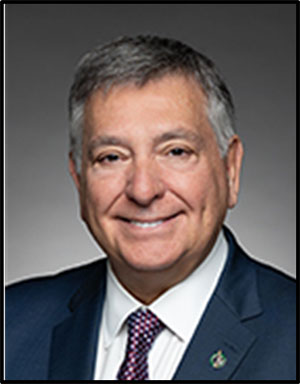
Charles Sousa
LPC - Mississauga—Lakeshore, ON
Profile
Political Role: Parliamentary Secretary to the Minister of Public Services and Procurement (2023 – 2025)
Role at the Standing Committee on National Defence (NDDN): Chair (2025 – Present), Member (January – September 2023)
Connection to National Defence: The Toronto Scottish Regiment, part of 4th Canadian Division Primary Reserve Unit is headquartered in the Mississauga—Lakeshore riding.
Key Interests: Based on his early interventions as Chair, Mr. Sousa has demonstrated a desire to adhere to the schedule and agenda; his interests include procurement, culture change, the war in Ukraine, commitments to NATO, and support for Canadian Armed Forces (CAF) members and their families with regards to healthcare.
Recent Interventions at NDDN: In his current role as Chair, Mr. Sousa has not yet participated in exchanges with witnesses. However, he was a member of NDDN earlier in the 44th Parliament. His previous interventions include:
- September 2023: Highlighted the efforts undertaken in Latvia by the CAF and their work to train Ukrainian recruits under Operation UNIFIER.
- September 2023: Asked about the security of the Baltic states and how long Canada could withstand supporting a NATO Article 5 response (if required) with the amount of ammunition available.
- September 2023: Asked about civilian and military casualties on both Russian and Ukrainian sides.
- June 2023: Asked the External Monitor about steps being taken to implement meaningful and lasting cultural changes in the CAF and if she was encouraged by the leadership coming from then Minister Anand at the time.
- June 2023: Inquired about procurement and reaching the NATO 2% target.
- June 2023: Inquired about mental health in the CAF and if members are more at risk due to the nature of their work in the military.
- April 2023: Inquired about combatting mis/disinformation.
Recent Interventions in the House:
- October 2025: (Debate on Military Justice System Modernization Act) Stressed the importance of moving forward with culture change within the CAF and that Bill C-11 contributes to this. He also noted that this legislation will work to increase trust in the military justice system and demonstrate to the world that Canada takes sexual misconduct in the military seriously.
- September 2025: Tabled two NDDN reports on Housing and Transparency.
- November 2024: (QP) Responding in his capacity as then Parliamentary Secretary to the Minister of Public Services and Procurement to a question related to “getting our sailors the equipment they need to defend our country and our values,” Mr. Sousa highlighted the importance of protecting our coastline and that the government was looking at replacing the Victoria-class submarine and looking at requests for information to seek a renewal of the fleet.
Professional History:
- Years elected: 2022, 2025
- Prior occupation: Member of Legislative Assembly of Ontario (2007 – 2018), including roles as Minister of Finance, Minister of Citizenship and Immigration, and Minister of Labour; Commercial Banking and Director Marketing at Royal Bank of Canada; Canadian Chamber of Commerce; Toronto Board of Trade
- Education: Business Administration, Wilfred Laurier University; MBA, University of Western Ontario
- Other Committees: Liaison Committee
- Other Defence-related Parliamentary Roles: Canadian NATO Parliamentary Association; Canadian Delegation to the Organization for Security and Co-operation in Europe Parliamentary Assembly

James Bezan
CPC – Selkirk—Interlake—Eastman, Manitoba
Profile
Political Role: Shadow Minister for National Defence (2015 – Present)
Role at the Standing Committee on National Defence (NDDN): Vice-Chair (2017 – Present); Former Chair (2011 – 2013); Member since 2011
Connection to National Defence: As Shadow Minister, he has travelled alongside the Minister of Defence on many occasions, including Italy, Kuwait, and Singapore (Shangri-La Dialogue). As Parliamentary Secretary to the Minister of National Defence (2013 – 2015), he accompanied the Canadian Armed Forces delivery of non-lethal aid to Ukraine on two occasions in 2014.
Key Interests: Mr. Bezan has extensive knowledge of Defence issues; his interests include support for Ukraine, increasing Defence investment, improving procurement practices, as well as addressing recruitment and retention challenges.
Recent Interventions at NDDN:
- October 2025: Inquired about threats facing Canada’s North, as well as what capabilities are needed to protect the Arctic and contribute to NORAD. He specifically asked about Over-the-Horizon Radar, ballistic missile defence, and the lifespan of the North Warning System.
- October 2025: Inquired about the procurement of the F-35s and the delay in releasing National Defence’s review, and if the National Security Exception provision should be used to accelerate defence procurement.
- September 2025: Asked about the lack of residential housing units available to Canadian Armed Forces (CAF) members.
- September 2025: Questioned whether the Coast Guard’s budget should count towards the Canada’s 2% NATO goal because of the organization’s lack of defence capabilities.
- September 2025: Asked about out-of-service tanks and how this impacted training in Latvia.
Recent Interventions in the House:
- October 2025: (Debate on the Military Justice System Modernization Act) Highlighted that the Liberal government had failed to act on long-standing reports, mishandled military justice reforms, and allowed political interference, referencing former CDS Vance and former MND Sajjan. He also noted that the CPC can be trusted to restore respect, accountability, and proper support for the CAF.
- June 2025: (Debate on the Strong Borders Act) Highlighted the need for the government to identify how they will “make the Coast Guard a security agency” as it moves under National Defence.
- June 2025: (QP) Referenced a National Defence report that noted “less than 50% of the equipment used by our Armed Forces is operational, only 46% of our Navy ships are seaworthy, and fewer than half of the land vehicles and aircraft needed by our Army and Air Force are even serviceable,” continuing on to note that the Canadian Armed Forces do not have the “tools they need to do the job to deal with today’s growing threats.” In response, the Minister highlighted the increased investments in Defence and procurement projects, including submarines, the Arctic and offshore patrol ships, and more.
Professional History:
- Years elected: 2004, 2006, 2008, 2011, 2015, 2019, 2021, 2025
- Prior occupation: Cattle producer; CEO of the Manitoba Cattle Producers Association
- Education: Agricultural Production, Olds College
- Other Committees: N/A
- Other Defence-related Parliamentary Roles: Canadian NATO Parliamentary Association; Canadian Delegation to the Organization for Security and Co-operation in Europe Parliamentary Assembly
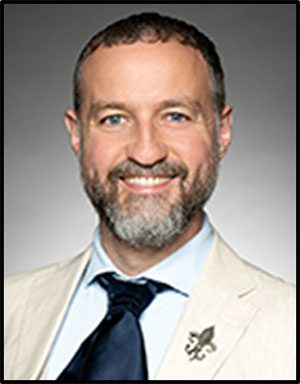
Simon-Pierre Savard-Tremblay
BQ – Saint-Hyacinthe—Bagot—Acton, QC
Profile
Political Role: Critic, National Defence (2025 – Present); Critic, Foreign Affairs, Trade and Development (International Trade) (2021 – Present); Former Critic, Industry (Aerospace and Cars) (2021 – 2025); First member of the Huron-Wendat nation to be elected to the Federal Parliament; Former President of BQ Youth Forum (2010 – 2012)
Role at the Standing Committee on National Defence (NDDN): Vice-Chair (2025 – Present)
Connection to National Defence: The 6th Battalion, Royal 22e Régiment, a Reserve infantry unit, is headquartered in Saint-Hyacinthe.
Key Interests: Mr. Savard-Tremblay’s key interests relate to the BQ’s broader goal of advancing Quebec’s sovereignty; in particular, he is focused on supporting Quebec’s defence and aerospace industries, as well as Quebec’s trading relationships.
Recent Interventions at NDDN:
- October 2025: Inquired about the Golden Dome and if it is complementary to NORAD capabilities, noting issues with some of President Trump’s rhetoric around the concept.
- October 2025: Asked about the capabilities required to establish and integrate into an anti-ballistic missile system by 2030.
- October 2025: Expressed interest in the development of emerging technologies in Canada, specifically related to hypersonic missiles and the political will to support innovation.
- September 2025: Asked the National Defence Ombudsman how investigations are handled and about safeguards to prevent political interference and pressure.
- September 2025: Inquired about China and the People’s Liberation Army’s military capabilities, and what Canada’s military position would be in the event of an armed conflict in Taiwan.
Recent Interventions in the House:
- October 2025: (Debate on Military Justice System Modernization Act) Acknowledged the sensitivity of the culture change in the Canadian Armed Forces (CAF) and criticized the CPC and LPC governments for their years of inaction following the 2015 Deschamps report, which revealed a culture of sexism and misconduct within the CAF. He also expressed concerns related to potential delays in implementing reforms and transferring cases to the civilian justice system.
- June 2025: (QP) Encouraged the government to adopt a BQ proposal to reinvest in Quebec’s aerospace, shipbuilding, and AI sectors, including a 22% floor for defence investments. The Minister responded by highlighting a $9.3 billion investment that will bring Canada to NATO’s 2% target this fiscal year.
Professional History:
- Years elected: 2019, 2021, 2025
- Prior occupation: Author; Journalist; Lecturer at Université Laval and Université du Québec à Chicoutimi
- Education: BA Political Science, Université de Montréal; MA Sociology, Université du Québec à Montréal; PhD Socio-economics of development, École des hautes études en sciences sociales (Paris)
- Other Committees: Vice-Chair of the Standing Committee on International Trade
- Other Defence-related Parliamentary Roles: Counsellor, Canadian NATO Parliamentary Association; Canadian Delegation to the Organization for Security and Co-operation in Europe Parliamentary Assembly; Canada-China Legislative Association

Sherry Romanado
LPC – Longueil—Charles-LeMoyne, QC
Profile
Political Role: Parliamentary Secretary to the Minister of National Defence (2025 – Present); Former Parliamentary Secretary to the Minister of Veterans Affairs and Associate Minister of National Defence (2017 – 2018)
Role at the Standing Committee on National Defence (NDDN): Member (2025 – Present)
Connection to National Defence: Her two sons serve in the Canadian Armed Forces. She previously volunteered with the Canadian Grenadier Guards 1979 Centennial Cadet Corps of Greenfield Park.
Key Interests: Ms. Romanado has personal experience with Defence as part of a military family; her primary interests include improving support for personnel and Veterans, as well as more general recruitment and retention strategies.
Recent Interventions at NDDN:
- October 2025: Asked if the NORAD mandate should be expanded, if Canadians are convinced on the importance of NORAD modernization, and asked for examples of adversaries testing our defences to see what they can “get away with.”
- October 2025: Asked if incorporating the Coast Guard was a good idea to enhance and amplify maritime surveillance.
- September 2025: Asked why increasing investments and getting to 2% are important for Canada’s continental defence.
- September 2025: Asked how Canada’s increase of $2 billion in miliary assistance to Ukraine will help the country, as well as the impacts of the renewal of Operation REASSURANCE on NATO’s eastern flank and deterrence in the region.
- September 2025: Asked about deterrence efforts against the CRINKs (China, Russia, Iran, North Korea).
Recent Interventions in the House:
- October 2025: (Debate on Military Justice System Modernization Act) Emphasized that those who protect Canadians deserve protection themselves and that victims of misconduct must be able to report abuse without fear of reprisal. She also urged all members to support Bill C-11’s study at committee to ensure a safer, more inclusive future for the CAF.
- June 2025: (QP) Responded to a CPC question about the Prime Minister’s “broken promises [in the first four weeks of Parliament],” during which she highlighted that the $9.3 billion investment in Canada’s defence is “an investment in the Armed Forces, in good-paying jobs, in Canadian innovation, and in economic growth.” She continued on to state that the “generational investment is strengthening Canada's role as a strong, reliable international trading partner while rebuilding and rearming our forces here at home.”
- June 2025: (Debate on Main and Supplementary Estimates 2025-26) Highlighted investments in National Defence and its impacts at home and around the world, particularly as the Estimates “provide critical funding as Canada enters an increasingly complex world and ever-changing threat environment.” Noted that “[her] military family is what motivated [her] to run for federal office.”
Professional History:
- Years elected: 2015, 2019, 2021, 2025
- Prior occupation: Faculty lecturer at McGill; Member of the Chartered Institute for Transport and Logistics
- Education: Public Relations, McGill University; MBA, Concordia University
- Other Committees: N/A
- Other Defence-related Parliamentary Roles: Counsellor, Canadian NATO Parliamentary Association

Cheryl Gallant
CPC - Algonquin—Renfrew—Pembroke, ON
Profile
Political Role: One of the longest serving members of Parliament, since 2000.
Role at the Standing Committee on National Defence (NDDN): Member (2006 – Present); Former Vice-Chair (2016 – 2017)
Connection to National Defence: CFB Petawawa, Arnprior Aerospace, and Chalk River Nuclear Laboratories are all located in the Algonquin—Renfrew—Pembroke riding.
Key Interests: Mrs. Gallant has been a long-time member of NDDN and, as such, has a strong knowledge base of the Defence portfolio; she often seeks information regarding emerging threats. Her interests include procurement projects, improving infrastructure and housing, contaminated sites, equipment and Canadian Armed Forces (CAF) readiness, as well as recruitment and retention.
Recent Interventions at NDDN:
- October 2025: Asked what the timeline would be if Canada decided to participate in the Golden Dome “today,” when Canada could face an imminent missile threat, and what type of hybrid threat would trigger a response from NORAD.
- October 2025: Asked whether there are threats to Canada related to delaying the decision on the F-35s and about NORAD capabilities to destroy unmanned vehicles in our airspace.
- September 2025: Asked the Ombudsman how he would like the backlog of ATIP requests at DND/CAF and the backlog of grievances filed by the members of the CAF to be rectified.
- September 2025: Asked the Ombudsman about the integration of the Coast Guard and whether the decision was made to reach the government’s 2% NATO commitment.
- September 2025: Asked how Canada would respond if China was to intrude on Canadian territory, as well as whether the Navy would defend Japan, the Philippines, or Australia in the face of a similar attack.
- September 2025: Asked about Canada’s military contributions to protecting its Arctic, including whether the CAF will be establishing necessary infrastructure in the region.
Recent Interventions in the House:
- October 2025: (Debate on Military Justice System Modernization Act) Criticized Bill C-11 for not fully addressing culture issues, transparency, and accountability, calling it incomplete. She also stressed that military police did not have the resources to conduct proper investigations and inquired when the investigations would be taken over immediately by civilian detectives who are equipped to handle these types of situations, and if they have the adequate resources to do so.
- June 2025: (Debate on Main Estimates 2025-2026) Asked about salary increases and equipment.
- June 2025: (Member Statements) Expressed concern over the increased cost and schedule for the F-35 fighter jets, referencing the Auditor Generals report on the subject.
- June 2025: (Debate on the Speech from the Throne) Inquired about healthcare access for CAF family members.
Professional History:
- Years elected: 2000, 2004, 2006, 2008, 2011, 2015, 2019, 2021, 2025
- Prior occupation: Insurance; Office management
- Education: Chemistry, University of Western Ontario
- Other Committees: N/A
- Other Defence-related Parliamentary Roles: NATO Parliamentary Association; Canadian Delegation to the Organization for Security and Co-operation in Europe Parliamentary Assembly
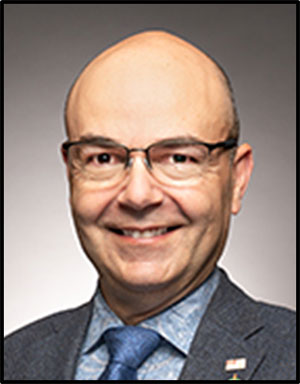
Jeff Kibble
CPC - Cowichan—Malahat—Langford, BC
Profile
Role at the Standing Committee on National Defence (NDDN): Member (2025 – Present)
Connection to National Defence: He is a retired Lieutenant-Commander of the Royal Canadian Navy, having served for 28 years. He deployed to East Timor, the Persian Gulf, and commanded the Regional Joint Operations Center Pacific, and commanded the Navy’s training ship HMCS ORIOLE for five years before retiring in 2016. His wife is also a Veteran and both of his grandfathers served in the Royal Canadian Air Force.
Key Interests: During his brief time as a Parliamentarian, Mr. Kibble has shown an interest in Canadian Armed Forces (CAF) modernization, procurement, recruitment and retention, as well as Veterans affairs.
Recent Interventions at NDDN:
- October 2025: Inquired about how the Canadian Coast Guard’s budget will contribute to NATO spending; its ability to collect and transmit tactical and intelligence data to military units, and its hypothetical ability to defend itself against foreign nations when conducting security patrols.
- October 2025: Inquired about hybrid threats from China and Russia, including scientific buoys, if a Golden Dome-type system could “deal with” advanced ballistic missile defence capabilities, and about what Canada needs to do to be seen as “stepping up” in NORAD modernization.
- October 2025: Asked about the obsoletion of the North Warning System, if hypersonic weapons are nuclear capable and if drones can defend against this type of threat, as well as the acquisition of the F-35s.
- September 2025: Brought attention to the mental health challenges faced by CAF members and asked about mental health training available to members pre-deployment
- September 2025: Asked about military housing shortages and whether this has had an impact on recruitment and retention of new CAF members
- September 2025: Asked about the threat of the People’s Liberation Army’s Navy in Canada’s Arctic and whether the Canadian Coast Guard could counter this threat
- September 2025: Asked about the CAF’s military presence in Latvia and whether the possibility of deploying troops to Ukraine would impact Canada’s presence in Latvia.
Recent Interventions at in the House:
- October 2025: (Debate on Military Justice System Modernization Act): Emphasized the need to end all forms of harassment in the military and expressed his support for the main basis of Bill C-11. He also expressed concern that the legislation could lead to increased political interference with Governor in Council appointments.
- June 2025: (Debate on the Speech from the Throne) Emphasized the importance of modernizing the CAF and ensuring members of the CAF have the equipment needed.
Professional History:
- Years elected: 2025
- Prior occupation: Royal Canadian Navy, Canadian Armed Forces
- Education: English, University of British Columbia
- Other Committees: N/A
- Other Defence-related Parliamentary Roles: N/A
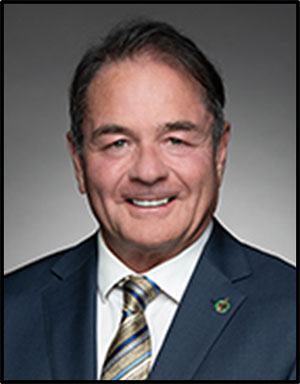
Scott Anderson
CPC - Vernon—Lake Country—Monashee, BC
Profile
Political Role: Interim leader of the Conservative Party of British Columbia (2017 – 2019)
Role at the Standing Committee on National Defence (NDDN): Member (2025 – Present)
Connection to National Defence: Retired Captain of the British Columbia Dragoons (2008 – 2017), a Primary Reserve Armoured Reconnaissance Regiment that is part of the 3rd Canadian Division's 39 Canadian Brigade Group.
Key Interests: During his brief time as a Parliamentarian, Mr. Anderson has shown interest in readiness, procurement, international operations, and the integration of the Coast Guard.
Recent Interventions at NDDN:
- October 2025: Expressed concerns that procurement is still politically driven and inquired about new forms of warfare, specifically in reference to drones, and how much weight Canada should put behind drone/anti-drone development.
- September 2025: Criticized Canada sending $6.5 million to a non-NATO member [Ukraine], noting there is “warfare elsewhere” and questioned how support to Ukraine is in the Canadian national interest.
- September 2025: Asked about training for Operation REASSURANCE in Latvia, redundancy of equipment based in Latvia, and how the military is adapting its force structure to reflect lessons learned from modern symmetrical warfare.
- September 2025: Asked about the integration of the Coast Guard related to its contribution to the NATO 2% spending target, any plans to “modify the ships,” and pressing on defensive capabilities if the Coast Guard ships are “now warships, they are legitimate targets for foreign actors”.
Recent Interventions in the House:
- October 2025: (During debate on Military Justice System Modernization Act) Asked about the implications of the legislation on military justice, including concerns over jurisdiction for overseas offences, command authority, bureaucratic delays, and the need for ongoing oversight to ensure fairness and operational effectiveness.
Professional History:
- Years elected: 2025
- Prior occupation: Vernon City Councillor; Owner, Dump Runz (junk removal company); Columnist, Infotel.ca
- Education: International Relations, University of Manitoba; MA, Strategic Studies, University of British Columbia
- Other Committees: N/A
- Other Defence-related Parliamentary Roles: N/A

Viviane Lapointe
LPC - Sudbury, ON
Profile
Political Role: Parliamentary Secretary to the Minister of Official Languages and Associate Minister of Public Safety (February – March 2025)
Role at the Standing Committee on National Defence (NDDN): [Chair/Vice-Chair/Member]
Connection to National Defence: The 2nd Battalion, Irish Regiment of Canada, is located at Sudbury Armoury within the Sudbury riding.
Key Interests: Ms. Lapointe is the only returning LPC member of NDDN from the 44th Parliament; her primary interests include support for Ukraine and NATO, Defence procurement, and operational readiness of the Canadian Armed Forces (CAF).
Recent Interventions at NDDN:
- October 2025: Inquired which modernization tools should be prioritized to protect infrastructure, about quantum tools and their capabilities, and where should Canada be aligning – or exercising caution – related to modernizing NORAD with the current U.S. administration.
- October 2025: Asked about NORAD modernization and where Canada should focus its efforts, if there are concerns related to relying on foreign or privately-owned satellite networks, and for suggestions of guardrails to protect Canadian sovereignty related to the foreign or private satellite networks.
- September 2025: Asked how the annual report “Addressing Wrongful Behaviours” and other reports like it could be made more useful to survivors and those working on prevention of sexual misconduct.
- September 2025: Asked about the strategic significance of trilateral alignment between China, Russia, and North Korea, and how Canada and its allies should interpret its signals for global security, particularly in the Indo-Pacific and Euro-Atlantic regions.
Recent Interventions in the House:
- October 2025: (Debate on Military Justice System Modernization Act) Noted that a cultural change is necessary to support CAF members and ensure a safe environment and that the amendments aim to improve transparency and meet the needs of the CAF. She also stated that repealing the duty to report helps build trust with affected individuals.
- June 2025: (Debate on Bill C-5, One Canadian Economy Act) Noted the importance of government’s critical minerals strategy and highlighted American dependence on nickel from Ontario, specifically from Sudbury, for its aerospace and defence work.
Professional History:
- Years elected: 2021, 2025
- Prior occupation: Ontario Ministry of Northern Development and Mines; Executive Director, Community Living Greater Sudbury
- Other Committees: N/A
- Other Defence-related Parliamentary Roles: Canadian NATO Parliamentary Association; Canadian Delegation to the Organization for Security and Co-operation in Europe Parliamentary Assembly

Chris Malette
LPC - Bay of Quinte, ON
Profile
Role at the Standing Committee on National Defence (NDDN): Member (2025 – Present)
Connection to National Defence: CFB Trenton, the Royal Canadian Air Force’s largest base and home to 8 Wing, is located within the Bay of Quinte riding.
Key Interests: During his brief time as a Parliamentarian, Mr. Malette has shown interest in international operations and relationships, defence infrastructures, and support the Canadian Armed Forces (CAF).
Recent Interventions at NDDN:
- October 2025: Asked about efforts to incorporate Indigenous knowledge into NORAD modernization, how Canada can help ensure NORAD remains relevant against non-traditional security threats, and how new surveillance systems would enable further detection and identification of potential threats to North America from a pan-domain perspective.
- October 2025: Asked about supply chain issues affecting Canada’s Arctic and National Defence’s role in research and development of emerging technologies, such as artificial intelligence, quantum computing, and cyber defence.
- September 2025: Asked the Ombuds to provide his main observations concerning the grievance process and how the duration of the grievance process could be shortened.
- September 2025: Asked about the new partnerships being forged with European Union members and how these relationships will help support Ukraine. He also inquired about Canada’s role conducting training in Latvia, how many CAF members participated in Exercise TALISMAN SABRE, and how the exercise tested resilience.
Recent Interventions in the House:
- October 2025: (Debate on Military Justice System Modernization Act) Emphasized the need to ensure CAF members can report misconduct without fear of reprisals. He also highlighted that the government is taking a “step forward in protecting members from harassment in the workplace,” and that building a more inclusive and supportive fighting force that reflects the diversity of Canada is a priority.
- September 2025: (QP) Asked the Minister of National Defence to update the House on the support being provided to CAF members, “as our government makes a generational investment in our military.”
Professional History:
- Years elected: 2025
- Prior occupation: Belleville City Councillor; Journalist, editor, and photographer of The Belleville Intelligencer
- Education: Journalism, Sheridan College
- Other Committees: Standing Joint Committee for the Scrutiny of Regulations
- Other Defence-related Parliamentary Roles: Counsellor, Canadian NATO Parliamentary Association
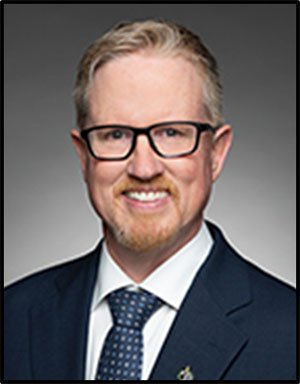
Tim Watchorn
LPC - Les Pays-d'en-Haut, QC
Profile
Role at the Standing Committee on National Defence (NDDN): Member (2025 – Present)
Key Interests: During his brief time as a Parliamentarian, Mr. Watchorn has shown interest in procurement, critical infrastructure in the North, and new and emerging technologies.
Recent Interventions at NDDN:
- October 2025: Inquired about potential attacks and cyber threats that Canada faces from adversaries.
- October 2025: Inquired about investing in hypersonic sites and delivery systems, and about the new defence procurement agency, in addition to the best option for energy infrastructure in the North.
- September 2025: Asked whether francophones face systemic barriers in accessing services from the Office of the Ombudsperson for National Defence and the CAF.
- September 2025: Asked about Canada’s contributions to NATO should there be continued escalation from Russia, or other adversaries, and about Canada’s drone capabilities in the event of an attack.
- September 2025: Asked about imminent risks in the Indo-Pacific region, submarines, and partnership opportunities in the region.
Recent Interventions in the House:
- September 2025: (QP) Asked how Canada will enhance our military presence both domestically and abroad.
Professional History:
- Years elected: 2025
- Prior occupation: Mayor of Morin-Heights, QC; Municipal public servant in St-Sauveur-des-Monts and Ste-Adele
- Education: Engineering, École Polytechnique de Montreal
- Other Committees: N/A
- Other Defence-related Parliamentary Roles: Canadian NATO Parliamentary Association
Culture Evolution
- A safe, inclusive, and diverse workplace is essential to the operational success of the Canadian Armed Forces and the broader Defence Team.
- Across the organization, we are making significant efforts to achieve a lasting culture change.
- For those entering the Canadian Armed Forces, the military has extended probation periods.
- This will improve the onboarding experiences for new members and allow the military to more efficiently remove those who fall short of our ethical standards.
- As members progress in their careers, promotion and selection processes now include greater consideration of past conduct and character traits.
- Further, those occupying positions of leadership are now provided with strong supports including modernized, culture-related training materials and tools, coaching sessions and leadership advice.
- In addition, we are also working to improve our ability to support those impacted by misconduct.
- This includes significant progress on addressing recommendations from four external reports, including the reports from former Supreme Court Justices Fish and Arbour.
- We are strengthening support for survivors of sexual misconduct through the expansion of the Sexual Misconduct Support and Resource Centre (SMSRC).
- In fact, the SMSRC now offers independent legal assistance and in-house counsel to affected members at no cost.
- In addition, we are improving the Grievance Process in order to reduce delays and modernize access.
- These meaningful initiatives aim to rebuild trust among members of the Defence Team and Canadians.
If pressed on extremism or hateful conduct:
- The Government of Canada has tabled legislation, Bill C-9, the Combatting Hate Act.
- Bill C-9 would make the willful promotion of hatred through terrorism and hate symbols an offence under the Criminal Code.
- Further, the Defence Team is taking deliberate and coordinated actions to eliminate and prevent extremism and hateful conduct.
- All applicants to the Canadian Armed Forces undergo in-depth screenings of their background, educational and professional credentials, personal and professional references, and criminal records.
- The Defence Team has developed a range of tools and resources to identify and prevent extremism and hateful conduct.
- This includes the Hateful Conduct Spectrum, which clearly outlines behaviours that contribute to a safe and inclusive workplace, and those that are inappropriate or criminal acts.
- Confidential reporting channels and protections for complainants are also available.
- Additional resources include training designed to build psychologically safe and inclusive workplaces, and Victim’s Liaison Officers who provide information and assistance to victims of service offences.
Culture Evolution – External Reports:
- Understanding the urgency of culture change, we have made significant progress in implementing recommendations from key external reports.
- These reviews have spanned a broad range of issues, including misconduct, military justice, and racism.
- That is why the Defence Team created a Comprehensive Implementation Plan (CIP), providing a detailed roadmap on what we need to do and by when.
- In fact, 114 of the 194 recommendations in the CIP have been addressed.
- Looking more closely at specific reviews, 75% of the recommendations from former Justice Arbour are addressed.
- We expect to meet the intent of all 48 of the recommendations by the end of 2025 [Recommendation #5 is dependent on Parliament].
- This progress was noted by the External Monitor in her fifth status report.
- Further, all eight recommendations from the National Apology Advisory Committee Report are deemed addressed.
- Close to 80% (or 31 of 39) of the actionable recommendations of the Advisory Panel on Systemic Racism have been addressed.
- We value the work of the experts who have and continue to help guide sustained change across the Defence enterprise.
Background
* On the Sexual Misconduct Support and Resource Centre please see Tab 09.
Independent External Comprehensive Review (IECR)
- The IECR was presented to the Minister of National Defence by former Supreme Court Justice Louise Arbour in May 2022. It contains 48 recommendations for Department of National Defence (DND) and the Canadian Armed Forces (CAF) to address culture-related issues within the organization.
- To date, 36 of 48 recommendations have been addressed.
Comprehensive Implementation Plan (CIP)
- The CIP establishes a phased approach over five years (2023-2028) for prioritizing and addressing 194 external recommendations from the IECR, Third Independent Review of the National Defence Act (IR3), Advisory Panel on Systemic Racism (APR) and Discrimination, and No. 2 Construction Battalion National Apology Advisory Committee Report.
- 114 of 194 of the recommendations have been addressed.
- 12 recommendations were closed following careful analysis and cross-comparison of overlap between the recommendations from all four reports tracked in the CIP as they will be addressed by other external recommendations or broader initiatives or by leveraging existing processes and structures or legislative changes.
Canadian Military College (CMC) Review Board Report
- On March 7, 2025, the former Minister of National Defence released the first report of the CMC Review Board. The report highlighted the enduring value of the colleges and provided 49 recommendations for systemic reform to address issues of negative culture and misconduct previously identified in the IECR.
- The CMC Review Board is comprised of five external education and culture experts, a Defence public service executive, and a military representative. Board members were chosen for their range of perspectives, background, independence, and impartiality.
- Review Board members consulted and engaged with over 1,500 individuals, including Department of National Defence employees, CAF members, alumni, academic and non-public fund CMC employees, and Canadians. Consultation was a key part of the Review Board’s mandate and included visits to allied and partner nations’ military academies as well as several visits to both military colleges in Kingston, Ontario, and Saint-Jean, Quebec.
Fifth External Monitor Report (June 2025)
- The report provides an external, independent assessment of the progress made by DND and the CAF in implementing the recommendations made by former Supreme Court Justice Louise Arbour in the IECR.
- In this fifth report, Madame Therrien notes that “the CAF is on track to meeting the intent of all IECR recommendations by the end of this year.”
Grievance and Complaints System
- The CAF has initiated a review of its grievance and complaints systems with the goal of implementing a complete end-to-end transformation focused on the member’s experience and aiming at reducing the time to decision.
- A new digital grievance submission form was introduced on February 5, 2024, for all CAF members, marking a key step in the modernization of complaints and grievance processes.
- In early September 2025, the CAF published a digital version of the Notice of Intent to Grieve form, a form which makes it easier and faster for CAF members to raise concerns to the Chain of Command and seek resolutions at the earliest opportunity. This introduced another step in the modernization of the grievance process and allows members to digitally to submit the form from anywhere, streamlining the process, reduce processing times and providing better access for members.
Extremism and hateful conduct
- Bill C-9 (Combatting Hate Act) was introduced in the House of Commons on September 19, 2025 and seeks to better protect access to places of worship, as well as schools, community centres and other specified places, and to more clearly address and denounce hate-motivated crime.
- Bill C-9 creates a hate crime offence under the Criminal Code or any other Act of Parliament, including the National Defence Act, that is motivated by hatred based on certain factors.
- The CAF defines hateful conduct in DAOD 5019-0 as an act or conduct, including the display or communication of words, symbols, or images, by a CAF member that they knew or ought reasonably to have known would constitute, encourage, justify, or promote violence or hatred against a person or persons of an identifiable group, based on prohibited grounds of discrimination under the Canadian Human Rights Act.
- If a military member is found to have engaged in hateful conduct, consequences may include training, monitoring, removed access to materials, investigation and administrative or disciplinary actions.
- The Hateful Conduct Spectrum, which is available to all Defence Team members, identifies improper behaviours like harassment, inappropriate social media use, and affiliations with hate groups, as well as criminal acts like hate crimes, violent extremism, and terrorism.
- It also offers Defence Team members guidance and examples of behaviours on the opposite end of the spectrum, like allyship, anti-racism, and inclusive language, that can help to build a safer and more inclusive workplace.
- The CAF’s recruitment and screening processes have been modernized and expanded to assess both eligibility and suitability for service, with specialized recruitment staff trained to recognize extremist symbols, affiliations, and indicators of radicalization.
Responsible Principals: Chief Professional Conduct and Culture, Vice Chief of the Defence Staff, Judge Advocate General.
October 22, 2025
Bill C-11, Military Justice System Modernization Act
- Bill C-11 marks a meaningful step towards advancing the culture of respect and accountability across the Defence Team.
- The Bill proposes a suite of targeted amendments to help bolster confidence in the military justice system.
- The proposed amendments address key recommendations from independent and external reviews conducted by former Supreme Court Justices Arbour and Fish.
- This includes Recommendation 5 of the Arbour Report to remove military jurisdiction over Criminal Code sexual offences committed in Canada.
- We have – and will continue to – address the needs of those who have been affected by conduct deficiencies, harassment, and crimes of a sexual nature.
If pressed on reimbursement of legal fees:
- Legal services are not provided to members who are tried in the civilian criminal justice system.
- This already applies to cases prosecuted in the civilian criminal justice system, such as sexual exploitation and sexual trafficking, amongst other examples.
Quick facts
- Bill C-11
- On September 26, 2025, Bill C-11 – formerly Bill C-66 – was reintroduced to amend the National Defence Act (NDA).
- Bill C-11 will respond to eight recommendations from the Fish report and one recommendation from the Arbour report.
- Key areas of the proposed legislation:
- Removing the Canadian Armed Forces’ (CAF) investigative and prosecutorial jurisdiction over Criminal Code sexual offences committed in Canada (Recommendation 5 of Arbour Report);
- Making amendments to the NDA based on the eight Fish report recommendations, which include, among other things, modifying the appointment process for the Director of Military Prosecutions, the Director of Defence Counsel Services, and the Canadian Forces Provost Marshal;
- Excluding military judges from the summary hearing system, and expanding access to Victim’s Liaison Officers;
- Amending the National Defence Act to align sex offender information and publication ban provisions with the amendments made in An Act to amend the Criminal Code, the Sex Offender Information Registration Act and the International Transfer of Offenders Act (former Bill S-12).
Background
Reintroduction of Former Bill C-66
- On September 26, 2025, the Minister of National Defence reintroduced legislation to amend the NDA, under Bill C-11 An Act to amend the National Defence Act and other Acts.
- These amendments address eight recommendations from the Third Independent Review of the National Defence Act (IR3), conducted by former Supreme Court Justice Morris J. Fish, and address one recommendation from the Independent External Comprehensive Review (IECR), conducted by former Supreme Court Justice Louise Arbour.
- The recommendations were designed to enhance and modernize the military justice system.
- This legislation was first introduced in March 2024 as Bill C-66 but ceased to exist once Parliament was prorogued in January 2025.
Support to Affected Persons
- Since 2015, the Sexual Misconduct Support and Resource Centre (SMSRC) has worked to ensure that people affected by sexual misconduct have access to the support services and trusted resources they need.
- Over the past decade, their services, programs and initiatives have evolved to meet the needs of the wider Defence community.
Reimbursement of Legal Fees
- Section 249.17 of the NDA prescribes that, “A person who is liable to be charged, dealt with and tried under the Code of Service Discipline has the right to be represented in the circumstances and in the manner prescribed in regulations made by the Governor in Council”.
- Section 249.19 of the NDA stipulates that “The Director of Defence Counsel Services provides, and supervises and directs the provision of, legal services prescribed in the regulations made by the Governor in Council to persons who are liable to be charged, dealt with and tried under the Code of Service Discipline”.
- Article 101.11 of the Queen’s Regulations and Orders (QR&Os) prescribes the types of legal services that can be provided by the Director of Defence Counsel Services.
- As such, the QR&Os do not prescribe providing legal services to persons who are subjected to investigations, arrests, detentions or trials that do not pertain to a Service Offence, including all offences tried in the civilian criminal justice system.
Responsible Principals: Judge Advocate General, Chief Professional Conduct and Culture, Sexual Misconduct Support and Resource Centre
October 22, 2025
Removing Military Jurisdiction Over Sexual Offences in Canada
- We are committed to addressing Recommendation 5 of Justice Arbour’s Independent External Comprehensive Review.
- National Defence commenced work on this recommendation prior to the release of Madam Arbour’s independent review, when she first provided it as an interim recommendation back in late 2021.
- I am grateful for the input of our federal, provincial and territorial partners, who assisted in the development of the legislation and will continue to guide its implementation.
- As a result of this legislation, the investigation and prosecution of Criminal Code sexual offences committed in Canada would fall under the exclusive jurisdiction of the civilian justice system.
- Responding to this recommendation is a cornerstone of Bill C-11 and a critical component of the institution’s larger culture evolution efforts.
If pressed on confidence in the military justice system:
- I remain confident in the crucial work undertaken by the military police.
- This change to the National Defence Act will strengthen trust in military justice authorities operating independently from the chain of command.
- It will also bolster the trust and confidence of Canadians in the military justice system.
If pressed on offences committed outside of Canada:
- We respect the expert opinions of former Supreme Court Justices on how to modernize the military justice system.
- The Canadian Armed Forces maintain jurisdiction to investigate, prosecute and try offences when they occur outside of Canada.
- To change this would raise significant legal, jurisdictional, policy and operational challenges.
If pressed on Provincial and Territorial Engagement:
- National Defence has conducted extensive Federal – Provincial-Territorial (FPT) engagement.
- This includes through a Deputy Minister (DM) level Committee, a bilateral Memorandum of Understanding (MOU) with Ontario and operational-level dialogue between the military and civilian justice systems.
- I am grateful for the input of our partners, who assisted in the development of the legislation and will continue to guide its implementation.
- We are committed to continued close collaboration through this transitional period.
Background
- Removing the Canadian Armed Forces (CAF) investigative and prosecutorial jurisdiction over Criminal Code sexual offences committed in Canada will address part of Recommendation 5 of the Honourable Louise Arbour’s Independent External Comprehensive Review. This recommendation states that:
- “Criminal Code sexual offences should be removed from the jurisdiction of the CAF. They should be prosecuted exclusively in civilian criminal courts in all cases. Where the offence takes place in Canada, it should be investigated by civilian police forces at the earliest opportunity.”
- “Where the offence takes place outside of Canada, the Military Police may act in the first instance to safeguard evidence and commence an investigation, but should liaise with civilian law enforcement at the earliest possible opportunity. The proposed legislation will provide exclusive jurisdiction to civilian authorities to investigate and prosecute such offences when committed in Canada.”
- While Madam Arbour’s report took a larger holistic review of Defence Team culture, practices, policies and activities, Recommendation 5 can only be implemented through legislation.
Federal-Provincial-Territorial (FPT) Engagement
- Through the FPT Deputy Ministers’ Committee and related engagements, provinces and territories have flagged the need for extensive operational-level protocols to support transition; the importance of a victim-centric approach; and concerns regarding potential capacity-related implementation challenges (e.g., workload and resourcing pressures; training/military knowledge needs).
- Upon initial tabling of Bill C-11, some provinces and territories advocated for longer coming into force timelines to allow for operational protocols to be advanced (currently a proposed 60-day timeline).
- National Defence has developed a Memorandum of Understanding (MOU) with Ontario to guide collaboration, communication and information sharing. The MOU also creates pathways for operational-level dialogue and potential resourcing discussions.
- To date, no other jurisdiction has requested an MOU.
- Policing, prosecution and victim services actors within the military justice system also continue to work with their operational counterparts in the civilian justice system in support of implementation.
Responsible Principals: Judge Advocate General, Chief Professional Conduct and Culture, Assistant Deputy Minister (Policy)
October 22, 2025
Addressing Eight Recommendations (Justice Fish)
- Through Bill C-11 we are addressing eight key recommendations from former Justice Fish in his Third Independent Review.
- Notably, this legislation seeks to broaden the eligibility criteria for military judge appointments to include non-commissioned members.
- In addition, we propose revising the appointment process of the Canadian Forces Provost Marshal, to be retitled the Provost Marshal General, the Director of Military Prosecutions and the Director of Defence Counsel Services.
- These proposed changes also expand the class of persons that can make an interference complaint to include, among others, a victim or someone acting on their behalf.
- This legislation makes clear our commitment to address the recommendations from independent external review reports, namely Justice Fish’s Third Independent Review and Justice Arbour’s Independent External Comprehensive Review.
- Members need to have trust in the military justice system – and be confident that it is transparent, and free from real or perceived influence by the chain of command.
Background
- On November 5, 2020, the Honourable Morris J. Fish, former Justice of the Supreme Court of Canada, was appointed by the Minister of National Defence to conduct an independent review of specified provisions of the National Defence Act and their operation.
- Justice Fish provided 107 wide-ranging recommendations, mostly related to the military justice system, including how issues of sexual misconduct are addressed, military policing and police oversight.
- Bill C-11 seeks to address eight of these recommendations (2, 7, 8, 10, 13, 14, 15, 16), specifically:
- Expanding the class of persons who are eligible to be appointed as a military judge to include non-commissioned members who are a barrister or advocate of at least 10 years’ standing at the bar of a province and who has been a member of the Canadian Armed Forces for at least ten years to be a military judge.
- Modifying the appointment process and the tenure for the Director of Military Prosecutions, and the Director of Defence Counsel Services.
- Authorizing the Minister of National Defence, rather than the Judge Advocate General, to issue instructions or guidelines to the Director of Military Prosecutions in respect of a particular prosecution.
- Affirming the Judge Advocate General’s respect for the independence of authorities in the military justice system in the exercise of its superintendence of the administration of military justice.
- Modifying the process and authority for the appointment of the Canadian Forces Provost Marshal, to have them appointed by the Governor in Council.
- Changing the title from Canadian Forces Provost Marshal to Provost Marshal General to align with the titles of other senior designations in the Canadian Armed Forces, such as the Surgeon General, the Chaplain General, and the Judge Advocate General.
- Making the Provost Marshal General responsible to the Minister of National Defence, rather than the Vice Chief of the Defence Staff, and prohibiting the Minister of National Defence from giving law enforcement direction on individual cases.
- Expanding the class of persons who can make an interference complaint and requiring those performing policing duties or functions to submit a complaint in certain circumstances.
Responsible Principal: Judge Advocate General
October 22, 2025
Further Operationalizing Bill C-77
- The current legislation builds on the important work that National Defence undertook under the former Bill C-11, which this Committee studied in 2018.
- Importantly, Bill C-11 introduced the Declaration of Victims’ Rights to the Code of Service Discipline, enshrining rights for victims of service offences within the military justice system.
- Bill C-11 also created the summary hearing system.
If pressed on Access to Victim’s Liaison Officers:
- To further support victims, Bill C-11 seeks to expand access to Victim’s Liaison Officers, also known as VLOs, under the Declaration of Victims’ Rights.
- This way, an individual acting on behalf of a victim can leverage the support of an assigned Liaison Officer.
- This amendment would extend access to a VLO to an individual acting on a victim’s behalf.
- A VLO’s assistance consists of explaining to a victim or the person acting on their behalf, the manner in which service offences are charged, dealt with and tried under the Code of Service Discipline.
If pressed on Summary Hearing System:
- Bill C-11 would exclude military judges from the summary hearing system.
- This is in order to prevent the perception of influence, real or perceived, from the chain of command potentially exerting influence on military judges through the application of a summary hearing process.
Background
Bill C-77
- The former Bill C-77 (An Act to amend the National Defence Act and make related and consequential amendments to other Acts, S.C. 2019, c.15) received Royal Assent on June 19, 2019.
Victim’s Liaison Officers
- Clause 9 of the proposed legislation amends the National Defence Act so that an individual acting on behalf of a victim can request the appointment of a Victim’s Liaison Officer (VLO), under the same conditions that a victim would have access.
- Of note, a victim can make a request to have a VLO appointed to them by asking their Commanding Officer, or by reaching out to Chief Professional Conduct and Culture who will have one appointed to them.
Summary Hearings
- The Canadian military justice system is comprised of two types of disciplinary proceedings for addressing misconduct: summary hearings and courts martial.
- While a court martial is a formal military trial designed to handle serious offences, summary hearings are non-penal, disciplinary proceedings based on principles of administrative law that are designed to address minor breaches of military discipline at the unit level, called “service infractions.”
- The Code of Service Discipline states that summary hearings may be presided over by a superior commander, a commanding officer or delegated officer. The officer conducting the hearing must determine whether the accused committed a service infraction and, if so, may impose one or more sanctions.
- The sanctions that may be imposed for service infractions are reduction in rank, severe reprimand, reprimand, deprivation of pay and any allowance for not more than 18 days, and minor sanctions prescribed in regulations.
- Bill C-77 would remove military judges from participating in that process, either as officers conducting summary hearings or as accused persons.
Responsible Principal: Judge Advocate General
October 22, 2025
Aligning with the Sex Offender Information Registration Act (SOIRA)
- Bill C-11 will harmonize the military justice system with recent changes to the civilian criminal justice system.
- These changes relate to the registration of sex offender information and the availability of publication bans.
- Under the proposed legislation, the National Defence Act would be updated to reflect recent changes to the sex offender registration regime.
- This is so that registration can continue to be an effective tool to prevent and investigate sexual crimes in the military context.
- Sex offenders will have to comply with the Sexual Offender Information Registration Act as required.
- The Bill further proposes several amendments to the National Defence Act governing publication bans, in line with the changes to the Criminal Code.
- This aims to ensure that victims and witnesses can participate in the justice system without suffering negative consequences associated with disclosing information about themselves.
- These modifications are necessary to ensure that our military justice system remains consistent with the Canadian Charter of Rights and Freedoms and aligned with the civilian criminal justice system.
Background
Sex Offender Information Registration Act (SOIRA) order
- Bill C-11 would amend the National Defence Act (NDA) definition of “designated offence,” in respect of which a SOIRA order may be made. These amendments include:
- Distinguishing between “primary offences,” which are inherently sexual in nature, and “secondary offences,” which are non-sexual offences but may be committed for a sexual purpose. The Bill would incorporate the definitions of primary and secondary offences that were added to the Criminal Code through the former Bill S-12 (An Act to amend the Criminal Code, the Sex Offender Information Registration Act, and the International transfer of Offenders Act, S.C. 2023, c. 28)
- To align the military justice system with the civilian criminal justice system, the Bill would modify the approach to mandatory registration and mandatory lifetime SOIRA orders. The Bill would limit mandatory SOIRA orders to two circumstances involving particularly serious or repeat sexual offences.
- First, registration under SOIRA would be required in relation to sexual offences against a victim under 18 years of age where a prison sentence of two years or more is imposed; and
- Second, registration would be required for repeat sexual offenders who have been previously convicted of a primary offence or who were previously subject to a SOIRA order.
- In all other circumstances, an imposed registration is required unless the individual can successfully establish before the Court Martial that the order would have grossly disproportionate effects on them, or that making the order would have no connection to the purpose of helping police prevent or investigate sexual offences.
Publication Bans
- The Bill would make several amendments to the NDA provisions governing publication bans, in line with the changes to the Criminal Code made by former Bill S-12.
- Matters tried within the civilian criminal justice system would proceed in accordance with the provisions in the Criminal Code, even where the accused is a Canadian Armed Forces member.
- Relevant changes include:
- Updating the list of offences for which a publication ban may be ordered – adds non-consensual distribution of intimate images, s. 162.1 of the Criminal Code;
- Imposing duties on the military judge and the prosecutor to ensure that any victims or witnesses who would be affected by a publication ban are informed and consulted so they may be made aware of their rights to revoke or modify bans;
- Clarifying that the publication ban does not apply when the disclosure is made by a person who is protected by a ban, as long as they did not recklessly or intentionally reveal the identities or reveal particulars likely to identify any other person whose identity is protected by a publication ban.
- Clarifying that victims and witnesses who are affected by publication bans are entitled to disclose information in private, including when speaking with legal professionals, health care professionals, and other people they trust; and
- Codifying the process by which individuals can apply to have a publication ban revoked or modified.
Responsible Principal: Judge Advocate General
October 22, 2025
Support and Resources for Survivors
- I am committed to ensuring that members of the Defence Team affected by sexual misconduct have access to the support, care, and resources they need.
- The Sexual Misconduct Support and Resource Centre (SMSRC) provides support for serving and former military members as well as public service employees at National Defence.
- These supports and resources now also extend to the Defence Community’s newest members, the Canadian Coast Guard.
- The SMSRC, which operates independently of the military chain of command, offers a range of support mechanisms to affected members.
- This includes a 24/7 support line and a Response and Support Coordination Program that provides ongoing support, advocacy, and personalized case management across the country.
- As recommended by Justice Arbour, the Independent Legal Assistance (ILA) Program has broadened its scope.
- The Program now includes direct legal assistance, legal information, advice, and representation, while continuing to offer reimbursements for eligible legal costs.
Quick facts
Sexual Misconduct Support and Resource Centre (SMSRC)
- The SMSRC’s toll-free support line is 1-844-750-1648.
- Established in 2015, the SMSRC operates independently of the military chain of command and provides confidential, trauma-informed and survivor-centric support to military and civilian Defence Team members and their families affected by sexual misconduct.
- Further, SMSRC’s work extends to Cadets, Junior Canadian Rangers and their family members, aged 16 and older affected by sexual misconduct.
- These supports and resources now also extend to the Defence Community’s newest members, the Canadian Coast Guard.
- SMSRC delivers key programs including the 24/7 Support Line, Response and Support Coordination Program, Peer Support Program, Independent Legal Assistance Program, and the Community Support for Sexual Misconduct Survivors Grant Program.
- In fiscal year 2024-2025, the SMSRC responded to 1,461 calls, of which 588 were related to Military Sexual Trauma. Of these callers, approximately 59% were new callers, while 41% were returning to seek continued support.
- Through the Prevention Research Initiative, the SMSRC is advancing research to better understand sexual misconduct in the Canadian Armed Forces (CAF) and to support the CAF’s sexual misconduct prevention efforts
Victim’s Liaison Officers
- A victim can request that a Victim’s Liaison Officer (VLO) be appointed to assist them for all matters dealt with under the Code of Service Discipline.
- VLOs are responsible for: providing information about the Military Justice System and the Declaration of Victims Rights; explaining to the victim the manner in which service offences are charged, dealt with and tried under the Code of Service Discipline; and obtaining and transmitting to the victim information relating to a service offence that the victim has requested and to which the victim has a right under this Division.
- As of October 10, 2025, there are 136 trained VLOs available, and 37 cases have been managed since the program was launched in June 2022.
Background
24/7 Support Line
- The SMSRC’s 24/7 toll-free support line, 1-844-750-1648, was established in 2015 and is the primary point of contact for members of the Defence community affected by sexual misconduct who are seeking immediate, confidential support.
- This phone-based service is available 24 hours a day, seven days a week, and is staffed by trained, trauma-informed support counsellors.
Independent Legal Assistance (ILA) Program
- Established through the Responsive Legal Options (RLO) initiative, the ILA Program provides free access to independent legal support for individuals affected by sexual misconduct within a Department of National Defence (DND) or CAF context. It helps minimize further harm and supports informed decision-making by offering confidential legal information, advice, and representation at no cost to eligible individuals.
- $1.5 million was received in 2024 to support the Program’s continued operation and development, as well as the Prevention Research Initiative, which strengthens National Defence’s response to gender-based violence.
Prevention Research Initiative
- The Prevention Research Initiative is a program that aims to inform sexual misconduct prevention efforts by examining the perpetration of sexual misconduct in the CAF. Findings will support the development of response frameworks, training, and interventions for subgroups at higher risk and support those responsible for managing sexual misconduct incidents.
Response and Support Coordination Program
- Launched in 2019, this program provides ongoing support, advocacy, and personalized case management across the country.
Community Support for Sexual Misconduct Survivors Grant Program
- The Grant Program broadens the range of support services available to those in the wider Defence community who have been affected by sexual misconduct and promotes collaboration between DND, CAF, and community-based organizations. Funded projects are diverse and often tailored to the needs of specific populations including women, men, Indigenous peoples, and 2SLGBTQI+ individuals.
- The SMSRC administers the Grant Program, which currently funds 28 community-based projects across Canada and is accepting applications for its fourth call for proposals. The breadth of the Grant Program enables a greater number of individuals to receive counselling and other supports, particularly in traditionally underserved regions.
Peer Support Program
- In partnership with Veterans Affairs Canada (VAC), SMSRC offers virtual peer support services for those that have been affected by sexual misconduct during their service or in their place of work who are 18 years and older.
- In 2024, the Peer Support Program expanded services to include new initiatives such as Coffee Chats, the 2SLGBTQI+ Informal Group, the Men’s Only Informal Group, and Trauma-Sensitive Yoga, offered on a rolling basis.
Military Liaison Team (MLT)
- The MLT is comprised of a Military Liaison Officer (MLO), a Military Police Liaison Officer (MPLO) and a Military Plans Officer (MPO). These three positions contribute to the effectiveness of the response and support services provided to CAF members, including the chains of command.
- MLOs and MPLOs provide trauma-informed support and policy guidance to Defence Team members affected by sexual misconduct, helping them understand reporting options and navigate CAF policies and procedures.
- MLOs also assist Chains of Command in managing sensitive situations and interpreting policy.
- While they work closely with the SMSRC and contribute to outreach and cultural awareness, they do not access confidential client information or act as investigators. Their role is strictly advisory and consent based.
Responsible Principals: Sexual Misconduct Support and Resource Centre, Chief Professional Conduct and Culture.
October 22, 2025
Sexual Misconduct Class Action
- We recognize and acknowledge the harmful impact that sexual misconduct and discrimination can have on members of the Defence Team.
- The CAF-DND Sexual Misconduct Class Action Settlement provided compensation to those who suffered direct negative effects of sexual misconduct.
- The aim is to help bring closure and acknowledgement to those who have experienced sexual misconduct or sexual orientation-based discrimination.
- By the final submission deadline, the Court-appointed Administrator – Epiq Class Action Services Canada Inc. – received applications from more than 25,000 claimants.
- To date, close to 24,000 claims have either been approved for initial payment or paid.
- The Court-appointed Assessors, in collaboration with the Administrator and Canada, are processing remaining applications.
- We recognize our members – past and present – who have come forward to report their experiences, and we will work diligently to foster a work environment where all members feel protected, supported and respected.
Quick facts
- The CAF-DND Sexual Misconduct Class Settlement Agreement makes up to $900 million available to compensate class members who experienced sexual misconduct in connection with their work.
- The agreement provides:
- Compensation to claimants;
- Payments for the administration of the claims process;
- The option for claimants to participate in a restorative engagement program; and,
- Several other measures aimed at culture change and addressing sexual misconduct in the CAF.
Background
Sexual Misconduct Restorative Engagement Program
- The Sexual Misconduct Support and Resource Centre’s (SMSRC) Restorative Engagement program launched in November 2021.
- The program provides supportive and facilitated restorative opportunities for Canadian Armed Forces and Department of National Defence (CAF-DND) Sexual Misconduct Class Action Members to be heard and acknowledged, as well as for Defence Representatives to learn, understand, plan, act and lead as catalysts for change supporting the Institution to address sexual misconduct.
- Participation in the program is voluntary and engagements are facilitated by trained Restorative Practitioners.
- All class members that indicated an interest in participating in Restorative Engagement have been contacted. All those who have responded to outreach indicating they wish to participate have been connected to Restorative Practitioners.
- The Restorative Engagement program on sexual misconduct is in the process of successfully supporting participation for all interested class members in restorative processes and is preparing to conclude in March 2026.
- Through the implementation of the Restorative Engagement program on sexual misconduct, it has become clear that restorative initiatives offer meaningful opportunities for individuals harmed by systems, institutions, and/or individuals to be heard, acknowledged, and to contribute to institutional change in impactful ways.
- The Restorative Engagement program on sexual misconduct was a first-of-its-kind initiative, and its innovative nature presented several design and implementation challenges – such as navigating Duty to Report obligations and competing institutional priorities.
- These challenges have generated valuable insights that will be documented in the program’s Final Report, to be publicly released following its conclusion in fall 2026, and that will inform the development of future Restorative Engagement initiatives.
Responsible Principals: Canadian Forces Legal Advisor, Chief Professional Conduct and Culture.
October 22, 2025
Mental Health and Suicide
- We recognize that military service places unique demands on our members and their families, and we are grateful for their service.
- That is why we have a wide range of programs and services to meet the needs of members and their families.
- This includes dedicated specialists in Canadian Armed Forces Health Services Centres, a 24/7 phone referral service for access to counselling, and peer support groups for operational stress.
- Additionally, the Road to Mental Readiness Program has expanded programming for specific high-risk occupations, such as search and rescue technicians, Military Police, and health services personnel.
- The Canadian Armed Forces Chaplain Service also provides personal support and can refer members to social workers, psychologists, or other medical services.
- We will continue to ensure that our members have access to the mental health care and services they deserve.
If pressed on suicide prevention:
- We recognize the lasting and tragic effect that the loss of a military member to suicide has on their families, friends, colleagues, and the entire Defence Team.
- That is why we offer programs and services aimed at promoting resilience through spirituality, physical fitness, financial support, counselling, awareness, and specific services for deployed personnel.
- For example, the Canadian Armed Forces Suicide Prevention Action Plan is centred on tailored training and support programs and services.
- All this work is also conducted using a gender lens to ensure that we are attuned to the specific challenges faced by our women members.
If pressed on Section 98(c) of the National Defence Act:
- Supporting the mental health of personnel and ensuring members receive the support they need is a key priority for myself and the Canadian Armed Forces.
- Paragraph 98(c) of the National Defence Act is not used as a punitive measure against those who suffer from mental health issues.
Quick facts
In-House Mental Health Care
- 29 out of our 36 Canadian Armed Forces (CAF) healthcare clinics offer specialized in-house mental health care.
- Seven operational trauma and stress support centres provide assistance to serving members and their families dealing with stress or injury arising from military operations.
- Canadian Forces Health Services hired a psychologist who is dedicated to suicide prevention.
- Phone number for 24/7 CAF Member Assistance Program:
- 1-800-268-7708
- Phone number for Suicide Crisis Helpline: 9-8-8
- The helpline offers support that is bilingual, trauma-informed, culturally appropriate, and available to anyone in Canada.
- Phone number for SMSRC Support Services:
- 1-844-750-1648
Background
Components of the CAF Mental Health Program
- Psychosocial Services. Social workers, mental health nurses and addiction counsellors normally staff the psychosocial programs. Types of services vary from short-term counselling (which may involve the family) relating to workplace issues, family, or marriage problems. Other examples include addiction consultations and pre-and-post deployment screenings.
- General Mental Health. Specialized mental health services provided by psychiatrists, psychologists, social workers, mental health nurses, addiction counsellors and chaplains. This category of care encompasses individual and group treatment for those suffering from a broad range of mental health concerns.
- Operational Trauma and Stress Support Centres (OTSSC). OTSSC programs are specialized programs within CAF mental health services that ensure very comprehensive and consistent assessment and treatment of patients with all types of trauma and stress injuries or illnesses.
- CAF members may be referred to civilian health care specialists when an appropriate in-house provider is not available in a timely manner.
Road to Mental Readiness (R2MR) Program
- Launched in 2008 and augmented in 2017 with the introduction of a mobile application, R2MR is a mental health education and training program for CAF members and their families. It aims to improve well-being, resilience, short-term performance, and self-awareness of one’s own mental health. It also encourages members to seek help when needed.
Total Health and Wellness Strategy
- In March 2022, National Defence released the Total Health and Wellness Strategy, which supports health and resilience in the workforce and promotes a culture of healthy behaviour.
- In 2022, the Military Family Services Program increased mental health programs and services nationally and locally, to include the virtualization of family services. These enhancements enabled expanded mental health counselling, family and intimate partner violence support, extended outreach to remote families, and non-clinical social supports.
Suicide Mortality in the CAF
- The CAF closely monitors the rates and trends of suicide in its population to gain a better understanding of underlying issues and to mitigate risks.
- The 2024 Report on Suicide Mortality in the CAF noted 17 deaths by suicide in the Regular Force in 2023.
- Differences among the consecutive five-year average annual suicide rates over 1995 to 2023 for Regular Force personnel were not statistically significant.
Suicide Prevention
- The Canadian Armed Forces Suicide Prevention Action Plan is centred on training and support programs and services, aimed at promoting resilience through spirituality, physical fitness, financial support, counselling, awareness, and specific services for deployed personnel.
- Canadian Forces Health Services considers suicide prevention a top priority. They work in partnership with other government departments and non-governmental agencies to create policy, educational programs, and clinical practice. The Directorate of Mental Health also has internal expert resources and processes to study suicide and implement practical changes to help reduce the risk of suicide.
Operational Stress Injury Social Support (OSISS)
- OSISS is a joint program between National Defence and Veterans Affairs Canada (VAC), created by CAF personnel and their family members who experienced the first-hand effects of an operational stress injury.
- It is a confidential, non-clinical, peer-based, social support program that helps individuals return to a healthier quality of life.
Paragraph 98(c)
- Paragraph 98(c) of the National Defence Act creates an offence for wilfully maiming or injuring oneself or another person with intent to render the person unfit for service in the Canadian Armed Forces.
- National Defence maintains that this section is not used as a punitive measure against those who suffer from mental health issues and that the military justice system provides protections for accused persons who suffer from mental illness.
- Instead, paragraph 98(c) is an important disciplinary tool, particularly during armed conflict and in circumstances that involve the mobilization of large numbers of forces. This provision acts in concert with other service offences in the Code of Discipline to maintain discipline and integrity in the CAF.
Responsible Principals: Chief Military Personnel, Judge Advocate General
October 22, 2025