
Top injury prevention tips from your Canadian Forces Health Services physiotherapists
July 6, 2026 – Defence Stories
Estimated read time: 2:17
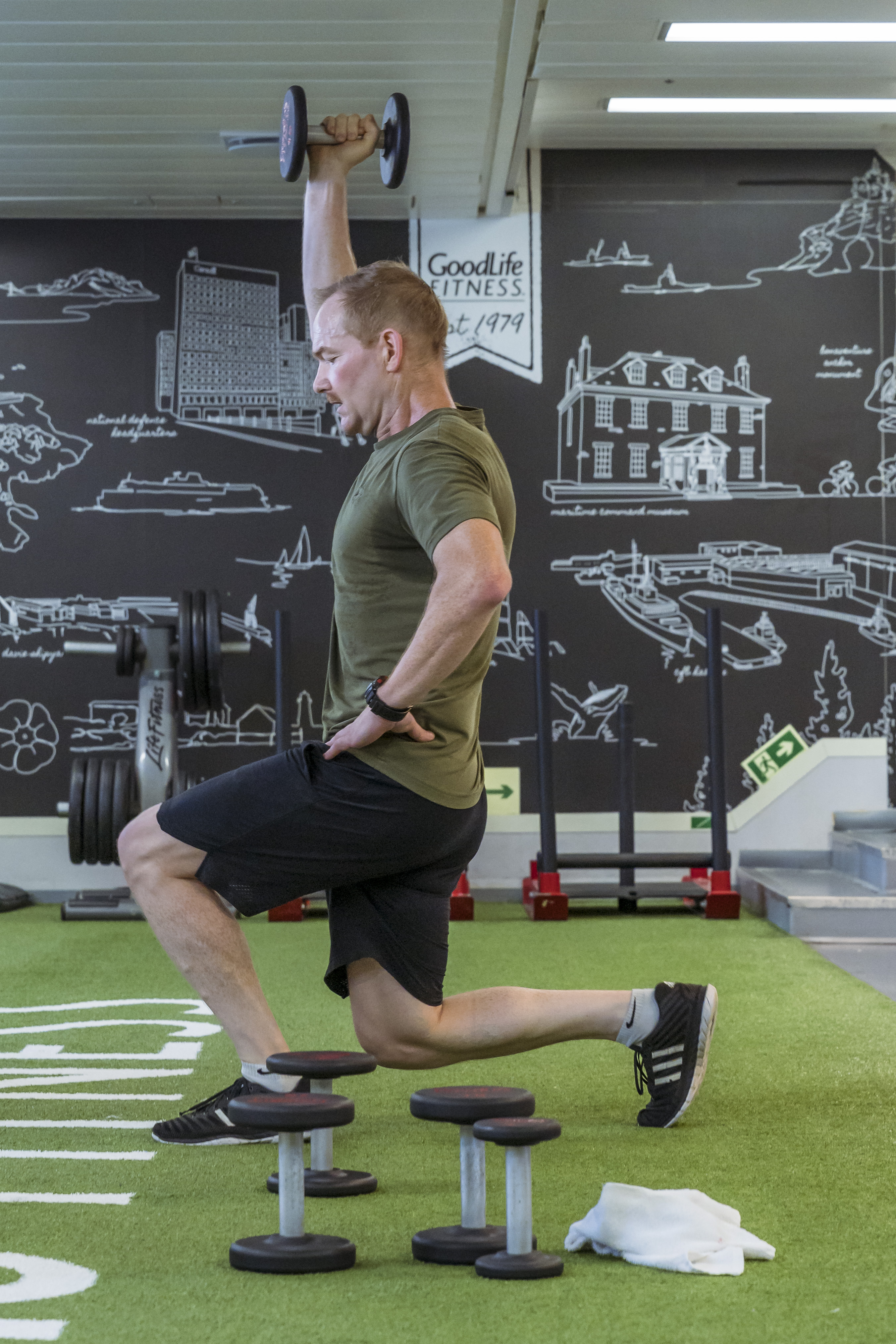
Caption
Sailor Second Class Christopher Klemmensen participating in a gym session physical training (PT) lead by Personnel Support Programs (PSP) on board MV ASTERIX, while sailing in the Western Pacific Ocean, as part of OP HORIZON on April 25.
Photo: Master Corporal Jaclyn Buell, Canadian Armed Forces
Preventable injuries—especially from physical training and sports— remain a leading cause of reduced deployability and time away from duty. The good news: many can be avoided through simple, consistent practices.
1. Know your risk
A previous injury is one of the strongest predictors of future injury, especially when rehabilitation is incomplete or members return to full activity too quickly.
If you have an injury or are experiencing pain, seeking appropriate care and ensuring full recovery before resuming high physical demands is essential.
2. Don’t skip the warm-up
Adopt an effective warm-up routine (5-10 minutes).
- Prioritize dynamic warm-ups
- Gradually increase heart rate, blood flow, and mobility
- Incorporate movements that mirror the upcoming activity (Ex. lunges, squats, pivots, etc.)
3. Prepare for the task
At the core of injury prevention is preparation. Train for operational tasks in anticipation of increasing demands. Prepare ahead for:
- CAF physical activity challenges
- Force Evaluation
- Running long distances
- Ruck marching
- Lifting heavy equipment
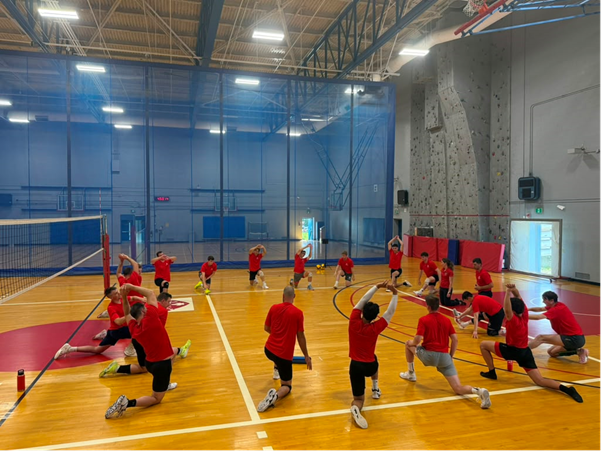
Caption
CAF physiotherapist leads a low impact mobility activity at a CAF International Volleyball ID camp.
4. Strength train regularly — with proper technique
Strength training major muscle groups with proper technique at least twice a week helps prevent injuries and osteoporosis.
Use resources like the PSP fitness staff to ensure you are using proper technique.
5. Progress gradually
Sudden increases in intensity, duration, or load (ex. rapidly adding mileage to a run or lifting heavier weights too quickly) can significantly raise injury risk.
Aim for a gradual increase, often around 5-10% per week.,
6. Mix it up
Being active daily and alternating high and low impact training activites helps avoid repetitive strain injuries and long-term health issues.
Mix different types of activities:
- High impact: Strength training, team sports, running, and cycling
- Low impact: Walking, swimming, mobility, and recovery-focused activities
Adopt these simple but effective habits:
- Avoid remaining in one position for extended periods
- Wear recommended protective equipment
7. Recovery matters
How you recover is equally as important as how you train. Physical and mental health both play a critical role in injury prevention and operational performance.
Key habits that support recovery and readiness include adequate sleep, nutrition, hydration, and stress management.
8. Don’t overlook sleep
Sleep is critical yet often neglected. Consistently getting fewer than seven hours of sleep per night can lead to:
- Reduced physical performance and resilience
- Slower reaction times
- Higher likelihood of accidents
9. Stay hydrated
Hydration is critical for performance, especially during training in hot weather or high-intensity conditions. Proper fluid intake before, during, and after physical activity helps prevent fatigue, muscle cramps, and decreased performance.
The takeaway
Injury prevention extends beyond the gym. By combining smart training practices with healthy lifestyle habits, you can enhance performance, reduce time away from duty, and remain ready to meet operational demands.
Helpful resources:
- Fitness Training | CFMWS
- General physical activity guidelines by age, pregnancy, and postpartum:
- A sample progressive running program: Dutch Start to Run Programs
- Canada's food guide
- Strengthening the Forces: