
Public Service Commission of Canada Open Government Implementation Plan - Objectives and Commitments for 2020 to 2022
Table of Contents
- 1. Message from the President
- 2. Background and Context
- 2.1 Open Government Partnership
- 2.2 Canada’s National Action Plan
- 2.3 Directive on Open Government
- 2.4 Open Government Portal
- 3. Vision
- 4. Progress to Date
- 5. How we developed the 3rd Biennial OGIP
- 6. Open PSC Objectives
- 6.1 Create an “open by default” Culture
- 6.2 Engage to Provide Value-added Data and Information
- 6.3 Optimize Self-service through Innovation
- 6.4 Support Government of Canada Commitments and Expectations
- 7. Open PSC Governance
- 8. Risks and Mitigation Strategies
- 9. Activity Charts – Activities/Leads
- 1.0 Create an “open by default” Culture
- 2.0 Engage to Provide Value-added Data and Information
- 3.0 Optimize Self-service through Innovation
- 4.0 Support Government of Canada Commitments and Expectations
- Annex A: Roles and Responsibilities
- Annex B: Acronyms
1. Message from the President

Figure 1 – Picture of Patrick Borbey, the President of the Public Service Commission
I am pleased to present the Public Service Commission of Canada’s (PSC) third Open Government Implementation Plan (OGIP). This plan is the continuation of our efforts to become an Open PSC, and a leader in Open Government (OpenGov).
The purpose of this OGIP is to present the objectives, commitments and activities needed to pursue a truly Open PSC.
The PSC will continue to promote transparency and accountability in demonstrating how it fulfills its mandate to promote and safeguard a merit-based, representative and non-partisan public service that serves all Canadians.
Inspired by Canada’s latest National Action Plan, the OGIP was developed based on the following principles: inclusive of employees and Canadians’ views; increased collaboration and engagement to improve our policies, programs and services; user-centric in recognition that OpenGov derives its value from its users; accessible to ensure PSC open assets can be used by more Canadians to create value; privacy by design in our approach; and supportive of our employees as we advance OpenGov at the PSC.
This OGIP outlines our commitments for 2020-2022. Let us continue to work together to make OpenGov our own!
2. Background and Context
It is important to note that at the time of publication, a global pandemic emerged, causing disruption and uncertainty. Once our environment stabilizes, our plan will be reviewed and adjusted accordingly. Right now, in this changing environment, our priority remains on our people, and the PSC’s critical services in support of appointments to positions that are critical to the effective function of the Government of Canada.
Open Government is an international initiative led by the Open Government Partnership (OGP), which was joined by Canada in 2012. Since 2015, the PSC has developed plans to support Canada’s contribution to the OpenGov agenda.
2.1. Open Government Partnership
The OGP was founded in 2011 and is an international partnership comprised of 78 countries as of January 2020. The OGP requires that members submit an action plan that has been co-created with the public every two years and describes commitments for achieving greater transparency, accountability, and public participationFootnote 1.
Canada became the co-lead chair of the OGP between October 2018 and September 2019 along with a civil society organizationFootnote 2. Their priorities were: Inclusion, Participation and ImpactFootnote 3. Argentina took over in 2019 alongside a new civil society leadFootnote 4. With a specific effort to address inclusion and civic space, they have focused on two themes: Advancing the open state and Building trust in digital governanceFootnote 5.
2.2. Canada’s National Action Plan
Canada’s four action plans on OpenGov were developed in support of the OGP and provide an overview of the GC’s activities for advancing OpenGov. The fourth biennial National Action Plan on OpenGov, released in April 2018, was developed with vast public consultations which reached over 10,000 Canadians through multiple forums, both online and in person. The resulting plan has committed to accomplish activities related to 10 OpenGov identified themes:
- User-friendly open government
- Financial transparency and accountability
- Corporate transparency
- Digital government and services
- Open science
- Healthy democracy
- Access to information
- Feminist and inclusive dialogue
- Reconciliation and open government
- Open government community
2.3. Directive on Open Government
“The objective of the directive is to maximize the release of government information and data of business value to support transparency, accountability, citizen engagement, and socio-economic benefits through reuse, subject to applicable restrictions associated with privacy, confidentiality, and security”Footnote 6.
It requires departments to establish and maintain comprehensive inventories of data and information resources of business value; maximize the release of open data and open information resources and release data and information in accessible and reusable formats.
Throughout the summer and fall of 2019, the Treasury Board Secretariat conducted the public service-wide Horizontal Evaluation of OpenGov to collect and analyze evidence of the implementation of the OpenGov program since 2016. The evaluation will help to inform program delivery and optimize the achievement of results. The PSC was one of the departments consulted during the evaluation. The report is expected to be released in 2020.
2.4 Open Government Portal
The Open Government Portal (open.canada.ca) is the GC’s one-stop shop where federal organizations release data and information. It contains a listing of data inventories for federal organizations and has the capacity to store assets related to open data, open information and consultations. As of March 2020, it housed more than 82 000 datasets and more than 1 000 information assetsFootnote 7.
3. Vision
Our vision is to become an Open PSC. We will achieve our vision by moving beyond meeting the requirements of the Directive and tailoring our OpenGov activities to our needs. We will empower employees with the tools, knowledge, and support they need to proactively identify, develop, and publish PSC assets with purpose, meaning that they are of value and informed by public interest, to the OpenGov Portal.
4. Progress to Date
The objective of the PSC’s second OGIP was to move the PSC beyond only meeting the requirements of the Directive to one where we are tailoring our OpenGov activities to meet the needs of the PSC. The PSC’s second OGIP laid out four key objectives, eight commitments and more than 60 activities to be completed between April 2018 and March 2020. The success of the PSC’s second OGIP laid the foundations for future engagement and innovation.
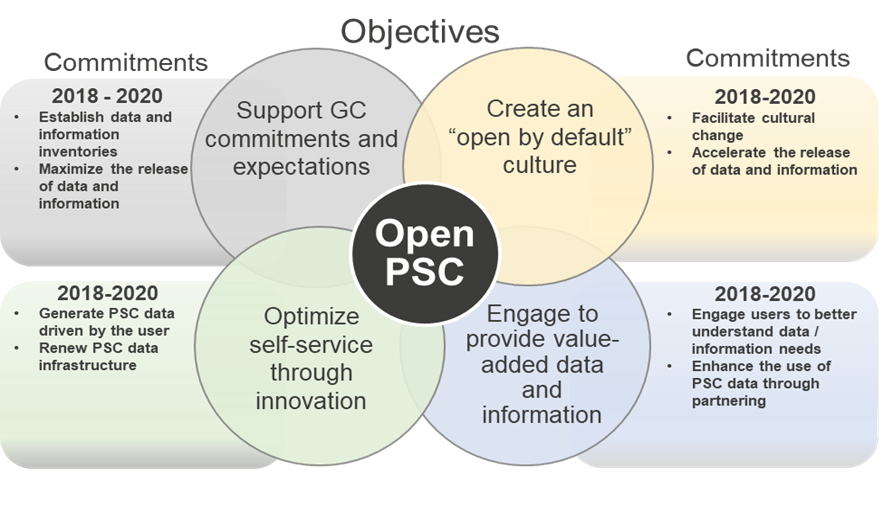
Figure 2– Objectives and Commitments – PSC’s Second OGIP
Text version
Figure 2 outlines Open PSC objectives and commitments from the PSC’s Second OGIP 2018-2020. Objective 1 is to support GC commitments and expectations. This objective has two commitments, establish data and information inventories and maximize the release of data and information. Objective 2 is to create an “open by default” culture. This objective has two commitments, facilitate cultural change and accelerate the release of data and information. Objective 3 is to engage to provide value- added data and information. This objective has two commitments, engage users to better understand data / information needs and enhance the use of PSC data through partnering. Objective 4 is to optimize self-service through innovation. This objective has two commitments, generate PSC data driven by the user and renew PSC data infrastructure.
4.1 Progress towards each Objective
Support the GC commitments and Expectations
The PSC continued to support the GC commitments and expectations under the Directive on Open Government. As of March 2020, the PSC had published 104 datasets and 15 information assets on the Portal.
The Directive on Open Government is being incorporated into other GC initiatives such as: the Policy on Service and DigitalFootnote 8 and the Directive on Service and DigitalFootnote 9 and this has created a need to remain flexible in our approach to OpenGov to be able to adapt to changes in the direction of the GC.
Create an ‘open by default’ culture
The PSC has made progress towards creating an ‘open by default’ culture. Employees are engaging more in OpenGov activities, and are actively seeking out ways to participate in the process. Through increased participation in activities like our annual open house, our internal communication campaigns, and our GCconnex/GCcollab pages, we have observed an increase in support for the OpenGov program.
With this increased participation, new challenges have emerged. There is a need for further clarification of our processes, requirements and roles and responsibilities, starting with those associated with the identification of assets to be published on the Open Government Portal.
Engage to provide value-added data and information
Throughout the last OGIP, we engaged to provide value-added data and information. We engaged first internally within the PSC to raise awareness and solicit feedback. Utilizing media such as our Intracom, GCConnex and internal communiqués to share what we published and raise awareness of OpenGov initiatives, we were able to solicit feedback and gain insight into what employees wanted from OpenGov. As we made progress internally, we expanded our engagement to include other public servants across the GC and even, on a smaller scale, with members of the public. We received and responded to questions from public servants from across the GC, published tweets and blogs, participated in an Armchair Discussion through the Canada School of Public Service and co-hosted a public webinar with the Treasury Board Secretariat. All of which expanded our reach, informed Canadians of PSC open data and information, and allowed us to incorporate important feedback into our work.
As we engaged within the PSC, employees expressed discomfort in sharing information through OpenGov. Additionally, PSC employees identified the need for more training in topics related to OpenGov.
Optimize self-service through innovation
We made strides in optimizing self-service through innovations. We coded the first interactive visualization tool published on the Open Data Portal. The tool was designed to help departments analyse their results of the Staffing and Non Partisanship Survey. The code for the visualization tool and the code for our Computer Automated Testing platform were uploaded to the global developer platform GitHub, a site that provides hosting for software development version control and code sharing. The PSC also included OpenGov into the Data Approval and Dissemination Protocol within the PSC Data Management Strategy.
As we gained experience, we learned that there is still a need to make OpenGov more user-friendly internally for employee and externally for other government departments and Canadians.
By expanding our commitments to address these issues, we will maintain the momentum gained from our last OGIP and continue to make progress towards achieving an Open PSC.
5. How we developed the 3rd Biennial OGIP
In the spirit of OpenGov, we brought together stakeholders from across the PSC through various forums, to collaborate and identify issues, risks, and opportunities moving forward. The objective was to create a holistic vision and plan in which employees could see themselves reflected. These consultations highlighted issues and employees’ expectations for the future of OpenGov at the PSC.
The draft OGIP was made available for comment to employees for a one-week period prior to being discussed through the Open PSC governance and was approved by the Executive Management Committee on June 17, 2020.
6. Open PSC Objectives
Over the past two years the PSC has committed to OpenGov through four key objectives (figure 2):Footnote 10
- Create an ‘open by default’ culture
- Engage to provide value-added data and information
- Optimize self-service through innovation
- Support Government of Canada (GC) commitments and expectations
Consultations with PSC employees revealed that the four objectives identified in the previous OGIP are still relevant and that more work is required to achieve them. Consequently, the 2020-2022 OGIP is the continuation of our efforts to achieve these objectives with the identification of new commitments as shown below.
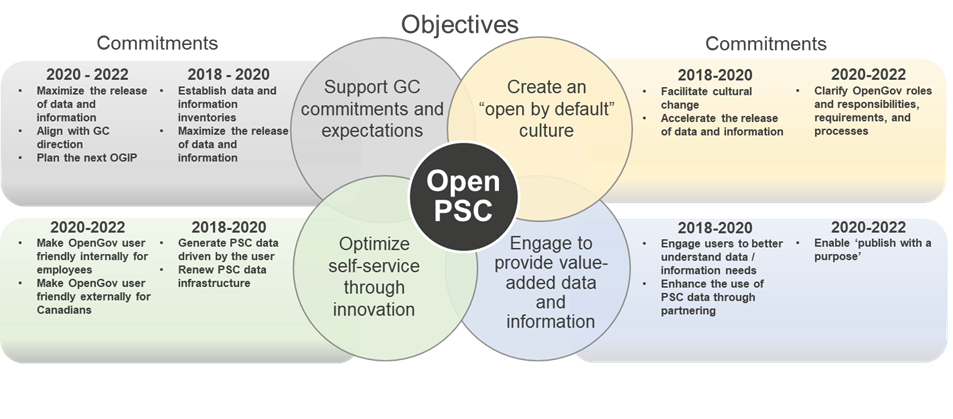
Figure 3 - Open PSC Objectives and Commitments for 2020-2022
Text version
Figure 3 outlines Open PSC objectives and commitments for 2018-2020 (described in Figure 2) and 2020-2022. Open PSC objectives for 2020-2022 are as follows. Objective 1 is create an “open by default” culture. This objective has one commitment, clarify OpenGov roles and responsibilities, requirements and processes. Objective 2 is engage to provide value- added data and information. This objective has one commitment, enable 'publish with a purpose.' Objective 3 is optimize self-service through innovation. This objective has two commitments, make OpenGov user-friendly internally for employees and make OpenGov user-friendly externally for Canadians. Objective 4 is support GC commitments and expectations. This objective has three commitments, maximize the release of data and information, align with GC direction, and plan the next OGIP.
The OpenGov commitments and supporting activities stem from the issues and opportunities identified during employee consultations. For a more detailed breakdown of each activity, please see Section 9 - Activity Charts.
6.1. Create an “open by default” Culture
As we have started facilitating a cultural shift, we have seen an increase in the number of data and information assets being identified and released, but with these successes come new challenges. The processes in place for the identification, development, and publication of data and information is manual and led by the Open Government Secretariat (OGS) and the Information Management Office (IMO). PSC employees feel that there is a lack of clarity regarding the roles and responsibilities, the requirements and processes related to OpenGov. Employees also reported a low perception of value for effort. To support an Open PSC and empower employees to identify and share content, we need to make it easy for people to understand how, when, why, and what to share.
In order to facilitate the culture change to an Open PSC and support the identification of assets, we will:
- Clarify OpenGov roles and responsibilities, requirements and processes
- Measure and report on progress
6.2. Engage to Provide Value-added Data and Information
During the consultations, employees reported being hesitant to identify information and data for publication because they are unsure about: the risks associated with publication; the point at which an asset becomes of value to publish; and what data or information is of interest to Canadians. To ensure we are providing value-added data and information, we need to enable employees to identify and bring forward data or information assets to ‘publish with a purpose.’
To provide value-added data and information through engagement, we will:
- Enable “publish with a purpose’ by analyzing various sources of information to identify themes of interest
- Engage PSC employees, public servants and Canadians to enhance relevance of PSC open data and information assets
6.3. Optimize Self-service through Innovation
Throughout our consultations, employees reported that they are not able to easily and efficiently produce and interact with OpenGov content. We need to make it easier for employees to be able to self-serve, we need to make it easier to identify and produce assets for OpenGov and easier to find and use assets currently available. Additionally, the GC’s OpenGov action plan has identified a need to make OpenGov more user friendly, specifically around its tools such as the OpenGov Portal. To answer these needs, and beginning with asset identification, the PSC must do what we can to make OpenGov user-friendly for both producers and consumers of the PSC’s data and information. If it is easier for us, it will be easier for all.
To optimize self-service through innovation, we will:
- Make OpenGov user friendly internally for employees by updating PSC templates and optimizing the use of GCDocs
- Make OpenGov user friendly internally and externally for Canadians by exploring opportunities to increase the use of open data through visualization tools
6.4. Support Government of Canada Commitments and Expectations
In light of the GC Policy on Service and Digital and with the results of the Horizontal Evaluation of Open Government pending, we must remain abreast of developments regarding OpenGov while continuing to meet the requirements of the Directive on Open Government. As such, we will continue to maximize the release of data and information and we will monitor, evaluate, and maintain the flexibility within our approaches to adapt the PSC’s commitments to align with the GC’s evolving direction and priorities related to OpenGov.
To continue to meet the GC commitments and expectations, we will:
- Update and/or consolidate open datasets and supporting documentation
- Continue to identify and release new open information
- Review and adjust to the findings of the Horizontal Evaluation of OpenGov
- Plan for the next OGIP (2022-2024)
7. Open PSC Governance
An OpenGov Champion was first designated in November 2016, by the Executive Management Committee, to provide appropriate leadership and visibility to this initiative and to facilitate its successful implementation. Since then, the governance has been ensured via formal bodies such as the Joint Information Management/Information Technology Committee (IM/ITC) and Integration Committee (IC). Recognizing the horizontal nature of this effort, the Data and Open Government Advisory Board (DOGAB) was created along with various working groups to support an integrated approach to implementation.
This informal body was used to support the Information Management Senior Official (IMSO) and the OpenGov Champion and to provide advice and guidance at earlier stages of OpenGov implementation at the PSC. The state of OpenGov at the PSC has matured and no longer requires the DOGAB. The role of the IMSO is assigned to the Chief Information Officer (CIO), who is a member of the Information Management /Information Technology Committee; meetings of the joint IC and IM/ITC committees will replace DOGAB.
In order to continue supporting the OpenGov Champion and the IMSO, the membership of the Open Government Working Group (OGWG) will be expanded to include representatives at the working level from all PSC sectors and regions. Its updated terms of reference will include greater responsibility concerning the identification of assets for OpenGov. The OGWG will subsume the role of supporting the OpenGov Champion and the IMSO and will allow for the PSC to further integrate OpenGov into the working level.
At the time of writing, a review of the formal PSC governance structure is underway and we plan to leverage the results of the review to allow a holistic integration of OpenGov into PSC’s governance.
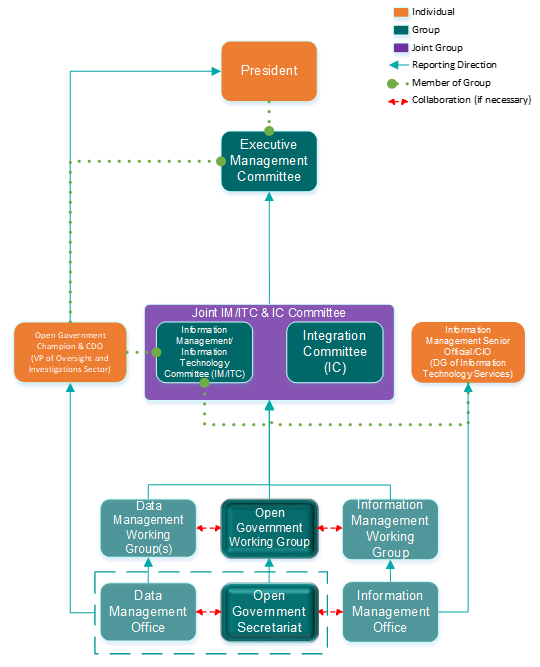
Figure 4 below depicts the revised OpenGov governance which will continue to be examined to ensure expediency and efficiency while maintaining privacy, legal, and security requirements.
Figure 4 - Revised Open PSC Governance
Text version
Figure 4 outlines the revised Open PSC governance. The reporting structure is as follows. The Open Government Working Group reports to Open Government Secretariat. The Open Government Secretariat reports to the Open Government Champion/ Chief Data Officer (CDO). The Open Government Champion/CDO reports to President.
The Data Management Working Group reports to Data Management Office. The Data Management Office reports to the Open Government Champion/CDO. The Open Government Champion/CDO reports to President.
The Information Working Group reports to Information Management Office. The Information Management Office reports to the Information Management Senior Official (IMSO)/Chief Information Officer (CIO). The IMSO/CIO reports to Vice-President Corporate Affairs Sector.
Joint IM/ITC and IC Committee reports to Executive Management Committee.
The membership of the committees are as follows. Executive Management Committee membership includes, the President, and Open Government Champion/CDO. Joint IM/ITC and IC Committee includes, the Information Management/Information Technology Committee and the Integration Committee. The Information Management/Information Technology Committee includes the Open Government Champion/CDO and the Information Management Senior Official/CIO.
Collaboration occurs between the Open Government Secretariat and Data Management Office (if necessary). Collaboration also occurs between the Open Government Working Group and Data Management Working Group (if necessary).
8. Risks and Mitigation Strategies
There are various risks that have been identified which are related to the implementation of an Open PSC. To address these risks, mitigation strategies have or will be implemented.
| Risks | Mitigation strategies |
|---|---|
| 1. Publication of data/information that should not have been released (e.g. data/information that is sensitive, incorrect or lacking context) | Implemented:
|
| 2. Delays in publication of data/information assets that adversely affects relevance | Implemented:
|
| 3. Misuse or misinterpretation of released data/information | Implemented:
|
4. Vision for Open PSC does not materialize because employees are resistant to change:
|
Implemented:
|
5. Delays and challenges in responding to user feedback such as:
|
Implemented:
|
| 6. Lack of data literacy skills to use PSC data | Implemented:
|
| 7. Inability to measure impact of OGIP due to lack of performance measures and reporting on progress through governance | Implemented:
|
| 8. Inability to concretely measure culture change | To implement:
|
| 9. Inability to process an increasing number of assets to be released to the portal | Implemented:
|
| 10. Unavailability of data to support core mandate due to unanticipated factors out of the PSC’s control (e.g. Incumbent file data). | Implemented:
|
9. Activity Charts – Activities/Leads
Due to the global pandemic related to COVID-19, the timelines identified for each activity and their respective deliverables will be reviewed and revised in partnership with each of the Leads. The OGS will remain flexible to accommodate the business units.
1.0 Create an “open by default” culture
| Activities | Deliverables | Lead | Support | Timeline Start Date | Timeline End Date |
|---|---|---|---|---|---|
| 1.1.1. Clarify roles and with responsibilities respect to OpenGov | 1.1.1.1. Documented roles and responsibilities for open data | OGS | ITSD | Apr. 2020 | Sept. 2020 |
| 1.1.1. Clarify roles and with responsibilities respect to OpenGov | 1.1.1.2. Documented roles and responsibilities for open information | ITSD | OGS | Jan. 2021 | Mar. 2021 |
| 1.1.1. Clarify roles and with responsibilities respect to OpenGov | 1.1.1.3. Revised Open PSC governance model | OGS | ITSD | Jan. 2020 | Mar. 2022 |
| 1.1.1. Clarify roles and with responsibilities respect to OpenGov | 1.1.1.4. Revised Terms of Reference for committees that support OpenGov (e.g. OpenGov Working Group, Information Management Working Group, DOGAB, etc.) | OGS ITSD |
None | OGS: Apr. 2020 ITSD: Jan. 2021 |
OGS: Apr. 2020 ITSD: Mar. 2021 |
| 1.1.2. Clarify OpenGov requirements and processes | 1.1.2.1. Finalized open data and open information processes | OGS ITSD |
None | OGS: Apr. 2020 ITSD: Apr. 2020 |
OGS: Sept. 2020 ITSD: Sept. 2020 |
1.1.2. Clarify OpenGov requirements and processes |
1.1.2.2. Updated Reference material (user guides) on publication requirements | OGS ITSD |
None | OGS: Apr. 2020 ITSD: Jan. 2021 |
OGS: Oct. 2020 ITSD: Mar. 2021 |
| 1.1.2. Clarify OpenGov requirements and processes | 1.1.2.3. Finalized guidance documents to help employees identify assets to be released on the OpenGov portal developed (e.g., guidelines, checklists, decision trees, scenarios, etc.) | OGS ITSD |
None | OGS: Jul. 2020 ITSD: Apr. 2021 |
OGS: Oct. 2020 ITSD: Mar. 2022 |
| 1.1.2. Clarify OpenGov requirements and processes | 1.1.2.4. Training materials on how to make data and information accessible developed | OGS ITSD |
CPAD | OGS: Sept. 2020 ITSD: Jan. 2021 |
OGS: Nov. 2020 ITSD: Mar. 2021 |
| 1.1.2. Clarify OpenGov requirements and processes | 1.1.2.5. Guidance for publication lifetime of data and information published on the Open Government Portal developed | ITSD | CPAD | Mar. 2021 | Mar. 2022 |
| 1.1.3. Communicate OpenGov roles and responsibilities, requirements and processes | 1.1.3.1. Intracom page to host OpenGov information created | OGS ITSD |
CPAD | Oct. 2020 | Mar. 2021 |
| 1.1.3. Communicate OpenGov roles and responsibilities, requirements and processes | 1.1.3.2. Integrated Outreach and Communication Plan related to OpenGov (e.g., roles and responsibilities, requirements, processes) created | OGS | ITSD | Apr. 2020 | Oct. 2020 |
| 1.1.4. Measure progress | 1.1.4.1. Survey to assess employees’ baseline awareness of OpenGov roles and responsibilities, requirements and processes administered | OGS | DSAD | Sept. 2020 | Oct. 2020 |
| 1.1.4. Measure progress | 1.1.4.2. Survey findings analysed and addressed to enhance OpenGov at the PSC | OGS | DSAD | Oct. 2020 | Nov. 2020 |
| 1.1.4. Measure progress | 1.1.4.3. Follow up survey to assess employees’ awareness of OpenGov roles and responsibilities, requirements and processes administered | OGS | DSAD | Mar. 2022 | April 2022 |
| 1.1.4. Measure progress | 1.1.4.4. OpenGov Maturity Model created to assess progression at the PSC | OGS | ITSD | Apr. 2020 | Dec. 2020 |
2.0 Engage to provide value-added data and information
| Activities | Deliverables | Lead | Support | Timeline Start Date | Timeline End Date |
|---|---|---|---|---|---|
| 2.1.1. Establish Themes of Interest based on analysis of PSC Resources | 2.1.1.1. Assessment of the analytics for the OpenGov Portal completed | OGS | None | Apr. 2020 | May 2020 |
| 2.1.1. Establish Themes of Interest based on analysis of PSC Resources | 2.1.1.2. Assessment of the analytics for Canada.ca/PSC completed | OGS | None | Apr. 2020 | May 2020 |
| 2.1.1. Establish Themes of Interest based on analysis of PSC Resources | 2.1.1.3. Analysis of the PSC’s ATIP requests completed | OGS | None | Apr. 2020 | May 2020 |
| 2.1.1. Establish Themes of Interest based on analysis of PSC Resources | 2.1.1.4. Assessment of phase I and II of OpenGov engagement plan completed | OGS | None | Apr. 2020 | May. 2020 |
| 2.1.1. Establish Themes of Interest based on analysis of PSC Resources | 2.1.1.5. Assessment of PSC Annual Reports completed | OGS | None | Apr. 2020 | May. 2020 |
| 2.1.1. Establish Themes of Interest based on analysis of PSC Resources | 2.1.1.6. Survey to solicit feedback from data requestors administered and analyzed | OGS | None | Jan. 2020 | Oct. 2020 |
| 2.1.1. Establish Themes of Interest based on analysis of PSC Resources | 2.1.1.7. Themes of interest identified, documented | OGS | None | Aug. 2020 | Sept. 2020 |
| 2.1.2. Engage PSC employees to ‘publish with a purpose’ | 2.1.2.1. Analytics on OpenGov assets are provided to business owners quarterly | OGS | DSAD | End of each Quarter starting at End of Q1 2020 | Mar. 2022 |
| 2.1.2. Engage PSC employees to ‘publish with a purpose’ | 2.1.2.2 Presentation of themes to SMCs, regions, directorates, etc. | OGS | None | Sept. 2020 | Oct. 2020 |
| 2.1.2. Engage PSC employees to ‘publish with a purpose’ | 2.1.2.3. Host annual Open House | OGS | None | Nov. 2020 Oct. 2021 |
Nov. 2020 Oct. 2021 |
| 2.1.2. Engage PSC employees to ‘publish with a purpose’ | 2.1.2.4. OpenGov assets are identified through the Open Government Working Group | OGS | OGWG | Sept. 2020 | Mar. 2022 |
| 2.1.2. Engage PSC employees to ‘publish with a purpose’ | 2.1.2.5. Quarterly update on OpenGov initiatives provided | OGS | None | End of each Quarter –First July 2020 | Mar. 2022 |
| 2.1.3. Engage public servants on ‘publish with a purpose’ | 2.1.3.1. OpenGov speaking points, analytics, questions are incorporated in Outreach activities conducted by business units such as; Investigations, SSA’s, NMC, PSCJAC, HRC, etc. | OGS | None | Apr. 2020 | Mar. 2022 |
| 2.1.3. Engage public servants on ‘publish with a purpose’ | 2.1.3.2. Quarterly updates on GCconnex and GCcollabs on PSC OpenGov initiatives | OGS | None | End of each Quarter – First July 2020 | Mar. 2022 |
| 2.1.4. Engage Canadians on ‘publish with a purpose’ | 2.1.4.1. Working group with PSC and civil society members created to use as a consultative body to enhance OpenGov relevance for Canadians | OGS | None | Sept. 2020 | Mar. 2021 |
| 2.1.4. Engage Canadians on ‘publish with a purpose’ | 2.1.4.2. Consultations with PSC business areas, including the regions and SSAs, on opportunities to leverage existing forums outside of the Public Service e.g. CEWIL (COOP data) conducted | OGS | None | Apr. 2020 | Mar. 2022 |
| 2.1.4. Engage Canadians on ‘publish with a purpose’ | 2.1.4.3. Stakeholder map created | OGS | ITSD | Jan. 2021 | Feb. 2021 |
| 2.1.4. Engage Canadians on ‘publish with a purpose’ | 2.1.4.4. External outreach and communication plan to engage with Canadians and stakeholders to understand problems/issues they want to address created | OGS | None | Feb. 2021 | Mar. 2021 |
| 2.1.4. Engage Canadians on ‘publish with a purpose’ | 2.1.4.5. PSC OpenGov presence enhanced on social media (Twitter, LinkedIn, GCcollab, etc.) | OGS | ITSD | Apr. 2020 | Mar. 2022 |
3.0 Optimize self-service through innovation
| Activities | Deliverables | Lead | Support | Timeline Start Date | Timeline End Date |
|---|---|---|---|---|---|
| 3.1.1. Update PSC templates to include OpenGov considerations | 3.1.1.1. Assessed the feasibility of including OpenGov considerations in briefing note templates | Corp Services | OGS ITSD |
Jan. 2021 | Mar. 2021 |
| 3.1.1. Update PSC templates to include OpenGov considerations | 3.1.1.2. Revised PSC presentation template include OpenGov considerations | CPAD | ITSD | Jan. 2021 | Mar. 2021 |
| 3.1.1. Update PSC templates to include OpenGov considerations | 3.1.1.3. Revised PSC Report template includes OpenGov considerations | CPAD | ITSD | Jan. 2021 | Mar. 2021 |
| 3.1.1. Update PSC templates to include OpenGov considerations | 3.1.1.4. Revised project management materials such as business case and project charter templates include OpenGov considerations | ITSD | OGS | Sept. 2020 | Mar. 2021 |
| 3.1.2. Optimize the use of GCDOCs | 3.1.2.1. Internal communication strategy on opening GCDocs permissions developed | ITSD | CPAD | Jan. 2021 | Mar. 2021 |
| 3.1.2. Optimize the use of GCDOCs | 3.1.2.2. Training materials for utilizing GCDocs for OpenGov processes developed and communicated | ITSD | CPAD | Jan. 2021 | Mar. 2022 |
| 3.1.2. Optimize the use of GCDOCs | 3.1.2.3. Assessment for automating the production of open datasets completed | OGS | DSAD | Sept. 2020 | Mar. 2021 |
| Activities | Deliverables | Lead | Support | Timeline Start Date | Timeline End Date |
|---|---|---|---|---|---|
| 3.2.1. Explore opportunities to increase the use of open data through visualization tools | 3.2.1.1. Assessed options to visualize open data | DSAD ITSD |
OGS | DSAD: Apr. 2020 ITSD: Apr. 2020 |
DSAD: Mar. 2021 ITSD: Mar. 2021 |
| 3.2.2. Share our solutions and code through open source | 3.2.2.1. Share developed code on an open source platform | ITSD | None | Apr. 2020 | Mar. 2022 |
| 3.2.3. Explore creating data and information in various formats to increase usability | 3.2.3.1. SNPS ‘Navigating Open Data’ video on YouTube released | OGS | DSAD CPAD |
May 2020 | Sept. 2020 |
| 3.2.3. Explore creating data and information in various formats to increase usability | 3.2.3.2. SLE ‘Navigating Open Data’ video on YouTube released | OGS | PPC CPAD |
Jan. 2021 | Mar. 2021 |
| 3.2.4. Make PSC open data and information more findable on the portal | 3.2.4.1. Metadata form is modified to include a method of categorization for content on the Portal | CPAD | OGS ITSD |
Sept. 2020 | Dec. 2020 |
4.0 Support GC commitments and expectations
| Activities | Deliverables | Lead | Support | Timeline Start Date | Timeline End Date |
|---|---|---|---|---|---|
| 4.1.1. Update open datasets and supporting documentation | 4.1.1.1. Investigations datasets updated | Invest. | OGS CPAD |
Oct. 2020 Apr. 2021 Oct. 2021 |
Nov. 2020 May 2021 Nov. 2021 |
| 4.1.1. Update open datasets and supporting documentation | 4.1.1.2. Priority Information Management System datasets updated | PIMS | OGS CPAD |
Apr. 2020 Apr. 2021 |
May 2020 May 2021 |
| 4.1.1. Update open datasets and supporting documentation | 4.1.1.3. List of post-secondary academic institutions and programs validated by the PSC datasets updated monthly | CPRO | OGS CPAD |
Apr. 2020 | Mar. 2022 (ongoing monthly) |
| 4.1.1. Update open datasets and supporting documentation | 4.1.1.4. Mobility provision datasets updated | PANPD | OGS CPAD |
Mar. 2021 Mar. 2022 |
Apr. 2021 Apr. 2022 |
| 4.1.1. Update open datasets and supporting documentation | 4.1.1.5. Population under the Public Service Employment Act datasets updated | DSAD | OGS CPAD |
Oct. 2020 Oct. 2021 |
Oct. 2020 Oct. 2021 |
| 4.1.1. Update open datasets and supporting documentation | 4.1.1.6. Employment Equity Designated Groups under the Public Service Employment Act datasets updated | DSAD | OGS CPAD |
When Data is available | When Data is available |
| 4.1.1. Update open datasets and supporting documentation | 4.1.1.7. Public Service Hiring and Staffing Activities datasets updated | DSAD | OGS CPAD |
Oct. 2020 Oct. 2021 |
Oct. 2020 Oct. 2021 |
| 4.1.1. Update open datasets and supporting documentation | 4.1.1.8. Assessment by the Public Service Commission datasets updated – Tables 1 to 4 | PPC | OGS CPAD |
Jul. 2020 Jul. 2021 |
Jul. 2020 Jul. 2021 |
| 4.1.1. Update open datasets and supporting documentation | 4.1.1.9. Applications to the Public Service datasets updated | DSAD | OGS CPAD |
Oct. 2020 Oct. 2021 |
Oct. 2020 Oct. 2021 |
| 4.1.1. Update open datasets and supporting documentation | 4.1.1.10. Staffing and Non-Partisanship Survey datasets updated | DSAD | OGS CPAD |
Sept. 2021 | Dec. 2021 |
| 4.1.1. Update open datasets and supporting documentation | 4.1.1.11. Permissions Granted dataset published | PANPD | OGS CPAD |
Apr. 2020 Apr. 2021 |
Apr. 2020 Apr. 2021 |
| 4.1.1. Update open datasets and supporting documentation | 4.1.1.12. Updated supporting documentation to invite users to contact the PSC when open data is used to communicate to a wide audience | All Sectors | OGS CPAD |
Apr. 2020 | Mar. 2022 |
| 4.1.2. Continue to assess opportunities for new or consolidated open datasets | 4.1.2.1. Existing datasets consolidated (where appropriate) | OGS | All Sectors | Apr. 2020 | Mar. 2022 |
| 4.1.2. Continue to assess opportunities for new or consolidated open datasets | 4.1.2.2. Open Data Phase IV developed and implemented – Phase IV will have strategies to identify new datasets that are outside of the identified 27 Data Holdings | OGS | None | Apr. 2020 | Mar. 2022 |
| 4.1.2. Continue to assess opportunities for new or consolidated open datasets | 4.1.2.3. Departmental Results Framework – Indicator #1 – Number of Days to complete a recruitment process Published | DSAD | OGS | Nov. 2020 | Jan. 2021 |
| 4.1.2. Continue to assess opportunities for new or consolidated open datasets | 4.1.2.4. Departmental Results Framework – Indicator #9 – Percentage of new hires under the age of 35 Published | DSAD | OGS | Nov. 2020 | Jan. 2021 |
| 4.1.2. Continue to assess opportunities for new or consolidated open datasets | 4.1.2.5. Departmental Results Framework – Indicator #10 - Percentage of Official Language Minority applicants (French-speaking applicants outside of Quebec and English-speaking applicants within Quebec) Published | DSAD | OGS | Nov. 2020 | Jan. 2021 |
| 4.1.2. Continue to assess opportunities for new or consolidated open datasets | 4.1.2.6. Departmental Results Framework – Indicator #11 - Percentage of new hires who applied from outside the National Capital Region Published |
DSAD | OGS | Nov. 2020 | Jan. 2021 |
| 4.1.2. Continue to assess opportunities for new or consolidated open datasets | 4.1.2.7. Assessment datasets - SLE tests – Table 5, 6, and 7 | PPC | OGS | Aug. 2020 | Sept. 2020 |
| 4.1.2. Continue to assess opportunities for new or consolidated open datasets | 4.1.2.8. Assessment datasets – SLE tests – Table 8 and 9 | PPC | OGS | Sept. 2020 | Oct. 2020 |
| 4.1.2. Continue to assess opportunities for new or consolidated open datasets | 4.1.2.9. Advertised processes | DSAD | OGS | Apr. 2021 | Mar. 2022 |
| 4.1.3. Continue to identify and release new open information assets | 4.1.3.1. Assets are identified by initiating and maintaining ongoing engagement with business units and working groups for the release of new information assets | ITSD | None | Apr. 2020 | Mar. 2022 |
| 4.1.4. Continue to update PSC data inventory | 4.1.4.1 Data inventory updated as per new OpenGov dataset identified | OGS | CPAD | Apr. 2020 | Mar. 2022 |
| Activities | Deliverables | Lead | Support | Timeline Start Date | Timeline End Date |
|---|---|---|---|---|---|
| 4.2.1. Review the findings of the Horizontal Evaluation of OpenGov | 4.2.1.1. Assessment of findings and recommendations stemming from the horizontal evaluation conducted and action plan developed | OGS | ITSD | Sept. 2020 | Dec. 2020 |
| Activities | Deliverables | Lead | Support | Timeline Start Date | Timeline End Date |
|---|---|---|---|---|---|
| 4.3.1. Create PSC’s Fourth OGIP | 4.3.1.1. Identified objectives and commitments for a new OGIP | OGS | ITSD | May 2021 | Mar. 2022 |
| 4.3.1. Create PSC’s Fourth OGIP | 4.3.1.2. OGIP approved by EMC following internal and external consultations | OGS | ITSD | Feb. 2022 | Mar. 2022 |
Annex A: Roles and Responsibilities
The creation of the OGIP is an intensive cooperation between the ITSD, OGS and other internal directorates at PSC. As part of this collaboration, the 2020-2022 OGIP will continue to evolve as an evergreen document and, through an iterative process, will be elaborated to reflect the new GC Policy on Service and Digital as well as the Directive on Service and Digital that will incorporate the Directive on Open Government.
We will continue to collaborate on the development of the OGIP, and while versions may go through governance committees, it will continue to evolve.
| OPIFootnote 11 | Responsibilities | OCIFootnote 12 |
|---|---|---|
| President | Organizational accountability | Business areas |
| President | Support “open by default” culture | Business areas |
| Chief Data Officer & Champion for Open Government | Champions the development, execution and reporting on the implementation of OpenGov activities in the OGIP | IMSO, IC-IMITC |
| Chief Data Officer & Champion for Open Government | Drives the cultural change needed to implement OpenGov | IMSO, IC-IMITC |
| Chief Data Officer & Champion for Open Government | Ensures that changes to the design and implementation of business and systems solutions consider the longer-lived needs for PSC data assets | IMSO, IC-IMITC |
| Chief Data Officer & Champion for Open Government | Ensuring synergy across multiple functional areas, including the Information Management Senior Officer and the President | IMSO, IC-IMITC |
| Chief Data Officer & Champion for Open Government | Ensure regular conversation at IC-IMITC and EMC on increasing OpenGov awareness and compliance | IMSO |
| Information Management Senior Official (IMSO) and Chief Information Officer (CIO) |
Responsible for ensuring the PSC meets the requirements of the Directive on OpenGov as defined in sections 6 and 7 | OGS, ATIPO, CPAD, Business Areas |
| Information Management Senior Official (IMSO) and Chief Information Officer (CIO) |
Maximize the release of open data (structured data) and open information (unstructured documents and multi-media assets) under an open and unrestrictive license designated by the TBS | OGS, ATIPO, CPAD |
| Information Management Senior Official (IMSO) and Chief Information Officer (CIO) |
Integration of the requirements of the Directive on Open Government into any new plans for procuring, developing, or modernizing organizational information applications, systems, or solutions in support of the delivery of programs and services | OGS |
| Information Management Senior Official (IMSO) and Chief Information Officer (CIO) |
Ensure the organization establishes and maintains comprehensive inventories of data and information resources of business value held by the organization to determine their eligibility and priority, and to plan for their effective release | OGS |
| Information Management Senior Official (IMSO) and Chief Information Officer (CIO) |
Monitoring the OGIP to ensure that gaps in performance and compliance issues are corrected and to report significant performance and compliance issues to the Chief Information Officer Branch of the TBS Responsible for ensuring the PSC meets the requirements of the Directive on OpenGov as defined in sections 6 and 7 | None |
| Information Management Senior Official (IMSO) and Chief Information Officer (CIO) |
Verify the removal of access restrictions from institutional data and information resources of enduring value prior to transfer to Library and Archives Canada Maximize the release of open data (structured data) and open information (unstructured documents and multi-media assets) under an open and unrestrictive license designated by the TBS |
None |
| Information Management Senior Official (IMSO) and Chief Information Officer (CIO) |
Create, consult and seek approval, and publication of the OGIP to the Open Government Portal | OpenGov Champion, OGS |
| Information Management Senior Official (IMSO) and Chief Information Officer (CIO) |
Advise the President on the:
|
OpenGov Champion |
| EMC | Engage in regular conversations on increasing OpenGov awareness and compliance | All areas of the organization |
| EMC | Support the development and implementation of an internal change management and communications strategy to ensure the purpose and plan of the OGIP and resulting deliverables are understood, responsibilities are clear, and engagement at all levels of the organization | IMSO, Open Government Champion |
| EMC | Endorsement of OGIP prior to submission for publication on the Open Government Portal | IC-IMITC, Open Government Champion |
| Joint Integration – Information Management/Information Technology Committee (IC-IMITC) | Bring forward recommendations to EMC that support of activities which promote OpenGov awareness and compliance | IMSO, Open Government Champion, OGWG, IMWG |
| Open Government Secretariat (OGS) | Support the Chief Data Officer, Open Government Champion, and Information Management Senior Official in the completion of their responsibilities for Open Government | None |
| Open Government Secretariat (OGS) | Consult with business areas to coordinate the work involved in completing the OpenGov activities and raising awareness of OpenGov | OGWG |
| Open Government Working Groups | Facilitate a common understanding, at the working level, of OpenGov and how it will be implemented across all sectors within the PSC | ITSD, OGS, OpenGov Coordinators |
| Open Government Working Groups | Support, at a working level, the planning, development and delivery of the deliverables and activities that are outlined in the OGIP | All areas of the organization |
| Open Government Working Groups | Report and make recommendations to the IMSO, Chief Data Officer & Champion for Open Government, and IC-IM/ITC, when necessary | ITSD, ATIPO, OGS, LEGAL, CPAD |
| Business Areas | Work to complete the OpenGov deliverables under their respective areas of responsibility and raise awareness of OpenGov within teams | None |
| Business Areas | Identify and publish OpenGov assets including bilingual supporting documentation and complete a comparative review to ensure that the English and French documents match | None |
Annex B: Acronyms
| Acronym | Definition |
|---|---|
| ADAI | Appointment Delegation and Accountability Instrument |
| ATIPO | Access to Information and Privacy Office |
| BDSD | Business Development and Systems Directorate |
| CIO | Chief Information Officer |
| CPAD | Communications and Parliamentary Affairs Directorate |
| CPROD | Central Programs and Regional Offices Directorate |
| CS | Corporate Secretariat |
| DOGAB | Data and Open Government Advisory Board |
| DSAD | Data Services and Analysis Directorate |
| EMC | Executive Management Committee |
| FAD | Finance and Administration Directorate |
| GC | Government of Canada |
| HRMD | Human Resources Management Directorate |
| IC | Integration Committee |
| IM/ITC | Information Management/Information Technology Committee |
| IMSO | Information Management Senior Officer |
| ITSD | Information Technology Services Directorate |
| MAF | Management Accountability Framework |
| NDSi | New Direction in Staffing Interface |
| OpenGov | Open Government |
| OGIP | Open Government Implementation Plan |
| OGS | Open Government Secretariat |
| OGWG | Open Government Working Group |
| PHID | Policy and Horizontal Integration Directorate |
| PIMS | Priority Information Management System |
| PPC | Personnel Psychology Centre |
| PSC | Public Service Commission of Canada |
| PSR | Post-Secondary Recruitment |
| SBDS | Services and Business Development Sector |
| SSPD | SSPD Staffing Support and Priority Directorate |
| TBS | Treasury Board of Canada Secretariat |
| VP | Vice-President |