
Chapter 3: Breaking the silence on maltreatment: why the promise of sport has escaped so many
On this page
- Different forms of maltreatment
- What enables maltreatment in sport
- Global prevalence of maltreatment in sport
- Prevalence of maltreatment in Canadian sport
- Studies on psychological, physical and sexual harm, and neglect
- Prevalence of sexual violence among women and girls
- Prevalence of harm among athletes with a disability
- Prevalence of racism and discrimination in community sport
- Prevalence of hazing in sport
- Prevalence of individual and organizational misconduct among National Sport Organizations
- Léger Marketing Survey on Ethics, Equity and Safety in Sport
- Public online survey conducted as part of the Commission’s activities
- Conclusion on the prevalence of maltreatment in Canadian sport
As Chapter 2 outlines, sport is immensely beneficial in how it positively impacts individuals, communities, and society as a whole. Yet, beneath sport’s celebrated benefits, a troubling reality persists. Sport has long been plagued by various forms of maltreatment.
In recent years, a sequence of widely publicized cases has exposed the widespread and systemic maltreatment present across all levels and types of sport, from grassroots participation to the national stage. Many studies and reviews have been conducted by parliamentary committees and independent investigators at the behest of athletes, victims, survivors, and advocates. These public outcries and the reports that followed have revealed not only individual suffering but also the systemic failures that allow such harm to continue. There is also no denying that maltreatment in sport remains deeply entrenched, with numerous new cases coming to light over the course of the Commission’s work.
Given this troubling reality, it is important to recognize the bravery of those who have shared their experiences. Whether before the Commission or in other forums, victims and survivors have courageously recounted the painful trauma they have experienced and revealed how widespread the abuse is. Their willingness to speak out emphasizes the need for lasting change. Such stories, while difficult to hear, remind us of the courage it takes to confront injustices.
We also commend the work of investigative journalists. They not only offered a voice to the many who suffered in silence or felt their cries went unheard but played a critical role in the processes that led governments to listen and act. Indeed, the media sparked a collective awakening that Canadians responded to with outrage and demands for change. This public pressure compelled governments to take concrete action, such as the study conducted by the House of Commons Standing Committee on Canadian Heritage, which led to the “Safe Sport in Canada” report.Footnote 101
Different forms of maltreatment
The Commission heard heart-wrenching stories of serious abuse. We were told that maltreatment in sport takes many forms, including sexual assault, physical and psychological abuse, neglect, racism, body shaming, bullying, hazing and discrimination. Victims and survivors described feeling humiliated, degraded, and broken.
Many of the victims and survivors who met with us were children when they were subjected to maltreatment. Now adults, they continue to live with the devastating and life-altering consequences of maltreatment. We also heard from individuals who have suffered maltreatment in recent years, including some who are currently experiencing harmful behaviours. These behaviours impact individual athletes and tarnish the integrity of the entire sporting community.
Despite increased awareness and numerous studies and reports aimed at exploring and addressing these issues, maltreatment in sport in this country is still pervasive. In what follows, we summarize some of the accounts that were shared with us by victims, survivors, and witnesses.
Body shaming
Victims and survivors, many of whom were children at the time, experienced body shaming, inappropriate monitoring of weight, food restriction, and other harmful weight-control tactics. We heard stories of child gymnasts being forced to wear an elastic band around their waist to make their stomachs look slimmer, or being put in front of a mirror and told that their legs were touching when they should not be. We heard of athletes resorting to extreme methods such as fasting, vomiting and laxatives to reach the ideal weight for competition, and of team nutritionists reinforcing food restrictions imposed by coaches. They shared how these practices continued to impact them into adulthood, leading to long-lasting psychological and physical effects, and frequently to eating disorders.
Although some of these practices were once considered acceptable, we now understand how damaging these behaviours can be. Still, weight-related maltreatment remains common in sport, especially in artistic sports and sports where athletes must compete within specific weight classes.Footnote 102
Physical and psychological abuse and neglect
The Commission heard victims and survivors describe incidents of physical and psychological abuse such as being locked in change rooms as a punishment, being verbally abused in locker rooms, having things thrown at them such as balls and shoes, and being refused access to a toilet. We heard of abuse inflicted upon Indigenous people in sport, including in residential schools.
We heard accounts of coaches refusing to allow athletes to receive medical care or replacement protective gear after accidents. Some athletes were threatened with having their Athlete Assistance Program funding withdrawn. We also heard of coaches tampering with sports equipment without the athlete’s knowledge to improve performance.
Hazing and bullying
The Commission heard multiple accounts of hazing. Hazing is a form of group bullying or group intimidation of rookies by established team members, and sometimes by team coaches and parents. It involves humiliation and degradation but with the goal and outcome of inclusion (as opposed to bullying, which also involves humiliation and degradation but with the outcome of exclusion).Footnote 103
We were told about rookies being forced to shave their heads, consume excessive amounts of alcohol (often for the first time in their lives), and attend strip clubs. Athletes described being physically and sexually abused by veterans, being deprived of sleep, food or water and acting as personal servants as part of hazing rituals. We heard accounts of athletes being bullied and receiving daily threats from their coaches while traveling to competitions and of coaches forcing male athletes to wear women’s underwear over their competition suits in public until they managed to achieve certain results.
Sexual abuse
Other victims, survivors, and witnesses shared harrowing accounts of sexual maltreatment including sexual assault, violence, and harassment. The Commission heard how these experiences of sexual misconduct are often preceded by grooming and cause lasting and corrosive harm. Grooming involves manipulating perceptions as well as desensitizing and normalizing unacceptable behaviours.
Experts advised us that grooming is a gradual process that typically appears at first as a special opportunity or treatment, such as getting additional attention from individuals in positions of authority or more playing time on the field, which may lead to better athletic performance. But these “special opportunities/treatment” are actually part of the harmful grooming process. They are deliberately used by individuals who hold positions of trust and power over them to gain more control and ultimately sexualize contact with them. Grooming leads to a fundamental and lasting betrayal of trust.
Racism
Racism, including abuse directed toward Indigenous communities, as well as homophobia, ableism (discrimination based on disability), and sexism, have been identified as being deeply ingrained within the sport system. These harms undermine the very principles of fairness and inclusivity that sport is meant to uphold.
The Commission was informed of racism frequently happening both on and off the field of play. Athletes shared experiences of opposing players and administrators hurling racial slurs or employing vicious stereotypes. Some were told they made the team only to fill a “quota.” Racial stereotypes have also been used to justify the lack of diversity in the sport system.
According to the Ontario University Athletics Anti-Racism Report published in 2021, racism in Ontario University Athletics programs often manifests as “microaggressions.”Footnote 104 These are: “[...] the brief and commonplace daily verbal, behavioural, and environmental indignities, whether intentional or unintentional, that communicate hostile, derogatory, or negative racial, gender, sexual-orientation, and religious slights and insults to the target person or group.”Footnote 105
According to this study, students reported that white coaches were often unaware of the impact that jokes and microaggressions had on individuals under their care, and unequipped to handle grievances.Footnote 106
Exclusion and marginalization
Many people from equity-deserving groups continue to be marginalized and excluded from sport. We heard that 2SLGBTQI+ people, including athletes, coaches, and officials, struggled with having to keep their personal lives hidden for fear of retribution. They often felt that equal opportunities were not provided to them.
We also heard of instances where National Sport Organizations housed non-para-athlete participants in one hotel and Para athletes in another, due to a failure by leadership to secure wheelchair-accessible accommodations. We also heard about coaches refusing to provide necessary assistance to Para athletes.
New forms of maltreatment
Maltreatment has also evolved over time as a result of significant shifts in the way society functions. The rise and impact of social media have exacerbated traditional forms of abuse. For example, hazing rituals, which have long been a problem in sport culture, are now present online.
Social media platforms can cause a second layer of harm because they are easily accessible to a broader audience. The Commission heard that in some cases, social media have facilitated abuse and have been used to pressure, intimidate and humiliate.
The increase in online communication has also created new ways for abuse to happen, with cyberbullying becoming a significant concern for athletes of all ages. Online harassment can take many forms, from harmful comments to sharing intimate images without consent. It contributes to a culture of shame, fear, and intimidation.
Another example of a newly emerging form of maltreatment relates to the issue of competition manipulation — “a deliberate effort to influence elements of a sporting contest or its outcome, usually for financial gain.”Footnote 107 Competition manipulation is a serious threat to sport’s integrity because it is often associated with gambling and linked to organized crime.Footnote 108
However, it is also a direct threat to athlete safety. This is because competition manipulation occurs when a party known as the “fixer” compromises a player, an official, a coach, or other staff by influencing their behaviour. Such influence can take the form of monetary bribes and intimidation, including threats of physical harm, and often seeks to exploit the weaknesses of the targeted person.Footnote 109 Fear of exposure by the “fixer” further increases vulnerability to abuse in many forms.
What enables maltreatment in sport
As we look closely at the complexities of ongoing, pervasive maltreatment in sport, we recognize that these issues are not isolated incidents. They are a symptom of larger systemic problems, including power imbalances, a long-standing culture of silence, historical normalization of harmful practices, and a self-regulated sport system.
Understanding the multifaceted nature of maltreatment and the environments that allow it to thrive is essential in order to collectively create safe, respectful, and supportive sporting environments for all.
Power imbalances
Power imbalances are a root cause of maltreatment in sport. Sport involves several relationships that reflect power imbalances which, if exploited, can set maltreatment in motion.Footnote 110 These relationships include coach/athlete, team captain/athlete, trainer/athlete, sport administrator/athlete, and veteran athlete/newcomer athlete.Footnote 111 Within such relationships, several individuals in the sports ecosystem might abuse their power. The victims, like the perpetrators, occupy various roles within the sporting community, including athletes but also coaches, referees, parents, and other members.
From a young age, athletes’ lives can become very closely tied to their athletic pursuits, sometimes at the expense of a more balanced lifestyle. Many high-performance athletes are discouraged from attending school or pursuing post-secondary education. Oftentimes, they are separated from their parents and support systems. This can create an environment where athletes feel pressured and controlled, especially in sports where they have only one coach. Athletes shared that they felt trapped, with no autonomy or control over their lives. When they stopped performing, they were left to deal with the aftermath of a world that, until then, had been entirely controlled by the sport system.
Coaches become mentors, but also gatekeepers for the athletes’ career, which can lead to an unhealthy dependency relationship. This can render athletes more vulnerable to abuse, particularly psychological abuse, by individuals in positions of trust who may exploit that power imbalance. We were told that coaches have the authority to create the environment they want on and off the field of play and to lure athletes into inappropriate situations outside of sport settings. We heard that coaches even used athletes to perpetrate maltreatment against other athletes.
Although we heard that maltreatment most often occurs within coach/athlete relationships, we were told that complaint mechanisms across the country are now receiving an increased number of cases of maltreatment within the athlete-to-athlete relationships.
Often, despite the trauma they have endured, athletes return to the sport system, in part because it is all they know and in part because they have been led to believe they are not good enough and need to prove themselves to others, even after winning world and Olympic medals.
These power dynamics also happen outside of the sanctioned sport system. Victims and survivors reported to us that they had been physically and sexually assaulted by their physical education teacher or their coach in public school sport programs.
Culture of silence
A culture of silence, prevalent in sport, exacerbates maltreatment. Conflicts of interest and favouritism often allow abuse to remain unaddressed, unchecked, and unresolved. Coaches and administrators sometimes prioritize winning, and their own personal or professional interests, over player welfare. We were told stories of high-performance athletes being used by sport organizations as trophies that they parade before the media to attract private sponsorship, with little regard for their choices or well-being.
Power imbalances between and among the different actors in sport can create environments where fear and silence overshadow the well-being of athletes.
Many individuals shared with the Commission that they were hesitant to speak out, whether as witnesses, victims, or survivors. They feared retribution from coaches, teammates, supervisors, or institutions. In many instances, these fears of retribution were realized when victims, survivors, and witnesses did raise concerns or report maltreatment. We heard of parents being prohibited from attending practices after raising concerns. We also heard how, on several occasions, many individuals were aware of what was happening but chose to do nothing. We were told of professionals, including doctors, therapists and nutritionists, who witnessed maltreatment, listened to athletes, and yet allowed coaches to continue their behavior because they too feared losing their employment if they reported it. This culture of silence often motivates bystanders or victims and survivors to drop out of their sport or change teams instead of reporting the abuse.Footnote 112
Athletes and others involved in sport often worry about losing funding, being excluded, or being labelled as troublemakers if allegations of maltreatment come to light. This creates a climate of fear where concerns about financial instability or their sporting future outweigh the willingness to report misconduct. This culture makes it difficult for victims and survivors to come forward and seek help; it perpetuates cycles of abuse. Furthermore, victims’ and survivors’ feelings of shame contribute to their perception that speaking out causes trouble. This sense of shame can lead victims and survivors to doubt themselves and reinforces the harmful idea that they are to blame, not the perpetrator. These compounded fears silence victims, survivors, and witnesses. They ultimately hinder the progress needed to address maltreatment in sport.
The Commission heard numerous accounts of athletes and other sport participants who raised concerns or reported maltreatment to their sport organizations, only to be dismissed or undermined by leaders fearful of adverse publicity. On many occasions, we were informed that, despite victims, survivors, and witnesses disclosing maltreatment, alleged perpetrators remained within the system, and in some cases were even promoted. We were told that, in many cases, sport organizations acted only when faced with the threat of a scandal.
Nonetheless, despite this long-lasting culture of silence, there are signs of progress. Individuals are increasingly starting to come forward. This shift shows a growing awareness, a better understanding of the issues, and a stronger desire by some to confront injustices that have been historically tolerated.
The sport environment is also slowly changing. Efforts such as safe sport policies and educational tools have contributed to an evolving cultural shift that prioritizes the safety and well-being of all participants. While there is still much work to be done, these efforts show positive progress and the gradual dismantling of the silence that has allowed maltreatment to continue.
This progress, however, must not lead to complacency, as that would allow maltreatment to persist or resurface. Preventing maltreatment must remain a central priority for all sport organizations within the Canadian sport system.
Sport’s exceptionalism and normalized harmful practices
The Commission consistently heard that individuals engaged in sport, including coaches, administrators, athletes, and parents, were willing to tolerate behaviours within sport that would be deemed unacceptable in other contexts, as though sport was exempt from the standards applied elsewhere.
This pattern illustrates what scholars describe as "sport exceptionalism," which is the notion that sport is distinct from other domains by engaging those with exceptional talent in the pursuit of exceptional achievements.Footnote 113
Exceptionalism can lead to the tolerance of behaviours that would be considered unacceptable in, for example, education, parenting, or workplace settings.Footnote 114 Studies investigating the risk factors for psychological violence by coaches have identified the normalization of such behaviour in sport as one of the most prevalent risk factors for maltreatment.Footnote 115
As scholars have documented, sport exceptionalism is reinforced by how sport operates as a self-regulated sector by establishing its own rules and enforcement mechanisms.Footnote 116 They argued that without a regulatory body, sport will continue to justify practices that contradict the standards applied in other sectors involving young people.
Sport is self-regulated
Throughout our work, participants consistently expressed concern that the sport system in Canada operates in a largely unregulated environment, despite the significant involvement of children. Historically, sport has operated independently, with little external oversight, and relied on an unsupervised and self-governing workforce.Footnote 117 As has been said of other institutions, sport has remained insular, closed, self-confident, persuaded of the merits of its methodology and rarely exposed to the broader societal norms.Footnote 118
The self-regulating nature of sport has contributed to poor and inconsistent prevention measures within sport organizations and government oversight of those organizations.
In Canada, while some National Sport Organizations and Provincial and Territorial Sport Organizations receive government funding, many sport organizations depend heavily on volunteers. A 2005 Statistics Canada survey found that 40% of children aged 5 to 14 play soccer, and over 20% participate in minor league hockey. Despite these high participation rates, most coaches for children’s sports are volunteers.Footnote 119 Because sport largely regulates itself,Footnote 120 safeguards to prevent maltreatment are limited and inconsistent. As we discuss later in this report, volunteers are not consistently screened for prior incidents of maltreatment, nor do all of them receive training or education related to safety in sport, child protection, and ethical coaching practices. In fact, a 2024 study conducted by the Coaches Association of Ontario reveals that 4 in 10 coaches cannot identify specifically what values make a positive sport culture.Footnote 121
Furthermore, even National Sport Organizations that receive federal funding fail to meet the funding conditions related to safety in sport. In the 1990s, there were several high-profile cases of sexual abuse of athletes perpetrated by their coaches. These cases prompted Sport Canada to mandate that all National Sport Organizations in receipt of public funding develop a publicly accessible harassment and abuse policy, designate arm’s length trained harassment officers, and annually report to Sport Canada on their compliance with these requirements. This initiative was also adopted by provincial governments, which required funded Provincial Sport Organizations to meet similar standards.Footnote 122
A study conducted 20 years later reveals that only 86% of National Sport Organizations and 71% of Provincial Sport Organizations (Ontario) had accessible harassment policies.Footnote 123 Among other issues, the study highlights that only 10% of National Sport Organizations and 14% of Provincial Sport Organizations (Ontario) actually had harassment officers in place and that none of them were at arm’s length from the sport organization.Footnote 124
The unregulated nature of sport organizations also means that they are not monitored by independent bodies and, as a result, are not consistently held accountable.Footnote 125 Sport organizations, many of which rely on volunteers, are largely left to manage reports of physical, mental, and emotional maltreatment within their own programs.Footnote 126 As we discuss later in this report, most sport organizations lack the capacity to manage these issues effectively, in large part because they lack independence, expertise, and organizational capacity.
Global prevalence of maltreatment in sport
There is no denying it. The extensive research on maltreatment experienced by athletes in sport worldwide has painted a clear, at times horrifying and heart breaking, picture. There is now substantial evidence from research studies and athlete testimonies documenting the widespread occurrence of maltreatment, including psychological, physical and sexual abuse, as well as neglect and discrimination in sport internationally.Footnote 127 In Canada, there is limited, but growing, evidence of the national prevalence of these issues.Footnote 128
Here, we share the results of research projects that have compiled data on the prevalence of maltreatment in sport across multiple countries, including Canada. We then examine Canadian studies, which reveal similar prevalence rates, trends, and risk factors to those observed internationally. These studies confirm what the Commission has consistently heard throughout its work: maltreatment in sport remains a serious issue requiring urgent action within the Canadian sport system.
International Olympic Committee Consensus Statement
In 2024, the International Olympic Committee published the IOC Consensus on Interpersonal Violence and Safeguarding in Sport (“IOC Consensus Statement”). Among other objectives, the consensus statement aimed to synthesize peer-reviewed studies originating mainly from Europe and North America (including Canada) on how common interpersonal violence was in sport.Footnote 129 It reveals that the overall prevalence of interpersonal violence in sport ranges from 44% to 86%, with most studies employing a low threshold measure, defined as an individual having experienced at least one event.Footnote 130
According to the IOC Consensus Statement, although sexual violence is the most thoroughly documented form of interpersonal violence in sport, it is psychological violence that is the most common:
| Type of interpersonal violence in sport | Quality of documentation | Minimum prevalence estimate (%) | Maximum prevalence estimate (%) |
|---|---|---|---|
| Sexual violence | Most well documented | 0.5 | 78 |
| Psychological violence | Second most well documented | 21 | 79 |
| Physical violence | Less well documented | 4 | 66 |
| Neglect | Less well documented | 27 | 69 |
MacPherson Study
According to a 2022 study conducted by MacPherson, Battaglia, Kerr, and colleagues (referred to as the “MacPherson Study”), prevalence studies in the United Kingdom, Germany, the Netherlands, Belgium, Canada, and the United States show the following prevalence rates:
| Type of interpersonal violence in sport | Minimum prevalence estimate (%) | Maximum prevalence estimate (%) |
|---|---|---|
| Psychological violence | 40 | 79 |
| Physical violence | 11 | 56 |
| Neglect | 36 | 76 |
| Sexual violence | 9 | 29 |
The Macpherson study noted that only two studies had explored the prevalence rates of neglect, both of which are Canadian.Footnote 133 It also indicated that “athletes from equity-deserving groups, including girls and women, 2SLGBTQI+, racialized, and indigenous athletes, and athletes with a disability, are at an increased risk of harm in the sport context.”Footnote 134
CASES Project Report
In 2019, seven universities and research institutes and three sport organizations partnered to deliver the Child Abuse in Sport: European Statistics (CASES) project.Footnote 135 The project, led by the Edge Hill University in the United Kingdom, aimed to collect evidence in six European countries (Austria, Belgium (Brussels-Wallonia), Belgium (Flanders), Germany, Romania, Spain and the United Kingdom) on the prevalence of interpersonal violence experienced by children (individuals under the age of 18) in sport.Footnote 136
The results of the CASES project show that 75% of respondents reported at least one experience of interpersonal violence against children inside sport.Footnote 137 The prevalence rates of specific categories of interpersonal violence against children in sport are as follows:
| Interpersonal violence against children in sport | Prevalence rate (%) |
|---|---|
| Psychological violence | 65 |
| Physical violence | 44 |
| neglect | 37 |
| Non-contact sexual violence | 35 |
| Contact sexual violence | 20 |
Bjørnseth & Szabo Literature Review
A 2018 European literature review by Ingunn Bjørnseth and Attila Szabo highlights certain characteristics that increase an individual’s likelihood of experiencing maltreatment.Footnote 139 These factors, which are particularly associated with an increased risk of sexual violence, include homosexuals, bisexuals, ethnic minorities and disabled athletes.Footnote 140 It also suggests that performing at higher levels of sport increases the risks of sexual violence.Footnote 141 The authors attribute this increased risk to the extended time coaches and child athletes spend together and the heightened proximity these relationships often entail.Footnote 142
Other studies from several countries, including Canada, have also reported a high prevalence of abuse against officials, ranging from 10% to 92%.Footnote 143
These statistics and studies demonstrate that maltreatment in sport is a globally documented issue. Psychological harm emerges as the most common form of maltreatment, followed by neglect, physical harm, and sexual harm. These international studies also highlight that individuals from minority groups and those participating in high-level sport are at higher risk of experiencing maltreatment.
Prevalence of maltreatment in Canadian sport
Canadian studies on the prevalence of maltreatment in sport reveal patterns that are consistent with international evidence, including disturbing prevalence rates, trends, and risk factors.
Studies on psychological, physical and sexual harm, and neglect
In Canada, three recent studies have examined the prevalence of all forms of maltreatment in sport, including psychological, physical and sexual harm, and neglect:
- In 2019, Kerr, Willson and Stirling (the “Kerr Study”) surveyed national team athletes.
- In 2021, Parent and Vaillancourt-Morel (the “Parent Study”) surveyed athletes aged 14 to 17 competing at various levels.
- In 2022, Willson, Kerr, Stirling, and Buono (the “Willson Study”) surveyed national team athletes.
The evidence presented in these studies demonstrates that between 75% and 85% of Canadian athletes report experiencing maltreatment of some kind in sport (Parent and Willson Studies). Consistent with international studies, evidence shows that the most common form of maltreatment among Canadian athletes is psychological harm, followed by neglect, sexual harm, and physical harm (Kerr and Willson Studies).
These Canadian studies also found that certain identity characteristics, including being a female athlete, a racialized athlete, or a 2SLGBTQI+ athlete, are associated with a higher risk of harm in sport (Parent and Willson Studies).
No significant differences were observed in reported harm between athletes with and without a disability (Parent and Willson Studies). Finally, the evidence demonstrates that maltreatment increases with the level of sport participation (Parent and Willson Studies).
We present the scope and detailed results from the three studies below.
Kerr Study
In 2019, the authors of the Kerr Study developed an anonymous survey to assess the prevalence of maltreatment among current and former national team athletes.Footnote 144 The survey was completed by 1,001 athletes, among whom were 764 current national team athletes and 237 retired athletes. The results showed the following percentages of current and retired athletes who reported experiencing at least one form of the specified harmful behaviour:
| Form of harm | Reported experiences of at least one harmful behaviour by current athletes (%) | Reported experiences of at least one harmful behaviour by retired athletes (%) |
|---|---|---|
| Neglect | 67 | 76 |
| Emotional Harm | 59 | 62 |
| Sexual Harm | 20 | 21 |
| Physical harm | 12 | 19 |
The study also measured the reported frequency with which current and retired athletes experienced each form of harm by calculating how often athletes and retired athletes reportedly experienced specific behaviours within each form of harm relative to the total number of possible experiences:Footnote 146
| Form of harm | Harmful behaviours reportedly experienced by current athletes (%) | Harmful behaviours reportedly experienced by retired athletes (%) |
|---|---|---|
| Psychological harm | 17 | 23 |
| Neglect | 15 | 22 |
| Sexual harm | 4 | 7 |
| Physical harm | 3 | 5 |
Parent Study
In 2021, the Parent Study investigated the magnitude of interpersonal violence toward young Canadian athletes in the context of sport and explored associated risk factors. The study was conducted among 1,055 Canadian athletes aged between 14 and 17 and competing at various levels (local/regional, interregional, provincial, national, and international) and across different types of sport. This study revealed that 84.5% of athletes reported at least one type of violence.Footnote 147 More specifically, participants reported experiencing at least one incident of a specific type of violence in these percentages:
| Type of violence | Reported experiences of at least one incident of violence (%) |
|---|---|
| Psychological violence | 79.2 |
| Physical violence | 39.9 |
| Neglect | 35.7 |
| Sexual violence | 28.2 |
In the Parent Study, disability and ethnicity were not found to predict violence toward athletes.Footnote 149 The study found that some personal and performance-related characteristics are risk factors for one of more types of interpersonal violence. These risk factors are summarized in the following table:
| Type of violence | Risk factors |
|---|---|
| Psychological violence and neglect | Higher age, sex (girls), early sport specialization, and hours of practice weekly |
| Physical violence | Higher age, sex (boys), sexual preference (non-heterosexual), hours of practice weekly, sport level (interregional or provincial), and sport type (team sport) |
| Sexual violence | Sexual preference (non-heterosexual) and sport level (interregional or international) |
Willson Study
More recently, in 2022, the Willson Study surveyed 995 current and retired national team athletes in Canada to examine:
- the prevalence of maltreatment (including physical, sexual, and psychological harm, as well as neglect)
- whether the harm occurred before or during membership on the national team
- the extent to which identity characteristics influenced reported experiences of maltreatment
- the perpetrators of maltreatment in sport.Footnote 150
The study found that 75% of surveyed athletes had experienced at least one instance of maltreatment of some kind, mostly in the form of neglect and psychological harm.Footnote 151 Like the Kerr Study, the Willson Study also assessed the percentage of reported behaviours for each form of harm. The results show that the most common forms of harm were as follows:
| Form of harm | Harmful behaviours reportedly experienced (%) |
|---|---|
| Psychological harm | 24 |
| Neglect | 23.7 |
| Sexual harm | 4.7 |
| Physical harm | 3.4 |
The results also indicated that athletes reported significantly more experiences of all forms of maltreatment while on a national team compared to their athletic careers prior to joining the team.Footnote 153
Regarding identity characteristics, the Willson Study observed no significant differences in reported harm between athletes with and without a disability.Footnote 154 However, the study notably found that:
- Female athletes experienced significantly higher rates of all forms of harm compared to male athletes.
- Indigenous athletes experienced significantly lower rates of psychological harm than non-Indigenous athletes.
- Racialized athletes experienced significantly higher rates of physical harm than their non-racialized peers.
- LGBTQ2I+ athletes experienced significantly more experiences of sexual harm than non-LGBTQ2I+ athletes.Footnote 155
Finally, the results indicated that coaches were the most frequently identified perpetrators of neglect, psychological harm, and physical harm, whereas peers were most often identified as perpetrators of sexual harm.Footnote 156
Prevalence of sexual violence among women and girls
Canadian studies also show that young women and girls in sport experience higher rates of sexual violence victimization than young men and boys.Footnote 157 As noted by the Ending Sexual Violence Association of Canada, “when women and girls are sexually mistreated while participating in sport, the negative consequences are not just significant mental health and other injuries, but also the perpetuation of a sport culture in which women and girls are not treated with dignity and perpetrators are not held to account.”Footnote 158
Prevalence of harm among athletes with a disability
Data regarding the prevalence of maltreatment among athletes with a disability in Canadian sport remains relatively limited. In 2019, Kerr, Willson, and Stirling conducted another study to assess the prevalence of maltreatment among 110 current and retired Canadian national team athletes who identified as having a disability.Footnote 159 The authors then compared this data to data related to 891 Canadian athletes who did not identify as having a disability.
The survey results revealed no statistically significant differences in the prevalence rates of maltreatment between athletes who identified as having a disability and those who do not. The results also showed that experiences of maltreatment between non-para-athletes and Para athletes were similar.Footnote 160
Just as it was for non-para-athletes, the most commonly experienced form of harm for athletes who identified as having a disability was psychological harm, followed by neglect and sexual harm. No Para athlete reported experiences of physical harm.Footnote 161
Although these results are not conclusive because of the small sample size of Para athletes surveyed, they are consistent with the Parent and Willson Studies discussed above, which also found that disability did not appear to be a risk factor for violence against athletes. However, we note that international studies do suggest that disability increases the likelihood of experiencing maltreatment in sport.
Prevalence of racism and discrimination in community sport
Other Canadian studies have focused specifically on the prevalence of racism and discrimination, particularly within the context of community sport.
A 2025 Statistics Canada study aimed at shedding light on the prevalence of unfair treatment, racism, and discrimination specifically in Canadian community sports.Footnote 162 This study found that in 2023, 26% of athletes felt that racism and discrimination were problems in community sport and 6% of individuals within the broader sports community reported experiencing unfair treatment, racism, or discrimination in community sport in the past five years.Footnote 163
Prevalence rates were higher among racialized populations, persons who identify as having a disability, and people who are 2SLGBTQ+, as well as among those participating exclusively in competitive sport.
These results reinforce the Commission’s findings that issues of racism and discrimination are widespread not only at the national level but also within community sport.
Prevalence of hazing in sport
The Commission heard that hazing is a prevalent issue not only within the sanctioned sport system but also, importantly, in school sports. As a reminder, hazing is a form of group bullying or group intimidation of rookies by established team members, and sometimes by team coaches and parents.
The 2024 Ontario Coaching Report reveals that hazing is a major issue in Ontario sport, with 4 in 10 coaches being aware of hazing among athletes and 6 in 10 coaches having experienced hazing as athletes themselves.Footnote 164 The results also show that a majority of coaches (86%) agree that hazing in sport is a serious issue but do not agree on what behaviours constitute hazing.Footnote 165
In 2018, a study led by the University of Manitoba investigated, among other issues, the prevalence and nature of hazing behaviours among 434 student athletes in Canadian interuniversity sport, now known as U SPORTS. Results demonstrated that 57.8% of athletes reported that at least one hazing behaviour had happened to them or to others on the team.Footnote 166 Women reported experiencing more hazing behaviours (56.57%) than men (43.43%).Footnote 167
The most common hazing behaviours included:
- wearing embarrassing clothing (30.2%)
- singing or chanting in public at an unrelated sport event, practice, or game (28.1%)
- attending a skit night or roast (18.2%)
- drinking or eating vile concoctions (15.9%)
- being yelled or cursed at by others (15.7%)
- associating with specific people and not others (11.1%)
- acting as a personal "servant" to other team members (10.4%).Footnote 168
The Commission finds it troubling that these results indicate that more than half of university sport athletes have experienced hazing at some point in their sport journey. But more importantly, that some coaches continue to be unsure as to what constitutes hazing.
Prevalence of individual and organizational misconduct among National Sport Organizations
Maltreatment does not occur solely between coaches and athletes. It is also deeply ingrained within sport organizations. A research project led by the University of Guelph studied publicly available documents and identified 132 cases of misconduct in Canadian National Sport Organizations between 2008 and 2024.Footnote 169 The study defined “misconduct” as “any violation of legal, ethical, or organizational norms which threaten the legitimacy, accountability, or ethical functioning of an organization.”Footnote 170
This research found that the 132 misconduct cases emanated from 53% of National Sport Organizations in Canada (which represents 36 different National Sport Organizations). On average, three cases of misconduct were managed by each of these National Sport Organization during the 16-year study period, with some handling up to 10 cases each. The authors identified misconduct relating to the following:
- team selection and carding (32%)
- doping (28%)
- relationships and power (16%)
- organizational governance (16%)
- toxic culture (8%).
More precisely, the study identified 256 infractions across the 132 cases of misconduct. The most prevalent infractions were:
- assault (18%)
- harassment (16%)
- policy violations (15%)
- administrative malpractice (14%)
- inaction (11%).
As the study notes with concern, assault and harassment infractions alone accounted for one-third of all infractions identified across all cases of misconduct.Footnote 171
Léger Marketing Survey on Ethics, Equity and Safety in Sport
In early 2024, a Léger Marketing survey on ethics, equity and safety in sport was conducted among the general population of Canada (10,376 Canadians aged 16 and older), National Sport Organizations administrators and high-performance athletes at the request of Sport Canada.Footnote 172
The survey results revealed that 49% of the general-population respondents participated in a sport in Canada in the last three years. Among these respondents, 83% agreed that they have experienced sport in a “safe” environment and 80% agreed to have experienced sport in a “welcoming” environment.
According to the survey, almost half of the respondents who participated in sport in Canada in the last three years (40%) reported witnessing or experiencing at least one “incident” within their organized sport. For the purpose of that survey, “incidents” included a wide range of issues, namely mental health challenges (16%), diagnosed (15%) and non-diagnosed (11%) concussions, harassment (14%), sexism (14%), racism (13%), homophobia (10%), abuse or maltreatment (9%), any form of corruption (8%) and doping (6%).
The results also revealed that Indigenous (69%), bisexual (62%), homosexual (50%), respondents with a disability (55%) and BIPOC (Black, Indigenous, and people of colour) respondents (46%), as well as respondents aged between 16 and 34 (54%), were more likely to experience or witness an “incident.”
Using the data collected from this question of the Léger Marketing survey, the Commission calculated the prevalence rate of maltreatment and other behaviours prohibited under the Universal Code of Conduct to Prevent and Address Maltreatment in Sport, excluding other types of “incidents” that were not covered under the Commission’s survey and the Universal Code of Conduct (mental health challenges, diagnosed and non-diagnosed concussions, corruption, and doping or use of prohibited performance-enhancing drugs). It was found that more than one in four respondents who participated in sport in Canada in the last three years (28%) reported witnessing or experiencing at least one incident involving harassment, sexism, racism, homophobia, abuse, or maltreatment. More specifically, 14% reported witnessing or experiencing harassment, 14% reported witnessing or experiencing sexism, 13% reported witnessing or experiencing racism, 10% reported witnessing or experiencing homophobia, and 9% reported witnessing or experiencing abuse or maltreatment.Footnote 173
The results also revealed that Indigenous (56.3%), bisexual (46.1%), homosexual (40.2%) respondents, respondents with a disability (39.5%), and BIPOC (Black, Indigenous, and people of colour) respondents (36.8%), as well as respondents aged between 16 and 34 (35.1%), were more likely to experience or witness harassment, sexism, racism, homophobia, abuse or maltreatment.
Public online survey conducted as part of the Commission’s activities
The results of the Commission’s public online survey support that maltreatment is prevalent in Canadian sport. For the purpose of the survey, the Commission defined “maltreatment” as follows:
“unacceptable and prohibited behaviours in sport. It includes physical, psychological, and sexual abuse, bullying, hazing, and neglect, as well as grooming, crossing appropriate boundaries, and discrimination.”Footnote 174
The survey asked participants who answered questions about improving safe sport in Canada to indicate how serious they think the problem of maltreatment is in organized sport in Canada. The figure below illustrates the survey results.
Figure 3.1. Severity of maltreatment in organized sport — Future of Sport in Canada Commission (2025)
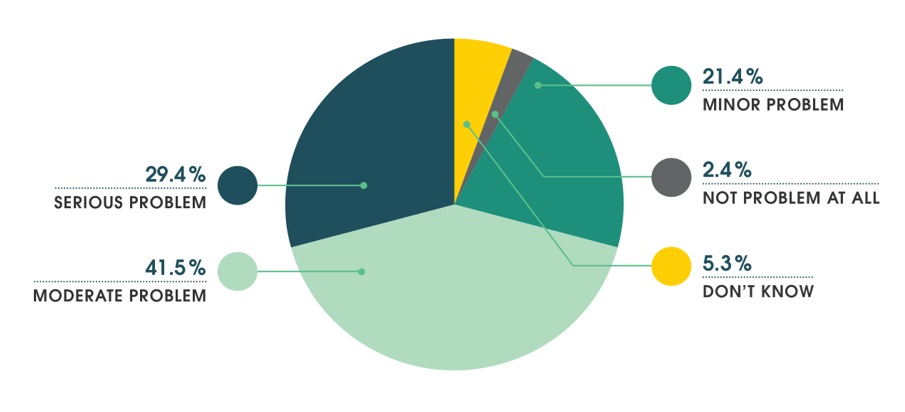
Figure 3.1. Severity of maltreatment in organized sport — Future of Sport in Canada Commission (2025) – Text version
How big a problem is maltreatment in organized sport in Canada today?
- Serious problem – 29.4%
- Moderate problem – 41.5%
- Minor problem – 21.4%
- Not problem at all – 2.4%
- Don’t know – 5.3%
As this figure shows, 70.9% of the 2,524 respondents who answered this specific question believe that maltreatment in sport is a moderate or serious problem.
Participants who chose to answer questions about improving safe sport in Canada were also asked whether they had experienced or witnessed maltreatment in organized sport in Canada over the past 10 years. Among the 2,223 respondents who answered this question and who identified as participating in organized sport:
- 50.3% reported having witnessed maltreatment
- 22.0% reported having personally experienced maltreatment
- 36.0% reported not having witnessed or experienced maltreatment.
We have analyzed the Commission survey results based on certain identity characteristics to determine whether they were associated with higher prevalence rates and therefore increased the likelihood of experiencing maltreatment.
| Identity characteristic | Prevalence rate (%) |
|---|---|
| Racialized | 32.7 |
| Indigenous | 33.7 |
| 2SLGBTQI+ | 35.5 |
| Disability | 41.1 |
| Official Language Minority (English in Quebec except the National Capital Region) | 28.3 |
| Official Language Minority (French outside Quebec except the National Capital Region) | 32.6 |
This table shows that each of these identity characteristics increases the likelihood of respondents experiencing maltreatment in organized sport in Canada. Indeed, these prevalence rates are significantly higher than the prevalence rate of 22.0% mentioned above, among all respondents who answered this question and identified as participating in organized sport.
The respondents who reported that they had witnessed or experienced maltreatment in organized sport over the past 10 years were then asked whether their most recent incident of maltreatment was personally experienced or witnessed. Among the 319 respondents who answered this question, 49.5% reported that they personally experienced the most recent incident of maltreatment, while 50.5% indicated that they witnessed it.
Conclusion on the prevalence of maltreatment in Canadian sport
The findings from Canadian studies investigating the prevalence of all forms of maltreatment in sport, including physical, psychological, and sexual harm, as well as neglect, align closely with international research. These studies reveal alarmingly high prevalence rates of maltreatment among individuals involved in Canadian sport, with many reporting having experienced some form of maltreatment at least once over the course of their sporting journey.
Also consistent with international research, Canadian studies confirm that certain identity characteristics, such as being a female, Indigenous, racialized, or an 2SLGBTQI+ athlete, are associated with a heightened risk of experiencing maltreatment in sport. This evidence underscores the exclusivity of the sport system, a reality that has been consistently reiterated throughout the Commission’s engagement process.
The statistics presented in this chapter clearly demonstrate that maltreatment is both pervasive and deeply embedded within the Canadian sport system. These high prevalence rates leave no doubt that maltreatment is, and despite the efforts made so far, continues to be, a symptom of systemic issues requiring immediate and sustained government intervention.
Following the release of our Preliminary Report, we were told that the focus of any measures to improve safe sport in Canada should extend beyond high performance sport as maltreatment is prevalent at the grassroots level of sport.
While the eradication of maltreatment in Canadian sport may not be feasible, it is imperative that governments and sport organizations collaborate to strengthen and harmonize both prevention and response measures. The ultimate goal is to significantly reduce maltreatment and ensure that all participants can safely experience the many benefits that sport provides.