
Correctional Service Canada’s 2026 to 2027 Departmental Plan
On this page
Copywrite information
© His Majesty the King in Right of Canada, as represented by the Minister of Public Safety, 2026
Catalogue Number: PS81-13E-PDF
ISSN 2371-848X
List of acronyms
- AI
- Artificial Intelligence
- BSH
- Black Social History
- CBRF
- Community-Based Residential Facilities
- CBSA
- Canada Border Services Agency
- CCRA
- Corrections and Conditional Release Act
- CER
- Comprehensive Expenditure Review
- CSC
- Correctional Service of Canada
- DRF
- Departmental Results Framework
- DRI
- Departmental Results Indicator
- DSDS
- Departmental Sustainable Development Strategy
- EEDI
- Employment Equity, Diversity and Inclusion
- FSDS
- Federal Sustainable Development Strategy
- FTEs
- Full-time equivalents
- IT
- Information Technology
- MCP
- Mother-Child Program
- NTS
- National Training Standards
- OAM
- Offender Accommodation Management
- ODE
- Offender Digital Education
- OMS-M
- Offender Management System modernization
- SDGs
- Sustainable Development Goals
- PSIB
- Procurement Strategy for Indigenous Business
- SIU
- Structured Intervention Unit
- SIUs
- Structured Intervention Units
- STG
- Security Threat Group
At a glance
This departmental plan details the Correctional Service of Canada’s (CSC) priorities, plans, and associated costs for the upcoming three fiscal years.
These plans align with the priorities outlined in the Mandate Letter, as well as CSC’s mission, values, and operating context.
Key priorities
Our key priorities for 2026 to 2027 reflect our enduring commitment to keeping Canadians safe and delivering effective correctional services:
- safe management of eligible offenders during their transition from the institution to the community, and while on supervision
- safety and security of the public, victims, staff and offenders in institutions and in the community
- effective, culturally appropriate interventions and reintegration support for First Nations, Métis, and Inuit offenders
- effective and timely interventions in addressing mental health needs of offenders
- efficient and effective management practices that reflect values-based leadership in a changing environment
- productive relationships with diverse partners, stakeholders, victims’ organizations, and others involved in supporting public safety
Comprehensive Expenditure Review
The government is committed to restraining the growth of day-to-day operational spending to make investments that will grow the economy and benefit Canadians.
As part of meeting this commitment, CSC is planning the following spending reductions:
- 2026 to 2027: $75,559,603
- 2027 to 2028: $104,900,899
- 2028 to 2029: $132,187,834
These reductions are expected to result in a decrease of fewer than 850 full-time equivalents by 2028 to 2029.
CSC will achieve these reductions by doing the following:
- Optimizing Internal Services,
- Modernizing Operations and Health Services, and
- Refocusing Interventions
The figures in this departmental plan reflect these reductions.
Highlights for the Correctional Service of Canada in 2026 to 2027
CSC is a decentralized organization and one of the few departments operating 24/7, 365 days a year. Its mandate is exceptional in complexity, risk, and societal impact. Over the past three years, the in-custody population has grown by 24%, along with its complexity. CSC manages more than 200 security threat groups, which limits flexibility in population management. Mental illness rates among offenders are four to seven times higher than in the general population. More than 70% of offenders have substance or alcohol issues at admission. Additionally, 28% of inmates are aging and require specialized care. To address these pressures, CSC is implementing strategies such as the Security Threat Group Strategy and National Population Management Strategy to support safe institutions, enable effective rehabilitation, and increase flexibility in managing diverse populations.
A key area of focus for CSC continues to be addressing the overrepresentation of Indigenous offenders in our facilities. CSC is committed to providing culturally appropriate interventions and integrating Indigenous Elders and traditional healing practices into health services to create a culturally responsive health care environment. Building and strengthening partnerships to better support the successful reintegration of Indigenous offenders remains a priority. Under Section 84 of the Corrections and Conditional Release Act, Indigenous communities have the opportunity to become active partners in the reintegration process. Research shows that Indigenous offenders with a Section 84 release plan are significantly more likely to successfully complete their supervision compared to Indigenous offenders without such a plan.
While the representation is not as high as that of Indigenous offenders, Black offenders are also overrepresented in CSC facilities. As part of the Government of Canada’s Black Justice Strategy, CSC will expand initiatives such as Black Liaison Officers to more institutions and continue the phased implementation of the Black Social History (BSH) pilot. The BSH initiative addresses systemic racism and improves outcomes for Black offenders by incorporating their unique historical and social contexts into correctional planning.
Recognizing that employment is a key success factor in reintegration, CORCAN, CSC’s special operating agency, will continue providing meaningful employment and training opportunities. In partnership with the Canada Border Services Agency (CBSA), CSC will be building a port of entry in Wild Horse, Alberta. This project supports offender employability after release, helps address future labour shortages, and contributes to the Government of Canada’s priority of protecting sovereignty and public safety.
In 2026 to 2027, CSC’s total planned spending (including internal services) is $4,000,574,185 and the total planned full-time equivalent staff (including internal services) is 18,620.
Summary of planned results
The following provides a summary of the results the department plans to achieve in 2026 to 2027 under its main areas of activity, called “core responsibilities.”
Core responsibility 1: Care and Custody
In 2026 to 2027, CSC will introduce new initiatives and continue ongoing efforts to make federal institutions safe places for staff, inmates, and visitors. Key plans include stronger collaboration with police agencies to intercept contraband and disrupt criminal activity.
To manage population growth and its increasing complexity, CSC will advance strategies such as the Security Threat Group Strategy and the National Population Management Strategy. For women offenders, CSC will continue implementing action items from the Women Offender Population Management Strategy.
Following recommendations from the Joint Audit and Evaluation of Structured Intervention Units (SIU), CSC will pilot learning modules for senior managers and SIU staff. Standardized training will improve consistency in SIU operations and strengthen inmate engagement and reintegration support.
CSC will continue installing body scanners and invest in ferromagnetic detection systems to identify weapons and electronic devices. Indigenous Elders and traditional healing practices will also be integrated into health services. CSC will also complete a full review of food service policies to ensure they meet operational practices standards and regulatory requirements.
Planned spending: $2,789,659,171
Planned human resources: 11,221
More information about Care and Custody can be found in the full plan.
Core responsibility 2: Correctional Interventions
CSC will continue supporting the Government of Canada’s Black Justice Strategy by expanding initiatives such as Black Liaison Officers in institutions and advancing the phased implementation of the BSH pilot. This work aims to address systemic racism and improve outcomes for Black offenders.
To help offenders in their rehabilitation journey, CSC will offer Virtual Correctional Program Delivery and the Offender Digital Education program to improve education, literacy, and access to programming. CSC will also enhance social programs and activities to assist offenders build social, interpersonal, and practical skills. These include the Mother-Child Program and culturally appropriate interventions.
To strengthen employability, CORCAN will extend its partnership with the CBSA to build a new point of entry in Wild Horse, Alberta. This initiative will provide meaningful employment training for offenders, help address future labour shortages and contribute to Canada’s priority of protecting sovereignty and keeping Canadians safe.
Finally, CSC will continue outreach efforts to support victims of crime and maintain the Victim Services National Stakeholder Registry.
Planned spending: $570,288,044
Planned human resources: 4,359
More information about Correctional Interventions can be found in the full plan.
Core responsibility 3: Community Supervision
CSC will work with key partners to improve how it tracks and reports data for Community‑Based Residential Facilities through its Offender Accommodation Management system. By continuing to leverage data and CSC’s Data Management Strategy to guide decisions, CSC will be better able to plan offender releases, assess regional needs, and understand community capacity. This will help to ensure resources align with population demands and that community safety remains a priority.
Planned spending: $230,076,350
Planned human resources: 236
More information about Community Supervision can be found in the full plan.
For complete information on CSC’s total planned spending and human resources, read the Planned spending and human resources section of the full plan.
From the Minister
I am pleased to present CSC’s Departmental Plan for fiscal year 2026 to 2027.
CSC plays a vital role in keeping Canadians safe by ensuring secure and humane custody of federal offenders, delivering effective rehabilitation programs, and supporting successful reintegration into communities. This includes meeting day-to-day needs such as education, health care, programming, and maintaining institutional security.
Over the past three years, the in-custody population has grown by 24%, and is increasingly complex, with more serious offence profiles, longer sentences, and higher needs in areas such as mental health and reintegration. In 2026 to 2027, CSC will use coordinated population management strategies to optimize capacity across the country and ensure offenders are placed in the right institutions with the right supports to maximize their chance of success. A key part of this is CSC’s health services model, which will continue to evolve to provide care in the right place at the right time. This includes expanding the use of assisted living units for aging offenders and creating culturally safe health care environments by integrating Indigenous Elders and traditional healing practices.

The Honourable Gary Anandasangaree, P.C., M.P. Minister of Public Safety
CSC has made progress in responding to the overrepresentation of Indigenous Peoples in custody. In 2026 to 2027, CSC will implement new guides and handbooks to help staff improve services and outcomes for Indigenous offenders – work that reflects years of collaboration and lays the foundation for reimagining Indigenous corrections in partnership with Indigenous Peoples.
Providing culturally responsive programming remains essential for rehabilitation. CSC will be in its second year of the $7.9 million investment under Canada’s Black Justice Strategy to implement its Black Offender Strategy. This work focuses on culturally appropriate assessments, interventions, and supports for Black offenders, who remain overrepresented in the criminal justice system.
This year will also be transformational for victims. CSC will strengthen victims’ rights by improving access to information, participation, and protection. Working with provinces, territories, and courts, CSC will enhance information-sharing to reach more victims and survivors and ensure they are aware of available services.
Through CORCAN, CSC’s special operating agency, offenders gain employment and training opportunities that support reintegration and allow them to contribute to communities. CORCAN also helps address future labour shortages and supports housing and infrastructure development, contributing to Canada’s economic priorities
CSC remains committed to fostering a healthy, inclusive workplace culture built on trust. This includes expanding communications channels to increase transparency and educate Canadians about the correctional system, as required under the Corrections and Conditional Release Act (CCRA).
Finally, 2026 to 2027 marks the first full year of the Comprehensive Expenditure Review (CER). CER is about more than savings—it is about transformation. It provides an opportunity to optimize resources, refocus on core mandates, and simplify processes to deliver programs and services more effectively.
I am proud to support CSC employees, Elders, volunteers, Indigenous communities, and partners who make a difference every day with respect, resilience, and integrity. I invite all Canadians to read this plan and learn more about CSC’s priorities and its essential contributions to public safety.
Sincerely,
The Honourable Gary Anandasangaree, P.C., K.C., M.P.
Minister of Public Safety
Plans to deliver on core responsibilities and internal services
Core responsibilities and internal services
Core responsibility 1: Care and Custody
Description
CSC provides for the safety, security and humane care of offenders, including day-to-day needs of offenders such as food, clothing, accommodation, mental health services, and physical health care. It also includes security measures within institutions such as drug interdiction and appropriate control practices to prevent incidents.
Quality of life impacts
This core responsibility contributes to the “Good Governance” domain of the Quality of Life Framework for Canada specifically in relation to “confidence in institutions,” and “incarceration rate,” through all activities mentioned in the core responsibility description.
Indicators, results and targets

Image 1: Collins Bay Institution, located in Kingston, Ontario, is a clustered facility that provides day-to-day services for offenders at all security levels. It is the oldest operational federal men’s correctional facility in the Ontario and Nunavut Region.
This section presents details on the department’s indicators, the actual results from the three most recently reported fiscal years, the targets and target dates for care and custody. Details are presented by departmental result.
Table 1: Institutions are safe and secure for offenders, staff and the public
| Departmental Result Indicators | Actual results |
2026 to 2027 Target |
Date to achieve target |
Rate of serious incidents in federal institutions per 1,000 offenders |
2022 to 2023: 30.3 |
20.7 to 22.9 |
March 2027 |
Rate of non-natural and undetermined offender deaths in custody per 1,000 offenders (Objective: Zero) |
2022 to 2023: 1.46 |
1.14 to 1.69 |
March 2027 |
Rate of escapes from federal correctional institutions and Section 81 Healing Lodges per 1,000 offenders (Objective: Zero) |
2022 to 2023: 0.84 |
0.91 to 1.28 |
March 2027 |
Table 2: Offenders are managed in a humane manner
| Departmental Result Indicators | Actual Results |
2026 to 2027 Target |
Date to achieve target |
Percentage of newly admitted offenders receiving health assessments at intake |
2022 to 2023: 96.4% |
95.0% to 100.0% |
March 2027 |
Of the offenders identified as having a mental health need, the percentage who received mental health treatment within 90 days |
New indicator |
90.0% to 95.0% |
March 2027 |
Percentage of successful transfers out of a Structured Intervention Unit |
2022 to 2023: 63.9% |
63.1% to 69.7% |
March 2027 |
Percentage of releases with a completed health care review |
New indicator |
90.0% to 95.0% |
March 2027 |
Percentage of all complaints and initial grievances that conclude at the lowest possible level |
New indicator |
85.0% to 89.9% |
March 2027 |
Additional information on the detailed results and performance information for CSC’s program inventory is available on GC InfoBase.
Plans to achieve results
The following section describes the planned results for care and custody in 2026 to 2027.
Institutions are safe and secure for offenders, staff and the public.
- CSC will leverage law enforcement partnerships to investigate and disrupt criminal activities that threaten the safety and security of CSC facilities
- CSC will continue work to ensure substance use services support the full continuum of care, including treatment, harm reduction, and recovery options by revising its National Drugs and Substances Strategy
- CSC will continue work to alleviate population management pressures by implementing action items from the Women’s Population Management Strategy
In 2026 to 2027, CSC will undertake new initiatives and continue ongoing work to ensure federal institutions remain safe places to live, work, and visit.
To support the Government of Canada’s priority of keeping Canadians safe and reinforcing law enforcement, CSC will strengthen partnerships with police agencies to investigate and disrupt criminal activities that threaten the security of CSC facilities, particularly contraband introduction. CSC will also leverage emerging technologies to combat illicit communications via cellular devices and prevent contraband deliveries through Uncrewed Aerial Systems. By mitigating these threats, CSC will be better positioned to prevent contraband introduction and activities that threaten institutional security and broader public safety.
CSC’s revised National Drugs and Substances Strategy guides efforts to prevent and minimize harm related to individual substance use and addresses the risks associated with contraband introduction, trafficking, and distribution within federal correctional facilities. Through this strategy, CSC applies a comprehensive approach that treats substance use as a health issue and provides appropriate support at every stage of care. In 2026 to 2027, efforts will focus on sustaining harm reduction initiatives, updating the formulary for evidence-based treatment of opioid use disorder, and piloting withdrawal management and therapeutic units.
To enhance institutional safety while maintaining inmates’ dignity, CSC will continue installing body scanners and invest in ferromagnetic detection systems to identify metallic components of weapons and electronic devices. These non-intrusive technologies reduce the need for physical strip searches, improving dignity for inmates and reducing stress for staff while maintaining security standards.
CSC will also advance its Security Threat Group (STG) Strategy which provides a framework to safely manage STG-affiliated offenders and support their successful reintegration. Building on work started in 2022 to 2023, CSC will review policies, develop additional tools, and engage partners to strengthen prevention and disengagement strategies.
Although escapes from federal correctional institutions and Section 81 healing lodges are relatively uncommon, they are a meaningful indicator of correctional performance with significant implications for public safety and public confidence. Preliminary results for 2025 to 2026 indicate that enhanced safety and security measures are contributing to a further decline in these incidents, reinforcing the organization’s commitment to maintaining secure environments and strengthening trust in its operations.
CSC continues to face pressures related to capacity, infrastructure, and population management. Over the past three years, the in-custody population has grown by 24%, along with its complexity. Forecasts indicate this upward trend will continue into the foreseeable future. As a result, the need for population management strategies and plans will be paramount to ensuring that CSC can continue to ensure institutions are safe and secure for offenders, staff, and the public.
To alleviate some of these pressures specific to women offenders, CSC will continue implementing action items from the Women’s Population Management Strategy in 2026 to 2027. This strategy was developed to respond to the significant increase in women offenders, with some sites at or exceeding rated capacity. Key actions include increasing the number of Section 81 bedsFootnote 1 in healing lodges and addressing a recommendation from the Office of the Correctional Investigator 2023 to 2024 report, which called for the creation of this strategy.
Offenders are managed in a humane manner
- CSC plans to improve quality of life for aging offenders by implementing Assisted Living Units to support aging in place at select sites
- CSC will work to improve consistency in Structured Intervention Unit (SIU) operations across sites and enhance inmate engagement and reintegration support
- CSC will enhance access to culturally appropriate health services for Indigenous offenders, contributing to better health and reintegration outcomes
In keeping with its core values of respect and inclusiveness, CSC will continue to ensure that the inmates in its care are treated with dignity.
In 2026 to 2027, CSC will fully implement its Geriatric Model of Care across all designated institutions, building on lessons learned from earlier demonstration sites. This model provides consistent, age-appropriate care for older inmates, including assisted living units designed to improve quality of life. It will also help make better use of health care resources and improve access to intensive treatment beds, where needed.
In response to recommendations from the Joint Audit and Evaluation of SIUs, CSC will launch a pilot training program for senior managers and SIU staff. These learning modules will clarify SIU objectives, policies, and roles, and emphasize the importance of multidisciplinary teamwork to support meaningful human interaction and time spent out of cell. Standardizing this training will improve consistency in how SIUs operate and strengthen support for inmate engagement and reintegration.
To better meet the needs of Indigenous offenders, CSC will work with stakeholders to create a culturally appropriate health care environment by integrating Indigenous Elders and traditional healing practices into existing health services. This initiative recognizes holistic well-being—physical, mental, emotional, and spiritual—and complements conventional medical care, improving access to culturally safe health services and supporting positive reintegration outcomes.
CSC will also conduct a comprehensive review of its food service policies to ensure they are modern, consistent, and aligned with current operational practices and standards. This review will involve input from staff and subject matter experts, with the goal of implementing a modernized policy that promotes consistency, transparency, and clearer guidance for staff.
Finally, CSC will continue collaborating with relevant parties to manage the Brazeau, Reddock and Diggs claims process, as well as other class actions and litigation files. This ongoing work will help CSC strengthen its ability to apply lessons learned from litigation into its programs, policies, and operations, and proactively manage risks to reduce the likelihood of future claims.
Planned resources to achieve results
Table 3: Planned resources to achieve results for care and custody
| Resource | Planned |
Spending |
2,789,659,171 |
Full-time equivalents |
11,221 |
Complete financial and human resources information for CSC’s program inventory is available on GC InfoBase.
Program inventory
Care and Custody is supported by the following programs:
- Institutional Management and Support
- Supervision
- Contraband Interdiction and Management
- Clinical Services and Public Health
- Mental Health Services
- Food Services
- Accommodation Services
- Preventive Security and Intelligence
Additional information related to the program inventory for care and custody is available on the Results page on GC InfoBase.
Summary of changes to reporting framework since last year
Since 2025 to 2026, the following changes associated with this core responsibility were approved to CSC’s departmental results framework (DRF)Footnote 2 :
- changed “inmates” to “offenders” in the core responsibility description
- amended the first departmental result to read: Institutions are safe and secure for offenders, staff and the public
- amended the second departmental result to read: Offenders are managed in a humane manner
- the following departmental results indicators (DRI) were added to the DRF:
- Percentage of all complaints and initial grievances that conclude at the lowest possible level
- Percentage of releases with a completed health care review (moved from Community Supervision, with name updated for clarity)
- the following DRI were amended to read:
- Rate of serious incidents in federal institutions per 1,000 offenders
- Of the offenders identified as having a mental health need, the percentage who received mental health treatment within 90 days
- Percentage of successful transfers out of a Structured Intervention Unit
- the following DRIs were removed from the DRF:
- Maintain health services accreditation
- Median number of days spent in a Structured Intervention Unit (SIU) within the fiscal year
- Rate of upheld inmate grievances per 1,000 offenders in federal custody
Core responsibility 2: Correctional Interventions
Description
CSC conducts assessment activities and program interventions to support federal offenders’ rehabilitation and facilitate their reintegration into the community as law-abiding citizens. CSC also engages Canadian citizens as partners in its correctional mandate and provides services to victims of crime.
Quality of life impacts
This core responsibility contributes to the “Prosperity” domain of the Quality of Life Framework for Canada related to “employment and job quality,” and “skills and opportunity” through the activities mentioned in the core responsibility description.
Indicators, results and targets
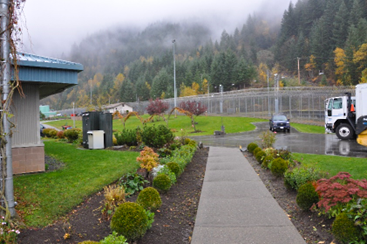
Image 2: Similar to other institutions, Mountain Institution, located in Agassiz, British Columbia, offers rehabilitation and other supports for federal offenders.
This section presents details on the department’s indicators, the actual results from the three most recently reported fiscal years, the targets and target dates for correctional interventions. Details are presented by departmental result.
Table 4: Offenders are prepared for their safe release from CSC’s jurisdiction as law-abiding citizens, supporting their successful transition into the community
| Departmental Result Indicators | Actual Results |
2026 to 2027 Target |
Date to achieve target |
Of the offenders with an identified need for a nationally recognized correctional program, the percentage who complete prior to first release |
2022 to 2023: 71.8% |
77.0% to 81.5% |
March 2027 |
Median percentage of sentence served prior to first release, for offenders with moderate or high reintegration potential |
2022 to 2023: 42.4% |
38.8% to 43.0% |
March 2027 |
Of the offenders with an identified need for a nationally recognized correctional program, the percentage who complete prior to sentence expiry date |
2022 to 2023: 70.3% |
75.5% to 79.7% |
March 2027 |
Of the offenders with an identified need for an upgrade to their education, the percentage who upgrade prior to first release |
2022 to 2023: 69.2% |
80.3% to 85.0% |
March 2027 |
Of the offenders with an identified need for employment, the percentage who receive employment intervention(s) prior to first release |
Indicator amended – no previous results |
75.0% to 80.3% |
March 2027 |
Percentage of successful transfers to healing lodges for Indigenous offenders |
New indicator |
88.0% to 96.3% |
March 2027 |
Percentage of Indigenous offenders released to a Section 84 location based on those with a Section 84 release plan on file |
New indicator |
56.6% to 65.6% |
March 2027 |
Additional information on the detailed results and performance information for CSC’s program inventory is available on GC InfoBase.
Plans to achieve results
The following section describes the planned results for care and custody in 2026 to 2027.
Offenders are prepared for their release from CSC’s jurisdiction as law-abiding citizens
- CSC plans to continue to support Indigenous offenders being released to a Section 84Footnote 3 location
- by enhancing staff awareness and promoting culturally responsive services, CSC will improve outcomes for Black offenders
- CSC will expand access to education and skills development opportunities, helping offenders upgrade literacy, pursue training, and prepare for successful reintegration
- CSC will assist in further addressing future labour shortages through offender employability programs and partnerships and will contribute to Canada's housing and infrastructure development
To support of CSC’s priority of providing effective and culturally appropriate interventions and reintegration support for First Nations, Métis, and Inuit offenders, CSC will continue advancing the goals of the Indigenous Justice Strategy: self-determination, access to justice, justice as wellness, administration of justice, collaborative relationships, long-term and predictable funding, and accountability.
To achieve these goals, CSC will update the policies, guides and tools used to support Indigenous offenders, including the use of Walking in a Good Way with Elders and Spiritual Advisors: A Guide for CSC Staff and the Guide to Culturally Responsive Indigenous Interventions. CSC will also focus on strategies to transition Indigenous offenders to lower security levels, with the goal of transferring to Section 81 facilities and healing lodges for culturally supported reintegration.
In 2025 to 2026, CSC launched a pilot of the revised Indigenous Women Offender Correctional Program model at all women’s institutions which includes a research component. In 2026 to 2027, CSC will continue assessing the outcomes of this revised model and the impact of cultural support sessions on Indigenous wellness.
As a partner in its delivery, CSC will also advance the Government of Canada’s Black Justice Strategy. Initiatives such as Black Liaison Officers will be expanded to additional sites, and CSC will continue implementing its BSH pilot through a phased approach. The BSH initiative aims to address systemic racism and improve outcomes for Black offenders by incorporating their unique historical and social contexts into correctional planning, enhancing staff awareness, and promoting culturally responsive services.
CSC will further develop the Virtual Correctional Program Delivery initiative to improve the program efficacy and increase access to correctional programming. In addition, CSC will continue supporting the Offender Digital Education (ODE) initiative, which provides offenders with opportunities to learn computer skills, upgrading their education, and improve literacy through a secure digital Learning Management System. ODE uses a blended teaching approach that combines classroom learning with technology and independent study. Currently available in at least one institution per region, ODE will expand to all institutions through a phased approach, supported by infrastructure upgrades under the Essential Network Enhancement Program.
Aligned with CSC’s Digital Strategy, these efforts will be complemented by deploying computers and expanding information technology (IT) infrastructure at prioritized sites, while collaborating with stakeholders to increase offender access to technology.
CSC will enhance delivery of structured and unstructured social programs and activities by issuing guidance, developing measurable indicators, and increasing diversity in recreation, self-help, life skills training, and cultural activities. These initiatives will help offenders build social, interpersonal, and practical skills that support reintegration. CSC will also implement processes for tracking and reporting unstructured social activities and review policy documents.
In 2026 to 2027, CSC will continue reviewing the Institutional Mother-Child Program (MCP) to strengthen participation and eliminate barriers. The MCP fosters positive relationships between incarcerated mothers and their children by keeping them together where appropriate and providing a supportive environment that promotes stability and continuity. CSC plans to expand the MCP and to ensure consistency across sites through collaboration with partners and stakeholders.
To strengthen its services for victims of crime, CSC will continue outreach efforts and maintain the Victim Services National Stakeholder Registry. CSC will also engage new agencies serving victims from Indigenous, Black and other racialized or marginalized communities to share information about CSC programs, better understand victim needs, and identify effective outreach strategies.
CORCAN, CSC’s special operating agency responsible for the employment and employability programs, will continue offering meaningful employment and skills training opportunities. CORCAN builds modular housing and portable structures that support community needs, while helping offenders develop skills in the trades. CSC and the CBSA recently collaborated on the design, construction, and installation of the port of entry in Sainte‑Aurélie, Quebec, delivered through CORCAN facilities in Quebec and Ontario. Building on this successful initiative, CSC will further strengthen the partnership through the co‑development of a new port of entry in Wild Horse, Alberta. This initiative supports offender employability post-release, helps meets future labour market needs, and contributes to the Government of Canada priority of protecting Canadian sovereignty and keeping Canadians safe.
Planned resources to achieve results
Table 5: Planned resources to achieve results for Correctional Interventions
| Resource | Planned |
Spending |
570,288,044 |
Full-time equivalents |
4,359 |
Complete financial and human resources information for CSC’s program inventory is available on GC InfoBase.
Program inventory
Correctional Interventions is supported by the following programs:
- Offender Case Management
- Community Engagement
- Chaplaincy
- Elder Services
- Correctional Programs
- Offender Education
- CORCAN Employment and Employability
- Social Programs
Additional information related to the program inventory for correctional interventions is available on the Results page on GC InfoBase.
Summary of changes to reporting framework since last year
Since 2025 to 2026, the following changes associated with this core responsibility were approved to CSC’s DRF Footnote 4:
- amended the departmental result to read: Offenders are prepared for their safe release from CSC's jurisdiction as law-abiding citizens, supporting their successful transition into the community
- the following DRIs were added to the DRF:
- Percentage of successful transfers to healing lodges for Indigenous offenders
- Percentage of Indigenous offenders released to a Section 84 location based on those with a Section 84 release plan on file
- the following DRI was amended to read:
- Of the offenders with an identified need for employment, the percentage who receive employment intervention(s) prior to first release
- the following DRIs were removed from the DRF:
- Of the Indigenous offenders who identify an interest in following a traditional healing path, the percentage who receive an Elder Review (Elder reviews are required as part of a traditional healing path)
- Percentage of successful Indigenous offender transitions to lower security (successful if no reclassification to higher security within 120 days)
- Percentage of Indigenous offenders who were granted a discretionary release at the time of their first release
- Of the offenders with an identified need for employment in the community, the percentage who secure such employment prior to sentence expiry date (moved to Community Supervision)
- Percentage of offenders not readmitted to federal custody within five years following sentence expiry date (moved to Community Supervision)
- Percentage of successful transitions to lower security (successful if no reclassification to higher security within 120 days) (moved to Program Inventory, Offender Case Management with name updated for clarity)
Core responsibility 3: Community Supervision
Description
CSC supervises offenders in the community and provides structure and services to support their safe and successful reintegration into the community. Services include accommodation options, community health services, and the establishment of community partnerships. CSC manages offenders on parole, statutory release, and long-term supervision orders.
Quality of life impacts
This core responsibility contributes to the “Prosperity” domain of the Quality of Life Framework for Canada related to “employment and job quality” through the activities mentioned in the core responsibility description.
Indicators, results and targets

Image 3: Stony Mountain Institution, located in Rockwood, Manitoba, is one of five federal institutions built in the 19th century. It offers rehabilitation and other supports for federal offenders preparing for their reintegration into the community.
This section presents details on the department’s indicators, the actual results from the three most recently reported fiscal years, the targets and target dates for community supervision. Details are presented by departmental result.
Table 6: Offenders are provided services and support while they are under community supervision for their safe and successful reintegration into the community
| Departmental Result Indicators | Actual Results |
2026 to 2027 Target |
Date to achieve target |
Of the offenders with an identified need for employment in the community, the percentage who secure such employment prior to sentence expiry date |
2022 to 2023: 78.4% |
70.0% to 74.8% |
March 2027 |
Rate of convictions incurred by offenders while on community supervision for serious and violent offences per 1,000 offenders |
New indicator |
20.5 to 25.0 |
March 2027 |
Median percentage of sentence served under supervision in the community |
New indicator |
33.5% to 33.9% |
March 2027 |
Percentage of offenders not readmitted to federal custody within five years following sentence expiry date |
New indicator |
88.0% to 90.5% |
March 2027 |
Additional information on the detailed results and performance information for CSC’s program inventory is available on GC InfoBase.
Plans to achieve results
The following section describes the planned results for community supervision in 2026 to 2027.
Offenders are provided services and support while they are under community supervision for their safe and successful reintegration into the community
Results we plan to achieve
- improved offender management in the community by increasing capacity for electronic monitoring of offenders
- improved Offender Accommodation Management (OAM) system to better track important data related to offenders in the community
- expanded community-based bedspace capacity for women across the country
To ensure ongoing access to electronic monitoring services that support safe community supervision, CSC will award a new contract early in fiscal year 2026 to 2027. CSC will also strengthen its community supervision policies and programs to help offenders succeed in the community and enhance public safety. By integrating electronic monitoring into the broader Community Supervision policy framework, CSC will reinforce its ability to support safe reintegration.
CSC will work with its partners to improve how Community‑Based Residential Facilities (CBRF)Footnote 5 report information into the OAM system. By continuing to leverage data and CSC’s Data Management Strategy to guide decisions, CSC will be better able to plan releases, understand regional needs, and assess available community capacity, helping to ensure that resources are aligned with population demands and that community safety remains a priority.
CSC will also continue to ensure that appropriate community accommodations are available for offenders on conditional release. Through ongoing consultation with districts and partners, CSC will review Community Correctional CentreFootnote 6 and CBRF bed capacity, manage regional requests for CBRF expansions, and match offenders with the most suitable accommodations and services, with particular attention on the needs of women offenders. CSC will also examine suspension data to identify trends, best practices, and alternatives to suspension.
Planned resources to achieve results
Table 7: Planned resources to achieve results for Community Supervision
| Resource | Planned |
Spending |
230,076,350 |
Full-time equivalents |
236 |
Complete financial and human resources information for CSC’s program inventory is available on GC InfoBase.
Program inventory
Community Supervision is supported by the following programs:
- Community Management and Security
- Community-Based Residential Facilities
- Community Correctional Centres
- Community Health Services
Additional information related to the program inventory for correctional interventions is available on the Results page on GC InfoBase.
Summary of changes to reporting framework since last year
Since 2025 to 2026, the following changes associated with this core responsibility were approved to CSC’s DRF:Footnote 7
- amended the departmental result to read: Offenders are provided services and support while they are under community supervision for their safe and successful reintegration into the community
- the following DRIs were added to the DRF:
- Rate of convictions incurred by offenders while on community supervision for serious or violent offences per 1,000 offenders
- Median percentage of sentence served under supervision in the community
- Of the offenders with an identified need for employment in the community, the percentage who secure such employment prior to sentence expiry date (moved from Correctional Interventions)
- Percentage of offenders not readmitted to federal custody within five years following sentence expiry date (moved from Correctional Interventions)
- the following DRI was amended to read:
- Percentage of offenders not readmitted to federal custody within five years following sentence expiry date
- the following DRIs were removed from the DRF:
- Rate of convictions on supervision for serious or violent offences, per 1,000 offenders
- Percentage of employable time spent employed, for offenders under community supervision
- Percentage of offenders with a residency requirement successfully transitioning out of residency (no revocation, charge or conviction)
- Rate of convictions on supervision for offences resulting in death, per 1,000 offenders (Objective: Zero)
- Percentage of offenders with a completed review of their health care needs prior to release (moved to Care and Custody with name updated for clarity)
- Percentage of offenders on conditional release successfully reaching sentence expiry date without readmission (no revocation, charge or conviction) (moved to Program Inventory, Community Management and Security and amended)
Internal services
Description
Internal services are the services that are provided within a department so that it can meet its corporate obligations and deliver its programs. There are 10 categories of internal services:
- acquisition management services
- communications services
- financial management services
- human resources management services
- information management services
- information technology services
- legal services
- material management services
- management and oversight services
- real property management services
Plans to achieve results
This section presents details of the department’s plans to achieve results and meet targets for internal services.
To support the Government of Canada’s mandate to reduce spending on operations, CSC will conduct an internal audit of procurement and contracting processes to provide assurance that a strong management framework is in place and that CSC complies with relevant policies and legislation. CSC will also continue modernizing its financial management systems to streamline and automate business processes, reducing manual work, improving data accuracy, and enabling staff to focus on higher-value activities.
CSC remains committed to efficient and effective management practices that reflect values-based leadership. The next iteration of the Comprehensive Employment Equity, Diversity and Inclusion (EEDI) Plan that will include actions to address underrepresentation in hiring, promotion, and retention of designated Employment Equity groups, ensuring that CSC’s workforce reflects both the Canadian population and the offender population it serves. The Plan will be informed by the Employment Systems Review, consultations with equity-deserving groups, and annual workforce analysis, and will outline three pillars with concrete actions for the next three years. Progress will be monitored through a Performance Measurement Framework to ensure accountability and continuous improvement.
In parallel, CSC has launched its Strategic People Management (2025 to 2028) to align key initiatives across the organization. The EEDI Plan, and the Official Languages Action Plan, will be integrated to reinforce organizational objectives. CSC will also develop sectoral and regional human resources plans to operationalize these priorities and drive measurable progress.
CSC’s Digital Strategy sets the stage for technology-driven operational excellence and improved rehabilitation outcomes Initiatives include streamlining processes, enhancing safety, and deploying foundational IT infrastructure in a phased approach. CSC will advance innovative solutions such as automated workflow tools and continue implementing its Data Strategy to improve data quality, accessibility, and security. The Offender Management System modernization (OMS-M) project is in the design and development phase and will reduce duplication, improve case management efficiency, and strengthen data governance, including considerations for Indigenous Social History.
CSC will also prioritize organizational culture through employee-centred communications strategies, expanding channels to reach front-line staff, and diversifying content formats. The Office of the Ombuds for Workplace Well-Being will enhance independence and visibility offering a safe space for employees and providing leadership with impartial insights and recommendations. CSC will advance a prevention-first approach to conflict through coaching, learning sessions, and strengthened training on ethical leadership and the Values and Ethics Code.
The review of National Training Standards will continue in 2026 to 2027 to modernize CSC’s learning framework streamline mandatory standards, and adopt agile, cost-effective approaches. Incident investigations will remain a key tool for strengthening CSC’s learning culture by sharing lessons learned, best practices, and preventive across the organization.
Finally, CSC is implementing its 2025 to 2028 Mental Health Strategy on Workplace Wellness and Employee Well-Being to address the unique challenges of the correctional work environment. CSC will pilot an applied system to identify areas of opportunity and implement meaningful changes to protect the psychological health and safety of its employees.
Planned resources to achieve results
Table 8: Planned resources to achieve results for internal services this year
| Resource | Planned |
Spending |
410,550,620 |
Full-time equivalents |
2,804 |
Complete financial and human resources information for CSC’s program inventory is available on GC InfoBase.
Planning for contracts awarded to Indigenous businesses
CSC actively supports the Government of Canada’s commitment to award at least 5% of the total value of contracts to Indigenous businesses. To this end, CSC will submit its approved annual Indigenous procurement plan to Indigenous Services Canada.
To increase opportunities for Indigenous businesses, CSC will strengthen guidance for internal and external stakeholders and promote procurement methods, such as the Procurement Strategy for Indigenous Business (PSIB) set-asides. Contracting authorities will continue to advise clients early in the procurement process to use PSIB set asides and other vehicles including supply arrangements and standing offers where Indigenous businesses are identified.
CSC will assess procurement trends and identify gaps to better align activities with the 5% target. Procurement planning will include identifying opportunities for Indigenous businesses through the annual National Procurement Plan and plans for the Investment Steering Committee. These efforts will ensure alignment with strategic objectives, enable monitoring of progress, and allow adjustments to annual targets as needed.
CSC will continue engaging Indigenous communities and Elders to address barriers and enhance participation of Indigenous organizations. Strategic discussions will also focus on streamlining Indigenous procurement across the organization.
Finally, CSC has strengthened its methodology for forecasting target percentages by aligning with historical data, Indigenous procurement plans, and organizational objectives. Based on this analysis, CSC is confident in its ability to meet the forecasted targets.
Table 9: Percentage of contracts planned and awarded to Indigenous businesses
| 5% Reporting Field | 2024 to 2025 Actual Result |
2025 to 2026 Forecasted Result |
2026 to 2027 Planned Result |
Total percentage of contracts with Indigenous businesses |
8.82% |
5.82% |
6.17% |
Department-wide considerations
In this section
Related Government priorities
United Nations 2030 Agenda for Sustainable Development and the UN Sustainable Development Goals
Since 1997, CSC has voluntarily published a Departmental Sustainable Development Strategy (DSDS) every three years. The ninth edition, covering 2023 to 2027, was published on November 2, 2023, and aligns with the Federal Sustainable Development Strategy (FSDS) 2022 to 2026, as required under the Federal Sustainable Development Act.
The FSDS supports the 17 Sustainable Development Goals (SDGs) of the United Nations 2030 Agenda for Sustainable Development. Each chapter of the FSDS corresponds directly to one of the 17 SDGs.
CSC’s DSDS 2023 to 2027 proposes 17 departmental measures and 13 planned initiatives that contribute to the following three objectives of the FSDS:
- Goal 10: Advance reconciliation with Indigenous peoples and take steps to reduce inequalities
- Goal 12: Reduce waste and transition to zero-emission vehicles
- Goal 13: Take action on climate change and its impacts
Thus, CSC contributes indirectly to the United Nations 2030 Agenda through its DSDS.
More information on CSC’s contributions to Canada’s Federal Implementation Plan on the 2030 Agenda and the Federal Sustainable Development Strategy can be found in its Departmental Sustainable Development Strategy.
Gender-based Analysis Plus
Intersectionality – the multiple, intersecting identity factors that shape an individual – is central to CSC’s programs and activities. CSC continues to address increasingly complex needs among diverse offender populations, including those with extensive histories of violence, affiliations with Security Threat Groups or organized crime, and serious mental health disorders. To support this work, CSC collects disaggregated data on all offenders and will continue to analyze this information to ensure services for offenders, victims, and communities are culturally relevant and appropriate.
To build capacity for intersectional analysis CSC has introduced the Equity Lens, an analytical framework that helps employees at all levels consider how different groups – particularly those historically marginalized – may be affected by a program, policy, process, or decision. The Equity Lens promotes engagement with diverse voices and lived experiences, enabling staff to identify unintended impacts, prevent harm, and create better outcomes.
Artificial Intelligence
During the reporting period, CSC will continue exploring ways to integrate artificial intelligence (AI) into its operations. By using AI responsibly and ethically, CSC aims to streamline processes, improve decision-making, and increase productivity.
To ensure proper governance and accountability, CSC staff will follow internal guidelines and the Government of Canada’s Guide on the Use of Generative AI. Building AI readiness and capacity will include mandatory AI-related learning for staff and management.
CSC is also developing and piloting CorrChat, an in-house Generative AI tool, designed to simplify and accelerate access to operational information on CSC’s intranet. In addition, CSC is participating in Shared Services Canada’s Microsoft Copilot pilot to assess the benefits of advanced AI capabilities within the workplace.
Key risks
Through the Treasury Board of Canada Secretariat’s new Risk and Compliance Process, CSC updated its corporate risks. CSC’s revised corporate risks will form the basis of an updated Corporate Risk Profile which will be written and approved by senior management in 2026 to 2027, ultimately forming a key component of its strategic plan.
Planned spending and human resources
This section provides an overview of CSC’s planned spending and human resources for the next three fiscal years and of planned spending for 2026 to 2027 with actual spending from previous years.
Spending
Graph 1: This section presents an overview of the department's planned expenditures from 2023 to 2024 to 2028 to 2029.

Text description of graph 1
Core responsibilities and internal services |
2026 to 2027 planned spending |
Care and Custody |
2,789,659,171 |
Correctional Interventions |
570,288,044 |
Community Supervision |
230,076,350 |
Internal services |
410,550,620 |
Analysis of planned spending by core responsibility
Planned spending by core responsibility is similar to last year’s results. Most of CSC’s spending covers non-discretionary operating costs tied to the offender population. As a result, expenditures are concentrated in three core responsibilities, namely: Care and Custody, Correctional Interventions and Community Supervision.
For 2026 to 2027, as in previous years, the largest share of spending is in Care and Custody. This reflects additional funding for this area, including workers’ compensation benefits, construction and maintenance to correctional facilities, costs related to changes in offender population and price fluctuations.
The planned spending decrease of $149.8M (3.6%) from 2025 to 2026 to 2026 to 2027 is mainly due to the end of temporary funding for workers’ compensation benefits and CER.
The distribution of spending across core responsibilities has remained stable in recent years and is expected to stay consistent over the next few years, even as overall spending levels fluctuate.
Budgetary performance summary
Table 10 Three-year spending summary for core responsibilities and internal services (dollars)
| Core responsibilities and Internal services | 2023 to 2024 Actual Expenditures |
2024 to 2025 Actual Expenditures |
2025 to 2026 Forecast Spending |
Care and Custody |
2,119,199,375 |
2,369,929,863 |
2,896,221,215 |
Correctional Interventions |
566,876,058 |
550,767,555 |
580,592,572 |
Community Supervision |
208,855,913 |
223,135,184 |
230,609,568 |
Subtotal (s) |
2,894,931,346 |
3,143,832,602 |
3,707,423,355 |
Internal Services |
480,030,473 |
456,684,815 |
442,990,298 |
Total |
3,374,961,819 |
3,600,517,417 |
4,150,413,653 |
Analysis of the past three years of spending
CSC’s expenditures have steadily increased since 2023 to 2024, mainly due to incremental funding received to meet growing legal and operational obligations. This variance reflects incremental funding for class action settlements, ratified collective agreements, rehabilitation of correctional facilities, construction of the Health Centre of Excellence, workers’ compensation benefits and costs associated with changes in offender population volumes and price fluctuations.
Projections for planned spending into the next three fiscal years are discussed in the subsequent table.
More financial information from previous years is available on the Finances section of GC Infobase.
Table 11 Planned three-year spending on core responsibilities and internal services (dollars)
| Core Responsibilities and Internal Services | 2026 to 2027 Planned Spending |
2027 to 2028 Planned Spending |
2028 to 2029 Planned Spending |
Care and Custody |
2,789,659,171 |
2,307,378,533 |
2,392,393,959 |
Correctional Interventions |
570,288,044 |
547,965,280 |
516,698,343 |
Community Supervision |
230,076,350 |
229,856,427 |
229,889,807 |
Subtotal |
3,590,023,565 |
3,085,200,240 |
3,138,982,109 |
Internal Services |
410,550,620 |
402,129,317 |
373,288,403 |
Total |
4,000,574,185 |
3,487,329,557 |
3,512,270,512 |
Analysis of the next three years of spending
The planned spending decrease in 2027 to 2028 is mainly due to the expiry of temporary funding for the class action under Care and Custody. Spending for the other core responsibilities and internal services is expected to remain stable.
Conversely, the increase in 2028 to 2029 is driven by additional capital funding for the Health Centre of Excellence. Variations in planned spending by core responsibility also reflect the completion of the OMS-M and the realignment of capital funding to prioritize construction projects in accordance with CSC’s investment plan and the CER.
More detailed financial information on planned spending is available on the Finances section of GC Infobase.
Funding
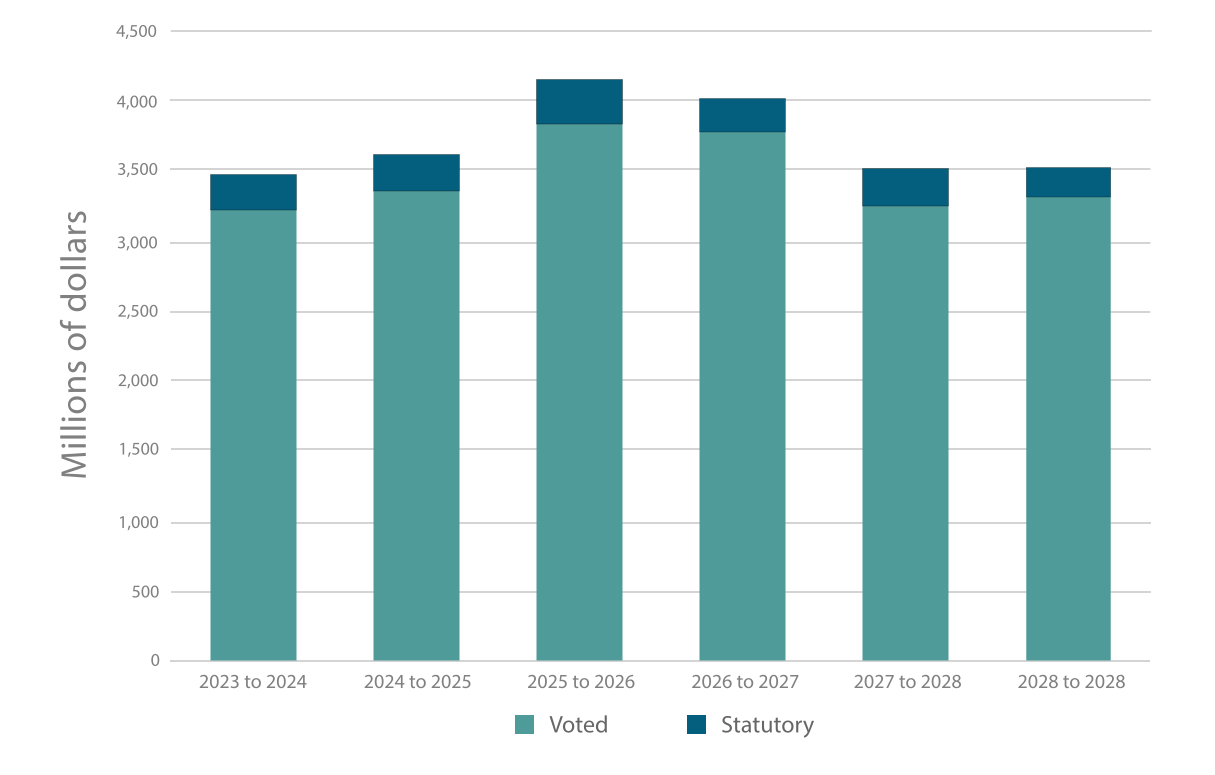
This section provides an overview of the department's voted and statutory funding for its core responsibilities and for internal services. For further information on funding authorities, consult the Government of Canada budgets and expenditures.
Graph 2: Approved funding (statutory and voted) over a six-year period
Text description of graph 2
Fiscal year |
Total |
Voted |
Statutory |
2023 to 2024 |
3,374,961,819 |
3,095,375,092 |
279,586,727 |
2024 to 2025 |
3,600,517,417 |
3,330,798,711 |
269,718,706 |
2025 to 2026 |
4,150,413,653 |
3,852,244,229 |
298,169,424 |
2026 to 2027 |
4,000,574,185 |
3,679,014,496 |
321,559,689 |
2027 to 2028 |
3,487,329,557 |
3,171,393,068 |
315,936,489 |
2028 to 2029 |
3,512,270,512 |
3,199,270,713 |
312,999,799 |
Analysis of statutory and voted funding over a six-year period
The increase in voted expenditures between fiscal years 2023 to 2024 and 2025 to 2026 is mainly due to incremental funding approved during these years to address rising legal and operational obligations. Key variances include:
- ratification of various collective agreements by the federal government
- incremental expenditures from changes in offender population and price fluctuations
- workers’ compensation benefits tied to legal obligations
- capital investments necessary to maintain and enhance the safety and security of CSC’s facilities
Planned spending for voted expenditures is expected to decline over the next three fiscal years, primarily due to reductions from Refocusing Government Spending, the CER, and the expiry of temporary funding for class actions and workers’ compensation benefits.
CSC’s main statutory expenditure is the Employee Benefits Plan, which is directly linked to salary spending and was impacted by several ratified collective agreements.
For further information on CSC’s departmental appropriations, consult the 2026 to 2027 Main Estimates.
Consolidated future-oriented condensed statement of operations
The consolidated future-oriented condensed statement of operations provides a general overview of CSC’s operations for 2025 to 2026 to 2026 to 2027.
Table 12 Consolidated future-oriented condensed statement of operations for the year ended March 31, 2027 (dollars)
| Financial information | 2025 to 2026 Forecast results |
2026 to 2027 Planned results |
Difference (Planned results minus forecasted) |
Total expenses |
3,824,233,553 |
3,983,525,453 |
159,291,900 |
Total revenues |
69,836,900 |
73,559,268 |
3,722,368 |
Net cost of operations before government funding and transfers |
3,754,396,653 |
3,909,966,185 |
155,569,532 |
Analysis of forecasted and planned results
Variances between the planned results for 2026 to 2027 and the 2025 to 2026 forecast are mainly due to the timing of key elements in the government expenditure cycle. Planned results are based on the 2026 to 2027 Main Estimates, while forecast results include additional funding authorized through the Supplementary Estimates and other approved transfers from the Treasury Board Secretariat. The largest differences are explained by the following changes:
- $433.2 million increase in 2026 to 2027 expenses due to the forecasted timing of payments for class action court settlements, offset by related reductions in liabilities
- $141.5 million decrease in 2026 to 2027 compared to 2025 to 2026, reflecting funding in 2025 to 2026 for rising Workers’ Compensation Board costs and paylist requirements not included in planned results
- $91.3 million decrease in 2026 to 2027 related to the CER and Refocusing Government Spending exercises
- $47.7 million decrease in 2026 to 2027 compared to 2025 to 2026 for approved carry-forward amounts in forecast results but not included in planned amounts
A more detailed Future-Oriented Statement of Operations and associated Notes for 2026 to 2027, including a reconciliation of the net cost of operations with the requested authorities, is available on CSC’s website.
Human resources
This section presents an overview of the department’s actual and planned human resources from 2023 to 2024 to 2028 to 2029.
Table 13: Actual human resources for core responsibilities and internal services
| Core responsibilities and internal services |
2023 to 2024 Actual full-time equivalents |
2024 to 2025 Actual full-time equivalents |
2025 to 2026 Forecasted full-time equivalents |
Care and Custody |
11,009 |
11,207 |
11,316 |
Correctional Interventions |
4,475 |
4,581 |
4,497 |
Community Supervision |
249 |
244 |
234 |
Subtotal |
15,733 |
16,032 |
16,047 |
Internal services |
3,104 |
3,122 |
2,977 |
Total |
18,837 |
19,154 |
19,024 |
Analysis of human resources over the last three years
Full-time equivalents (FTEs) increased by 1.0% (187 FTEs) over the last three fiscal years, from 18,837 FTEs in 2023 to 2024 to 19,024 FTEs in 2025 to 2026. This growth is mainly due to funding for correctional operations, implementation of Transforming Federal Corrections (Bill C-83), enhanced cleaning protocols across facilities, and the operation of the National Training Academy.
The decrease of 404 FTEs (2.1%) is expected between 2025 to 2026 and 2026 to 2027, primarily due to the reductions associated with Refocusing Government Spending and the CER.
Table 14: Human resources planning summary for core responsibilities and internal services
| Core responsibilities and internal services | 2026 to 2027 Planned full-time equivalents |
2027 to 2028 Planned full-time equivalents |
2028 to 2029 Planned full-time equivalents |
Care and Custody |
11,221 |
11,164 |
11,148 |
Correctional Interventions |
4,359 |
4,208 |
4,191 |
Community Supervision |
236 |
236 |
236 |
Subtotal |
15,816 |
15,608 |
15,575 |
Internal services |
2,804 |
2,726 |
2,623 |
Total |
18,620 |
18,334 |
18,198 |
Analysis of human resources for the next three years
The decrease in FTEs from 2026 to 2027 and 2028 to 2029 is mainly attributable to sunsetting funding for measures received to support correctional operations and the CER.
Supplementary information tables
The following supplementary information tables are available on CSC’s website:
Information on CSC’s departmental sustainable development strategy can be found on CSC’s website.
Federal tax expenditures
CSC’s Departmental Plan does not include information on tax expenditures.
The tax system supports public policy objectives through measures such as reduced tax rates, exemptions, deductions, deferrals and credits. Each year, the Department of Finance Canada publishes cost estimates and projections for these measures each in the Report on Federal Tax Expenditures.
This report also provides detailed background information, including descriptions, objectives, historical context, links to related federal spending programs, evaluations, and gender-based analysis plus analyses of tax expenditures.
Corporate information
Departmental profile
Appropriate minister(s)
The Honourable Gary Anandasangaree, P.C., K.C., M.P.
Institutional head
Anne Kelly, Commissioner
Ministerial portfolio
Public Safety
Enabling instrument(s)
Corrections and Conditional Release Act, S.C. 1992, c.20
Year of incorporation / commencement
1979 (March 31)
Departmental contact information
Mailing address
340 Laurier Avenue West
Ottawa, Ontario
K1A 0P9
Telephone
(613) 992-5891
Fax
(613) 943-1630
Website
Definitions
- appropriation (crédit)
- Any authority of Parliament to pay money out of the Consolidated Revenue Fund.
- budgetary expenditures (dépenses budgétaires)
- Operating and capital expenditures; transfer payments to other levels of government, departments or individuals; and payments to Crown corporations.
- core responsibility (responsabilité essentielle)
- An enduring function or role performed by a department. The intentions of the department with respect to a core responsibility are reflected in one or more related departmental results that the department seeks to contribute to or influence.
- Departmental Plan (plan ministériel)
- A report on the plans and expected performance of an appropriated department over a 3 year period. Departmental Plans are usually tabled in Parliament each spring.
- departmental result (résultat ministériel)
- A consequence or outcome that a department seeks to achieve. A departmental result is often outside departments’ immediate control, but it should be influenced by program-level outcomes.
- departmental result indicator (indicateur de résultat ministériel)
- A quantitative measure of progress on a departmental result.
- departmental results framework (cadre ministériel des résultats)
- A framework that connects the department’s core responsibilities to its departmental results and departmental result indicators.
- Departmental Results Report (rapport sur les résultats ministériels)
- A report on a department’s actual accomplishments against the plans, priorities and expected results set out in the corresponding Departmental Plan.
- full-time equivalent (équivalent temps plein)
- A measure of the extent to which an employee represents a full person-year charge against a departmental budget. For a particular position, the full-time equivalent figure is the ratio of number of hours the person actually works divided by the standard number of hours set out in the person’s collective agreement.
- gender-based analysis plus (GBA Plus) (analyse comparative entre les sexes plus [ACS Plus])
- Is an analytical tool used to support the development of responsive and inclusive policies, programs, and other initiatives. GBA Plus is a process for understanding who is impacted by the issue or opportunity being addressed by the initiative; identifying how the initiative could be tailored to meet diverse needs of the people most impacted; and anticipating and mitigating any barriers to accessing or benefitting from the initiative. GBA Plus is an intersectional analysis that goes beyond biological (sex) and socio-cultural (gender) differences to consider other factors, such as age, disability, education, ethnicity, economic status, geography (including rurality), language, race, religion, and sexual orientation.
Using GBA Plus involves taking a gender- and diversity-sensitive approach to our work. Considering all intersecting identity factors as part of GBA Plus, not only sex and gender, is a Government of Canada commitment. - government priorities (priorités gouvernementales)
- For the purpose of the 2026-27 Departmental Plan, government priorities are the high-level themes outlining the government’s agenda in the 2025 Speech from the Throne .
- horizontal initiative (initiative horizontale)
- An initiative where two or more federal departments are given funding to pursue a shared outcome, often linked to a government priority.
- Indigenous business (entreprise autochtone)
- Requirements for verifying Indigenous businesses for the purposes of the departmental result report are available through the Indigenous Services Canada Mandatory minimum 5% Indigenous procurement target website.
- non‑budgetary expenditures (dépenses non budgétaires)
- Non-budgetary authorities that comprise assets and liabilities transactions for loans, investments and advances, or specified purpose accounts, that have been established under specific statutes or under non-statutory authorities in the Estimates and elsewhere. Non-budgetary transactions are those expenditures and receipts related to the government's financial claims on, and obligations to, outside parties. These consist of transactions in loans, investments and advances; in cash and accounts receivable; in public money received or collected for specified purposes; and in all other assets and liabilities. Other assets and liabilities, not specifically defined in G to P authority codes are to be recorded to an R authority code, which is the residual authority code for all other assets and liabilities.
- performance (rendement)
- What a department did with its resources to achieve its results, how well those results compare to what the department intended to achieve, and how well lessons learned have been identified.
- performance indicator (indicateur de rendement)
- A qualitative or quantitative means of measuring an output or outcome, with the intention of gauging the performance of a department, program, policy or initiative respecting expected results.
- plan (plan)
- The articulation of strategic choices, which provides information on how a department intends to achieve its priorities and associated results. Generally, a plan will explain the logic behind the strategies chosen and tend to focus on actions that lead to the expected result.
- planned spending (dépenses prévues)
- For Departmental Plans and Departmental Results Reports, planned spending refers to those amounts presented in Main Estimates.
- A department is expected to be aware of the authorities that it has sought and received. The determination of planned spending is a departmental responsibility, and departments must be able to defend the expenditure and accrual numbers presented in their Departmental Plans and Departmental Results Reports.
- program (programme)
- Individual or groups of services, activities or combinations thereof that are managed together within the department and focus on a specific set of outputs, outcomes or service levels.
- program inventory (répertoire des programmes)
- Identifies all the department’s programs and describes how resources are organized to contribute to the department’s core responsibilities and results.
- result (résultat)
- A consequence attributed, in part, to a department, policy, program or initiative. Results are not within the control of a single department, policy, program or initiative; instead they are within the area of the department’s influence.
- statutory expenditures (dépenses législatives)
- Expenditures that Parliament has approved through legislation other than appropriation acts. The legislation sets out the purpose of the expenditures and the terms and conditions under which they may be made.
- target (cible)
- A measurable performance or success level that a department, program or initiative plans to achieve within a specified time period. Targets can be either quantitative or qualitative.
- voted expenditures (dépenses votées)
- Expenditures that Parliament approves annually through an appropriation act. The vote wording becomes the governing conditions under which these expenditures may be made.