
Evaluation of the Military Justice and Grievances Training Programs
September 2025
1258-3-073 (ADM(RS))
Reviewed by ADM(RS) in accordance with the Access to Information Act. Information UNCLASSIFIED.
Table of Contents
Evaluation Scope
This report presents the findings and recommendations of the Evaluation of the Military Justice and Grievances Training Programs (MJGTP), covering fiscal years (FY) 2019/20 to 2024/25, and represents the first evaluation conducted on these training programs. This evaluation responds to Recommendation 100 from the Third Independent Review of the National Defence Act (IR3), conducted by the Honourable Morris J. Fish. The evaluation scope reflects key considerations outlined in IR3 Recommendation 100, including the design, delivery and effectiveness of all four identified MJGTP modules. This evaluation was named in the Department of National Defence Five-Year Evaluation Plan (FY 2023/24 to FY 2027/28) and follows the 2016 Treasury Board Policy on Results. The training modules assessed were:
Alternate Formats
Assistant Deputy Minister (Review Services)
IR3 Recommendation 100
The Department of National Defence and the Canadian Armed Forces (CAF) should carry out a series of evaluations on each of the training modules: their design, the type of participation included, and the frequency and application of acquired skills and knowledge. The results of these evaluations should be made available to future independent review authorities.
- Military Justice – Unit Level (MJUL) training, owned by the Judge Advocate General (JAG)
- Victim’s Liaison Officer (VLO) course, owned by Chief Professional Conduct and Culture (CPCC)
- Assisting Member Course (AMC) training for grievances, owned by CPCC
- Basic Military Qualification (BMQ)/Basic Military Officer Qualification (BMOQ), owned by Chief Military Personnel (CMP)
Program Overview
The MJGTP courses are essential to maintaining discipline, efficiency and morale in the CAF. These programs ensure CAF members understand and apply military justice and grievance principles, reinforcing accountability and fairness in systems that uphold operational effectiveness and the rule of law.
Modernization efforts align the Military Justice System (MJS) with Canadian values and the evolving civilian justice system. Recent legislative reforms, including Bill C-77 coming into force, strengthened victims’ rights, introduced the summary hearing process to streamline disciplinary actions and refined court martial procedures for fairness and transparency.
The MJUL training course is a foundational component of military justice education, equipping and empowering CAF personnel to administer the system effectively. Delivered online and self-paced, it provides essential training in military justice administration and certifies superior commanders, commanding officers and delegated officers. It also certifies assisting members (AM), who support CAF personnel in navigating MJS and participating in summary hearings. Additionally, the VLO role was introduced as a secondary duty to support victims, with qualifying members completing online instructor-led training. VLOs serve as a crucial gateway by connecting victims to legal, crisis and emotional support services.
The CAF grievance system permits and supports members to formally object to decisions, acts or omissions that affect them personally. By providing a structured avenue to voice concerns and seek redress, it provides a pivotal role in fostering trust, accountability and organizational transparency.
Ongoing efforts to transform the grievance system seek to enhance accessibility and fairness while ensuring grievances are processed more efficiently. Specifically, these key initiatives aim to reduce processing times by adopting streamlined processes, increasing the use of informal resolution options and better supporting grievors. As part of these advancements, grievances— which were previously submitted manually—can now be submitted digitally as of February 2024, improving accessibility and reducing administrative delays.
Beyond procedural improvements, training plays a crucial role in ensuring CAF members understand and can navigate the grievance system effectively. Among available training, the self-paced virtual AMC allows certified CAF members to support grievors with their submissions and throughout the grievance process by reviewing documents and providing access to pertinent resources.
New recruits also receive instruction on the CAF grievance system during in-person BMQ/BMOQ training, emphasizing the importance of grievances in upholding respect and members’ rights.
Conclusive Assessment: Key Takeaways
Despite significant transformational efforts and the redesign of specific course modules, a general lack of awareness among key populations persists, underscoring the need for enhanced communication and outreach initiatives to ensure the full achievement of intended training outcomes. While it appears as though the current supply of trained personnel meets operational demand, gaps in post-training data collection and analysis obstruct the assessment of trainee performance and course effectiveness. Although course graduates generally expressed confidence in their roles, the absence of systematic end-user feedback and post-course completion data limits opportunities for continuous improvement and adaptation.
While virtual training delivery is innately cost-effective and has increased course graduate throughput, it has also restricted practical exercises in some cases, which are crucial for reinforcing course content. Modular training is essential to sustaining key processes, yet intermittent practical use leads to skill degradation. Extensive course content, coupled with lengthy training requirements, has presented clear knowledge retention challenges. Secondary roles, such as the AM role, are often deprioritized in favour of primary responsibilities. Addressing gaps in awareness, data collection, feedback mechanisms, practical application and retention of knowledge strategies is critical to strengthening program performance. Overall, while MJGTP plays a crucial role in maintaining military justice proficiency within the CAF, ongoing improvements are necessary to ensure its long-term success.
Key Findings
Finding 1: Low levels of general awareness and program outreach amid profound transformations has constrained the full achievement of the intended training outcomes.
MJUL
The MJUL course was prominently featured in several CAF-wide communication products following the promulgation of Bill C-77, leading to elevated levels of awareness.
Survey results from MJUL course participants further support this finding, as 85 percent of survey respondents were at least somewhat aware of the course prior to enrolling. A further breakdown revealed the awareness stemmed from multiple sources.

Figure 1 Summary
ADM(RS) survey results revealed that while 42 percent of CAF members pursue the training for professional development, nearly half (47 percent) of course graduates reported having undertaken tasks that necessitated MJUL training, underscoring its role in preparing CAF personnel to effectively perform their responsibilities.
VLO
The VLO program provides critical support to victims in MJS while ensuring their rights, interests and access to information are protected throughout the judicial process.
Despite exercising efforts within official channels to promote its awareness—including the implementation of the CAF’s Interim Victim’s Liaison Officer Policy and a website detailing the VLO’s roles and responsibilities, as well as how victims can request assistance— the program currently faces systemic challenges in terms of awareness and outreach. Many key stakeholders, including course facilitators, guest lecturers and active VLOs, indicated that the program is not well known, which has limited its effectiveness in supporting its intended audience.
Without sufficient program promotion, intended beneficiaries may remain unaware of existing supports, leading to underuse, disengagement, frustration and unmet needs. To address these challenges, the program has identified potential solutions that incorporate a multi-channel outreach strategy, including policy revisions, issuances of official departmental communications and targeted communication from the Provost Marshall.
AMC
The CAF grievance system is undergoing significant reforms to enhance fairness, transparency and efficiency. Recent efforts focus on streamlining procedures, strengthening oversight and accelerating the resolution process. Departmental communications now include direct links to access information sessions administered by Conflict and Complaint Management Services (CCMS) to promote further visibility and awareness. Aligned with Justice Fish’s recommendations, these changes aim to create a more responsive, equitable and accountable system for military personnel.
Despite these critical efforts, direct communication with unit leadership is increasingly being bypassed. The introduction of the online grievance submission system has eliminated mandatory grievance notifications, reducing opportunities for early intervention and informal resolution efforts.
Moreover, while supervisors actively report informing their members about the role of AMs in the grievance process, awareness among CAF personnel remains low. According to the 2020 Your Say Survey, 37 percent of grievors indicated they were not provided with the opportunity to have an AM, while supervisors expressed strong confidence in their own roles and responsibilities in providing this support. This discrepant result highlights a significant gap in outreach and communication efforts, which may undermine access to essential resources.
BMQ/BMOQ
Instructors at the Canadian Forces Leadership and Recruit School engage with the school’s grievance advisor prior to the start of each new course to remain informed on grievance system updates and discuss processes that support positive organizational change. Recruits undergoing BMQ/BMOQ receive a brief instruction on the grievance process during their training. Given the intensive nature of the course and recent reductions aimed at optimizing training efficiency, extensive grievance instruction at this stage of their career may not be practical or conducive to long-term knowledge retention.
Mandatory CCMS outreach to BMQ/BMOQ students and at regular intervals throughout a members’ career may enhance further understanding of the complex system, particularly following periods of change. Similar outreach efforts have the potential to positively impact the organization’s goal of increasing informed awareness and enhancing instances to facilitate amicable settlements. While these results are not necessarily indicative of awareness or systemic issues, the grievance filing rate among junior CAF members in 2024 aligns closely with their overall representation within the CAF, suggesting their filing behaviour is generally consistent with broader trends.
Increased training and service awareness enables adaptation, enhances service delivery and strengthens support within the broader CAF community. This ultimately contributes to improved organizational outcomes and equitable access to critical services.
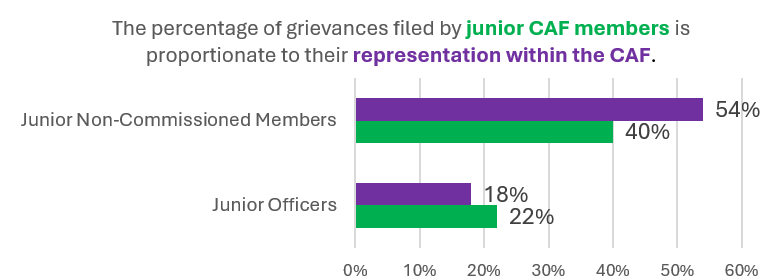
Figure 2 Summary
Finding 2: Course graduates are confident they can achieve their post-training objectives. However, courses lack either feedback mechanisms or implementation plans to support continuous improvement.
MJUL
MJUL end-of-course surveys have captured significant amounts of feedback since MJUL training launched in April 2022. More than 9,900 survey responses were submitted as of March 2024, representing 74 percent of course participants. However, no comprehensive analysis of feedback or test data has been undertaken by program stakeholders to support training enhancements. Additionally, an implementation plan has not yet been established to address feedback concerns, limiting its application for enhanced program effectiveness.
A further analysis of final test data highlighted three modules where participants scored poorly regardless of language preference; however French participants consistently scored lower across identified course themes, highlighting potential training inequities and the need to reassess test equivalencies.
Course survey data revealed a large majority of respondents were satisfied with the knowledge gained from the course, with 77 percent noting they felt ready to effectively perform MJS-related tasks upon completing the course.

Figure 3 Summary
Nearly half of the MJUL survey respondents accessed subject material in the last year.
49% of MJUL survey respondents returned to review the course material in the last year.
VLO
Results from a June 2024 end-of-course survey reflect a positive reception to the knowledge and foundational competencies acquired in the VLO course.
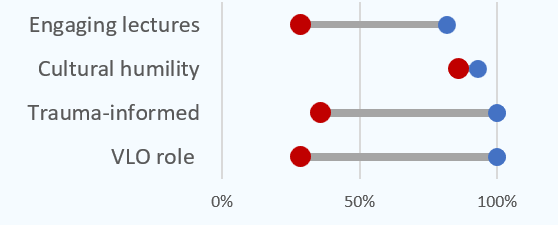
Figure 4 Summary
A notable achievement is the application of a pre- and post-training survey at the end of each day to collect perspective-based data. Program improvements are being implemented in real time following a careful review of this information, including the migration to a new collaborative platform to support the next course serial.
Additionally, to further assess program effectiveness, victims can provide feedback on the role of their assigned VLO. However, as survey design considerations were recently implemented, the current population size is insufficient to conduct meaningful analysis (N < 5). Best practices may be leveraged from other government departments that offer similar victim-support programs with data collection strategies that prevent revictimization and support trauma-informed approaches.
AMC
While AMs are confident in their role after taking the course, the full satisfaction rates for the course are unknown as no end-of-course survey currently exists.

Figure 5 Summary
Furthermore, once an AM has performed their role, there is no feedback option for grievors to submit comments, nor is the use of AMs tracked or assessed for effectiveness in a centralized location.
Feedback was solicited through a CAF-wide survey that asked about several topics, including grievances, and a validation report was completed on AMC in 2023. Recommendations from those products align with the findings from this evaluation, which include a need for further instructional aids and more practical training opportunities. These recommendations have not yet been implemented to further enhance course satisfaction and training effectiveness. However, interim findings from this evaluation have resulted in ongoing course reviews to ensure the program is in compliance with official languages standards.
BMQ/BMOQ
The Canadian Forces Support Training Group is responsible for developing grievance training for new recruits in BMQ/BMOQ. Evidence indicates that the latest updates to the training plan, approved in June 2024, were promptly implemented and align with established requirements, including relevant updates to the grievance process. However, grievance-specific feedback is not collected, making it difficult to assess the effectiveness of the training.
Given the breadth of content covered in BMQ and the structured nature of the program, opportunities to incorporate additional feedback mechanisms are limited and may be challenging. Additionally, relying on testing material to infer content absorption can produce misleading results, leaving it unclear whether recruits fully grasp and retain the intended learning outcomes specific to grievances.
Continuous improvement is essential for any training program to ensure that it remains relevant, effective and capable of adapting to changing needs. To enhance its overall impact and reinforce confidence in role responsibilities, robust success measures must be incorporated to support the long-term sustained effectiveness of training modules.
Finding 3: The efficiencies and accessibilities gained by delivering the military justice and grievances training programs virtually has precluded the option of practical exercises to further solidify the content, which was a recommendation contained in the Third Independent Review of the National Defence Act.
MJUL
Virtual delivery of the MJUL course has resulted in increased accessibility and annual certification throughput when compared to its in-person predecessor, Presiding Officer Certification Training (POCT). Specifically, the online MJUL course has certified nearly six times more members, as measured through average annual throughput.

Figure 6 Summary
Additionally, while the former POCT course faced challenges related to limited course availability, logistical constraints and restricted participation, the MJUL course addressed these challenges by enabling consistent content delivery, standardized participant experiences and improved tracking of participant progress and engagement metrics. A further analysis of MJUL end-of-course survey data revealed that 75 percent of participants agreed that the MJUL course was delivered at least somewhat efficiently.
While scenario-based recordings have been included in MJUL training to further demonstrate procedural nuances and the decision-making process within a controlled context, these additions fail to meet the requirement outlined within Justice Fish Recommendation 47, which emphasizes the necessity of practical exercises to reinforce procedural accuracy and critical thinking in realistic settings. Post-graduate feedback revealed that one third noted knowledge resource gaps in course content, with half specifying the need for sufficient practical training. Others noted that gaps included a lack of instructor support and post-course reference materials.

Figure 7 Summary
VLO
The four-day VLO program is an instructor-led, virtual training course designed to equip members with the skills needed to effectively support victims. Its online delivery enhances accessibility across the CAF while enabling real-time engagement and consistent instructional quality and while minimizing operational disruptions. Additionally, the program incorporates practical exercises to reinforce skill development, and course participant success is directly linked to passing an interactive roleplay scenario.
However, recent course participants identified a need for further scenario-based learning supports and some participants reported technical limitations with the online collaborative platform that hindered their ability to fully engage in course modules. Addressing these issues could improve the overall training experience.

Figure 8 Summary
AMC
AMC is an online, self-paced training program available to all CAF members. While its delivery mode offers flexibility and accessibility, course-participant feedback from a course validation study and an ADM(RS)-administered survey highlighted the absence of practical exercises and interactive learning components. Respondents noted that the training lacks vital learning supports such as scenarios, case studies or vignettes, with 43 percent of survey comments indicating a need for more practical training. Similar concerns were also identified in IR3 92, which recommended the inclusion of practical exercises to reinforce knowledge application for AMs.

Figure 9 Summary
BMQ/BMOQ
As grievance training is a mandatory component of BMQ/BMOQ, its accessibility must align with established training standards and policy expectations. A review of qualification standard plans and recent updates to training plans supports an alignment with the above-mentioned requirements.
Grievances are taught with other training components within BMQ/BMOQ and use various instruction modalities, including case studies, interactive lectures and guided discussions. There are 14 related teaching points covered within an 80-minute period, including topics such as CAF harassment policies, prevention of sexual misconduct, ethics and ethos, and expected behaviours. Those delivering the grievance-related material must be mindful to remain consistent with the content requiring coverage.
The grievance module efficiently uses the flipped classroom approach, where candidates must complete a pre-reading package on CAF policies to fully participate in lesson discussion and case studies. This allows students to learn the material in various ways, thereby enforcing foundational knowledge.
While the delivery of virtual training presents distinct advantages over other training modalities, it is essential to recognize the identified need to integrate practical learning components, particularly for MJUL and grievance training. Balancing the convenience and efficiency of virtual learning with hands-on practice ensures a more comprehensive and effective learning experience, bridging the gap between theory and real-world application.
Finding 4: Knowledge retention could be improved through recertification requirements, course refreshers and consolidated resources.
MJUL
While recertification is required every four years, the ability to sustain competencies and prevent knowledge or skill fade remains unclear, as no course participants have yet reached the recertification stage. One emerging consideration is that a significant portion of course participants have yet to perform an MJS-related role since completing their training. However, just over two fifths (42 percent) of course participants identified professional development as the primary driver for course completion, suggesting no immediate requirement to apply their acquired skills in support of MJS activities.
Perishable skills, particularly those related to the application of MJS processes, are susceptible to decline if not used or reinforced through practical application. To circumvent these challenges, MJUL SharePoint provides a localized and accessible online platform for related reference material.

Figure 10 Summary
VLO
Since its launch, the course has required recertification every four years, with course participants needing to complete MJUL training as a prerequisite prior to enrolling in the VLO course. Given the course’s recent introduction, it remains uncertain whether the recertification period is adequate to maintain competencies and prevent knowledge or skill fade. Additionally, since only one quarter (26 percent) of VLOs are currently assigned to active cases, opportunities for practical training applications are limited. Infrequent skill application may result in diminished confidence in applying trauma-informed practices and a VLO’s ability to effectively navigate complex cases.
Feedback survey results revealed a need for complementary resources to support continuous knowledge and skill retention, including refresher resources and access to subject matter experts following course completion. Adjustments are being made in real time based on the evaluation’s findings, including the development of virtual channels to promote targeted collaboration and supplementary content, which is being designed for broader accessibility.
Program data suggests the supply of VLOs exceeds demand requirements, ensuring adequate and diverse support for victims within MJS. Interactive dashboards track supply shortages that consider the geographic location and diversity of VLOs compared to evolving demands. These tools ensure VLO availability aligns with operational needs and intersecting identity considerations, where feasible.
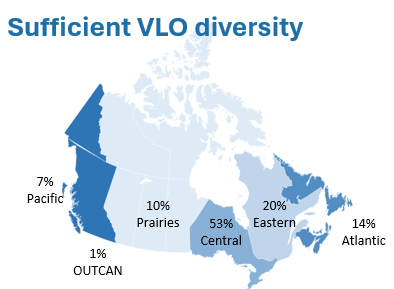
Figure 11 Summary
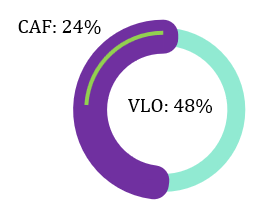
Figure 12 Summary
AMC
To date, there is no recertification requirement, and no consolidated resources exist to mitigate skill fade or support knowledge retention; however, participants can retake the course as needed. While program stakeholders noted that members often complete this training for professional development, course validation and ADM(RS) survey results revealed that only between 7 percent and 25 percent of AMs use their acquired skills and knowledge, as infrequently as once per year.

Figure 13 Summary
Further analysis indicated that while many participants (70 percent) were generally satisfied with the availability of in-course resources, there is a need for regular knowledge refreshers, as the training was designed for “just in time” application.
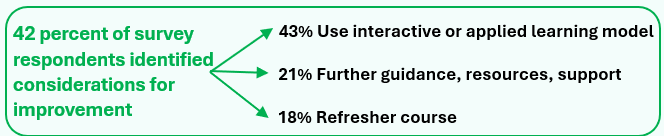
Figure 14 Summary
Overall, the course fails to meet the recommendation requirements noted in IR3 92, which called for its further development and renewable certification.
BMQ/BMOQ
The training is designed to form the first building blocks necessary to prepare recruits for the next steps in their CAF career. Resources are provided during this training regarding grievances and respectful conduct, and mandatory engagement from CCMS provides additional clarity on their rights as recruits and CAF members. No recertification or mandatory updates are required throughout a CAF career, which may contribute to gaps in the understanding of the grievance process; however, CAF members have the option of taking other MJGTP courses for professional development.
The information gained through program modules is vital for the overall effectiveness of military justice and grievance processes; however, members reported significant skill fade due to intermittent use. Continuous learning and reinforcement are crucial for skill retention and consistency across supports. Given the complex systems in which these modules reside, resources to augment and further reinforce them can increase the overall performance of course participants.
Finding 5: Course participants noted concerns related to the time required to complete the courses and to absorb dense course content, sometimes resulting in workload and scheduling conflicts.
MJUL
The MJUL course is designed to be completed in approximately eight to ten hours and can be accessed through multiple sessions if required. While participants have the flexibility to progress at their own pace, a quarter of survey respondents encountered barriers while progressing through the course, with the majority noting time management and the demands of operational duties as key limiting factors.
The identified challenges of balancing competing priorities underscore the need to permit members to complete MJUL training separately from their primary duties to enhance learning gains and knowledge retention.

Figure 15 Summary
VLO
The most recent VLO training session spanned four eight-hour days. Feedback data from both participants and course facilitators indicated that training felt condensed and highlighted concerns about content absorption. Additionally, due to the live virtual training modality and facilitator engagement, variable levels of discussion for each learning component necessitated adjustments to course pacing, resulting in inconsistent outcomes.
Half of the students expressed various levels of dissatisfaction with the four-day course length.
It is important to note that while course participation numbers were low (N < 20), these findings have informed real-time program enhancements, including a further extension of the training to five days to enhance learning outcomes and program effectiveness. These changes will be implemented in the next training session, set for release in 2025.
AMC
AMC has an approximate duration of four hours and can be completed through multiple sessions if required. Overall, ADM(RS) survey results showed that most participants (71 percent) felt there was sufficient time to learn the material, while one third felt more training is needed, such as practical applications and case studies to assist with grievances.
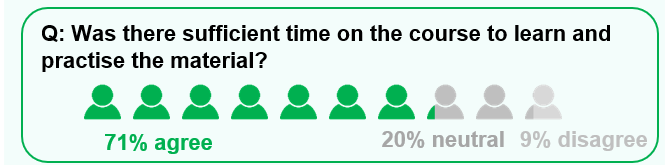
Figure 16 Summary
Conversely, less than half of respondents felt they had enough time to assist with grievances. This support gap suggests the CAF is not fully meeting the intent of IR3 92, which requires ensuring AMs have sufficient time, alongside their primary duties, to effectively support grievors throughout the process.

Figure 17 Summary
BMQ/BMOQ
The foundational grievance content provided to students aligns with the intent of BMQ/BMOQ and is delivered in a manner that does not negatively impact student workload. It remains unclear, however, whether course participants have sufficient time to absorb the content, as no feedback data is collected.
Key stakeholder interviews suggest that content integration is likely sufficient, and the current approach balances essential awareness with the broader demands of the program while minimizing risks of cognitive overload.
The Canadian Forces Support Training Group standards further support training delivery by providing each recruit with takeaway materials and contact lists for future references.
The large amount of information covered in training makes it challenging for participants to retain knowledge and skills effectively. Course content is regularly reviewed to maintain the right balance, ensuring participants gain the essential knowledge needed to meet departmental objectives. However, these training programs often take a secondary role to primary job responsibilities, which can reduce their overall impact.
ADM(RS) Recommendations
Annex A: Management Action Plan
ADM(RS) Recommendation
Management Action
Action 1.1: Director General Canadian Forces Grievance Authority (DGCFGA) will promote program awareness by targeting specific audiences such as commanding officers, AMs and grievors.
Deliverable: Updated Chief of the Defence Staff guidance, initial authority checklist and finalized communications product with scheduled, regular communiqués.
OPI: CPCC, DGCFGA Training
OCIs: CMP, Canadian Defence Academy
Target date: June 2026
Action 1.2: The VLO program will develop a communication strategy—including engagement through the Culture Evolution Coordinator Network and the release of a CANFORGEN with updated program information—and a website featuring key training dates will be delivered.
Deliverable: The VLO policy has been updated; VLO course dates are published and updated annually on the conduct and culture training calendar; and a CANFORGEN has been issued to communicate the latest developments in the VLO program.
OPI: CPCC, Director General Professional Conduct and Development (DGPCD)
OCIs: Assistant Deputy Minister (Public Affairs), Culture Evolution Coordinators, CPCC – Test and Evaluation
Target date: March 2027
ADM(RS) Recommendation
Management Action
Action 2.1: DGCFGA will improve the training to promote continuous improvement of grievance training and ensure the course remains efficient and effective.
Deliverable: This management action plan will be considered closed when feedback forms are available to participants at the conclusion of the module and the data is analyzed annually to inform improvements.
OPI: CPCC, DGCFGA Training
OCI: CMP, Canadian Defence Academy/Military Personnel Generation Training Group
Target date: December 2025
Action 2.2: The VLO course collects daily feedback, and facilitators review and implement changes. The program is creating a SharePoint site with key resources. Victims are also invited to complete a survey to share feedback on their VLO experience.
Deliverable: The VLO SharePoint site, featuring reference materials and tools, will be launched; substantive changes resulting from end of session debriefs will be shared on the VLO SharePoint site; and feedback from victims who have used a VLO will be analyzed on an annual basis to inform module enhancements.
OPI: CPCC, DGPCD
Target date: March 2027
ADM(RS) Recommendation
Management Action
Action 3.1: DGCFGA will develop scenario-based training offerings to enable AMs to develop their expertise.
Deliverable: The scenario-based training related to grievances is available to AMs and has been communicated effectively as required.
OPI: CPCC, DGCFGA Training
OCI: CPCC, Director Ethics Programme/DGPCD
Target date: June 2026
Action 3.2: The VLO course delivery approach is evolving to include more scenario-based instruction. The VLO program will also host bi-annual professional development days, which may include virtual instructor-led portions.
Deliverable: The updated student guide is finalized and integrated into course delivery, and the bi-annual professional development days are held, over the course of one year, to support ongoing learning and engagement.
OPI: CPCC, DGPCD
OCI: CPCC – Test and Evaluation
Target date: March 2027
Action 4: Numerous training aids and collated resource links will be developed and published on the Canadian Forces Military Law Centre’s (CFMLC) MJUL website and referenced within the MJUL course materials where relevant. The Office of the JAG and CFMLC are conducting a review of the MJUL training plan to identify course delivery methods that may require improvement.
Deliverable:
- developed training aids and collated links to resources are published on CFMLC’s MJUL webpage and incorporated into the MJUL course material as necessary;
- the current revision of MJUL content is complete and implemented; and
- CFMLC has conducted a review of the MJUL training plan and program performance.
OPI: Office of the JAG
OCI: CMP, Military Personnel Generation Group
Target Date: June 2027