
Mental Health Week 2021: It’s all about our emotions
May 4, 2021 - Defence Stories
Caption
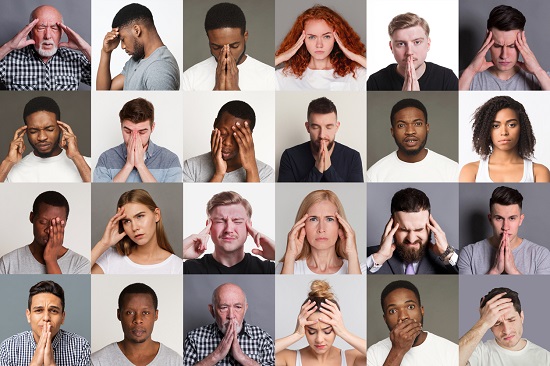
When we experience ongoing, stressful situations such as a pandemic, our emotions including anxiety, fear, anger, and sadness, can be all over the place.
It’s been over a year of mixed emotions as the Defence Team continues to cope with the ongoing COVID-19 pandemic. It can be challenging at the best of times to manage our emotions; throw in a pandemic, and it’s the perfect emotional storm.
Emotions influence how we think and behave and can prompt us to take action or make decisions. In the domain of psychology, the study of emotions falls under the umbrella of emotional intelligence (otherwise known as emotional quotient or EQ).
EQ is a set of three, basic, learned skills that include the ability to:
- recognize your emotions and the emotions of others;
- correctly label emotions; and,
- use the information that emotions provide to guide thoughts and behaviour.
These skills, which can be learned and developed at any point during our lives, help us manage distress, have empathy for others, overcome obstacles, communicate effectively and manage conflict.
When we experience ongoing, stressful situations such as a pandemic, our emotions, including anxiety, fear, anger, and sadness, can be all over the place. Sometimes we choose negative coping skills to change what we are feeling because no one wants to experience these emotions for any length of time. Negative coping skills may involve activities that lead to addictions with alcohol, gambling, or drugs.
How do we know when our negative coping skills are problematic? When we are struggling to manage our emotions without them – for example, when we need alcohol to feel better in the moment.
Embracing EQ is a good way to adopt positive coping skills and mitigate the risk of using addictions to manage difficult emotions. You can do this by:
- Learning to name your emotions: Some emotions, like fear and anger, can be difficult to manage. The first step is to recognize and name your emotion which helps to calm down your emotional response. It’s as simple as slowing down, taking a moment, and asking “what am I feeling right now?”
- Learning to manage your emotional response in the moment using positive coping skills which help to distract you: Go for a walk; talk to a friend; choose a small distraction like repeating to yourself “I look forward to feeling better soon” or counting backwards from 10.
- Planning for your well-being: A longer term coping skill may be to organize a weekly one hour virtual get together with a few friends for an R and R – a rant and rave. Be someone’s wellness buddy and put a weekly phone call in your schedule to do a quick well-being check-in.
If it all gets to be too much and your positive coping skills are no longer working, consider reaching out to a friend or family member and have an honest talk about how you are feeling. Contact the chaplain/padre, your local medical clinic, or your family doctor to discuss how you are feeling and put a plan in place so you can return to a state of positive mental health.
Recognizing, labeling and accepting our feelings are all part of protecting and promoting good mental health for everyone.

Lucy Belanger, M.Ed., is part of the Strengthening the Forces team and she works on the promotion of positive mental health and social wellness.
Strengthening the Forces is CAF/DND’s healthy lifestyles promotion program providing expert information, skills and tools for promoting and improving CAF members’ health and well-being.
Resources and Related Links
- Military Mental Health. You’re not alone.
- Health Canada - Employee Assistance Services
- Defence Team COVID-19 – Mental Health and Wellness Hub
- Assess your own mental health using the Mental Health Continuum tool (You are now leaving the Government of Canada website)
- Canadian Mental Health Association – Information and articles – Mental Health Week 2021 (You are now leaving the Government of Canada website)