
Species at Risk Act – Annual Report for 2015
- Table of contents
- 1. Introduction
- 2. Assessment of species at risk
- 3. Listing of species at risk
- 4. Protection of individuals and residences of listed species
- 5. Recovery planning for listed species
- 6. Recovery implementation
- 7. Permits
- 8. Enforcement
- 9. Monitoring
- 10. Consultation and governance
- 11. Further information
- Introduction
- Assessment of species at risk
- Listing of species at risk
- Protection of individuals and residences of listed species
- Recovery planning for listed species
- 5.1 Legislative requirements
- 5.2 Recovery planning activities in 2015
- 5.2.1 Recovery strategies
- 5.2.2 Identification of critical habitat
- 5.2.3 Action plans
- 5.2.4 Management plans
- Recovery implementation
- Permits
- Enforcement
- Monitoring
- Consultation and governance
- Further information
This report summarizes activities carried out in 2015 related to the Species at Risk Act (SARA). The report fulfills the Minister of the Environment’s obligation, under section 126 of the Act, to prepare an annual report on the administration of SARA for each calendar year. The Actrequires that the report include a summary of:
- the assessments of the Committee on the Status of Endangered Wildlife in Canada and the Minister’s response to each of them;
- the preparation and implementation of recovery strategies, action plans and management plans;
- all agreements made under sections 10 to 13;
- all agreements entered into and permits issued under section 73, and all agreements and permits amended under section 75 or exempted under section 76;
- enforcement and compliance actions taken, including the response to any requests for investigation;
- regulations and emergency orders made under SARA; and
- any other matters that the Minister considers relevant.
This introductory section provides background information on SARA and outlines the responsibilities of the federal departments and agencies under the Act.
SARA is an important tool for conserving and protecting Canada’s biological diversity, and helps Canada meet its international commitments under the Convention on Biological Diversity. It also supports the federal commitments under the 1996 Accord for the Protection of Species at Risk to prevent species in Canada from becoming extinct as a consequence of human activity. The purposes of the Act are to prevent wildlife species from being extirpated or becoming extinct, to provide for the recovery of wildlife species that are extirpated, endangered or threatened as a result of human activity, and to manage species of special concern to prevent them from becoming endangered or threatened.
The Act establishes a process for conducting scientific assessments of the status of individual wildlife species and a mechanism for listing extirpated, endangered, threatened and special-concern species. SARA also includes provisions for the protection, recovery and management of listed wildlife species, and their critical habitatsFootnote1.1 and residences.Footnote2.1
The responsibility for conservation of species at risk is shared by all jurisdictions in Canada. The Act recognizes this joint responsibility and that all Canadians have a role to play in the protection of wildlife.
The Parks Canada Agency, Fisheries and Oceans Canada, and Environment and Climate Change Canada (ECCC) are the three government organizations, commonly referred to as the “competent” departments that share responsibility for the implementation of SARA. The ministers responsible for these organizations are known as the “competent” ministers under SARA. The Minister of the Environment is the minister responsible for both ECCC and Parks Canada. Ministerial responsibilities are as follows:
- The Minister responsible for Parks Canada Agency is responsible for individuals of species found in or on federal lands and waters that the Agency administers.
- The Minister of Fisheries and Oceans is responsible for aquatic species at risk other than individuals in or on federal lands administered by the Parks Canada Agency.
- The Minister of the Environment is responsible for all other species at risk.
The Minister of the Environment is the minister responsible for the overall administration of SARA, except insofar as the Act gives responsibility to another minister (i.e., the other competent minister). The Minister of the Environment is required to consult with the other competent ministers as necessary on matters related to SARA administration.
The Species at Risk Act (SARA) establishes a process for conducting scientific assessments of the status of individual wildlife species. The Act separates the scientific assessment process from the listing decision, ensuring that scientists provide independent assessments and that decisions affecting Canadians are made by elected officials who are accountable for those decisions.
The first step in preventing the loss of species is to know which species we have in Canada, where they occur and what their status is. A report called Wild Species: The General Status of Species in Canada aims to provide this overview. SARA requires that a general report on the status of wildlife species be prepared every five years, and the Wild Species reports fulfill this requirement. The Wild Species reports represent the most comprehensive look at the state of Canada’s species and contain the general status assessments for a broad cross-section of species, from all provinces, territories and ocean regions. These reports are prepared by the National General Status Working Group.
In the latest report, Wild Species 2010, a total of 806 species were identified as being potentially at risk at the national level in Canada. Most of these species were vascular plants, lichens, mosses, and spiders. A total of 1670, 7732 and 11 950 species were assessed respectively in the Wild Species 2000, 2005 and 2010 reports. The Wild Species 2015 report is being prepared and will continue to increase the number of species assessed. The reports and their databases are available on the Wild Species website.
The Committee on the Status of Endangered Wildlife in Canada (COSEWIC) is the committee of experts that assesses the status of wildlife species in Canada that it considers to be at risk and identifies existing and potential threats to the species. Itincludes members from government, academia, Aboriginal organizations, non-governmental organizations and the private sector. The federal government provides financial support to COSEWIC.
In keeping with section 20 of SARA, ECCC provides COSEWIC with professional, technical, secretarial, clerical and other assistance via the COSEWIC Secretariat, which is housed within ECCC.
COSEWIC assesses the status of a wildlife species using the best available information on the biological status of a species, including scientific knowledge, community knowledge and Aboriginal traditional knowledge. To help prioritize species for assessments, COSEWIC uses the general status ranks outlined in the Wild Species report. COSEWIC provides assessments and supporting evidence annually to the Minister of the Environment.
COSEWIC can assess wildlife species as extinct, extirpated, endangered, threatened, of special concern or not at risk:
An extinct wildlife species no longer exists anywhere in the world.
An extirpated wildlife species no longer exists in the wild in Canada but exists elsewhere in the world.
An endangered wildlife species faces imminent extirpation or extinction.
A threatened wildlife species is likely to become endangered if nothing is done to reverse the factors leading to its extirpation or extinction.
A wildlife species of special concern may become threatened or endangered because of a combination of biological characteristics and identified threats.
A wildlife species may also be assessed as ‘not at risk’ or COSEWIC may not have sufficient information to classify the species.
All of the species that COSEWIC assessed as being at risk prior to October 1999 (when it adopted new criteria) were included at proclamation on SARA’s Schedules 2 (endangered and threatened) and 3 (special concern). These species are being reassessed by COSEWIC using current criteria as part of the process to determine if they should be added to Schedule 1. All Schedule 2 species have since been reassessed by COSEWIC. For Schedule 3, seven species remain to be reassessed at the end of 2015.
Further details on risk categories and more information on COSEWIC are available online.
ECCC, Parks Canada, and Fisheries and Oceans provide input to the assessment process via staff experts who are members of COSEWIC and through the population surveys that they conduct on some species of interest to COSEWIC. They are also regularly involved in the peer review of COSEWIC status reports.
In 2015, through a variety of collaborative wildlife monitoring and research programs across Canada, ECCC continued to contribute data that is used to assess species at risk, and guide recovery efforts. For example, information from the Breeding Bird Survey was used to support the assessment of Black Swift, while directed plant surveys carried out in Yukon contributed data to the reassessment of Spiked Saxifrage.
Also in 2015, Parks Canada continued to conduct detailed assessments to measure the conservation status of various species at risk located in heritage places. This helped to determine the changes in species populations and risk of extirpation from a given heritage place, such as a national park, national historic site, historic canal or national marine conservation area. The information from detailed assessments contributes to the Wild Species reports, COSEWIC status reports and the development of Parks Canada site-based action plans.
The data that Fisheries and Oceans submits to COSEWIC to support assessments of aquatic species is vetted through a peer-review process. The process involves government scientists, experts from academia, and other stakeholders, as appropriate. In 2015, Fisheries and Oceans hosted peer-review meetings regarding Lake Sturgeon, Lumpfish, Shortfin Mako, and Sockeye Salmon (Sackinaw Lake population), and provided published information for many other aquatic species to COSEWIC. The Department also reviewed 32 COSEWIC status reports for aquatic wildlife species before they were finalized.
COSEWIC’s Species Specialists Subcommittees (SSCs) provide species expertise to COSEWIC. Each SSC is led by two co-chairs, and members are recognized Canadian experts in the taxonomic group in question, able to demonstrate high standards of education, experience and expertise, with a demonstrated knowledge of wildlife conservation. Members are drawn from universities, provincial wildlife agencies, museums, Conservation Data Centres, and other sources of expertise on Canadian species. SSC members support the co-chairs in developing candidate lists of species to be considered for assessment, commissioning status reports for priority species, reviewing reports for scientific accuracy and completeness, and proposing to COSEWIC a status for each species. Currently, COSEWIC has 10 SSCs: Amphibians and Reptiles, Arthropods, Birds, Freshwater Fishes, Marine Fishes, Marine Mammals, Molluscs, Mosses and Lichens, Terrestrial Mammals, and Vascular Plants, all of which met in 2015 to formulate advice for consideration by COSEWIC.
SARA also requires that COSEWIC establish a supporting subcommittee on Aboriginal traditional knowledge (ATK). In 2015, the Aboriginal Traditional Knowledge Subcommittee produced 7 ATK Source Reports, which compile potential sources of documented ATK for Polar Bear, Wood Turtle, Bowhead Whale, Sea Otter, Eastern Flowering Dogwood, Great Basin Spadefoot, and Ross’s Gull. In addition, two ATK assessment reports, which summarize the relevant content of documented ATK sources, were completed for Polar Bear and Black Ash. An ATK Gathering Report was completed for the Okanagan population of Chinook salmon. These reports are produced and submitted to inform wildlife species status assessments.
COSEWIC finalized the following wildlife species assessments, grouped in batches, between 2002 and 2015:
- Batch 1: 115 wildlife species in May 2002, November 2002 and May 2003
- Batch 2: 59 wildlife species in November 2003 and May 2004
- Batch 3: 73 wildlife species in November 2004 and May 2005
- Batch 4: 68 wildlife species in April 2006
- Batch 5: 64 wildlife species in November 2006 and April 2007
- Batch 6: 46 wildlife species in November 2007 and April 2008
- Batch 7: 48 wildlife species in November 2008 and April 2009
- Batch 8: 79 wildlife species in November 2009 and April 2010
- Batch 9: 92 wildlife species in November 2010 and May 2011
- Batch 10: 64 wildlife species in November 2011 and May 2012
- Batch 11: 73 wildlife species in November 2012 and May 2013
- Batch 12: 56 wildlife species in November 2013 and May 2014
- Batch 13: 56 wildlife species in November 2014 and May 2015
Details on Batches 1 through 13 can be found in Table 3 (see section 3.4), and in previous SARA annual reports online.
At its November 2014 and May 2015 meetings, COSEWIC finalized assessments and classification reviews of 56 wildlife species:
One (1) wildlife species was assessed as not at risk (this species was previously assessed as Special Concern but was not listed on Schedule 1 of SARA).
One (1) wildlife species was examined and found to be data deficient.
Fifty-four (54) wildlife species were assessed as at risk, of which 24 were confirmed at the classification already attributed to them on Schedule 1 of SARA.
COSEWIC forwarded these assessments to the Minister of the Environment in fall 2015.
Upon formally receiving COSEWIC’s assessments, the Minister of the Environment has 90 days to post a response statement on the Species at Risk Public Registry indicating how the Minister intends to respond to each assessment and, to the extent possible, providing timelines for action.
During this 90-day period, the competent minister carries out an internal review to determine the level of public consultation and socio-economic analysis necessary to inform the listing decision. Timelines for action and the scope of consultations included in the response statement are based on the results of this initial review.
In addition to public consultation and socio-economic analysis, for aquatic species classified as threatened or endangered, Fisheries and Oceans often develops science advice in the form of a Recovery Potential Assessment. This provides scientific information on the current status of the species, population or designatable unit, threats to its survival and recovery, and the feasibility of its recovery. In many cases, this advice is provided through a recovery potential assessment that Fisheries and Oceans prepares following the COSEWIC assessment. These Recovery Potential Assessments are taken into consideration at various steps in the SARA process, including at the recovery planning stage. In 2015, Fisheries and Oceans led four Recovery Potential Assessments for 4 species: the White Sturgeon (Lower Fraser River population), Porbeagle, White Hake and Salish Sucker, and produced reports associated with Recovery Potential Assessments (3 proceedings, 5 research documents, and 3 science advisory reports).
Figure 1 outlines the species listing process under SARA. Table 3 (see section 3.4) provides the status of the listing process for each batch of assessed species.
For more information, go to the Species at Risk Public Registry.
In October 2015, the Minister of Environment and Climate Change received the assessments for Batch 13 from COSEWIC. These assessments included 45 terrestrial and nine aquatic wildlife species at risk. The Minister’s response statements for the Batch 13 species assessments were posted in January 2016. The response statements (full list included in Table 2) indicate the following:
- For 22 terrestrial wildlife species, normal consultations (i.e., consistent with the path that is typical for most species; see Figure 1) would be undertaken. Five (5) of these 22 species are already listed on Schedule 1 and are eligible to have their status changed to either a higher risk category (uplist) or lower risk category (downlist).
- For three terrestrial and four aquatic wildlife species, extended consultations will be undertaken, because in some cases listing these species could have marked impacts on the activities of Aboriginal peoples, hunters and trappers, ranchers, commercial and recreational fishers, or Canadians at large. In these cases the consultations are anticipated to take longer than the normal period.
- One (1) aquatic species is already listed on Schedule 1 and will have its status changed to a higher risk category. Consultations are not required since reclassification would not affect the prohibitions already in place.
- For 20 terrestrial and four aquatic wildlife species already listed on Schedule 1, COSEWIC’s assessments confirmed the current status, and no changes to Schedule 1 are required.
Note: The table has been split into three separate components: Normal consultation, Extended consultation, Threatened to Endangered – no consultation, and Status confirmed – no consultations.
| COSEWIC risk status | Taxon | English legal name | Scientific name |
|---|---|---|---|
| Extirpated | Reptiles | Eastern Box Turtle | Terrapene carolina |
| Endangered | Vascular Plants | Limber Pine | Pinus flexilis |
| Endangered | Vascular Plants | Tall Beakrush | Rhynchospora macrostachya |
| Endangered | Vascular Plants | Fascicled Ironweed | Vernonia fasciculata |
| Endangered | Molluscs | Broad-banded Forestsnail | Allogona profunda |
| Endangered | Molluscs | Proud Globelet | Patera pennsylvanica |
| Endangered | Birds | Black Swift | Cypseloides niger |
| Threatened | Lichens | Black-foam Lichen | Anzia colpodes |
| Threatened | Vascular Plants | Griscom’s Arnica | Arnica griscomii ssp. griscomii |
| Threatened | Arthropods | Sable Island Sweat Bee | Lasioglossum sablense |
| Special Concern | Mosses | Tiny Tassel | Crossidium seriatum |
| Special Concern | Vascular Plants | Spiked Saxifrage* | Micranthes spicata |
| Special Concern | Vascular Plants | Yukon Podistera | Podistera yukonensis |
| Special Concern | Arthropods | Vivid Dancer | Argia vivida |
| Special Concern | Arthropods | Yellow-banded Bumble Bee | Bombus terricola |
| Special Concern | Birds | Cassin's Auklet | Ptychoramphus aleuticus |
| Special Concern | Reptiles | Prairie Rattlesnake | Crotalus viridis |
| From Threatened to Endangered | Vascular Plants | Phantom Orchid | Cephalanthera austiniae |
| From Threatened to Endangered | Arthropods | Poweshiek Skipperling | Oarisma poweshiek |
| From Special Concern to Threatened | Vascular Plants | Blue Ash | Fraxinus quadrangulata |
| From Endangered to Threatened | Vascular Plants | Small White Lady's-slipper | Cypripedium candidum |
| From Endangered to Threatened | Vascular Plants | Toothcup (Great Lakes Plains population) | Rotala ramosior |
| COSEWIC risk status | Taxon | English legal name | Scientific name |
|---|---|---|---|
| Endangered | Fishes (marine) | Winter Skate (Eastern Scotian Shelf – Newfoundland population) | Leucoraja ocellata |
| Endangered | Fishes (marine) | Winter Skate (Gulf of St. Lawrence population) | Leucoraja ocellata |
| Threatened | Fishes (freshwater) | Black Redhorse | Moxostoma duquesnei |
| Special Concern | Birds | Red-necked Phalarope | Phalaropus lobatus |
| Special Concern | Mammals | Caribou (Newfoundland population) | Rangifer tarandus |
| From Special Concern to Threatened | Mammal | Eastern Wolf | Canis sp. cf. lycaon |
| From Special Concern to Endangered | Fishes (freshwater) | Warmouth | Lepomis gulosus |
| COSEWIC risk status | Taxon | English legal name | Scientific name |
|---|---|---|---|
| From Threatened to Endangered | Mammals (marine) | Beluga Whale (St. Lawrence Estuary population) | Delphinapterus leucas |
| COSEWIC risk status | Taxon | English legal name | Scientific name |
|---|---|---|---|
| Endangered | Lichens | Boreal Felt Lichen (Atlantic population) | Erioderma pedicellatum |
| Endangered | Vascular Plants | Red Mulberry | Morus rubra |
| Endangered | Vascular Plants | Toothcup (Southern Mountain population) | Rotala ramosior |
| Endangered | Arthropods | White Flower Moth | Schinia bimatris |
| Endangered | Arthropods | Ottoe Skipper | Hesperia ottoe |
| Endangered | Reptiles | Spotted Turtle | Clemmys guttata |
| Endangered | Mammals | Townsend's Mole | Scapanus townsendii |
| Endangered | Mammals | Caribou (Atlantic-Gaspésie population) | Rangifer tarandus |
| Threatened | Reptiles | Western Rattlesnake | Crotalus oreganus |
| Threatened | Mammals | Caribou (Boreal population) | Rangifer tarandus |
| Threatened | Mammals | Ermine haidarum subspecies | Mustela erminea haidarum |
| Special Concern | Lichens | Boreal Felt Lichen (Boreal population) | Erioderma pedicellatum |
| Special Concern | Lichens | Frosted Glass-whiskers (Atlantic population) | Sclerophora peronella |
| Special Concern | Mosses | Banded Cord-moss | Entosthodon fascicularis |
| Special Concern | Mosses | Columbian Carpet Moss | Bryoerythrophyllum columbianum |
| Special Concern | Mosses | Twisted Oak Moss | Syntrichia laevipila |
| Special Concern | Amphibians | Northern Red-legged Frog | Rana aurora |
| Special Concern | Reptiles | Western Skink | Plestiodon skiltonianus |
| Special Concern | Birds | Ancient Murrelet | Synthliboramphus antiquus |
| Special Concern | Mammals | Spotted Bat | Euderma maculatum |
| Endangered | Mammals (marine) | North Pacific Right Whale | Eubalaena japonica |
| Special Concern | Fishes (freshwater) | Grass Pickerel | Esox americanus vermiculatus |
| Special Concern | Fishes (freshwater) | Shortnose Sturgeon | Acipenser brevirostrum |
| Special Concern | Fishes (freshwater) | Spotted Sucker | Minytrema melanops |

Spiked Saxifrage
Photo: Syd Cannings © Her Majesty the Queen in Right of Canada
The Spiked Saxifrage was originally assessed by COSEWIC as Threatened in May 2013. However, COSEWIC advised the Minister that it must reassess this species, due to new information that was not available at the time of the assessment. This was communicated to ECCC when the December 2013 consultation document was already in production and, as a consequence, the Spiked Saxifrage was included in the document, but no consultations were held. COSEWIC reassessed the Spiked Saxifrage in May 2015 as Special Concern, and the species is included in the current consultation document as a terrestrial species eligible for an addition to Schedule 1 of SARA.
Public consultations provide the Minister with a better understanding of the potential social and economic impacts of possible changes to the List of Wildlife Species at Risk, and of the potential consequences of not adding a species to the list. Information collected during consultations is used to inform the Minister’s recommendations to the Governor in Council on amending Schedule 1 of SARA.
In 2015, the Minister of Environment and Climate Change carried out consultations for 25 terrestrial species for which status assessments had been received from COSEWIC as part of Batch 12. The document Consultation on Amending the List of Species under the Species at Risk Act: Terrestrial Species – January 2015 was posted on the Species at Risk Public Registry.
In 2015, Fisheries and Oceans consulted Canadians on the possible listing on Schedule 1 of 13 aquatic species. Fisheries and Oceans mailed / emailed consultation documents directly to other government departments, Wildlife Management Boards, stakeholders, Aboriginal peoples and non-governmental organizations for their input, and held meetings with potentially affected groups and organizations. Public consultations were also facilitated by inviting respondents to contribute to a web-based, species-specific survey hosted on the Species at Risk Public Registry along with supporting documents.
Governor in Council decisions to add a species to Schedule 1 are published as orders amending Schedule 1 of SARA in the Canada Gazette, and include Regulatory Impact Analysis Statements. Decisions to not add a species at risk to Schedule 1 of SARA or to refer the matter back to COSEWIC are published in the Canada Gazette with an explanatory note. There were no orders amending Schedule 1 of SARA published in 2015.
The Act also provides an avenue to protect species at risk through an emergency listing. Under section 29, if the Minister of the Environment, after consultation with the other competent ministers, is of the opinion that there is an imminent threat to the survival of a wildlife species, the Minister must recommend to the Governor in Council that the species be added to the List of Wildlife Species at Risk as an endangered species on an emergency basis. The Governor in Council then determines whether or not the species will be added to the List of Wildlife Species at Risk as an endangered species. In 2015, there were no emergency listings under SARA.
| Batch and year of Minister’s receipt | Total number of species assessedtablenotea | Assessed as at risk | Confirmation of current status | Added to Schedule 1tablenoteb | Uplisted (to a higher risk category) | Downlisted (to a lower risk category) | Not listed | Referred back | Listing decision pending |
|---|---|---|---|---|---|---|---|---|---|
| (Proclamation) |
̶̶
|
233
|
̶̶
|
233
|
̶̶
|
̶̶
|
̶̶
|
̶̶
|
̶̶
|
| Batch 1 (2004) |
115
|
95
|
4
|
75
|
0
|
0
|
0
|
||
| Batch 2 (2004) |
59
|
51 (+9tablenoted)
|
0
|
46
|
0
|
0
|
13
|
1
|
0
|
| Batch 3 (2005) |
73
|
59
|
4
|
44
|
0
|
0
|
6
|
1
|
4
|
| Batch 4 (2006) |
68 (+5tablenotee)
|
59
|
4
|
40
|
2
|
0
|
4
|
2
|
7
|
| Emergency Assessment (2006) |
1
|
1
|
0
|
0
|
0
|
0
|
1
|
0
|
0
|
| Batch 5 (2007) |
64
|
53
|
8
|
29
|
2
|
4
|
0
|
0
|
10
|
| Batch 6 (2008) |
46
|
39
|
14
|
18
|
3
|
0
|
1
|
0
|
3
|
| Batch 7 (2009) |
48
|
46
|
17
|
18
|
3
|
1
|
0
|
0
|
7
|
| Batch 8 (2010) |
79
|
78
|
34
|
14
|
3
|
5
|
3
|
0
|
19
|
| Batch 9 (2011) |
92
|
81
|
31
|
0
|
0
|
1
|
0
|
2
|
47
|
| Batch 10 (2012) |
64
|
57
|
28
|
0
|
0
|
0
|
0
|
0
|
29
|
| Emergency Assessment (2012) |
3
|
3
|
0
|
3
|
0
|
0
|
0
|
0
|
0
|
| Batch 11 (2013) |
73
|
67
|
32
|
0
|
0
|
0
|
0
|
0
|
35
|
| Batch 12 (2014) |
56
|
56
|
23
|
0
|
0
|
0
|
0
|
0
|
33
|
| Batch 13 (2015) |
54
|
54
|
24
|
0
|
0
|
0
|
0
|
0
|
30
|
When SARA was proclaimed in June 2003, Schedule 1, the official List of Wildlife Species at Risk, included 233 species. Starting in 2005, species have been added to the list every year, except in 2008 and in 2015. As of December 31, 2015, Schedule 1 listed 23 extirpated species, 241 endangered species, 127 threatened species and 130 species of special concern, for a total of 521 species.
Tables 4 and 5 show the number of species added to Schedule 1 each year, by risk status and government agency, respectively.
| Year | Extirpated | Endangered | Threatened | Special Concern | Total |
|---|---|---|---|---|---|
| June 2003 (proclamation) |
17
|
107
|
67
|
42
|
233
|
| 2005 |
4
|
47
|
30
|
31
|
112
|
| 2006 |
0
|
18
|
14
|
12
|
44
|
| 2007 |
0
|
20
|
5
|
11
|
36
|
| 2008 |
0
|
0
|
0
|
0
|
0
|
| 2009 |
0
|
8
|
3
|
11
|
22
|
| 2010 |
0
|
8
|
4
|
||
| 2011 |
2
|
7
|
4
|
10
|
23
|
| 2012 |
0
|
11
|
2
|
5
|
18
|
| 2013 |
0
|
4
|
2
|
1
|
7
|
| 2014 |
0
|
3
|
0
|
0
|
3
|
| 2015 |
0
|
0
|
0
|
0
|
0
|
| Total |
23
|
236
|
135
|
127
|
521tablenoteg
|
| Taxon | Environment and Climate Change Canada | Fisheries and Oceans Canada | Parks Canada Agency | Total |
|---|---|---|---|---|
| Terrestrial mammals |
30
|
–
|
4
|
34
|
| Aquatic mammals |
–
|
22
|
–
|
22
|
| Birds |
70
|
–
|
3
|
73
|
| Reptiles |
34
|
1
|
5
|
40
|
| Amphibians |
20
|
–
|
1
|
21
|
| Fishes |
–
|
69
|
–
|
69
|
| Molluscs |
5
|
19
|
2
|
26
|
| Arthropods |
33
|
–
|
4
|
37
|
| Plants |
122
|
–
|
52
|
174
|
| Lichens |
9
|
–
|
1
|
10
|
| Mosses |
11
|
–
|
4
|
15
|
| Total |
334
|
111
|
76
|
521
|
The protection that comes into effect following the addition of a species to Schedule 1 of the Species at Risk Act (SARA) depends on the type of species (aquatic, terrestrial, migratory bird), its listed status (extirpated, endangered, threatened, special concern) and its location.
Sections 32 and 33 of SARA make it an offence to:
- kill, harm, harass, capture or take an individual of a species that is listed as extirpated, endangered or threatened;
- possess, collect, buy, sell or trade an individual of a species that is listed as extirpated, endangered or threatened, or any of its parts or derivatives; or
- damage or destroy the residence of one or more individuals of a species that is listed as endangered or threatened, or of a species listed as extirpated if a recovery strategy has recommended its reintroduction into the wild in Canada.
These prohibitions apply immediately upon listing to:
- all aquatic species;
- all migratory birds protected under the Migratory Birds Convention Act, 1994 wherever they are found in Canada; and
- all other extirpated, endangered or threatened species on federal lands or on lands that are in a territory and that are under the authority of the Minister of the Environment or the Parks Canada Agency.
Provinces and territories have the primary responsibility to protect other listed species that are not aquatic or migratory birds on provincial, territorial and private land. If the Minister of the Environment is of the opinion that provincial, territorial or other federal legislation does not effectively protect the individuals of a species or their residences, the Minister is required, after consultation with the appropriate provincial or territorial minister or the applicable wildlife management board, to recommend to the Governor in Council that an order be made to apply the prohibitions in sections 32 and 33 of SARA. In 2015, the Governor in Council did not issue any such orders under SARA.
SARA also contains requirements about the protection of critical habitat for species at risk once it has been identified. Section 6.1 of this report addresses the protection of critical habitat.
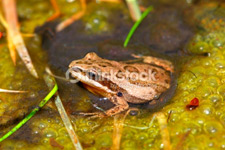
Chorus frog vocalizing
Photo: © Raymond Belhumeur
Under Section 80 of SARA, if the competent minister is of the opinion that a listed wildlife species is facing imminent threats to its survival or recovery, the Minister must recommend to the Governor in Council an Emergency Protection Order to provide for its protection.
Based on the best available information, including the most recent science, the Minister of the Environment determined that the Western Chorus Frog (Great Lakes / St. Lawrence – Canadian Shield population), is facing an imminent threat to its recovery, as a result of development in the Bois de la Commune, La Prairie, Quebec. This determination was announced on December 5, 2015. Further to this determination, SARA requires the Minister to recommend to the Governor in Council an emergency protection order for this species and its habitat. The final decision on whether or not to issue the emergency order rests with the Governor in Council.
The imminent threat assessment for this wildlife species was based on a detailed scientific review of the species’ status and threats to its survival and recovery. Information was sought from provincial governments, federal organizations, municipalities, conservation authorities and experts to inform the imminent threat assessment.
The Imminent Threat Assessment, the Science Assessment and the Protection Assessment are published on the Species at Risk Registry.
Estimated population of sage-grouse in Canada
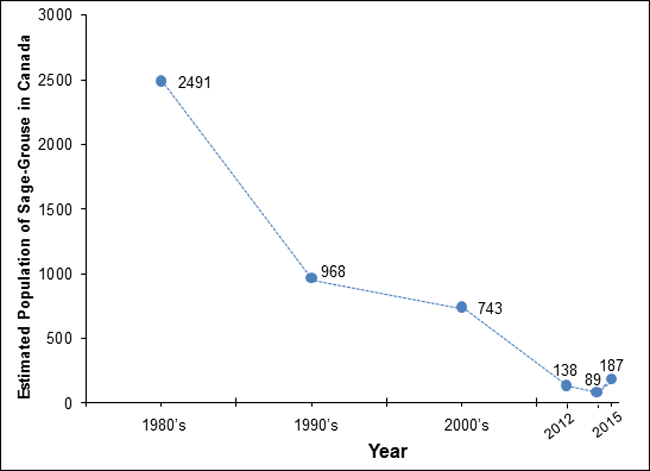
Long description of Figure
In 2013, an Emergency Protection Order was invoked for the Greater Sage-Grouse following a rapid decline to critically-low numbers. The population has now increased marginally from estimates of 80 to 187 between 2013 and 2015.
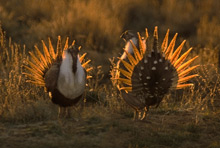
Sage Grouse. Photo © ThinkStock
The Order protects the habitat necessary for the survival of the species. Over the past three years, ECCC’s Habitat Stewardship Program (HSP) fund has contributed $1.5 million to projects within the range of Sage-Grouse. These projects have in turn leveraged an additional $1.5 million for a total investment of over $3 million in stewardship projects to support the recovery of Sage-Grouse and associated species at risk.
In addition to HSP, a new fund specifically for projects in agricultural landscapes was initiated in 2014. This fund is called Species at Risk Partnerships on Agricultural Land (SARPAL) and it will contribute an additional $5.9 million over the next four years to manage and enhance habitat for the benefit of Sage-Grouse and associated grassland species at risk.
ECCC, the Government of Alberta and Parks Canada Agency are collaborating with the Calgary Zoo on a captive breeding program designed to support the long-term recovery of the population.
- 5.1 Legislative requirements
- 5.2 Recovery planning activities in 2015
- 5.2.1 Recovery strategies
- 5.2.2 Identification of critical habitat
- 5.2.3 Action plans
- 5.2.4 Management plans
Under SARA, the competent ministers must prepare recovery strategies and action plans for species listed as extirpated, endangered or threatened and management plans for those listed as special concern. Recovery strategies identify threats to the species and its habitat, identify critical habitat to the extent possible, and set population and distribution objectives for the species. Action plans outline the projects or activities required to meet the objectives outlined in the recovery strategy. This includes information on the species habitat, protection measures, and an evaluation of the socio-economic costs and benefits. Management plans identify conservation measures needed to prevent a species listed as special concern from becoming threatened or endangered, but do not identify critical habitat.
Tables 6a and 6b shows the required timelines for developing recovery strategies and management plans. The timelines for developing action plans are set within the recovery strategies. Posting of SARA recovery documents is the responsibility of the federal competent minister for the species; however, they must be developed, to the extent possible, in cooperation and consultation with all relevant jurisdictions and directly affected parties.
| Recovery strategy for Endangered species | Recovery strategy for Threatened or Extirpated species | Management plan for species of Special Concern |
|---|---|---|
|
1
|
2
|
3
|
| Recovery strategy for Endangered species | Recovery strategy for Threatened species | Management plan for species of Special Concern |
|---|---|---|
|
3
|
4
|
5
|
Proposed recovery strategies, action plans and management plans are posted on the Species at Risk Public Registry for a 60-day public comment period. The competent ministers consider comments and make changes where appropriate. The final recovery strategy action plan or management plan, as applicable, is to be published in the public registry within 30 days after the expiry of the public comment period. Five years after a recovery strategy, action plan or management plan comes into effect, the competent Minister must report on progress made toward achieving the stated objectives.
In 2014, ECCC published a plan to publish overdue proposed recovery strategies and management plans for 192 species over three years in a prioritized manner based on consideration of immediate threats and population declines as well as program priorities and information availability. The posting plan and progress in publishing proposed recovery strategies and management plans to date are available on the Species at Risk Public Registry.
Fisheries and Oceans developed a posting plan in 2015 for publishing recovery strategies, management plans and action plans for 64 species to be published in early 2016.
In 2015, ECCC posted proposed recovery strategies for 34 species and final recovery strategies for 17 species. Parks Canada completed and posted a final recovery strategy for one species. New recovery strategies that were posted on the Species at Risk Public Registry are listed in Table 7. Fisheries and Oceans worked on a number of outstanding Recovery Strategies in preparation for posting in 2016.
| Competent department | Proposed recovery strategies: Species | Final recovery strategies: Species |
|---|---|---|
| Environment and Climate Change Canada |
|
|
| Parks Canada Agency |
|
Case study: Recovery Strategy for the Little Brown Myotis, Northern Myotis and Tri-colored Bat in Canada
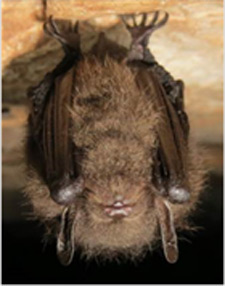 Tri-colored Bat
Photo: © H. Broders
Tri-colored Bat has been recorded in Ontario, Quebec, New Brunswick, and Nova Scotia, and 10% of its global range is estimated to occur in Canada.
The three species were emergency listed as Endangered on Schedule 1 of SARA in 2014 because of sudden and dramatic declines throughout much of the eastern Canadian ranges of Little Brown Myotis and Northern Myotis, and throughout the entire Canadian range of Tri-colored Bat. These declines are the direct result of white-nose syndrome (WNS) which is caused by a highly contagious and deadly fungus likely originating from Europe, and which was first detected in Canada in 2010.
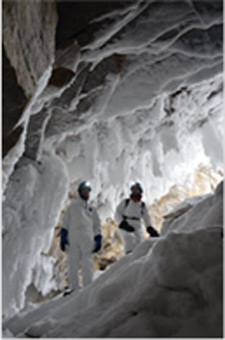 Parks Canada staff observe protocol in cave
Photo: S. Irwin © PCA
ECCC, in cooperation with Parks Canada, provinces and territories of Canada, species experts, Sahtu Renewable Resources Board, and Wek’èezhìi Renewable Resources Board developed the proposed “Recovery Strategy for Little Brown Myotis (Myotis lucifugus), Northern Myotis (Myotis septentrionalis), and Tri-colored Bat (Perimyotis subflavus) in Canada” in 2015. Critical habitat for the three species is partially identified in the proposed recovery strategy as hibernacula used by the species for overwintering since 1995. A schedule of studies was developed to allow for the identification of additional critical habitat. The Government of Canada will continue to work cooperatively across jurisdictions and with Canadians to promote the recovery and protection these three species of bats.
Little Brown Myotis (Myotis lucifugus), Northern Myotis (Myotis septentrionalis), and Tri-colored Bat (Perimyotis subflavus) are small species of bats that use echolocation to find their insect prey. Little Brown Myotis and Northern Myotis have been confirmed in every province and territory except Nunavut, where Little Brown Myotis has been recorded but not confirmed. Approximately 50% and 40% of their global ranges occur in Canada, respectively.
The Canada National Parks Act prohibits entry to the caves bats inhabit, unless a Superintendent’s Notice is posted at the entrance or written authorization is obtained from the site Superintendent. By entering caves, people can unintentionally spread the fungal spores. Limited entry minimizes the risk of spreading the disease.
Parks Canada, in partnership with the Canadian Wildlife Health Cooperative (CWHC) and in collaboration with a review committee made up of internal and external experts from various organizations, including ECCC, has produced a video on how to use the National Decontamination Protocol developed by the CWHC. The video has been distributed to several Canadian and American organizations and is available on YouTube.
For more information download a portable document format of the Decontamination Protocol (865 kilobytes) from the CWHC website.
SARA defines “critical habitat” as the habitat that is necessary for the survival or recovery of a listed wildlife species and that is identified as the species’ critical habitat in the recovery strategy or in an action plan for the species. Competent ministers must identify critical habitat to the extent possible, based on the best available information, in recovery strategies and action plans.
In 2015, ECCC published final recovery strategies in which critical habitat was identified for 16 species, and proposed recovery strategies in which critical habitat was identified for 21 species.
Fisheries and Oceans continued to work on critical habitat identification in recovery strategies for a number of specie.
Parks Canada identified critical habitat for the species for which it published a final recovery strategy in 2015 (Massasauga). Parks Canada also identified critical habitat for the Piping Plover melodus subspecies in the proposed Action Plan for Gros Morne National Park of Canada posted on the Species at Risk Public Registry.
An action plan identifies the conservation measures required to meet the population and distribution objectives outlined in the recovery strategy. An action plan must also to the extent possible identify critical habitat or complete the identification of critical habitat if it is not fully identified in the recovery strategy. An action plan includes information on measures proposed to protect that critical habitat, methods proposed to monitor the recovery of the species, and an evaluation of the socio-economic costs of the action plan and benefits to be derived from its implementation.
In 2015, ECCC posted final action plans for four species (Cucumber Tree, Green-scaled Willow, Horned Grebe and Roseate Tern).
Also in 2015, Parks Canada continued its site-based, multispecies approach for action plans that will prioritize conservation actions for the suite of species at risk found in Parks Canada heritage places. At the end of 2015, multi-species action plans covering two heritage places (Thousand Islands National Park of Canada and Gros Morne National Park of Canada) were posted as proposed on the SARA Registry.

Species of special concern are those that may become threatened or endangered because of a combination of biological characteristics and identified threats. SARA requires competent ministers to prepare management plans for species of special concern. A management plan differs from a recovery strategy and an action plan in that it identifies conservation measures needed to prevent a species of special concern from becoming threatened or endangered but does not identify critical habitat. Where appropriate, these management plans may be prepared for multiple species on an ecosystem or landscape level.
Case study: Atlantic Coastal Plain Flora
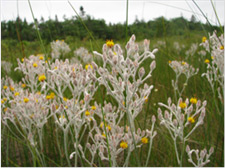
Goldencrest, an herbaceous plant from the Atlantic Coastal Plain Flora
Photo: © Megan Crowley
The Atlantic Coastal Plain Flora (ACPF) is a group of 98 taxonomically unrelated herbaceous plants including flowering plants, shrubs, and herbs in Nova Scotia (NS). ACPF are generally small, slow growing, and occur in habitats such as lake shorelines, fens, bogs, and estuaries. Of the 98 ACPF species, 10 are listed under both the SARA and the Nova Scotia Endangered Species Act (NS ESA) and a further three are listed only under the NS ESA. Globally, NS contains some of the largest remaining areas of intact coastal plain habitat, which highlights the importance of maintaining NS's ACPF habitat and species. Approximately 70% of the province is privately owned and the majority of ACPF species and locations occur on private land, requiring a diversity of recovery approaches.
ACPF species are at risk as a result of both biologically limiting factors and anthropogenic threats. Most threats are due to human activities that are increasingly affecting the species and their habitat. High priority threats include cottage and residential development, shoreline alterations, nutrient pollution from animal husbandry, off-highway vehicle use, infilling, peat mining and cranberry growing.
In 2015, with the support of the Government of Nova Scotia, an amended multi-species Recovery Strategy and Management Plan for ACPF was published, building on the 2010 Recovery Strategy and Management Plan. The Recovery Strategy and Management Plan includes all 13 listed ACPF species within the context of all 98 ACPF species. The strategy aims to not only aid in the recovery of the legally listed ACPF species at risk, but also prevent additional ACPF species from becoming at risk.
In 2015, ECCC posted proposed management plans for 16 species and final management plans for 17 species. Fisheries and Oceans posted a proposed management plan for one species. Parks Canada posted a final management plan for one species. The species for which management plans were posted in 2015 are listed in Table 8.
| Competent department | Proposed management plans: Species | Final management plans: Species |
|---|---|---|
| Environment and Climate Change Canada |
|
|
| Fisheries and Oceans Canada |
|
|
| Parks Canada Agency |
|
|
Critical habitat protection under Species at Risk Act (SARA) depend on the type of species (aquatic, terrestrial, migratory bird), and the location of the critical habitat (federal protected area, other federal lands, non-federal lands).
Subsections 58(1) and 61(1) of SARA make it an offence to destroy critical habitat. However, these prohibitions do not automatically apply when critical habitat is identified.
If critical habitat for any species is identified in a federal protected area named under subsection 58(2), SARA requires that a description of that critical habitat be published in the Canada Gazette within 90 days after the critical habitat is identified in a final recovery strategy or action plan that is posted on the Species at Risk Public Registry. Subsection 58(1) of SARA prohibiting destruction of critical habitat comes into effect a further 90 days after the date of publication of that critical habitat’s description in the Canada Gazette.
Case study: Collaborative efforts to Protect Trout Species Habitat in Alberta
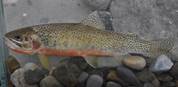
Westslope Cutthroat Trout. Photo: Shane Petry © Fisheries and Oceans
The Westslope Cutthroat Trout (WCT) is one of two Cutthroat Trout sub-species occurring naturally in Canada. The Alberta population is listed as Threatened under SARA and the last Committee on the Status of Endangered Wildlife in Canada (COSEWIC) assessment. The number of mature individuals is only an estimated 5100.
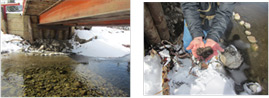
Sites showing unsuitable fill material used for stabilization, impacting the habitat and spawning areas for Westslope Cutthroat Trout. Photo: © Fisheries and Oceans Canada
The greatest threats to the WCT in Alberta include habitat loss, overharvesting and the introduction of non-native species. Habitat degradation and loss due to timber extraction, mining and hydroelectric developments have been directly responsible for loss of habitat and the decline of several populations. In addition, the resulting network of roads impacts remote, small streams and leads to greater off-road vehicular traffic. This further degrades sensitive habitat and increases angling pressure on this already popular sportfish.
A critical habitat protection order was put into place in 2015. Fisheries and Oceans has worked with provincial wildlife conservation staff to share knowledge and build relationships which will help to protect the trout. A range of compliance and enforcement activities have been implemented including; outreach and education, integrated land use planning, strategic regulatory sign placement, targeted site visits, environmental restoration opportunities (fine leveraging), strategic investigations that result in deterrence, collaboration with the Alberta Government and Partners.
To read more on restoration efforts for the WCT such as in Banff national park refer to the Parks Canada website at or the July 2015 Calgary Herald article.
In 2015, Environment and Climate change Canada (ECCC) protected critical habitat for 10 species in 5 National Wildlife Areas (NWAs), a National Park and a Migratory Bird Sanctuary (MBS).
- Ivory Gull (Seymour Island Bird Sanctuary);
- Horned Grebe (Pointe de l’Est NWA);
- Gold-edged Gem (Canadian Forces Base (CFB) Suffield NWA);
- Ord’s Kangaroo Rat (CFB Suffield NWA);
- Slender Mouse-ear-cress (CFB Suffield NWA and Prairie NWA);
- Small-flowered Sand-verbena (CFB Suffield NWA);
- Sprague’s Pipit (CFB Suffield NWA and Last Mountain Lake NWA);
- Tiny Cryptantha (CFB Suffield NWA);
- Pacific Water Shrew (Widgeon Valley NWA);
- Loggerhead Shrike excubitorides subspecies (CFB Suffield NWA)
In 2015, Parks Canada protected critical habitat for five species in three National Parks:
- Forked Three-awned Grass (Georgian Bay Islands National Park of Canada)
- Greater Sage-Grouse urophasianus subspecies (Grasslands National Park of Canada)
- Greater Short-horned Lizard (Grasslands National Park of Canada)
- Kentucky Coffee-tree (Point Pelee - Middle Island - National Park of Canada)
- Sprague's Pipit (Grasslands National Park of Canada)
Outside of federal protected areas, for critical habitat identified on other federal lands and for aquatic species, the competent minister has 180 days after the final recovery strategy or action plan that identified critical habitat is posted on the SAR Public Registry to either:
- include on the registry a statement setting out how existing “legal protection” from SARA or another Act of Parliament protects critical habitat or portions of that habitat; or
- make an order to provide protection by bringing the subsection 58(1) prohibition into effect.
In 2015, ECCC did not post any protection statements on the public registry or make any orders to protect critical habitat on federal lands other than NWA, National Parks and MBSs. Both ECCC and the Parks Canada are making efforts to finalize protection measures for critical habitat of other species on federal lands they administer.
Provinces and territories have the primary responsibility to protect critical habitat for terrestrial species and migratory birds on provincial, territorial and private lands. If, after consultation with the appropriate provincial or territorial minister or, if applicable, the wildlife management board, the Minister of the Environment is of the opinion that there is no provision in, or other measures under SARA or any other Act of Parliament including s.11 agreements and that the laws of the province or territory do not effectively protect critical habitat, the Minister is required to recommend to the Governor in Council that an order be made to apply the prohibition in subsection 61(1) of SARA. The final decision whether to put protection in place rests with the Governor in Council. In 2015, the Governor in Council did not issue any such orders under SARA.
In 2015, ECCC continued to lead and support numerous activities to support the recovery of species at risk, including research projects, education and awareness, habitat restoration and enhancement initiatives, monitoring, and assessment.
Case study: A search for Kirtland’s Warbler Habitat
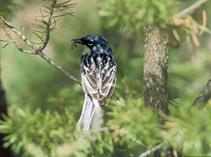 Kirtland’s Warbler
Photo: © United States (U.S.) Fish & Wildlife
Kirtland’s Warblers are rare in Canada; there have been approximately 100 recorded sightings between 1900 and 2015 and only two confirmed breeding sites. The Kirtland’s Warbler breeds mostly in Michigan, but its breeding range also extends to Wisconsin, Ontario and possibly Quebec. Since active habitat management began, the population in Michigan has increased from 167 males in 1974 to 2344 males in 2015. Evidence that birds are looking for potential breeding habitat within Ontario continues to increase. In addition to the breeding population at Garrison Petawawa, singing males were documented at two locations along the east shore of Georgian Bay in 2015.
ECCC has been actively conducting and coordinating bird and habitat surveys for Kirtland’s Warbler since 2007 (mainly in northern Ontario) in conjunction with various partners, including the Faculty of Forestry, University of Toronto, the Ontario Ministry of Natural Resources and Forestry, Natural Resources Canada, and Savanta Inc. This work included placing song meters in remote habitat to detect this rare species. One bird was recorded in northern Ontario on one day in 2012 near Elliot Lake, the first year song meters were utilized. Since then no additional birds have been recorded.
In 2015, a project began to create breeding habitat for the Kirtland Warbler. Suitable areas were evaluated along the north shore of Lake Huron and in Simcoe and Dufferin Counties. Each of these areas contains the sandy soils necessary for Jack or Red Pine forests/plantations that Kirtland’s Warblers require for breeding. Discussions with potential partners are on-going as are the surveys for birds and other potential locations to create habitat. ECCC will work with the province to encourage prospective partners to establish habitat for the species.
In its eighth year, Fisheries and Ocean’s Marine Mammal Response Program departmental personnel and external partner organizations played key roles in marine animal emergency response. They carried out 161 responses nationally for species at risk. Responses included freeing whales from fishing gear entanglements, monitoring close approaches by vessels, refloating live stranded animals, reuniting stranded animals with their pods, performing necropsies on dead animals to determine cause of death, and investigating incidents of harassment. Information from response activities help Fisheries and Oceans monitor and evaluate the threat level from these forms of harm and find ways to reduce entanglements and vessel collisions. Outreach activities also form an important part of the work done to educate the public with respect to ways to help protect and avoid harming marine animals.
In 2015, Parks Canada continued to implement recovery activities in and around protected heritage places, including research, restoration activities, and public outreach and education. Several Parks Canada projects are conducted in partnership with non-governmental organizations, academic institutions, private citizens and indigenous communities. This work includes a number of major initiatives to restore and protect important habitat and implement key recovery actions for species at risk. Conservation and Restoration (CoRe) project funds were also used to plant disease resistant seedlings of whitebark pine in Waterton Lakes National Park and to conduct genetic analyses of red mulberry in Point Pelee National Park.
Case study: The reintroduction of the inner Bay of Fundy population of Atlantic salmon
On October 14th 2015, following an extraordinary effort by Parks Canada and its partners, 360 Inner Bay of Fundy adult Atlantic salmon were released into the Upper Salmon River of Fundy National Park (FNP) in Southern New Brunswick.
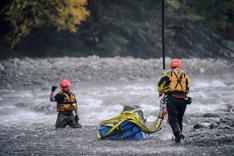 FNP staff releasing salmon
Photo: © Nigel Fearon
This iconic and endangered species used to return to Fundy National Park’s rivers by the thousands, but for the past 20 years their numbers have hovered near zero. By 1999, it was estimated that fewer than 250 adult salmon returned to spawn in the rivers of the entire inner Bay of Fundy. In the Point Wolfe and Upper Salmon rivers – both within FNP – annual returns were often in the single digits. The inner Bay of Fundy population of Atlantic salmon was listed as endangered under the Species at Risk Act in 2003.
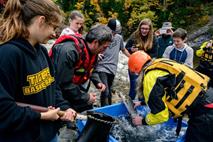 Students from Caledonia Regional High help with a salmon release
Photo: © Nigel Fearon
These releases are the first momentous steps in a multi-year project to raise and re-establish a viable population of Inner Bay of Fundy Atlantic salmon. Work began on October 13 to collect the adult salmon – reared in sea cages along Grand Manan Island – and transport them to mainland New Brunswick, where they stayed overnight in tanks before being successfully released at a historic salmon pool known as The Forks.
Releasing adult salmon into the Upper Salmon River will allow them to spawn naturally in the stream, laying the eggs of a future generation which will spend their entire lives in the wild. Adult releases in subsequent years will lead to multiple generations of wild exposed salmon, which research shows will have a higher fitness than fish reared in conventional hatchery environment.
The success of this Conservation and Restoration recovery program, now and in the future, is directly related to the strength of key collaborations. Partners include Fort Folly First Nation, Cooke Aquaculture, University of New Brunswick, Fisheries and Oceans, the Province of New Brunswick, Huntsman Marine Centre, Atlantic Canada Fish Farmers Association, and the Fundy National Park team.
ECCC’s Habitat Stewardship Program (HSP) for Species at Risk was established in 2000 as part of the National Strategy for the Protection of Species at Risk. The overall goals of the HSP are to contribute to the recovery of endangered, threatened and other species at risk, and to prevent other species from becoming a conservation concern, by engaging Canadians from all walks of life in conservation actions to benefit wildlife.
The most complete data available for HSP is for the 2014–2015 fiscal year. In 2014, the HSP was strengthened, making funding available to support stewardship projects that proactively prevent species, other than species at risk, from becoming a conservation concern, in addition to expanding the funding for species at risk.
Starting in 2014–2015, funding under the HSP was separated into two streams: the Species at Risk Stream and the Prevention Stream.
- The HSP Species at Risk Stream focuses on projects addressing the recovery of species at risk listed on Schedule 1 of the Species at Risk Act (SARA). Goals are focused on:
securing or protecting important habitat for the recovery of species at risk;
improving, through restoration/enhancement, or managing important habitat to meet the recovery needs of species at risk;
removing or mitigating threats to species at risk or their habitat caused by human activities; or
engaging Canadians (landowners, resource users, volunteers) to participate directly in activities that support the recovery of species at risk so that project benefits are sustained over time.
Case study: HSP SAR Stream Piping Plover and Beach Habitat Stewardship in Nova Scotia and Southeastern New Brunswick
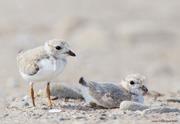 Piping Plover chicks Photo: © John Chardine
The Piping Plover (melodus subspecies) (listed as endangered under SARA) is a small shorebird that breeds along the Atlantic coast, nesting above the high-water mark on exposed sandy or gravelly beaches. The Piping Plover faces significant threats caused by human use of beaches and the consequent human disturbance around nesting sites, in particular from coastal development, recreational activities and motorized vehicle use. With support from the HSP - Species at Risk Stream, Bird Studies Canada (BSC) is leading a three-year project from 2014–2015 to 2016–2017 in collaboration with other agencies and partners to conduct habitat stewardship activities to protect coastal beaches and dunes, the breeding habitat of the Piping Plover.
A big part of BSC’s work on beaches is focused on fostering a culture of stewardship among beachgoers. The first year of the project is off to a great start. In 2014–2015, BSC coordinated 143 volunteers and 14 partners to monitor Piping Plover, protect habitat and educate beachgoers at 29 beaches throughout Nova Scotia and Southeastern New Brunswick (most of which were sites identified as critical habitat).
They protected the habitat of 67 nesting pairs of Piping Plover by patrolling nest areas to limit threats from human recreational activities (such as walking dogs off-leash), installing signs and fencing, removing predator-attracting garbage, and identifying and reporting threats. BSC also conducted targeted outreach to youth in communities near beach habitats threatened by motorized vehicles. BSC educated them about Piping Plover and engaged them in creating signs that discourage vehicle use near nesting sites. BSC also worked closely with local landowners and other coastal stakeholders such as municipalities, businesses and community groups to integrate best practices for beach habitat management into decision making, management policies and plans, and coastal conservation efforts. The stewardship approaches and results from this project will be shared with regional, national and international partners from overwintering sites in the U.S.A. and Caribbean in order to promote collaboration across the species range.
HSP funding of this project will make a significant contribution to the overall quality of habitat for the Piping Plover in Nova Scotia and Southeastern New Brunswick, addressing many of the high priority threats outlined in the Piping Plover Recovery Strategy and contributing directly to the long-term goal of increasing the number of breeding pairs.
- The HSP Prevention Stream focuses on projects addressing other species, beyond those listed on Schedule 1 of SARA to prevent them from becoming a conservation concern.
- The HSP is co-managed by ECCC, Fisheries and Oceans, and Parks Canada, and administered by ECCC on a regional basis. Regional Implementation Boards include representatives from federal, provincial and territorial governments, and other stakeholders. These boards provide advice on priorities and project selection for their regions. Between its inception and the end of March 2015, the HSP Species at Risk Stream has contributed over $151.5 million in over 2400 projects, benefiting more than 420 species at risk and leveraging more than $380 million from project partners. The program also supports the legal protection of over 187 000 hectares of land the improvement or restoration of more than 390 000 ha of land and 2900 km of shoreline.
- During the 2014–2015 fiscal year, 104 new projects and 72 previously approved multi-year projects involving 150 funding recipients contributed to the recovery of over 350 SARA-listed species across Canada. A total of $12.6 million in HSP funding was awarded to these projects, and an additional $55.5 million (cash and in-kind) was leveraged from partners, for a total investment of $68.1 million. These contributions provided support to stewardship efforts across Canada that resulted in the securement and protection of just over 111 000 hectares (ha) of land, including over 3 700 ha through legally binding means, such as acquisition or conservation easements. Non-legally binding protection was put in place through the use of written conservation agreements with landowners, which accounts for 44,000 ha, including over 24,000 ha through renewed conservation agreements and over 20,000 ha through new conservation agreements. The program also supported the improvement or restoration of more than 25 300 ha of land and 120 km of shoreline.
- In its first year of operation, 2014–2015, the HSP Prevention Stream contributed $2,593,358 to support 81 local conservation projects to prevent species other than species at risk from becoming a conservation concern.
Case study: HSP Prevention Stream Protecting priority species in the Mont Saint-Hilaire Biosphere Reserve
The Mont Saint-Hilaire Biosphere Reserve is located in the Montérégie region of Quebec, near Montreal. With the support of the Habitat Stewardship Program - Prevention Stream, the Mont Saint-Hilaire Nature Centre implemented a project in 2014–2015 in the Mont Saint-Hilaire Biosphere Reserve aimed at maintaining the habitat quality of several species of interest, whose natural environments are threatened by urban development and agriculture. These species included Shagbark Hickory (assessed as “sensitive” in Quebec by the General Status of Species in Canada), Slender Wood Sedge (assessed as “may be at risk” in Quebec by the General Status of Species in Canada and designated as “Endangered” under the Quebec provincial legislation) and several species of corticolous bryophytes (i.e., mosses and liverworts that live on tree trunks) which were assessed as “may be at risk” in Quebec by the General Status of Species in Canada.
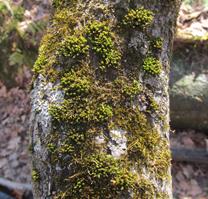 Moss on tree trunk Photo: © ECCC
In order to maintain the quality of the habitat of the targeted species and decrease forest fragmentation within the biosphere reserve, the Mont Saint-Hilaire Nature Centre purchased a 1.17 ha natural area adjacent to the protected area. An analysis to set conservation priorities for other properties surrounding the existing protected areas within the biosphere reserve, based on their ecological significance, was also carried out. Additionally, the centre initiated the process for designating 25 ha of land as an “exceptional forest ecosystem” to protect Shagbark Hickory habitat (200 trees were inventoried). Since one of the only known populations of Slender Wood Sedge in Quebec is found within the biosphere reserve, the Mont-Saint Hilaire Nature Centre used some of the HSP funding to develop a provincial conservation plan for this species. They also conducted inventories to identify which species of corticolous bryophytes were found within the reserve (31 species were identified, 6 of which are rare in Quebec (Natureserve)). Project funding was also used to install signage restricting access by motorized vehicles to protected areas within the biosphere reserve and to develop a GIS data sharing platform for residents and decision-makers to share data on wetlands and natural areas of interest.
Through this project, the Mont Saint-Hilaire Nature Centre has taken concrete actions that contribute to the long-term maintenance of the habitat of several of the species of interest that occur in the Mont Saint-Hilaire Biosphere Reserve and that are of conservation concern within Quebec.
The Aboriginal Fund for Species at Risk (AFSAR), established in 2004, helps indigenous organizations and communities across Canada build capacity to participate in the conservation and recovery of species at risk. The program also helps to protect and recover critical habitat or habitat important for species at risk on or near First Nations reserves or on land and waters traditionally used by indigenous peoples.
In 2014, the AFSAR program was strengthened such that funding became available to support projects that will proactively prevent species, other than species at risk, from becoming a conservation concern, in addition to expanding the funding for species at risk.
The most complete data available for AFSAR is for the 2014–2015 fiscal year. Like HSP, funding under AFSAR was separated into two streams in 2014–2015: the Species at Risk Stream and the Prevention Stream.
- The AFSAR Species at Risk Stream focuses on projects addressing the recovery of species at risk listed on Schedule 1 of SARA, targeting results in four main areas:
- strengthening capacity in indigenous communities for SARA implementation.
- mitigating threats to species at risk, be they individuals or populations.
- protecting, improving or managing critical and important habitat of species at risk.
- documenting and conserving Aboriginal Traditional Knowledge and Traditional Ecological Knowledge on species at risk and, where appropriate, helping ensure their use in the development of recovery objectives.
- The AFSAR Prevention Stream focuses on projects addressing other species, beyond those listed on SARA, to prevent them from becoming a conservation concern. It targets the same results as the Species at Risk Stream but with a focus on species beyond those listed on Schedule 1 of SARA.
AFSAR is co-managed by ECCC, Fisheries and Oceans, and the Parks Canada, with the support of Indigenous and Northern Affairs Canada and the guidance of National Aboriginal organizations. It is administered by ECCC and Fisheries and Oceans on a regional basis. Regional Management Teams include representatives from federal, provincial and territorial governments, indigenous representatives, and other stakeholders. These teams provide advice on priorities and project selection for their regions. Between its inception in 2004 and the end of March 2015, the AFSAR Species at Risk Stream has contributed more than $29.4 million to 790 projects, leveraging more than $19.8 million in matching funds from project partners. Funded projects benefited more than 280 SARA-listed species and supported the improvement or restoration of more than 13 000 ha of land and 180 km of shoreline.
Case study: Territorial monitoring and community outreach to conserve cetacean species at risk
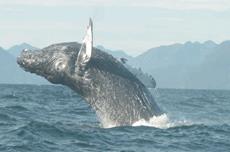 Humpback Whale © John Ford, Fisheries and Oceans
Anthropogenic threats to whales are increasing, including commercial fisheries entanglement, acoustic disturbance and ship-strikes from vessel traffic, as well as oil and other toxic chemical discharges/spills.
In the 2014–2015 fiscal year, the AFSAR program awarded Gitga’at First Nation $36,500 to support expanded cetacean conservation and recovery activities in priority habitat areas along the Pacific North Coast. Efforts focused on the central and northern portions of Douglas Channel, Southern Principe Channel, Nepean Sound and Estevan Sound, with Humpback, Fin, and Northern Resident and Transient Killer whale populations being the key species at risk.
During the course of the project, the Gitga’at Lands and Resources Department conducted systematic surveys of cetacean habitat and species abundance in the targeted territory, contributing to a more complete picture of habitat use that can be applied to marine planning (e.g. shipping corridors). Meanwhile, Gitga’at Guardians conducted year-round, vessel-based patrols, engaging with boaters and other vessel operators in Gitga’at traditional territory, informing them of cetacean conservation issues and documenting and reporting incidents of species’ harassment, entanglement or other potentially harmful interactions.
Taken together, the work carried out by Gitga’at First Nation enhanced the monitoring of critical habitat for cetacean species at risk, and actively sought to reduce the number of harmful whale-human interactions through public engagement and community outreach.
During the 2014–2015 fiscal year, AFSAR provided $4.0 million for 63 new projects and 25 previously approved multi-year projects, of which almost $1.3 million targeted aquatic species at risk. These projects leveraged additional funds that exceeded $3 million (cash and in-kind) and involved 75 Aboriginal organizations and communities as recipients. Funded projects benefited 39 SARA-listed species, mostly through increased Aboriginal awareness of species at risk and through the development of strategies, guidelines and practices or the completion of monitoring studies, surveys and inventories.
In its first year of operation, 2014–2015, the AFSAR prevention stream has contributed $635, 520 to support 23 local conservation projects to prevent species other than species at risk from becoming a conservation concern. These projects involved 17 Aboriginal organizations and communities as recipients.
Established in 2002, the Interdepartmental Recovery Fund (IRF), administered by ECCC, supports species at risk projects undertaken by federal government departments, agencies and Crown corporations (other than ECCC, Fisheries and Oceans, and Parks Canada). Funded projects predominantly occur on lands owned or administered by federal organizations and directly relate to the implementation of activities identified in recovery strategies or action plans, or surveys of species at risk. Between its inception and the end of March 2015, the IRF has invested over $21.0 million in 683 projects which supported recovery efforts for 310 SARA-listed species. Since its inception, 72% of program funds supported recovery actions, while 25% supported surveys, 1% supported planning and 2% supported compliance.
In the 2014–2015 fiscal year, the IRF supported 26 projects in six federal departments and two Crown corporations. Collectively, $1.1 million in program funding and $1.2 million (cash and in-kind) from project leads and other partners supported recovery efforts for 55 SARA-listed species. In 2014–2015, 73% of program funds supported recovery actions, while 27% supported surveys and one planning project.
Compliance promotion, outreach and education are essential in providing all Canadians with the information they require to play a meaningful role in the conservation of wildlife species and their habitats. In 2015, ECCC produced and delivered information in various forms to educate individuals, communities and the general public about the role they can play in protecting species at risk and their habitats.
In support of a 2014 Emergency Listing Order for three species of bats, fact sheets were produced and published on the SAR Public Registry to inform the forestry sector and federal land managers of how the Emergency Listing Order may affect their activities. In addition, ECCC promoted other fact sheets on bats, which include profiles of the three bat species, how to manage bats in buildings, and targeted bats fact sheets for specific sectors such as wind energy, mining, and caving tourism. A fact sheet for agricultural producers to explain the Greater Sage-Grouse Recovery Strategy was also published on the SARA Public Registry in 2015. This was a follow-up to previously published fact sheets and Questions and Answers related to the 2013 Emergency Protection Order for the Greater Sage-Grouse.
ECCC continues to educate Canadians about species at risk through its longstanding partnership with the Canadian Wildlife Federation in delivering the Hinterland Who’s Who wildlife education program, and by developing and publishing species profiles on the Species at Risk Public Registry.
The Parks Canada visitor experience program promotes species at risk protection through implementation of the Parks Canada Prevention Guidelines. The guidelines focus on proactive communication with visitors to highlight the connection between their actions and the effect they can have on the protection and recovery of species at risk and their habitat.
At Parks Canada, public engagement activities relating to species at risk occur in national parks, national historic sites and national marine conservation areas across the country. These activities include interpretative programs, field trips, special events and volunteer activities including participating in restoration and monitoring projects (i.e., citizen science). Through these various programs, visitors have the unique opportunity to experience first-hand the places that are key to protecting species at risk.
Case study: Leamington Monarch Trail: A Restoration Collaboration


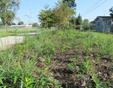 Leamington Monarch Trail Photos: © Parks Canada
The Monarch is a distinctive bright orange butterfly with heavy black veins and a wide black border containing two rows of white spots. Environmental conditions and loss of breeding habitat pose threats to their population. The species is listed as Special Concern under both SARA and COSEWIC.
Canada’s Tomato Capital may soon be redubbed the “Monarch Butterfly Capital”. What began as a request for assistance from the municipality of Leamington to increase the population of milkweed along a 500 metre section of walking and cycling trail, quickly evolved into a multi-year initiative to transform the entire 17 km trail system into a corridor of natural habitat for migrating butterflies and birds.
A strong spirit of collaboration between Point Pelee National Park and the municipality helped guarantee the project’s success. Following the advice of the Parks Canada Lake Erie Sand Spit Savannah team, the municipality prepared the restoration site by removing woody shrubs and invasive plant species from eight garden beds.
Enthusiastic promotion efforts attracted over 100 adults and student volunteers to assist with the June 2nd, 2015 planting of native grasses, wildflowers and milkweed.
To build on this momentum, this year’s planting event will be presented as a mini-festival during Earth Week. The goal in 2016 is to cover around 500 m of trail section, similar to last year’s achievement. Participants will include local school groups, civic organizations, native plant growers, horticultural groups, naturalist associations and artists.
This project is part of broader conservation and restoration efforts taking place at Point Pelee National Park to restore the Lake Erie Sand Spit Savannah habitat.
In addition, Parks Canada has a number of outreach programs that focus on reaching youth, families and new Canadians in urban areas in order to increase awareness understanding and foster support for species at risk protection and recovery. In 2015, efforts included outreach programs about species at risk at special events and festivals, and at several partner venues (e.g., zoos and aquariums) in large cities such as Toronto, Montréal, Vancouver, Winnipeg and Calgary. Parks Canada species at risk stories were also shared through the Parks Canada website, social media channels, traditional media and organizations that reach out to the public with various programs, articles and websites.
Fisheries and Oceans continued working with partners to provide education and outreach activities such as school visits, trade shows, workshops, and industry and community meetings on the threats to aquatic species at risk and how to help protect these species. Some examples include:
- training on sea turtle dehooking provided by the Canadian Sea Turtle Network in Nova Scotia;
- sharing important information with the fishing industry on handling situations related to SARA aquatic listed species and fishing gear interactions; and
- training for fishery officers on marine animal rescue offered by Fisheries and Oceans and the Marine Animal Rescue Society in October 2015 in Shediac, New Brunswick.
During 2015, Fisheries and Oceans provided web-based training or met face-to-face with over 580 members of stakeholder groups and partner agencies across southern Ontario. Particular emphasis was placed on broadening awareness of aquatic (fish/mussel) species at risk protection and recovery and the new Fisheries Protection Program – Species at Risk Program integrated approach for project reviews under the Fisheries Act and Species at Risk Act. Land stewards, municipal, regional and provincial agency staff, consultants, home building industry representatives, youth, private industry and watersport outfitters were engaged, and opportunities for collaboration on protecting aquatic species at risk were explored.
In the Newfoundland and Labrador region, Fisheries and Oceans educate people about human/whale interaction, urging them to keep a safe distance from whales, several of which are species at risk. One particular incident involving a lone juvenile Beluga whale in a local harbour provided a communications opportunity. Through the media and interactions with the public, the Department was able to sensitize people to the needs of the animal and raise awareness about the dangers of attempting to swim with the whale. These outreach activities allowed the Department to minimize stressful interactions and enable the whale to leave the harbour unharmed.
Case study: Knowledge Helps Species at Risk School Initiative
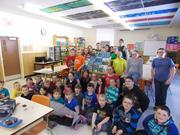 Hampden Academy students with Fisheries officer Photo: © Fisheries and Oceans
If you have ever spent any time with children, you already know that they possess the incredible, innate knowledge that they are able to change the world. They appreciate that every action, no matter how small, can make a big difference. It is on this premise that the idea to develop a Fisheries and Oceans’ aquatic species at risk education and awareness project, targeting primary and elementary students, was created. The plan was proposed to develop long-term partnerships with the schools in Fisheries and Oceans’ Conservation and Protection Detachment in Newfoundland and Labrador to assist in delivering the message that ‘knowledge helps Species at Risk’.
To launch the partnership, Fishery Officers visited each school and gave interactive, age-appropriate presentations on various local aquatic species at risk and talked about how students could help. The students were given a brief overview of what ‘species at risk’ means and then introduced to the leatherback sea turtle, the beluga, and the blue whale, with interesting and fun facts on each. Students also participated in a hands-on learning activity which illustrated the various threats that impact leatherback turtle egg and hatchling survival and learned what they can do to help to improve survival rates.
Over a 5-week period, 42 Aquatic Species at Risk presentations – complete with a life-sized leatherback sea turtle and a mother beluga and her calf, a blue whale measuring tape, and a cooler full of leatherback turtle ‘eggs’ – were given to 1,166 students in 20 primary and elementary schools. Each school was left with a mobile book cart and a selection of 25 age-appropriate books on aquatic species at risk and our oceans.
Work is already underway to develop a new primary/elementary ‘Knowledge Helps Species at Risk’ presentation. The ‘Whale of a Time’ presentation hopes to build on the success of this SAR message delivery format and introduce students to additional whale species at risk.
Of the 307 species at risk that had final recovery strategies or management plans as of May 2015, 112 species have population-oriented objectives and have been reassessed since their final recovery documents were finalized.Footnote2.1 Of these 112 species, 43 (38%) have current population trends that are consistent with the objectives laid out in the recovery documents, and 40 (36%) show trends that are inconsistent with the objectives. Another nine (8%) have both some indication of improvement and some indication of decline. For the remaining 20 species (18%), there are insufficient data to determine trends.
Species require time to recover and long-lived species may require many decades. In addition, observations of rare species are often difficult to collect. The indicator results should not be interpreted as a measure of recovery success until sufficient time has passed to allow species to recover and to collect sufficient information to assess that recovery.
Determining population trends in rare species can present some challenges. Many of these individuals are difficult to find and identify. For example, the most reliable way to distinguish the threatened Eastern Ribbon Snake from the more common Eastern Garter Snake is to see which scale rows have yellow stripes: those of the Ribbon Snake fall on scale rows 3 and 4, whereas those of the Garter Snake are on scale rows 2 and 3.
Figure 1. Population trends of species at risk consistent with the objectives, May 2015
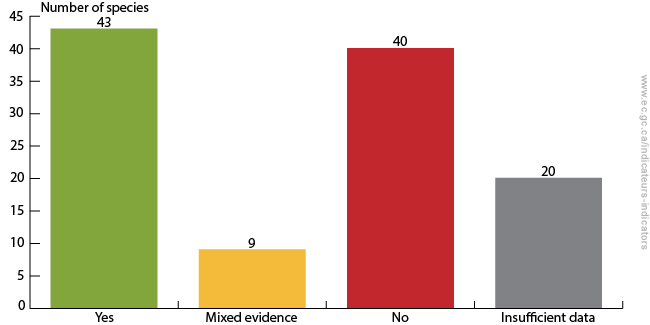
Source: Fisheries and Oceans Canada, Environment and Climate Change Canada, Parks Canada, and Committee on the Status of Endangered Wildlife in Canada Secretariat (2014).
Note: Categories are assigned based on the most recent available information, accounting as much as possible for the amount of time that has been available for recovery.
Data for this chart can be viewed on the Canadian Environmental Sustainability Indicators (CESI) program web pages.
COSEWIC: Changes in risk of wildlife species disappearance from Canada, 2015
As of May 2015, 688 wildlife species have been assessed as being Endangered, Threatened or of Special ConcernFootnote3 by COSEWIC. COSEWIC also reassesses wildlife species previously designated as being at risk. Of the 436 wildlife species that have been assessed more than once, 66% show no change in status between the two most recent assessments, 14% are in a lower risk category and 19% are in a higher risk category. Percentages may not add up to a 100% due to rounding.
Figure 2. Changes in risk of wildlife species disappearance from Canada, 2015
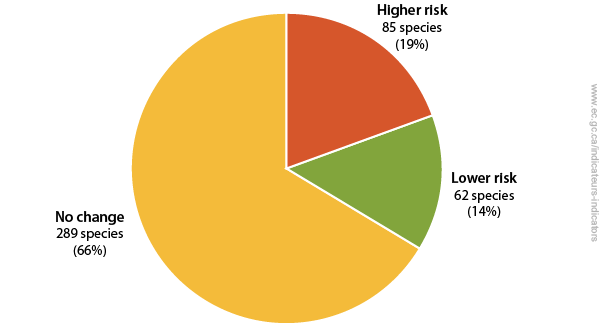
Long description of Figure 2
Note: In this analysis, "wildlife species" means a wildlife species, subspecies or a genetically or geographically distinct population. Wildlife species disappearance may refer to extinction or extirpation (i.e., a wildlife species that no longer occurs in the wild in Canada). Results from COSEWIC have been further analyzed as described in the Data Sources and Methods document.
More detailed data used for this pie chart is available on the Environmental Indicators website.
Sections 73 to 78 of Species at Risk Act (SARA) address agreements, permits, licences, orders and other instruments that authorize activities that otherwise would be offences under the Act. If all reasonable alternatives have been considered, all feasible measures have been taken to minimize the impact of the activity, and the survival or recovery of the species is not jeopardized, the competent minister may enter into an agreement or issue a permit under section 73 of SARA for the following activities:
- scientific research related to conserving a listed species, conducted by qualified persons;
- activities that benefit a listed species or enhance its chances of survival in the wild; or
- activities that incidentally affect a listed species.
ECCC, Parks Canada and Fisheries and Oceans issued a total of 339 SARA and SARA-compliant permits in 2015 for purposes of research, conservation and monitoring of listed species.
Fisheries and Oceans issued 111 SARA permits under section 73 of the Act. Fisheries and Oceans also issued 34 fishing licences for experimental, scientific, and educational purposes under section 52 of the Fishery (General) Regulations and six authorizations under paragraph 35(2)(b) of the Fisheries Act that have the same effect as a SARA permit in accordance with section 74 of SARA. Of the 151 activities permitted, 59 were for scientific research related to the conservation of a species, 18 were for other activities that benefit the species or enhance its chance of survival in the wild including such activities as monitoring surveys or marine mammal rescue, and 74 were for activities that incidentally affected the listed species such as accidental capture while undertaking research on other non-listed species or fish or mussel relocation during construction activities.
ECCC issued 25 permits under section 73 of SARA to allow for activities such as the monitoring, inventory or management of 28 species, including reptiles, amphibians, birds, vascular plants, arthropods, molluscs and mammals. Of the 25 permits issued, 9 were for scientific research related to the conservation of a species, 2 were for activities benefiting a species or required to enhance its chance of survival in the wild, 6 were for activities incidentally affecting a species and 8 were for more than one of these three purposes. ECCC also issued 147 SARA-compliant permits affecting threatened and endangered migratory bird species under the Migratory Birds Convention Act, and the Canada Wildlife Act. Details regarding delivery against service standards are available online.
Parks Canada issued 16 SARA-compliant permits, most of which were issued under the Canada National Parks Act. Of these, 11 permits covering at least 11 listed species were issued to academic and government researchers as well as Parks Canada scientists, for conservation research affecting species at risk, including inventory, population monitoring, habitat use and restoration, and conservation genetics. One permit was issued for conducting an activity necessary or beneficial to the species. The remaining 4 permits were issued for activities that may incidentally affect a listed species. Parks Canada maintains an online research permitting system to enhance services to researchers, and to ensure that the Agency is informed of research being conducted in the protected heritage places network. The system incorporates a mandatory peer-review mechanism that ensures that SARA requirements are considered for every permitted research activity.
Explanations for all permits issued under SARA by ECCC, Parks Canada, and Fisheries and Oceans are posted on the Species at Risk Public Registry.
Environment and Climate Change Canada (ECCC), Fisheries and Oceans, and Parks Canada work jointly and in partnership with Indigenous, provincial, territorial and international authorities to protect SARA-listed wildlife species at risk and their critical habitats.
In 2015, ECCC focused on two priorities related to Canadian species at risk and their habitats:
- Canadian species at high risk for conservation and/or at high risk for non-compliance;
- Habitats or protected areas at high risk for conservation and/or at high risk for non-compliance.

ECCC enforcement officers patrol national wildlife areas and migratory bird sanctuaries and other lands to ensure compliance with SARA, the Canada Wildlife Act and the Migratory Bird Convention Act, 1994. The protection of these habitats, which includes some critical habitat identified in SARA recovery strategies, is important, given the fact that these habitats are deemed necessary for the conservation and/or recovery of key species.
In 2015, ECCC’s Enforcement Branch conducted 90 inspections under SARA, based on these two priorities. Inspections mainly focused on the protection of Piping Plovers and their critical habitat in Atlantic Canada, Québec and Ontario; and on the protection of the Greater Sage-Grouse in Saskatchewan and Alberta.
A number of enforcement operations were undertaken in areas with a high probability of human-wildlife interaction to educate and engage the public as well as prevent and deter illegal activities during nesting periods for these species. On average, each operation lasts one to four weeks and involves collaboration with other government and local community organizations. This approach has been largely successful in helping to protect SARA-listed species while building bridges with communities.
ECCC SARA enforcement highlights
Piping Plover: Ontario, Québec and Atlantic Region
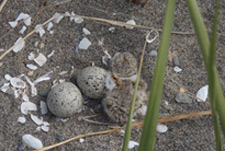 Piping Plover just hatched at J.T. Cheesman Provincial Park
Photo: © ECCC
The Piping Plover is a migratory bird protected under both the Migratory Bird Convention Act, 1994 (MBCA) and the Species at Risk Act and is under the management jurisdiction of the federal government. This species, endangered under SARA, is being found in Alberta, Saskatchewan, Manitoba, Ontario and Atlantic.
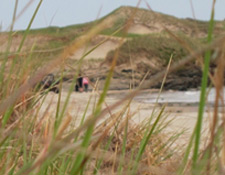 Officers observing illegal ATV activity from stake-out area
Photo: © ECCC
In Quebec, ECCC ensures a constant presence in the Magdalen Islands, which includes monitoring piping plovers, among other species, in order to provide protection. Following two patrols (including one to raise awareness using a signage system), operation ‘Endangered Bird’ has resulted in 6 written warnings and 3 tickets for letting a domestic animal run free.
In Ontario, for the first time for this island since the 1930s, a pair of Plovers successfully nested on Toronto Island, near the Billy Bishop Airport. Wildlife enforcement officers provided protection for this nest in June during a music festival. Overall, this is a success story for breeding Piping Plovers around the Great Lakes in terms of wildlife enforcement.
In Atlantic Region, the key threat to the Plover habitat is motorized vehicle traffic on beaches. In total, 11 officers in PEI took part in a two day blitz during 2015. Officers interacted with over 30 members of the public concerning Piping Plover protection. As a result, 24 inspections were conducted with 46% in violation of provincial legislation. Officers in Newfoundland and Labrador apprehended an individual and issued a summary offence ticket for being in violation while operating an ATV.
 A large gas flare draws in birds during a period of fog and low clouds.
Photo: Christian Marcoux © ECCC
CANAPORT – Atlantic Region
In 2013, Wildlife Officers were notified by the Canadian Wildlife Service (CWS) that a considerable number of migratory birds were found dead on the Canaport LNG facility in Saint John, New Brunswick. In November 2015, the company pleaded guilty to federal charges under SARA in relation to the deaths of thousands of songbirds. The company was sentenced to fines and penalties totaling $750,000. The money will be directed to a variety of conservation, research and scholarship projects.
American Ginseng – Ontario Region
American Ginseng (Panax quinquefolius) is listed under SARA as an endangered species in Canada. In 2015, two individuals apprehended with 251 poached fresh roots in 2013 were convicted under SARA – one receiving a fine of $5,000 and the other a fine of $4,000. Both also received a court order prohibiting them to go on either the federal or provincial properties for 10 years.
Greater Sage Grouse Emergency Protection Order – Prairie & Northern Region (PNR)
The 2014–2015 project plan related to Greater Sage Grouse Emergency Protection Order was continued in 2015–2016. Inspections with partners were conducted in April and May. A patrol took place in early June. After the implementation of the recovery strategy developed in 2008 and the Emergency Protection Order proclaimed in 2013, no violations were observed in 2015–2016.
Fisheries and Oceans’ enforcement actions for species at risk are carried out by fishery officers who have been trained and designated as enforcement officers under SARA and who incorporate SARA enforcement activities alongside their duties under the Fisheries Act and other federal statutes and regulations. In 2015, the Department’s fishery officers dedicated almost 12,000 hours to patrols, inspections, investigations, court cases, public relations and other duties related to enforcing the prohibitions of SARA. Fishery officers initiated over 59 investigations and spent over 2,100 hours on investigative work related to species at risk. The Department recorded a total of 28 SARA violations involving species at risk that resulted in fines, seizures, charges and warnings. Training sessions were organized across the country to teach fishery officers how to assist trained experts in a support capacity during large marine mammal disentanglement response.
Parks Canada’s Law Enforcement Branch is responsible for enforcing all legislation related to the Agency’s mandate, including SARA, on all lands and waters administered by the Agency. In 2015, there were 86 park wardens dedicated to law enforcement activities in the Agency’s protected heritage areas. In 2015, Parks Canada’s SARA-related enforcement activities included targeted patrols and investigations of reported violations of the SARA prohibitions. Park wardens recorded a total of 15 law enforcement incidents related to the protection of species at risk in protected heritage areas. There was one charge under SARA during this period.
Up until June 2015, Parks Canada’s law enforcement program tracked enforcement activities through the Occurrence Tracking System. In June 2015 the Incident and Event Management system was launched to replace the Occurrence Tracking System. This mobile system will improve the ability of park wardens to report and record incidents.
Case studies: Pro-active enforcement
Fundy National Park (FNP) has been working to recover the Inner Bay of Fundy Atlantic salmon for over a decade. These efforts have helped prevent the species from being extirpated from the park. In support of this recovery program (see Section 6.2.1), Parks Canada and law enforcement partners are implementing a new, high-profile partnership strategy. Because the migration route of these salmon cross many jurisdictional boundaries, collaboration among law enforcement agencies is required to effectively prevent illegal fishing. The partnership focuses on education, monitoring, and enforcement, and has helped to ensure the protection of salmon while building strong relationships among law enforcement agencies for ongoing and future collaboration.
Southern mountain caribou occur in the southern two-thirds of British Columbia and in west-central Alberta, with one subpopulation ranging into northern Idaho and Washington in the United States. During the winter, Parks Canada works to prevent predators from entering Southern Mountain caribou critical habitat. To do this, Parks Canada ensures that skiers and other backcountry travelers do not create trails through deep snow that would facilitate predator access. Over the past 3 years, Jasper National Park has implemented winter area closures to protect caribou critical habitat. During the 2014–2015 winter, park wardens were involved in 12 incidents related to illegal entry which has so far led to six charges under the General Regulations of the Canada National Parks Act.
Environment and Climate Change Canada (ECCC) collects species at risk information from its protected areas and through its migratory bird program. Federal funding programs administered by ECCC and, in some cases, co-managed by the Department, Fisheries and Oceans (DFO), and Parks Canada also support monitoring activities, including the Habitat Stewardship Program, the Aboriginal Fund for Species at Risk and the Interdepartmental Recovery Fund. Information from these initiatives, along with information from partner organizations and researchers, allows for tracking progress toward meeting recovery goals.
Case study: Mussel Monitoring
 A diversity of mussel species and year classes taken from a mussel monitoring station - Photo: © Fisheries and Oceans Canada
This year, Fisheries and Oceans completed the resampling portion of the Sydenham River mussel monitoring program, wrapping up a four-year study to revisit 13 index stations across the watershed. The Sydenham River is a globally significant watershed, supporting the greatest number of SARA-listed freshwater mussels in Canada, including some 10 species.
The data generated from the mussel monitoring program will allow analysis of trends of mussel density, demographics and distribution over the past decade for Endangered species such as the Northern Riffleshell and Snuffbox. The analysis of such results will be used to track the response of the SAR mussel community to ongoing recovery efforts across the watershed and is the central monitoring priority of the Sydenham River Action Plan.
Species at risk monitoring is ongoing within the Parks Canada heritage areas network to assess the long-term condition of species and to evaluate the results of recovery actions. Parks Canada reviews detailed assessments to monitor and capture changes in the conservation status of species and updates them as new information becomes available. The information assists in determining progress toward achieving recovery goals.
Case study: Monitoring Roseate Terns in Nova Scotia
The Roseate Tern is listed under Schedule 1 of SARA as Endangered, and is also listed under the Migratory Birds Convention Act, 1994. For decades, the majority of Roseate Terns in Canada have bred in Nova Scotia on The Brothers Islands Wildlife Management Area and Country Island. The Canadian population has slowly dwindled from about 150 in 2000 to fewer than 60 pairs in 2015. Conservation challenges remain for the species and significant effort is directed towards monitoring population size, productivity, limiting factors, and threats.
 Roseate Tern - Photo: © Ted D’Eon
The tern colony on the provincially-managed Brothers Islands Wildlife Management Area is monitored weekly by a local steward who works in cooperation with ECCC and the Nova Scotia Department of Natural Resources to implement recovery measures for the species, such as monitoring and habitat enhancement.
The Brothers Islands is home to a mixed colony of Arctic, Common, and Roseate Terns where nest shelters are provided to enhance habitat for Roseate Terns, who prefer to nest under cover. Roseate numbers at this site may be increasing; the highest nest count since 2009 was observed in 2015 when 42 nests were recorded. Hatching success is affected by invasive weeds and it is unclear if enough chicks are produced at the site to ensure recovery.
A semi-permanent research station on Country Island has been run by ECCC and its partners since 1995. This long-term project, which is focused on habitat enhancements, predator deterrence and monitoring, has resulted in large increases in the mixed species tern colony, as well as other species of birds such as Black Guillemots and Common Eiders. However, the number of Roseate Terns has decreased from a high of about 50 pairs in 2000, to only 6 pairs in 2015.
A highlight of 2015 was the discovery of a new colony on Western Island, NS. An estimated 200 pairs of terns were observed including at least six pairs of Roseate Terns, of which at least two individuals with leg bands were thought to have originated from Country Island.
Without monitoring efforts, it would be impossible to observe all these changes in the population and track the recovery of the species. ECCC has formed international partnerships to learn more about the threats these seabirds face once they leave Canada.
SARA recognizes that the role of Indigenous peoples in the conservation of wildlife is essential and that Indigenous peoples possess unique traditional knowledge concerning wildlife species. The National Aboriginal Council on Species at Risk (NACOSAR), composed of representatives of Indigenous peoples in Canada, was created under section 8.1 of SARA to advise the Minister of the Environment on the administration of the Act and to provide advice and recommendations to the Canadian Endangered Species Conservation Council (CESCC).
In 2015, NACOSAR held face-to-face meetings and teleconferences to advance their work in providing advice on socio-economic analysis and Indigenous community engagement in recovery planning and implementation. NACOSAR members also participated in two workshops designed to develop leadership capacity and empower Indigenous youth on matters related to the environment, and another session to build an ongoing forum for sharing information on species at risk and conservation efforts between federal and provincial departments and the Indigenous communities in the Maritimes.
The responsibility for conservation of wildlife in Canada is shared by federal, provincial and territorial (FPT) governments. In recognition of this, FPT governments agreed to the National Framework for Species at Risk Conservation in June 2007. This framework supports implementation of the 1996 Accord for the Protection of Species at Risk, which committed FPT governments to a national approach for the protection of species at risk and the goal of preventing species in Canada from becoming extinct as a consequence of human activity.
The National Framework provides a set of common principles, objectives and overarching approaches for species at risk conservation to guide federal, provincial and territorial species at risk programs and policies. The Framework’s objectives are to:
- facilitate coordination and cooperation among jurisdictions involved with species at risk;
- encourage greater national coherence and consistency in jurisdictional policies and procedures; and
- provide context and common ground for federal–provincial–territorial bilateral agreements.
On February 13, 2015, FPT Ministers responsible for conservation, wildlife and biodiversity met in Ottawa to discuss issues related to species at risk and invasive alien species, on the invitation of the federal Minister of the Environment. Discussion between Ministers to determine priorities for future federal-provincial-territorial collaboration led to the adoption of a work plan and a joint ministers’ statement.
FPT Ministers confirmed their shared commitment to collaborate on the protection and recovery of species at risk and in efforts to prevent species from becoming at risk. The Ministers agreed to act on this commitment by adopting the following work plan elements:
- Identifying joint science and information priorities to address species at risk needs in order to support decision making, and more coordinated and efficient assessment, listing and recovery planning;
- Managing species at risk on a broader landscape scale through multiple species or ecosystem planning approaches, particularly in the areas where they are most concentrated;
- Undertaking on-the-ground actions individually and collaboratively to recover species such as bats and caribou, and to conserve and protect their habitat; and
- Collaborating on species at risk policy approaches.
A set of actions have been identified to deliver on these components and work is underway, including in the following areas:
- Boreal caribou protection and recovery;
- Stewardship-based conservation measures to protect and recover bats;
- Pilot projects for landscape-based conservation action; and,
- Various species at risk related policies, including critical habitat identification.
The federal government has bilateral administrative agreements on species at risk with individual provinces and territories. The agreements set out shared objectives, as well as commitments for how governments will cooperate on species at risk initiatives. Agreements are in place with the governments of Quebec, Ontario, and Saskatchewan, and an agreement with the government of British Columbia is in the process of being renewed. There is also a Memorandum of Understanding between the federal government and the Nunavut Wildlife Management Board.
The Canadian Wildlife Directors Committee (CWDC) supports inter-jurisdictional cooperation on species at risk. The committee, co-chaired by Environment and Climate Change Canada (ECCC) and a province or territory on a rotating basis (Newfoundland and Labrador in 2015), is comprised of federal, provincial and territorial wildlife directors, including representatives from ECCC, Fisheries and Oceans Canada, and the Parks Canada Agency. As an advisory body on wildlife issues, the CWDC provides leadership in the development and coordination of policies, strategies, programs and activities that address wildlife issues of national concern and help conserve biodiversity. It also advises and supports the Canadian Endangered Species Conservation Council (CESCC) and the Wildlife Ministers’ Council on these matters.
The CWDC meets twice a year and has monthly teleconferences, providing a forum for collaboration and integration of management and administration of federal and provincial/territorial species at risk programs. The CWDC’s priority actions comprised five high-level outcomes: national and international collaboration on implementation of wildlife and habitat conservation and management; effective and efficient collaborative ways to promote the conservation of species at risk; effective collaborative ways to promote conservation of healthy wildlife populations; effective collaborative ways to promote provision of habitat for wildlife; and public engagement to facilitate an understanding of Canadian values and promote wildlife conservation.
As part of their spring face-to-face meeting in 2015, CWDC members participated in a one-day workshop on road ecology and wildlife-vehicle interactions in which invited presenters shared best management practices and effective collaboration for wildlife management foundations as well as case studies. At the fall face-to-face meeting, CWDC members discussed issues related to species at risk, wildlife health, and migratory birds.
The National General Status Working Group (NGSWG) is composed of representatives from each of the Canadian provinces and territories, and of the federal government. Members of the working group are responsible for completing the general status assessments of species in their jurisdictions, which the group then uses to produce the Wild Species: The General Status of Species in Canada reports (see section 2.1). ECCC is co-chair and coordinator of the NGSWG; the other co-chair in 2015 was the Government of Newfoundland and Labrador.
The NGSWG was established by the CWDC in order to meet the commitment of monitoring, assessing, and reporting regularly on the status of all wild species, as required under the Accord for the Protection of Species at Risk. The NGSWG is responsible to the CWDC and ultimately to the CESCC.
The federal government has established governance structures to support federal implementation of SARA and its supporting programs. Several committees, composed of senior officials from ECCC, Fisheries and Oceans, and Parks Canada meet regularly to discuss programs, policy and strategic issues, and to monitor SARA implementation.
The online Species at Risk Public Registry fulfills the requirement under the Species at Risk Act (SARA) for the Minister of the Environment to establish a public registry to facilitate access to SARA-related documents. The registry is an important tool for engaging and informing Canadians on species at risk issues. In addition to providing access to documents and information related to SARA, it provides a forum for Canadians to submit comments on SARA-related documents being developed by the Government of Canada.
Section 123 of SARA identifies documents that must be published on the registry, including:
- regulations and orders made under the Act;
- agreements entered into under section 10 of the Act;
- Committee on the Status of Endangered Wildlife in Canada (COSEWIC)’s criteria for the classification of wildlife species;
- status reports on wildlife species that COSEWIC has prepared or has received with an application;
- the List of Wildlife Species at Risk;
- codes of practice, national standards or guidelines established under the Act;
- agreements and reports filed under section 111 or subsection 113(2) of the Act, or notices that these have been filed in court and are available to the public; and
- all reports made under sections 126 and 128 of the Act.
Other documents prepared in response to the requirements of SARA include recovery strategies, action plans, management plans and reports on the progress of recovery strategy implementation.
In 2015, 541 documents were published on the registry. These documents include SARA and COSEWIC annual reports, consultation documents, COSEWIC status reports and status appraisal summaries, ministerial response statements, recovery strategies, management plans, action plans, permit explanations and an imminent threat assessment (as well as several supporting documents) for the Western Chorus Frog. In addition, Fisheries and Oceans published reports on the progress of recovery strategy implementation for four aquatic species.
To obtain further information or publications--and to submit questions or comments--concerning species at risk programs and activities, please contact any of the following three departments:
Environment and Climate Change Canada
Public Inquiries Centre
7th Floor, Fontaine Building
200 Sacré-Coeur Boulevard
Gatineau QC K1A 0H3
Telephone: 819-997-2800
Toll Free: 1-800-668-6767 (in Canada only)
Email: ec.enviroinfo.ec@canada.ca
Fisheries and Oceans Canada
Communications Branch
200 Kent Street
3rd Floor, Station 13228
Ottawa ON K1A OE6
Telephone: 613-993-0999
Fax: 613-990-1866
Email: info@dfo-mpo.gc.ca
Parks Canada Agency
National Office
30 Victoria Street
Gatineau QC J8X 0B3
Tel.: 888-773-8888
TTY: 866-787-6221
Email: information@pc.gc.ca
For more information on the Species at Risk Public Registry, and to submit questions or comments on the Public Registry, please contact the following office:
SARA Public Registry Office
351 St. Joseph Boulevard, 21st Floor
Gatineau QC K1A 0H3
Email: ec.registrelep-sararegistry.ec@canada.ca