
Buying cosmetics online
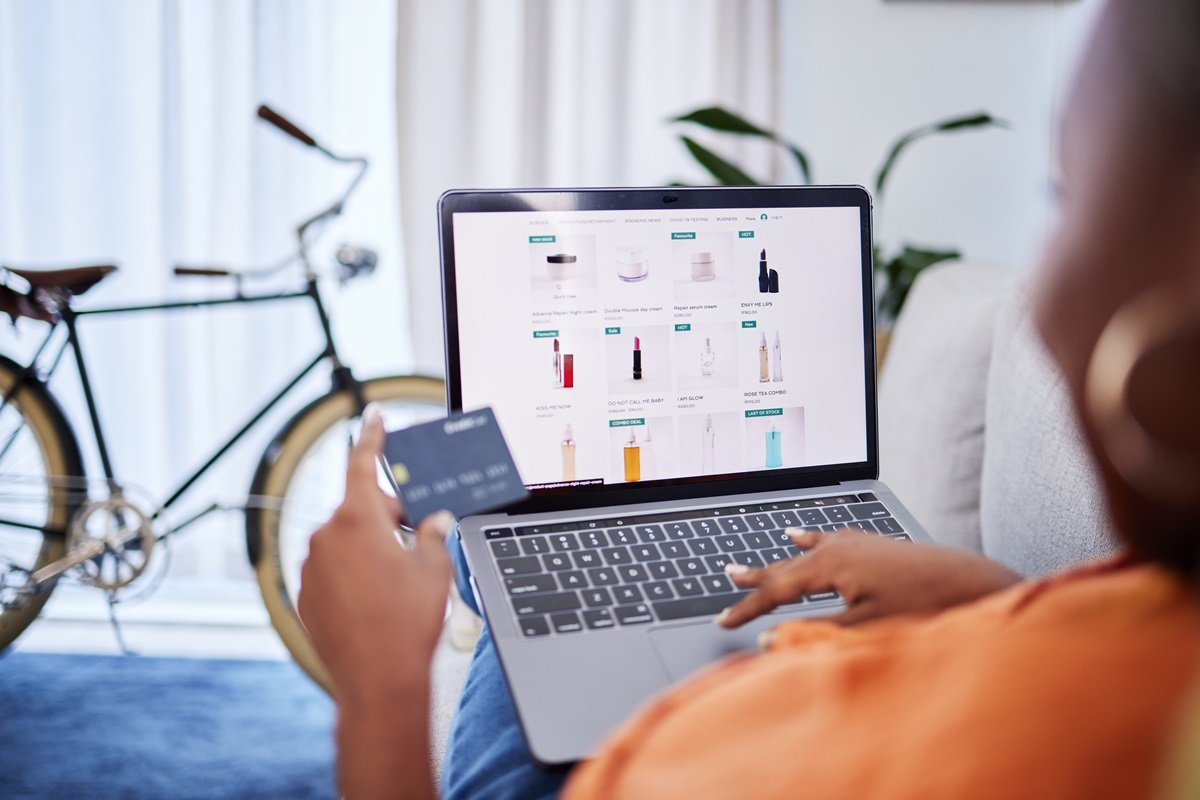
Buying cosmetics online can feel like having a beauty store right at your fingertips. However, before filling up your cart, it's important to be aware of key safety advice for buying cosmetics online.
On this page
- Advertising
- Animal testing ban on cosmetics
- Recalled cosmetics
- Counterfeit cosmetics
- Used cosmetics
- Cosmetics purchased from outside of Canada
- Other types of cosmetics sold online
- Cosmetics and children
Advertising
Sometimes online descriptions of cosmetics can be misleading or inaccurate. Online sellers may use certain marketing terms to make their product seem more appealing. You're likely to encounter lots of different marketing terms, such as:
- organic
- hypoallergenic
- preservative-free
- not tested on animals
- fragrance-free or unscented
- ophthalmologist or dermatologist-tested
It can be confusing to know what these terms mean. Refer to Cosmetic advertising, labelling and ingredients for more information.
Before buying a cosmetic online, look for a bilingual label, in English and French, with the following required information:
- the common name or identity of the product (such as, shampoo, moisturizer, hairspray)
- the list of ingredients
- warning or cautions
- directions for safe use
- a telephone number, email website, postal address or any other information for consumer-related questions about the cosmetic
- product quantity
If you can't find this information, ask the seller.
Refer to Labelling of Cosmetics – Consumer product safety for more information.
Animal testing ban on cosmetics
As of December 22, 2023, animal testing for both cosmetics imported into Canada and those manufactured within Canada is banned. If you come across a product online that advertises being tested on animals and is available for sale to Canada, you can submit a complaint to Health Canada.
Recalled cosmetics
Take steps to avoid unsafe cosmetics sold online by checking the Recalls and safety alerts database before making a purchase. Cosmetics have been recalled for safety issues like lack of hazard labelling and microbial contamination.
Counterfeit cosmetics
Watch out for counterfeit cosmetics online! They may contain unsafe ingredients, such as lead or mercury, or bacteria posing serious health risks. These products may be priced low to attract shoppers looking for a bargain or priced like the genuine products to trick buyers.
Take steps to avoid buying counterfeit cosmetics by:
- closely inspecting product images and details under the product description:
- Compare product images with those on the official brand website. Look for differences in design, colour or brand logos.
- Watch out for poor language, such as spelling mistakes or grammatical errors, in the product description.
- asking questions about the product:
- When in doubt, ask the seller about the manufacturer's contact information, return or refund policy, or any other missing pieces of information they have not provided. Legitimate sellers are often quick to provide customer service and information.
- researching the seller:
- Check sellers' rating and read customer reviews. Watch out for negative reviews or none at all. Refer to Competition Bureau of Canada's Five-star fake out article to learn more about interpreting customer reviews.
Used cosmetics
Health Canada does not recommend the purchase of used, old or damaged cosmetics, even those labeled as "like brand new". Used cosmetics may contain bacteria, resulting in skin rashes, infections or other health issues.
Second-hand products may also be missing important information, such as:
- proof of authenticity
- With second-hand products, it becomes challenging to determine whether the product is counterfeit or genuine.
- list of ingredients
- directions for safe use
- retailer and manufacturer details
- warnings or cautionary statements
When shopping from third-party sellers or websites that are known for selling used products, be sure to:
- ask for the actual image of the product rather than a stock photo.
- check that the item is listed as "new" not "like new" in the product description.
- if uncertain, confirm with the seller to make sure the product is unused and unopened.
Refer to Buying second-hand products for more information on buying second-hand products and Online marketplaces, third-party sellers and the safety pledge for consumer products and cosmetics for more information on third-party sellers.
Cosmetics purchased from outside of Canada
All cosmetics sold in Canada must be safe to use and must not pose any health risk. They must meet the requirements of the Food and Drugs Act and the Cosmetic Regulations. Cosmetics requirements differ from country to country. Products from outside of Canada sold online may not meet Canadian cosmetics safety requirements.
Many countries have regulations in place to protect consumers, but there is potential that cosmetic product lines or their ingredients may not meet the Canadian requirements. This increases the risk of cosmetics purchased outside Canada containing substances, such as unsafe levels of heavy metals like lead, mercury, cadmium or arsenic, that may pose a health risk.
Learn more about black henna temporary tattoos and eye cosmetics.
Other types of cosmetics sold online
All cosmetics sold in Canada must comply with Canadian cosmetic requirements. This includes:
- cosmetics used by professional esthetic services
- bulk institutional products such as hand soap in school rest rooms
- "handmade" cosmetics, like soap, sold through home-based businesses or craft sites
Before buying online, make sure the product meets the current Canadian regulations by checking the product description or asking the business or the manufacturer directly.
Learn more about regulatory information for cosmetics.
Crayons and markers are not cosmetics and are not subject to the Cosmetic Regulations. They are arts and crafts materials and are not intended to be used to change or improve the appearance of the body. Learn more about how to use arts and crafts materials safely.
Cosmetics and children
Children's cosmetics, like those for adults, are regulated by Health Canada. It is important to be careful when buying them online. Kids are more vulnerable than adults to harmful chemicals because of their stage of development. Before purchasing children's cosmetics online, remember:
- Only buy cosmetics and other personal products, including make-up, moisturizers and body paint, suitable for the age of your child.
- Some products should only be used by adults, including chemical peels, hair removal products (depilatories, waxes, and so on), permanent hair dye, and tooth whiteners.
- Check the list of ingredients. Be aware of what's in the products you're buying in case your child has a reaction.
- Be aware when buying products that may contain talc. No risk has been identified for most products containing talc. However, talc could be harmful to both you and your child as it:
- may be harmful to the lungs (difficulty breathing, scarring of the lungs) from breathing in loose powder from products, such as, baby powder.
- may cause ovarian cancer when using products with talc, such as baby powder and diaper and rash creams, in the genital area. Learn more about talc safety.
- Think twice before buying bubble bath. Excessive or prolonged use can result in skin irritation.
If buying cosmetics for adults and there are children in the home, also be aware that:
- Nail polish removers, mouthwashes and perfumes are harmful to young children if swallowed. They should be kept out of reach of children.
- If a child swallows a cosmetic, contact the nearest Poison Control Centre. People in Canada (other than Québec) can call 1-844-POISON-X, or 1-844-764-7669, to reach the nearest poison control centre. People in Québec can call 1-800-463-5060.
Learn more about the safety of cosmetic ingredients.