Explore Canada’s National Wildlife Areas
Explore Canada’s National Wildlife Areas
From wetlands and forests to coastlines, flyways, and wildlife corridors, Canada’s 60+ National Wildlife Areas (NWAs) protect some of the country’s most important wildlife habitats. These places support thousands of species, including migratory birds and species at risk, and many are open for you to explore.
Across Canada, many NWAs welcome visitors, offering you a chance to experience nature in a meaningful way. Discover what makes each location unique, learn the secrets of local ecosystems, and see firsthand why protecting and conserving nature matters.
Every visit is an opportunity to connect with the landscapes and wildlife that make Canada extraordinary.
Choose a location and make it part of your next nature outing
Cape Jourimain
In New Brunswick end of the Confederation Bridge to Prince Edward Island.
Trails open to the public for day-use only.
Activities
- Hiking and trail walking
- Birdwatching and wildlife viewing
- Swimming
- Picnicking
- Winter activities (cross-country skiing, snowshoeing, or skating)
- Nature interpretation centre (end of May to early October)
Chignecto
Amherst, Nova Scotia.
Trails open to the public for day-use only.
Activities
- Hiking and trail walking
- Birdwatching and wildlife viewing
- Nature and wildlife interpretation
Shepody
On the Bay of Fundy, 46 km from Moncton, New Brunswick.
Trails open to the public for day-use only.
Activities
- Hiking and trail walking
- Birdwatching and wildlife viewing
- Shorebird Discovery Centre exhibits. open daily from July to September
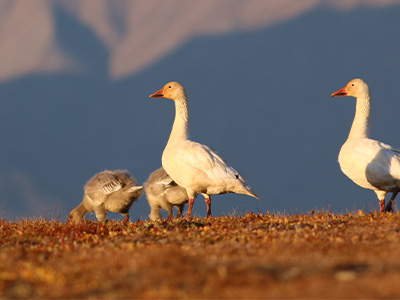
Cap Tourmente
North shore of the Saint Lawrence River, about 50 km from Québec City, Quebec.
Open to the public for day-use only according to the established schedule.
Admission fee.
Activities
- Hiking and trail walking
- Birdwatching and wildlife viewing
- Interpretation center
- Interactive programs (seasonal)
- Geocaching
- Picnicking

Lake Saint-François
120 km from Montréal, Quebec.
Open to the public for day-use only.
Activities
- Hiking and trail walking
- Birdwatching and wildlife viewing
- Nature and wildlife interpretation
- Geocaching
- Canoeing and paddling
- Boating
- Picnicking
- Visitor services offered by AMAPRE from May to October
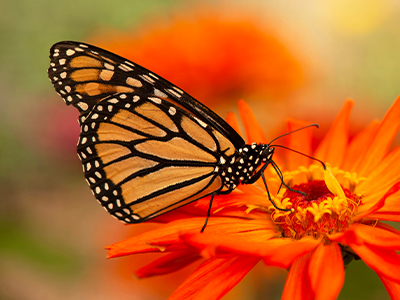
Prince Edward Point
On Lake Ontario, in Prince Edward County, 70 km from Belleville, Ontario.
Open to the public for day-use only.
Activities
- Hiking and trail walking
- Birdwatching and wildlife viewing
- Swimming (unsupervised)
- Spring and fall activities by the Prince Edward Point Bird Observatory during migration seasons.
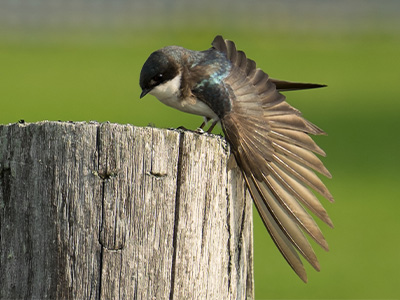
Big Creek
North shore of Lake Erie, 100 km from London, Ontario.
Open to the public for day-use only.
Most trails are open from mid-May until mid-September.
Activities
- Hiking and trail walking
- Birdwatching and wildlife viewing
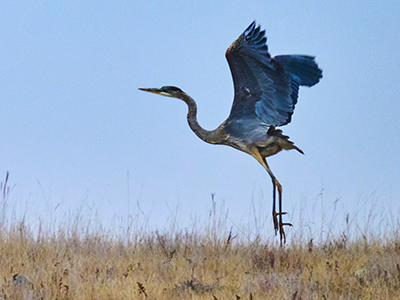
Last Mountain Lake
About 140 km between Regina and Saskatoon, Saskatchewan.
Open to the public for day-use only.
Activities
- Hiking and trail walking
- Birdwatching and wildlife viewing
- Interpretive pavilion
- Canoeing and paddling
- Fishing
- Interactive activities
- Picnicking
Alaksen
Vancouver, British Columbia.
Open from 8 am to 3 pm, Monday to Friday excluding statutory holidays.
Activities
- Hiking and trail walking
- Birdwatching and wildlife viewing
- Programming offered by the George C. Reifel Migratory Bird Sanctuary – Reservations required + Admissions fee
Know Before You Go
National Wildlife Areas are great places to explore - but they’re also protected spaces. To help keep wildlife and visitors safe, please remember:
Dos for a Great Visit:
- Stay on marked trails
- Don’t litter, take your garbage with you
- Keep dogs on a leash
- Bring your own water and snacks, not all locations have on-site food services available
Don’ts in NWAs:
- No camping (tents, trailers, RVs)
- No fires
- No vehicles or bikes on trails

Birdwatching at NWAs
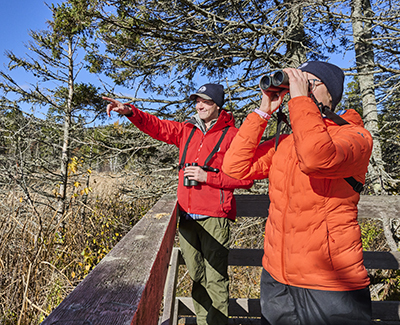
Bring your binoculars!
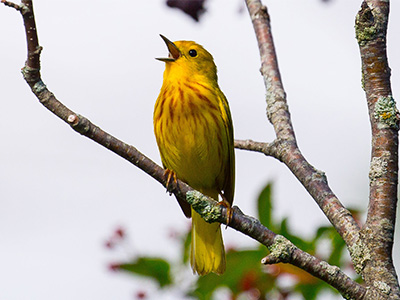
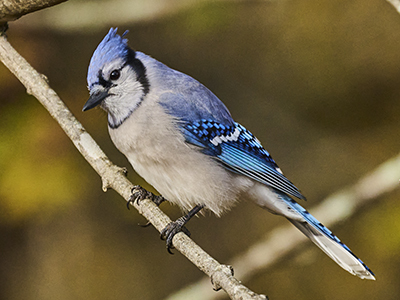
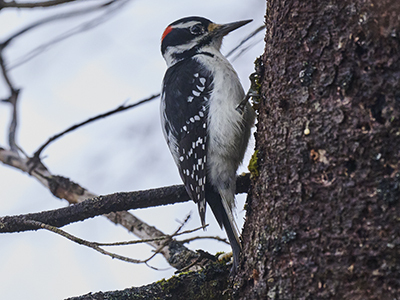
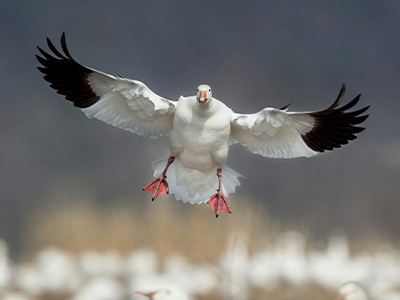
Canada is home to hundreds of species of migratory birds, and billions of individual birds.
Every habitat (be it wetland, forest, prairie, lake, pond or cliff-face) is home to different bird species, and these species can be readily observed during migration. Use a smartphone application to facilitate the identification of birds by colour, habitat, and even by voice and song.