
Back-to-school online shopping
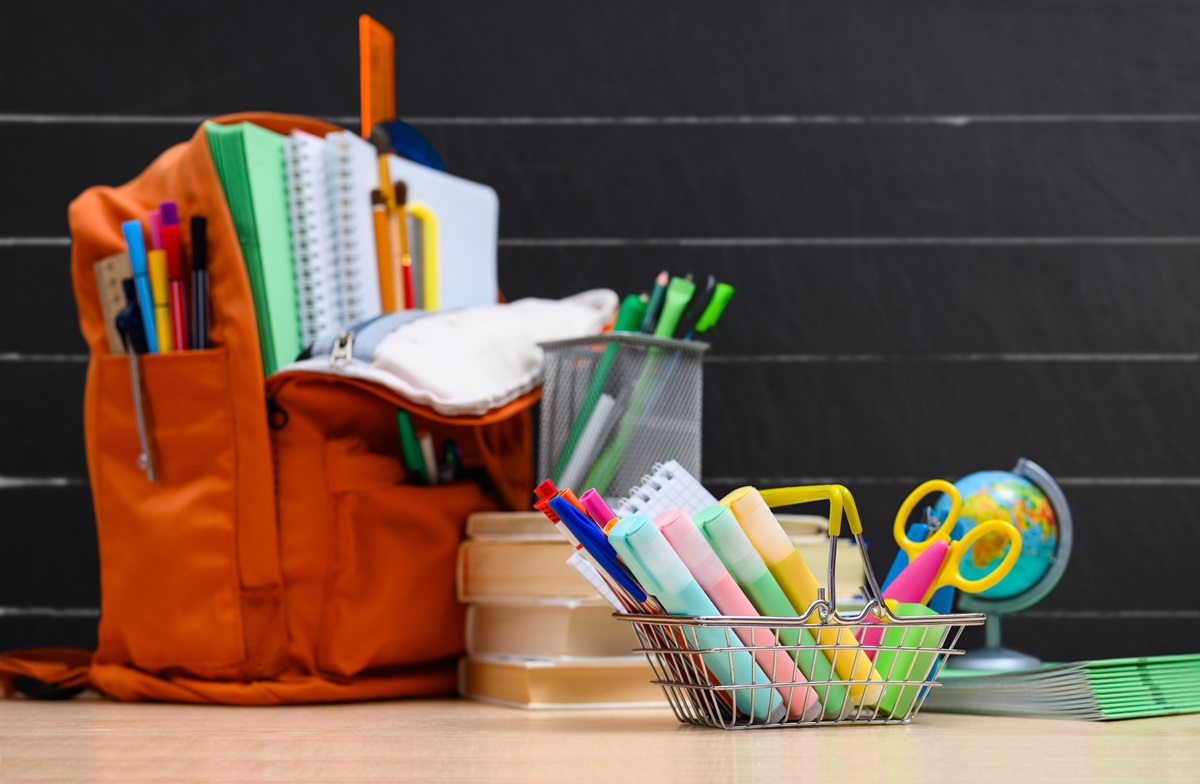
Shopping online for back-to-school items offers convenience and a wide product selection. From art supplies to electronics, it's always important to check on the safety of the product before buying online.
On this page:
- Check for recalls
- School supplies
- Clothing, footwear, and accessories
- Toys
- Electronics
- Sports equipment
Check for recalls
While crossing items off your back-to-school shopping list, remember to check for recalls. Children's products can be recalled in Canada for a variety of reasons, such as failure to meet flammability requirements, excessive amounts of lead or other chemicals, accessible batteries, and the presence of drawstrings on children's clothing.
School supplies
School supplies, like writing and colouring materials, are a key item on any back-to-school list. Young children tend to put things in their mouths and often get arts and crafts supplies on their hands. It's important to choose supplies that are age-appropriate and don't contain harmful chemicals.
When selecting arts and crafts supplies, be sure to:
- Buy kid-friendly products. Choose products labeled for children's use.
- Avoid any products with hazard symbols or cautionary warnings like "contains lead", "keep out of reach of children", "danger", "warning" or "caution".
- Choose water-based, unscented markers, paints and glue.
- Check art materials for Art and Creative Material Institute (ACMI) labels. These labels indicate the product has been evaluated for toxicity and is either non-toxic or requires special handling to avoid possible health hazards from misuse. Even though it's not a requirement in Canada, many art materials will have one of the following ACMI labels:
- AP (Approved Product) seal: This product has been evaluated as non-toxic.
- CL (Caution Required) seal: The product label lists potential hazards with instructions for safe use.
- Art materials may also be labelled as conforming to ASTM D 4236, which doesn't mean the product is "non-toxic." It means that the product has been reviewed by a medical professional and the label lists all potential hazards with instructions for safe use.
- Always read labels carefully and follow instructions for safe use. If needed, contact the manufacturer or supplier for additional information.
Learn more about how to use arts and crafts materials safely.
Clothing, footwear and accessories
Back-to-school means plenty of outdoor play in the school yard. To keep kids safer at school:
- Avoid buying items, like scarves, mittens with strings and clothing with drawstrings near the head and neck, that can get caught on playground equipment or school fences posing a strangulation risk. Instead, choose neck warmers and mitten clips.
- If you buy upper outerwear, such as hoodies, jackets and coats, with a drawstring near the neck, remove it. Drawstrings at the waist that are longer than 7.6 cm may also pose a risk.
- Watch out for children's light-up shoes. They are likely powered by button batteries that are extremely dangerous if swallowed. Make sure the batteries aren't accessible to your child. Learn more about button battery safety.
Learn more about buying clothing and accessories online.
Toys
Clip-on toys for backpacks
Clip-on toys are a popular way to decorate and personalize your child's back-to-school bag. There are certain types of clip-on toys that can present a hazard. When picking out your child's accessories, be sure to:
- Think twice before buying light-up toys. They may contain button batteries that can lead to life-threatening injuries if swallowed. Make sure the battery compartment closes with screws to avoid your child gaining access to the batteries.
- Avoid toys containing water or gel beads. These small beads can cause big problems if they are ingested. Learn more about how water beads may pose life-threatening risks to young children.
Fidget toys
Some children use fidget toys – small handheld objects – at school to aid with concentration. When buying fidget toys, keep the following safety tips in mind:
- Some desk toys marketed for fidgeting are sold as cubes or balls with many small, powerful magnets. Avoid buying toys that have small, powerful magnets that can be easily accessed and swallowed by children. Learn more about magnet safety.
- Look for any small parts that might break off the toy, especially if your child tends to mouth toys. Broken parts can be a choking hazard.
- Watch out for fidget toys that light up. They may be powered by button batteries. If the toy breaks and the batteries become loose, they can cause life-threatening injuries if swallowed.
Learn more about toy safety.
Electronics
Back-to-school might mean it's time to buy a new, used or refurbished phone, tablet, laptop or charger for your child. To avoid the risk of electric shock, burn or fire hazard, remember to:
- Always check for Canadian electrical certification marks, such as CSA, cUL, or cETL, before purchasing electrical products that plug into an electrical outlet. These marks indicate that the products are assessed and conform to the required Canadian national safety standard.
- If you need to buy or replace a charger, make sure the voltage and current are compatible with your device.
- Watch out for deals that seem to be too good to be true. Stay away from ads with blurry photos and spelling mistakes. These are signs the product could be counterfeit. Make sure to buy from a trusted seller.
Learn more about buying electrical products online.
Sports equipment
If your child bikes or scooters to school, make sure they travel safely.
Bicycles and scooters
Riding a bike or scooter can be a fun and active way for kids to get to school. Before you make any purchases, here are some tips to keep in mind to help your child stay safe on route:
- A bicycle or a scooter that's the wrong size for your child can cause them to lose control and get hurt. Check that the manufacturer's recommended height and other rider measurements are appropriate for your child before making your selection.
- Pay close attention when buying a second-hand bike or scooter. There may be issues, like poor assembly, that make the product unstable or shorten its lifespan. Always read the details in the product description and ask questions when in doubt. Make sure to confirm:
- whether it's ever been in an accident
- if there are any mechanical or functional issues
- whether any parts have been replaced or upgraded
- for bikes, if it has safety features, such as reflectors and a bell or horn.
Lithium-ion batteries used in e-scooters and e-bikes
Most e-bikes and e-scooters are powered by lithium-ion batteries. If these batteries are damaged, they can overheat, catch on fire, and even lead to explosions. Before making a purchase, keep the following safety tips in mind:
- Make sure the charger has a recognized Canadian certification mark, such as CSA, cUL or cETL. Chargers that do not meet the Canadian national safety standards may pose an electric shock, burn, or fire hazard.
- If you need a replacement charger, buy it from a trusted source, or the original product manufacturer, and make sure the voltage and current are compatible with the device. Using a charger that didn't come with your device or is not compatible with it can lead to serious fires. Learn more about lithium-ion battery safety.
- Do not buy or create DIY lithium-ion battery packs, or external batteries to increase the voltage or capacity. These can pose serious dangers.
- Avoid buying after-market batteries separately or from an unknown source. They may not follow appropriate safety standards and may not be compatible with your e-bike or e-scooter. Learn more about how misuse or modification of lithium-ion batteries in e-mobility devices can be extremely dangerous.
Helmets
Helmets are recommended for all ages when participating in sports and recreational activities. They provide protection from head injuries. Keep the following safety tips in mind when buying helmets for your kids:
- Always buy the type of helmet recommended for the activity or sport. Different helmets are designed to protect according to the sport. For example, helmets designed for skateboarding cover more of the back of the head.
- Look on the inside or outside of the helmet for a certification label, such as CSA, ASTM, EN, or SNELL. Buy a helmet with a certification label applicable to the type of helmet.
- Avoid buying a used helmet if you are unsure of its history or if it appears damaged.
- Some helmets are single impact, such as bicycle helmets, which means that they provide protection for only one accident or impact and may not offer the same level of protection in the next accident.
- For single-impact helmets, make sure that the helmet has not undergone any accident or impact.
- For multi-impact helmets, make sure the helmet has not undergone a significant impact.
| Type of activity | Recommended helmet | Protection offered by the helmet |
|---|---|---|
| Bicycling | Bicycle helmet | Single-impact |
| E-bicycling | Bicycle helmet | Single-impact |
| E-bicycle helmet | Single-impact | |
| BMX cycling | BMX helmet | Single-impact |
Scooters
|
Bicycle helmet | Single-impact |
| In-line skating or roller skating | Bicycle, in-line skating or skateboard helmet | Mostly single-impact |
| Skateboarding | Skateboarding helmet | Multi-impact |
| Ice skating, ice hockey or ringette | Hockey helmet | Multi-impact |
| Skiing or snowboarding | Ski or snowboard helmet | Single-impact |
| Sledding or tobogganing | Ski, snowboard helmet | Single-impact |
| Hockey helmet | Multi-impact |
Find more helmet safety.
Related links
- Report an incident
- Safe school lunches
- Buying cosmetics online
- Buying second-hand products
- Keep safety in mind when shopping online
- Information for art class teachers: chemical safety
- A parent's guide to cyber safe back-to-school shopping
- Subscribe for email notifications on consumer product safety and updates to the Canada Consumer Product Safety Act