
Habitat in Esquimalt Harbour
Supporting a Healthy Future for Esquimalt Harbour
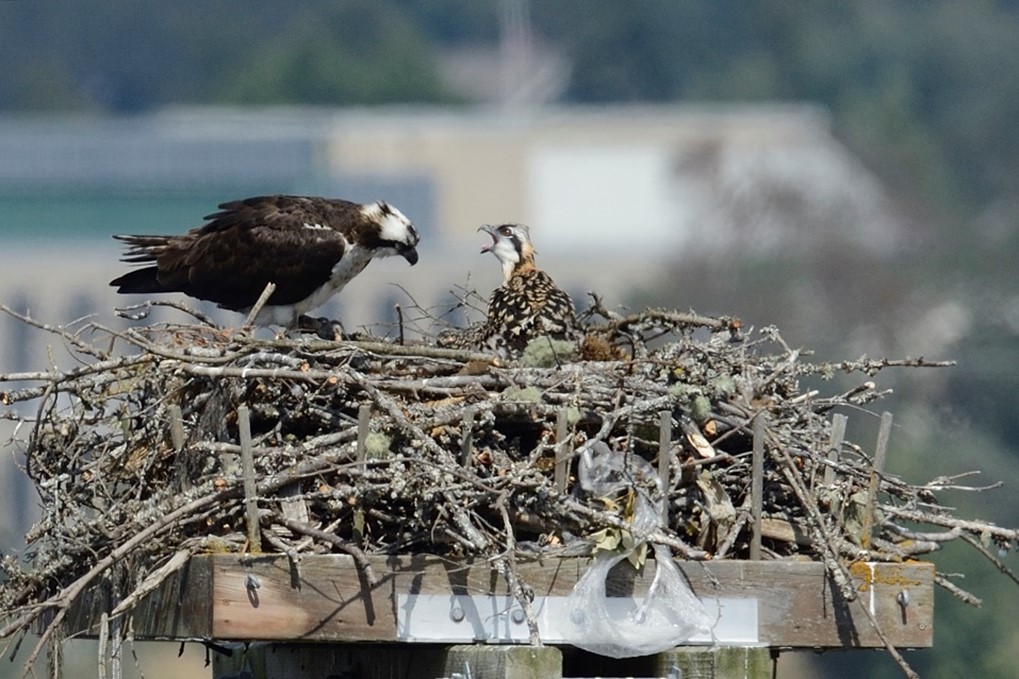
Caption
The Osprey Nest in Esquimalt Harbour photo shows a large nest made of branches, which has been built on a manmade structure. On top of the nest, one adult Osprey and one chick can be seen.
Canadian Forces Base (CFB) Esquimalt has strict environmental practices and procedures for its use of the harbour, and all harbour users are taking active steps to better manage environmental issues and implement mitigation strategies to prevent contamination.
DND remediation projects will considerably reduce the exposure of marine life to contaminants and support a healthier, more diverse habitat for marine communities. This will contribute to the long-term environmental health of the harbour.
During construction and remediation activities, DND monitors aquatic habitats, marine animals, sediments, and surface water to minimize any impacts to the environment. After construction and remediation, a monitoring program is implemented to verify the effectiveness of new habitat in the harbour. A robust harbour management program will include habitat dive surveys and sampling of sediment, storm water, and surface water quality to ensure the continual improvement of ecological health in the harbour. Long-term, DND will continue to monitor the recovery of Esquimalt Harbour, manage risks, and identify projects that will contribute to the goal of a healthy environment.
Habitat Enhancement Initiatives
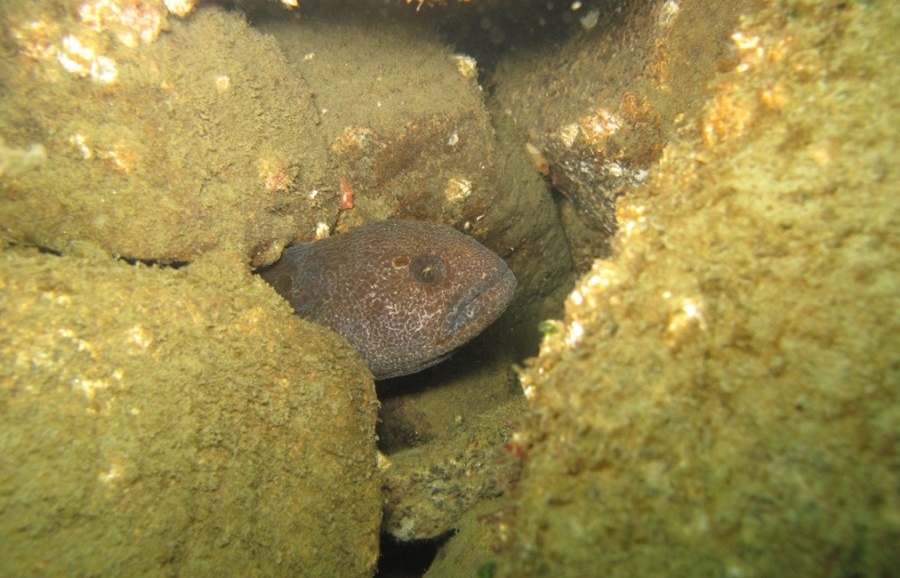
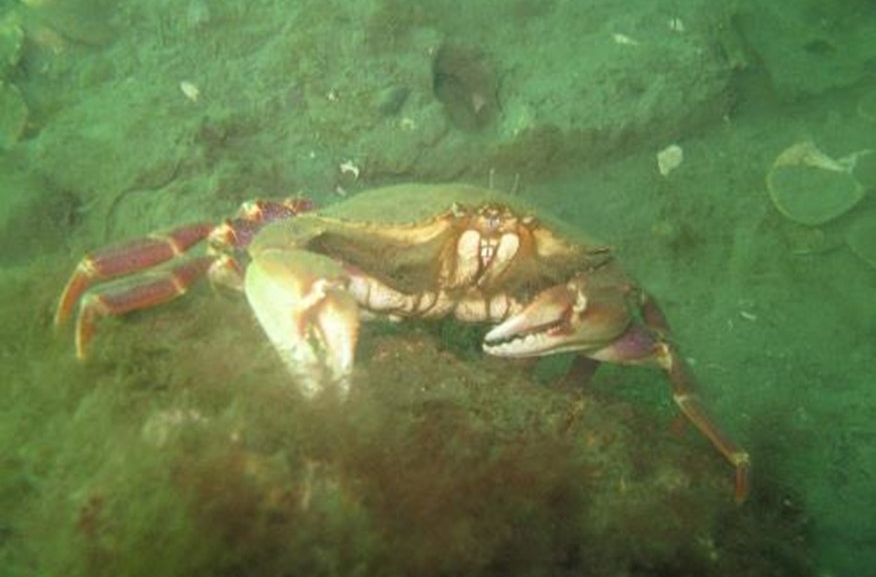
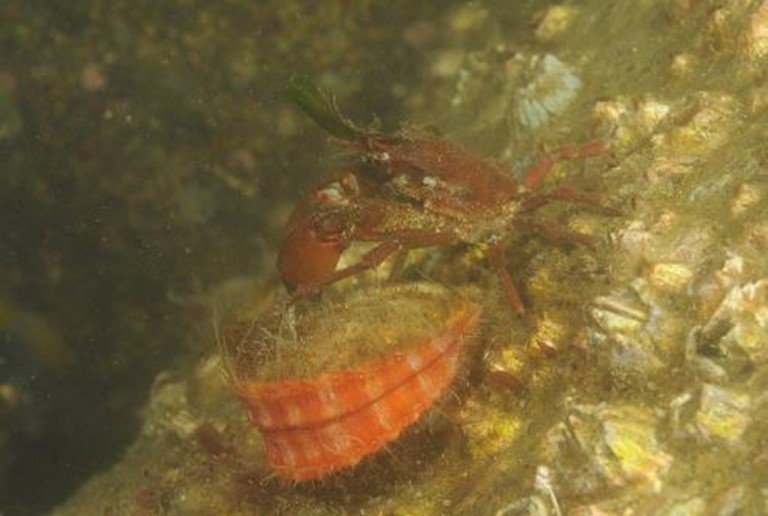
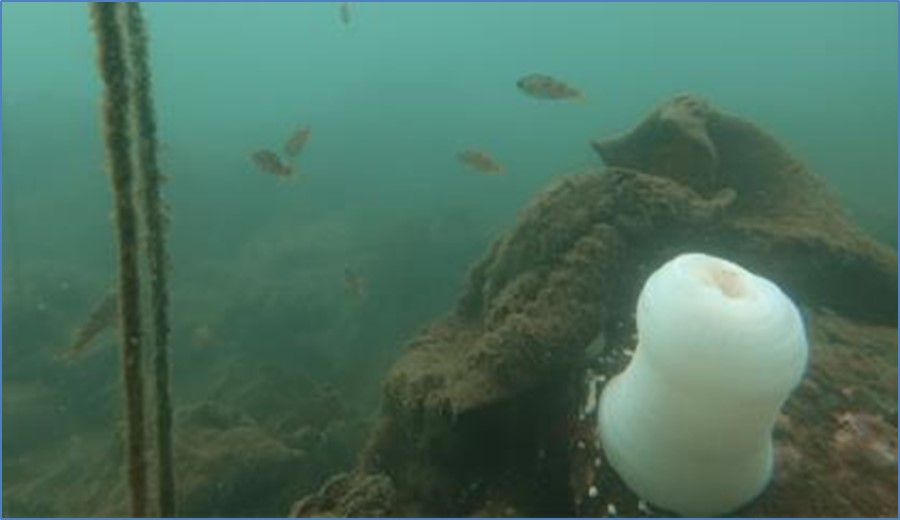
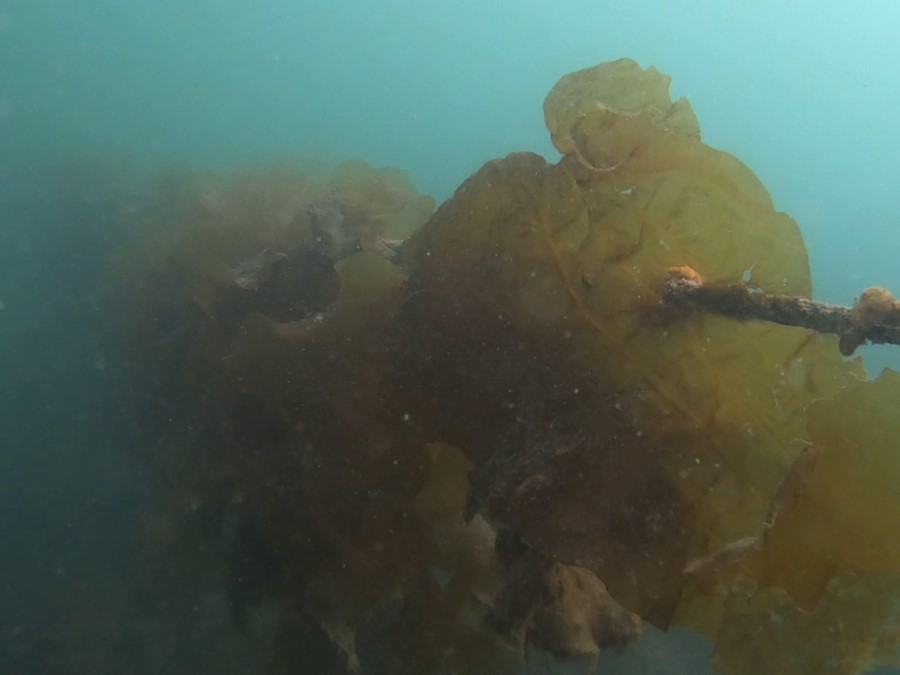
In 2012, DND constructed three underwater reefs near the western entrance to Esquimalt Harbour to compensate for disturbances to fish habitat during remediation and construction work. Underwater surveys in 2016 showed the presence of a diverse range of ecologically important species at the reefs.
Image Gallery
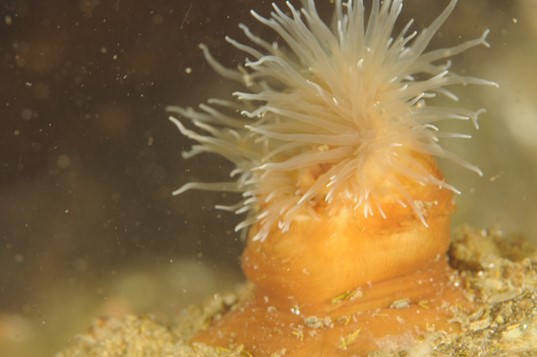
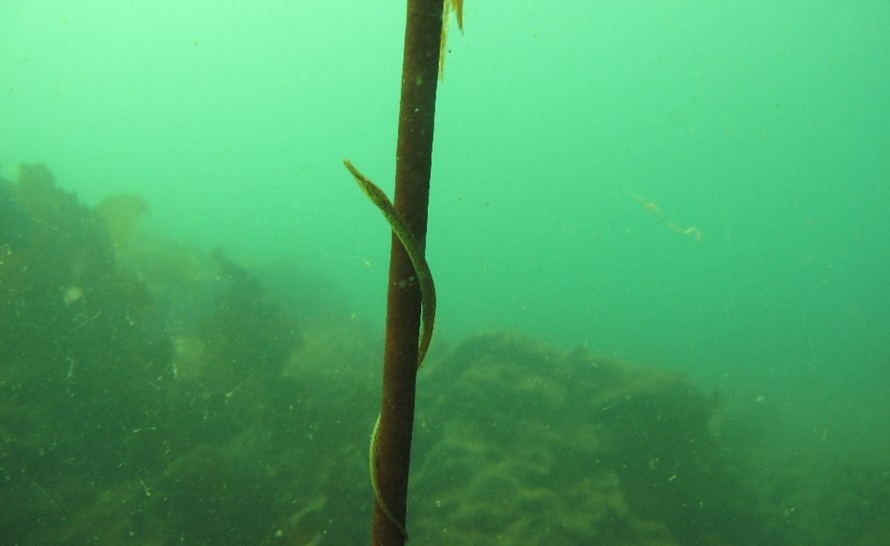
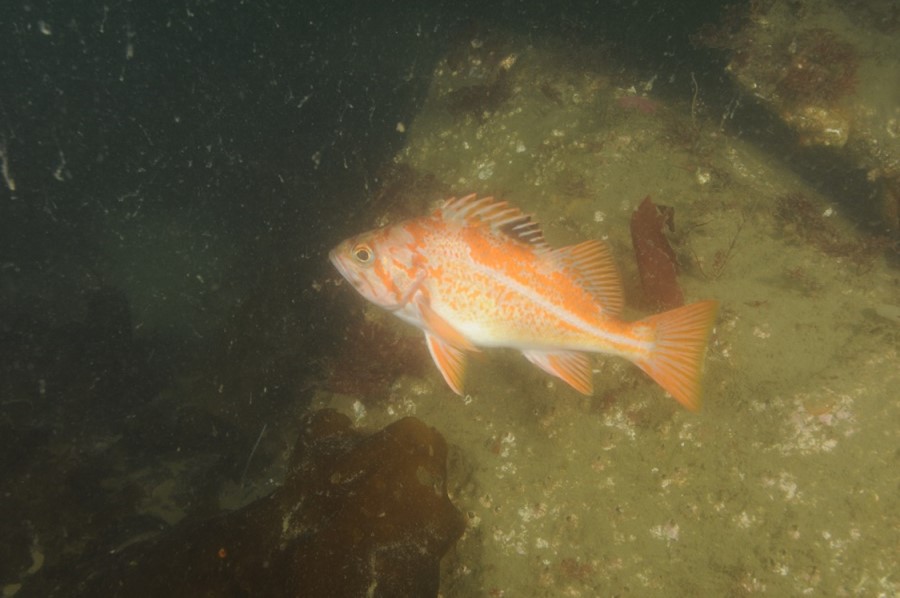
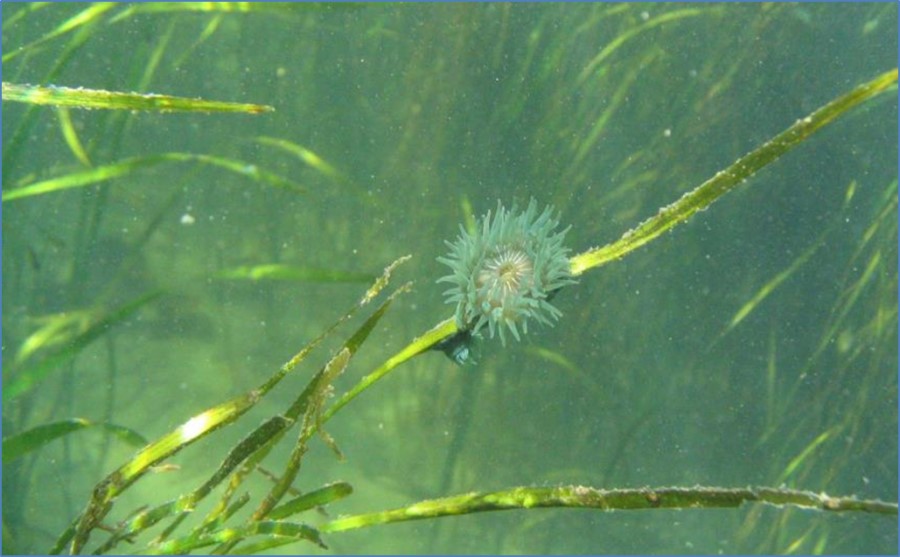
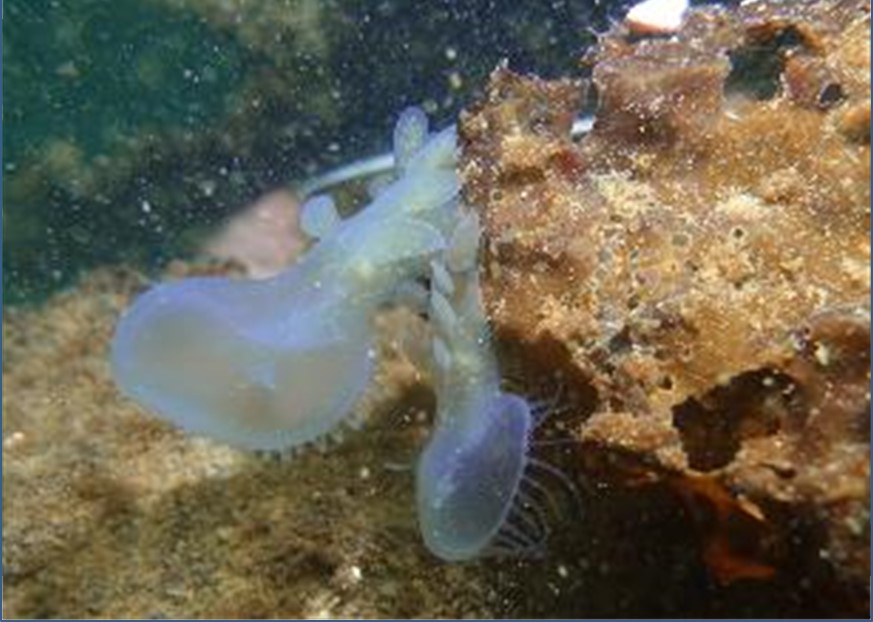
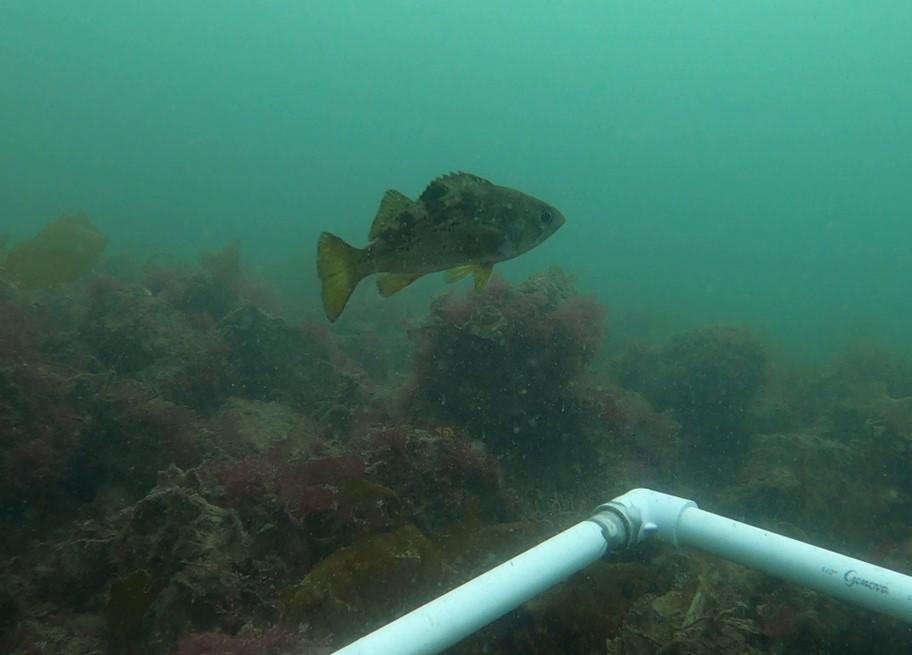
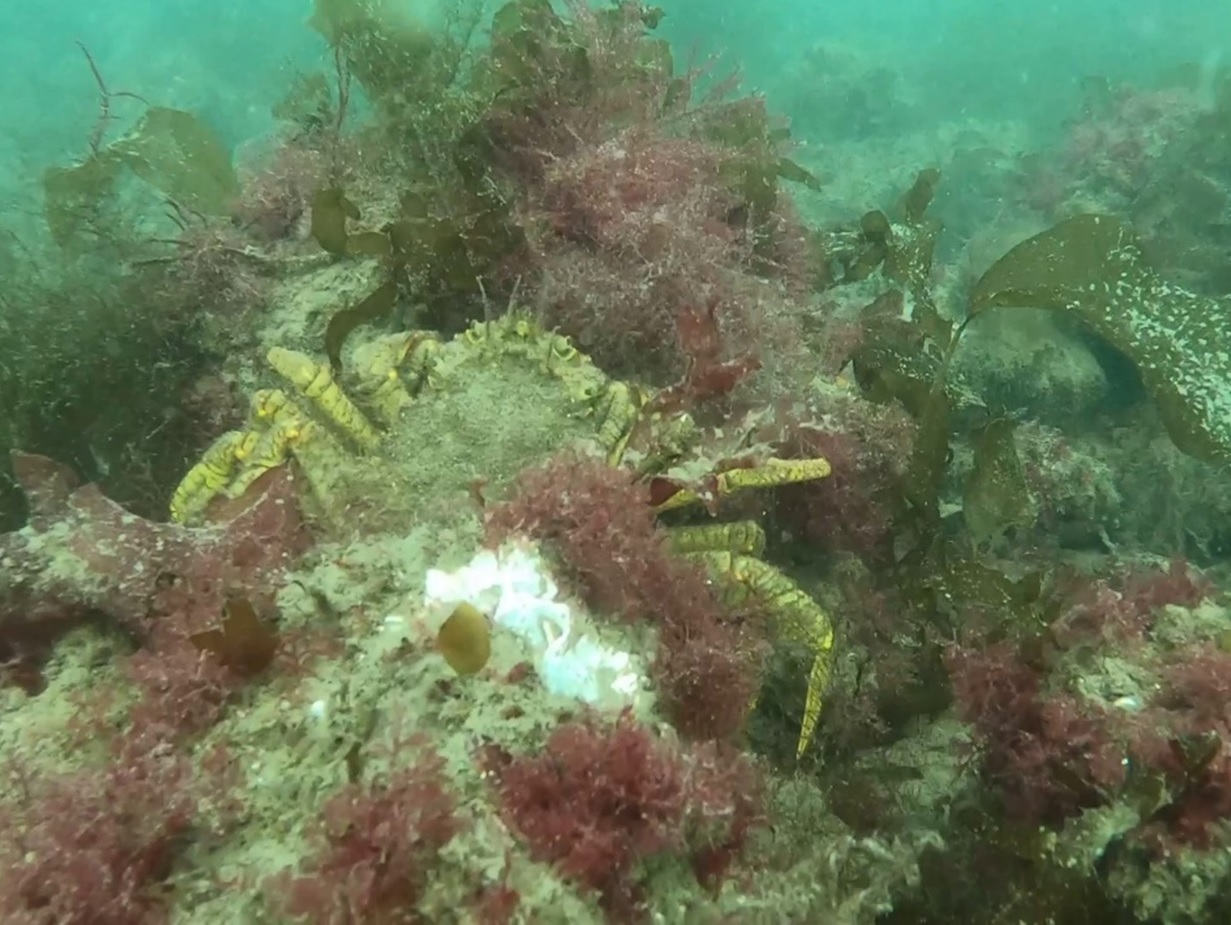
Habitat Enhancement Initiatives
In 2012, DND constructed three underwater reefs near the western entrance to Esquimalt Harbour to compensate for disturbances to fish habitat during remediation and construction work. Underwater surveys in 2016 and 2019 showed the presence of a diverse range of ecologically important species at the reefs.
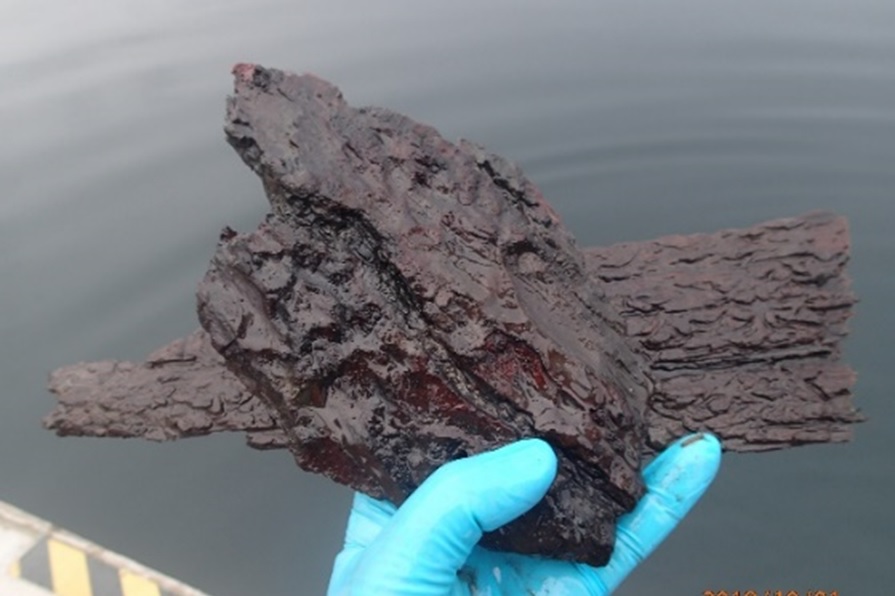
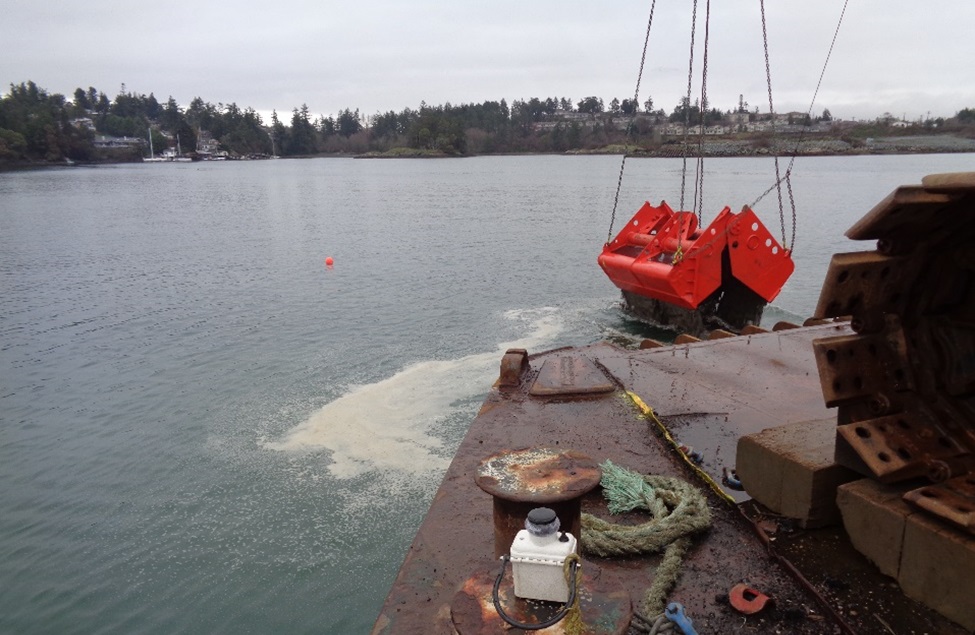
Another initiative in Esquimalt Harbour is the Wood Waste Remediation Project. The high levels of wood waste in the harbour area are due to decades of log booming activity and have resulted in inhospitable conditions for sea life. These areas are the subject of intensive studies and tests designed to characterize and assess this waste, determine its effects on the biota, and provide remedial options to benefit the ecological health of the harbour.