
LNG Canada Phase 2
Proponent
LNG Canada
Sector
Energy
Location
Kitimat, British Columbia
Proponent
LNG Canada
Sector
Energy
Location
Kitimat, British Columbia
Description
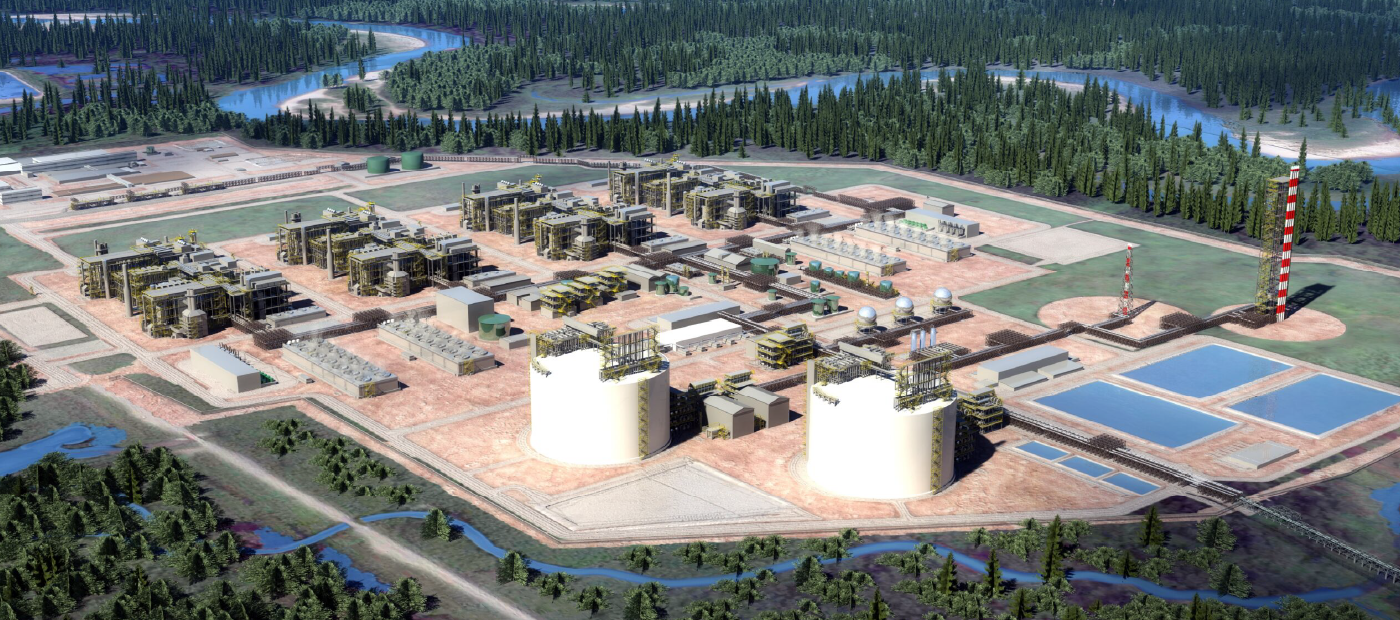
Phase 2 expands LNG Canada’s liquefied natural gas (LNG) facility, doubling production and delivering low-carbon intensity Canadian energy to global markets. It will also help diversify Canada’s trading partners, including in Asia and Europe.
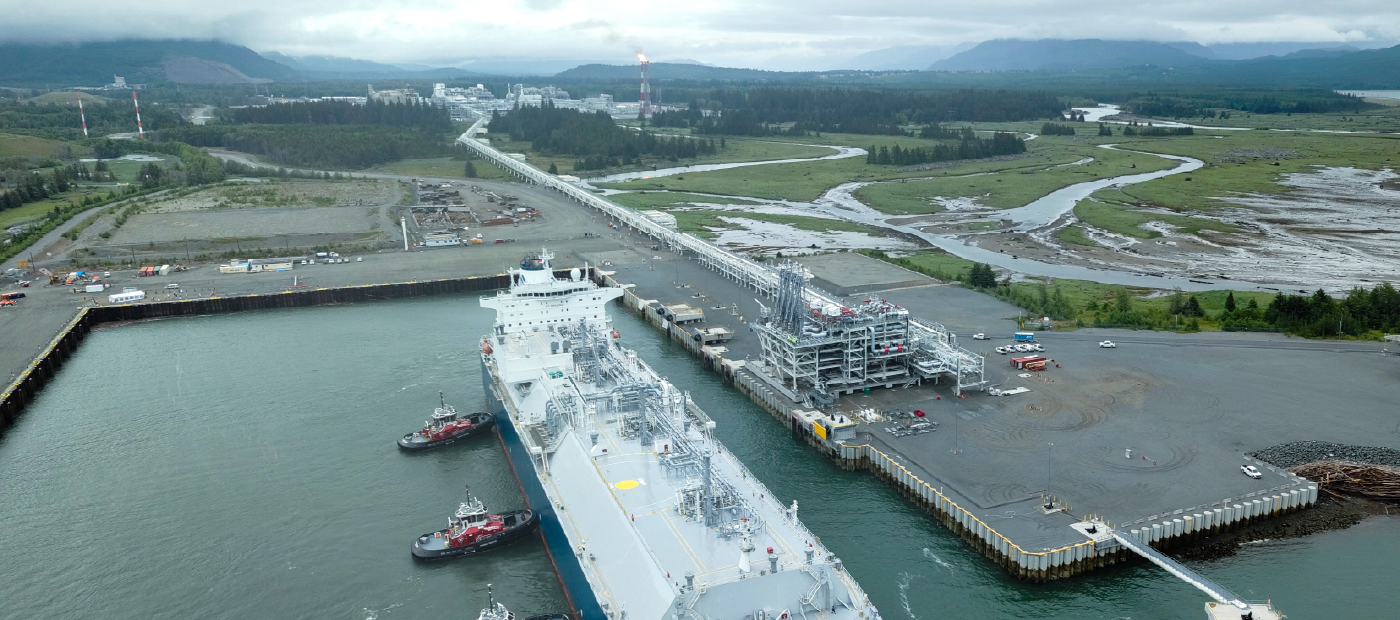
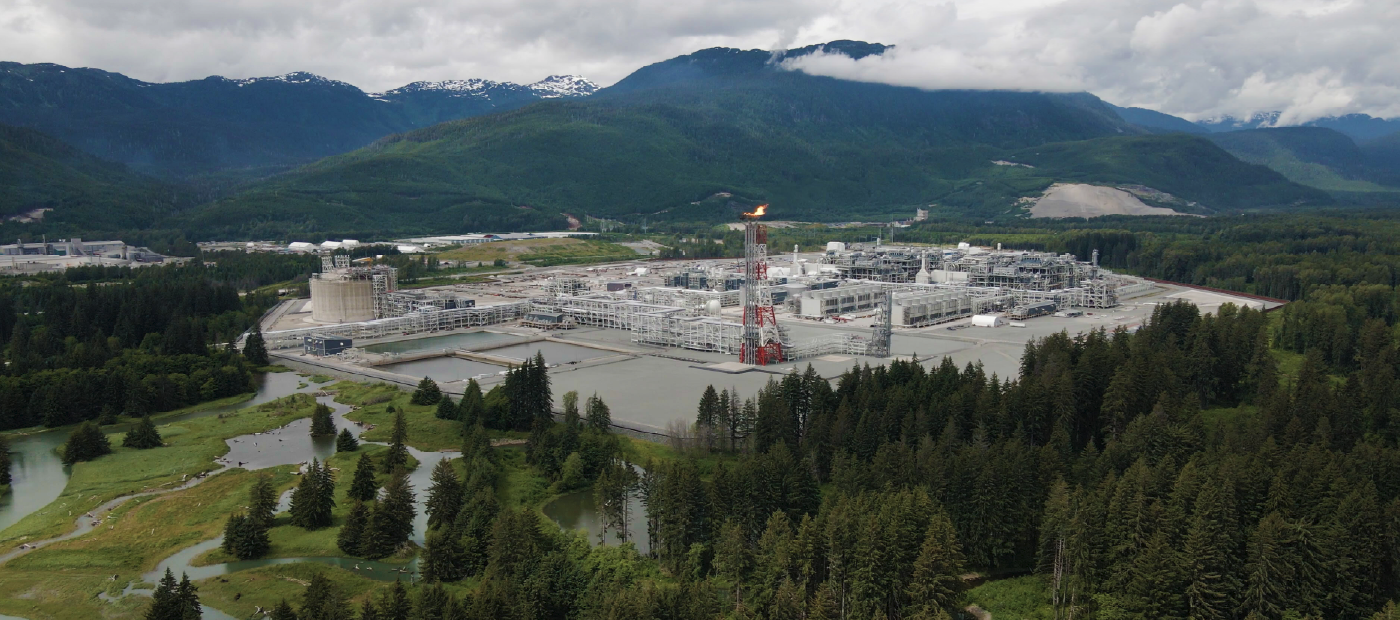
Located in Kitimat, British Columbia, on the traditional territory of the Haisla Nation, the export facility benefits from abundant, low-cost Canadian natural gas and an ice-free harbour.
Five First Nations – Gitga'at, Gitxaała, Haisla, Kitselas and Kitsumkalum – have the opportunity to invest up to $1 billion CAD for majority ownership of Phase 2's LNG storage tank, through a special purpose entity, which could represent one of the largest Indigenous ownership stakes in major infrastructure in Canada.
LNG Canada Phase 2 represents an opportunity to strengthen Canada’s position as a reliable energy supplier, support Indigenous equity opportunities, attract significant private investment, contribute to our GDP growth, and create thousands of good jobs in local communities across the supply chain.
Description
Phase 2 expands LNG Canada’s liquefied natural gas (LNG) facility, doubling production and delivering low-carbon intensity Canadian energy to global markets. It will also help diversify Canada’s trading partners, including in Asia and Europe.
Located in Kitimat, British Columbia, on the traditional territory of the Haisla Nation, the export facility benefits from abundant, low-cost Canadian natural gas and an ice-free harbour.
Five First Nations – Gitga'at, Gitxaała, Haisla, Kitselas and Kitsumkalum – have the opportunity to invest up to $1 billion CAD for majority ownership of Phase 2's LNG storage tank, through a special purpose entity, which could represent one of the largest Indigenous ownership stakes in major infrastructure in Canada.
LNG Canada Phase 2 represents an opportunity to strengthen Canada’s position as a reliable energy supplier, support Indigenous equity opportunities, attract significant private investment, contribute to our GDP growth, and create thousands of good jobs in local communities across the supply chain.
Quick facts
- Global LNG leader: The project doubles production with an additional 14 million tonnes of LNG per annum (MTPA).
- Lower-carbon LNG: GHG emissions from LNG Canada’s Kitimat operation are expected to be lower than any facility of a similar size operating in the world today.
- Job creation: Provides employment opportunities in local communities, including around 6,000 direct construction jobs, and up to 240 operations jobs across LNG plant and Coastal GasLink pipeline.
- Economic boost: Expected to attract $33 billion in private-sector capital to Canada.
- Indigenous equity opportunity: Equity agreement grants five First Nations the option to invest up to $1 billion to acquire a majority ownership stake in the facility’s new 255,000 cubic metre Phase 2 storage tank
- Coastal GasLink Phase 2: LNG Canada and Coastal GasLink are working together to expand the capacity of the existing 670-kilometre pipeline through the construction of five new compressor stations that would enable LNG Canada Phase 2.
Benefits
- Leveraging British Columbia’s clean grid and designed for sustainable performance, the facility will support Canada’s transition to a cleaner energy future.
- The Haisla Nation, with a population of over 2,000, are expected to see direct benefits through employment opportunities for its members, broader economic growth for the region, and the opportunity for equity ownership of Phase 2’s LNG storage tank through MNT Investments LP.
- Supports new jobs during construction and once fully operational, promoting economic growth in the local community and in upstream gas production.
- Strengthens Canada's position as a reliable global energy supplier and attracts significant private-sector investment, contributing to GDP growth.
- Diversifies Canada's trading partners and meets increasing global demand for secure, low-carbon energy, strengthening energy security for Asian and European partners.
- Modern, efficient LNG infrastructure keeps Canada competitive as global energy markets shift, supporting both Canada's climate and strategic export objectives.
Latest updates
- On September 29, 2026, LNG Canada announced the Final Investment Decision of LNG Canada Phase 2, demonstrating Canada’s commitment to building the infrastructure needed to supply Canadian energy to the world – unlocking critical growth and revenue for our country.
- On July 2, 2026, the Government of Canada and the Province of British Columbia signed the new Canada-British Columbia Cooperative Prosperity Agreement, which will further accelerate the construction of major energy and trade corridors, including LNG Canada Phase 2. The federal government will work with proponents, communities, and First Nations to accelerate the permitting, financing, and construction of these projects to boost LNG supply for Canadians and our allies.
- On May 14, 2026, Government of Canada, the Government of British Columbia and LNG Canada reached agreement on enhanced investment co-operation and actions to collectively progress closure of final items to support a potential 2026 Final Investment Decision (FID) of LNG Canada’s proposed Phase 2 expansion. This agreement follows a decision on May 1, 2026, by LNG Canada’s Joint Venture Participants (JVPs) to approve hundreds of millions of dollars in incremental funding to help finalize critical work scopes to achieve a potential FID by the end of the year.
- On March 27, 2026, LNG Canada and the owners of the Coastal GasLink pipeline announced a joint agreement to cooperate on an expansion of the pipeline's capacity that would enable LNG Canada Phase 2. LNG Canada would take an active role as an execution manager of the pipeline, while Coastal GasLink would provide technical services.
- On September 11, 2025, the project was referred to the Major Projects Office (MPO).
- Budget 2025 includes measures to enhance the competitiveness of Canadian LNG projects, such as LNG Canada Phase 2.
- Amendments to the Canadian Energy Regulator Act will extend the maximum length of LNG export licences from 40 to 50 years, providing greater certainty for proponents on their ability to receive long-term returns on investments. Bill C-15, which included the amendment to the Canadian Energy Regulator Act, received royal assent on March 26.
- Reinstating accelerated capital cost allowances (CCAs) for LNG equipment for low-carbon LNG facilities is intended to incentivize the development of best-in-class, low-emissions LNG facilities. LNG Canada Phase 1 entered production in the summer of 2025, exporting its first shipment of LNG in June 2025 to Asian markets.
- Ahead of Phase 2, the Canada Energy Regulator has granted LNG Canada an annual volume limit increase to its LNG export licence.
Page details
- Date modified: