Language selection

Search


Projects referred to the MPO

These projects have been deemed to be of national importance and significance, and have been referred to the Major Projects Office for further assessment and consultations. The Major Projects Office will continue to work with proponents, provinces and territories, and Indigenous Peoples, to find the right way forward for these projects.

Additional projects will be announced in the coming months.

LNG Canada Phase 2

Proponent

LNG Canada

Sector

Energy

Location

Kitimat, BC

Status

Referred to MPO for consideration

Description

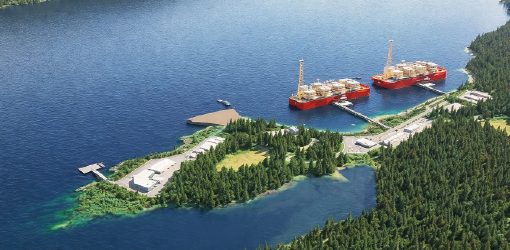
This project would double LNG Canada’s production of liquefied natural gas, making it the second largest facility of its kind in the world. It is expected to attract $33B in private-sector capital to Canada, contribute to our GDP growth, and support jobs and economic growth in local communities. It will deliver low-carbon intensity Canadian energy to global markets and help diversify Canada’s trading partners – including those with increasing energy demands in Asia and Europe. The Major Projects Office will ensure that the final work on LNG Canada will create the pathway for other proponents of LNG projects that are strategic to the nation.

Latest updates

Budget 2025 proposes major measures to enhance the competitiveness Canadian LNG projects, including LNG Canada Phase 2. This includes amendments to the Canadian Energy Regulator Act to extend the maximum length of LNG export licences from 40 to 50 years, which will provide greater certainty for proponents on their ability to receive returns of their investments for long term.

Budget 2025 proposes reinstating accelerated capital cost allowances (CCAs) for LNG equipment for low-carbon LNG facilities, to incentivise the development of best-in-class emissions intensity LNG. Specifically, facilities that are in the top 25% of emissions performance would be eligible for accelerated CCAs rates of 30% for liquefaction equipment and 10% for associated buildings; and those in the top 10% of emissions performance would be eligible for accelerated CCAs of 50% for liquefaction equipment and 10% for associated buildings used in LNG facilities.

LNG Canada Phase 2


Proponent

LNG Canada

Sector

Energy

Location

Kitimat, BC

Status

Referred to MPO for consideration and consultation for designation

Description

This project would double LNG Canada’s production of liquefied natural gas, making it the second largest facility of its kind in the world. It is expected to attract $33B in private-sector capital to Canada, contribute to our GDP growth, and support jobs and economic growth in local communities. It will deliver low-carbon intensity Canadian energy to global markets and help diversify Canada’s trading partners – including those with increasing energy demands in Asia and Europe. The Major Projects Office will ensure that the final work on LNG Canada will create the pathway for other proponents of LNG projects that are strategic to the nation.

Latest updates

Budget 2025 proposes major measures to enhance the competitiveness Canadian LNG projects, including LNG Canada Phase 2. This includes amendments to the Canadian Energy Regulator Act to extend the maximum length of LNG export licences from 40 to 50 years, which will provide greater certainty for proponents on their ability to receive returns of their investments for long term.

Budget 2025 proposes reinstating accelerated capital cost allowances (CCAs) for LNG equipment for low-carbon LNG facilities, to incentivise the development of best-in-class emissions intensity LNG. Specifically, facilities that are in the top 25% of emissions performance would be eligible for accelerated CCAs rates of 30% for liquefaction equipment and 10% for associated buildings; and those in the top 10% of emissions performance would be eligible for accelerated CCAs of 50% for liquefaction equipment and 10% for associated buildings used in LNG facilities.


Darlington New Nuclear Project

Proponent

Ontario Power Generation

Sector

Energy

Location

Bowmanville, ON

Status

Referred to MPO for consideration

Description

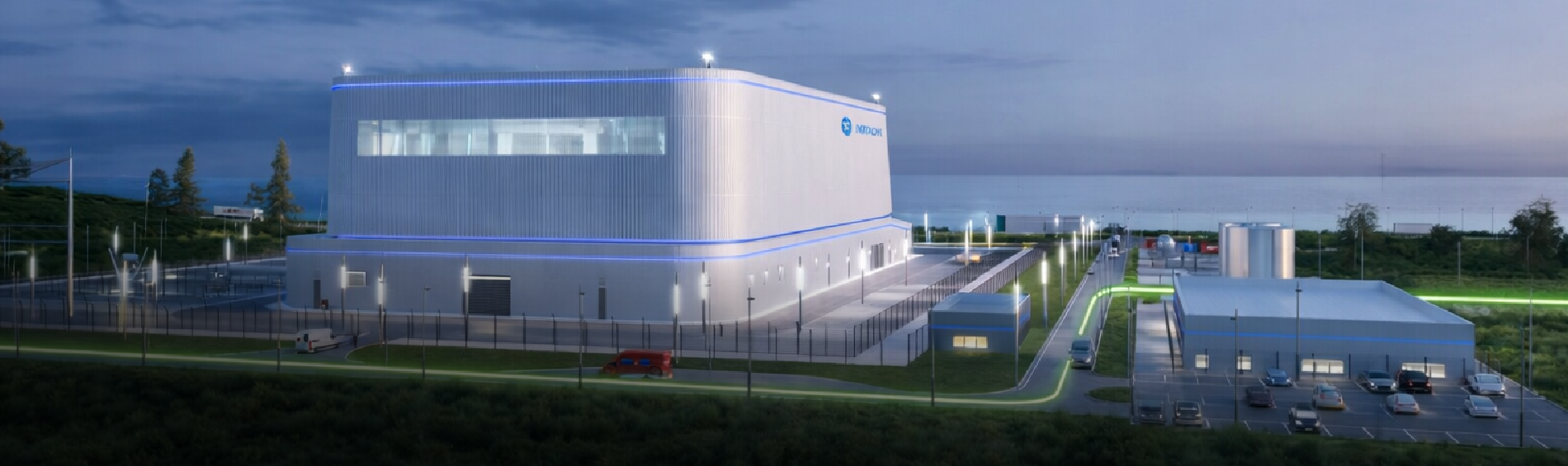
This project will make Canada the first G7 country to have an operational small modular reactor (SMR). Once complete, Darlington’s first of four planned SMR units would provide reliable, affordable, clean power to 300,000 homes, while supporting 200 high-paying jobs – in addition to 1,600 jobs during construction. The project has the potential to position Canada as a global leader in SMR technology for use across the country and for export as early as 2030.

Latest updates

Since September, Canada Growth Fund (CGF) and Building Ontario Fund (BOF) have announced an up to $3 billion equity commitment to finance the Darlington New Nuclear Project: up to $2 billion from CGF and up to $1 billion from the BOF. The projects will be majority owned and operated by Ontario Power Generation, but this investment will de-risk the construction and operation of these first-of-a-kind SMRs with unique and innovative financial arrangements to temporarily share certain risks that limit private sector interest today. This investment will pave the way to spur private sector and Indigenous investment in the Darlington New Nuclear Project over time.

Budget 2025 announced the Government of Canada’s intention to legislate the Clean Electricity Investment Tax Credit, which is a refundable credit equal to 15% of the capital cost of eligible investments in equipment related to low-emitting electricity generation – like nuclear equipment.

Darlington New Nuclear Project


Proponent

Ontario Power Generation

Sector

Energy

Location

Bowmanville, ON

Status

Referred to the MPO for consideration

Description

This project will make Canada the first G7 country to have an operational small modular reactor (SMR). Once complete, Darlington’s first of four planned SMR units would provide reliable, affordable, clean power to 300,000 homes, while supporting 200 high-paying jobs – in addition to 1,600 jobs during construction. The project has the potential to position Canada as a global leader in SMR technology for use across the country and for export as early as 2030.

Latest updates

Since September, Canada Growth Fund (CGF) and Building Ontario Fund (BOF) have announced an up to $3 billion equity commitment to finance the Darlington New Nuclear Project: up to $2 billion from CGF and up to $1 billion from the BOF. The projects will be majority owned and operated by Ontario Power Generation, but this investment will de-risk the construction and operation of these first-of-a-kind SMRs with unique and innovative financial arrangements to temporarily share certain risks that limit private sector interest today. This investment will pave the way to spur private sector and Indigenous investment in the Darlington New Nuclear Project over time.

Budget 2025 announced the Government of Canada’s intention to legislate the Clean Electricity Investment Tax Credit, which is a refundable credit equal to 15% of the capital cost of eligible investments in equipment related to low-emitting electricity generation – like nuclear equipment.


Contrecoeur Terminal Container Project

Proponent

Montreal Port Authority

Sector

Industrial

Location

Contrecœur, QC

Status

Referred to the MPO for consideration

Description

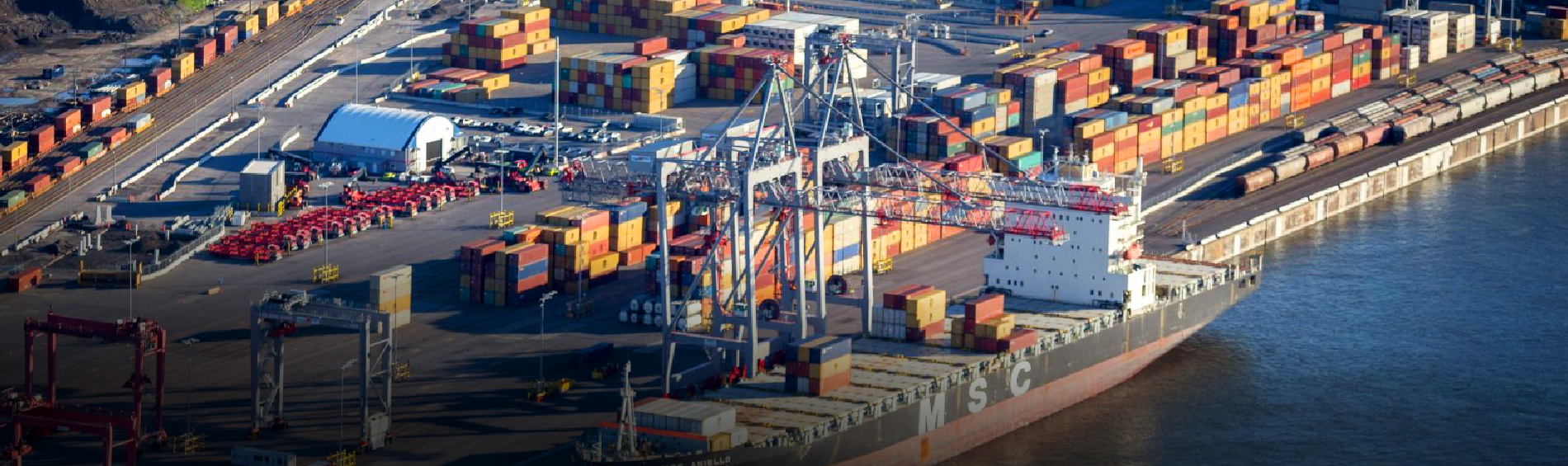
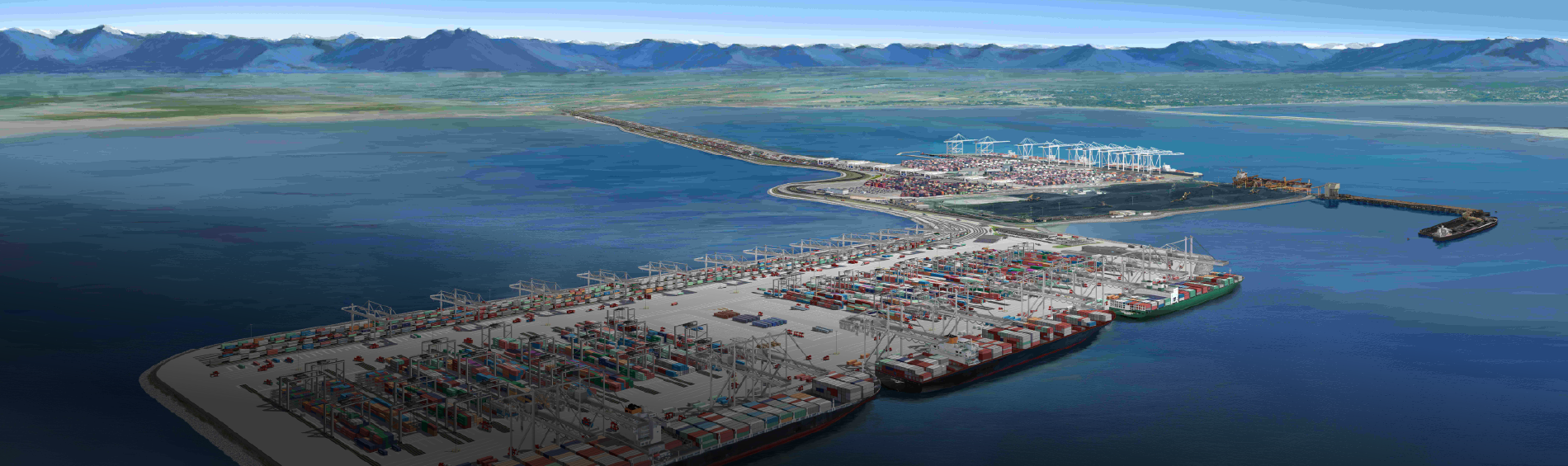
This project will expand the Port of Montreal’s container capacity by approximately 60%, to give Canada the trading infrastructure it needs to keep goods moving, meet growing demand, and diversify trade routes. It will deploy AI capabilities to strengthen supply chains, create thousands of jobs, and generate lasting economic benefits across Quebec and Canada.

Latest updates

On September 29, 2025, the Major Projects Office, the Canada Infrastructure Bank, and the Montreal Port Authority signed a Memorandum of Understanding (MOU) with the common goal of advancing the Contrecoeur Terminal Expansion. The MOU provides that the parties will work together to finance the project and ensure permitting and regulatory requirements are met on schedule.

Moreover, on October 9, 2025, the Port of Montreal began preparatory work for the expansion and awarded the contract for in-water works of the future container terminal to the CTCGP consortium (Contrecœur Terminal Constructors Grand Project), composed of Pomerleau and Aecon. The Montreal Port Authority has also obtained a permit from Fisheries and Oceans Canada authorizing the implementation of the compensation plan for copper redhorse feeding grounds. The plan was developed in accordance with the Statement of Decision and in consultation with Fisheries and Oceans Canada, Quebec’s Ministry of Forests, Wildlife and Parks, Environment and Climate Change Canada, and First Nations.

Contrecoeur Terminal Container Project


Proponent

Montreal Port Authority

Sector

Industrial

Location

Contrecœur, QC

Status

Referred to the MPO for consideration

Description

This project will expand the Port of Montreal’s container capacity by approximately 60%, to give Canada the trading infrastructure it needs to keep goods moving, meet growing demand, and diversify trade routes. It will deploy AI capabilities to strengthen supply chains, create thousands of jobs, and generate lasting economic benefits across Quebec and Canada.

Latest updates

On September 29, 2025, the Major Projects Office, the Canada Infrastructure Bank, and the Montreal Port Authority signed a Memorandum of Understanding (MOU) with the common goal of advancing the Contrecoeur Terminal Expansion. The MOU provides that the parties will work together to finance the project and ensure permitting and regulatory requirements are met on schedule.

Moreover, on October 9, 2025, the Port of Montreal began preparatory work for the expansion and awarded the contract for in-water works of the future container terminal to the CTCGP consortium (Contrecœur Terminal Constructors Grand Project), composed of Pomerleau and Aecon. The Montreal Port Authority has also obtained a permit from Fisheries and Oceans Canada authorizing the implementation of the compensation plan for copper redhorse feeding grounds. The plan was developed in accordance with the Statement of Decision and in consultation with Fisheries and Oceans Canada, Quebec’s Ministry of Forests, Wildlife and Parks, Environment and Climate Change Canada, and First Nations.


McIlvenna Bay Foran Copper Mine Project

Proponent

Foran Mining

Sector

Mining

Location

East-Central, SK

Status

Referred to the MPO for consideration

Description

This project in one of Canada’s richest mineral belts will supply copper and zinc to strengthen Canada’s position as a global supplier of critical minerals for clean energy, advanced manufacturing, and modern infrastructure. It will create hundreds of jobs, boost local economies, and will be one of the lowest-emission operations of its kind.

Latest updates

On October 22, Foran reported that project completion was at approximately 64% and that the project remains on schedule for commercial production in mid-2026 and continues to track to budget.

Budget 2025 proposes to expand eligibility under the 30% Clean Technology Manufacturing Investment Tax Credit to include qualifying equipment used in eligible polymetallic mining projects. These changes would be retroactively available as of January 1, 2024.

McIlvenna Bay Foran Copper Mine Project


Proponent

Foran Mining

Sector

Mining

Location

East-Central, SK

Status

Referred to the MPO for consideration

Description

This project in one of Canada’s richest mineral belts will supply copper and zinc to strengthen Canada’s position as a global supplier of critical minerals for clean energy, advanced manufacturing, and modern infrastructure. It will create hundreds of jobs, boost local economies, and will be one of the lowest-emission operations of its kind.

Latest updates

On October 22, Foran reported that project completion was at approximately 64% and that the project remains on schedule for commercial production in mid-2026 and continues to track to budget.

Budget 2025 proposes to expand eligibility under the 30% Clean Technology Manufacturing Investment Tax Credit to include qualifying equipment used in eligible polymetallic mining projects. These changes would be retroactively available as of January 1, 2024.


Red Chris Mine Expansion

Proponent

Newmont Mining & Imperial Metals

Sector

Mining

Location

Northwest, BC

Status

Referred to the MPO for consideration

Description

This major expansion project will extend the lifespan of the mine by over a decade, increase Canada’s annual copper production by over 15%, employ about 1,500 workers during operations, with a peak of approximately 1,800 workers during construction, and reduce greenhouse gas emissions by over 70% when operational. Working in close collaboration with the Tahltan Nation, it is an important step in reconciliation and further developing the potential of Northern British Columbia and will strengthen Canada’s role as a reliable supplier of copper and other resources essential for global manufacturing and clean energy technologies. This mine is part of the proposed Northwest Critical Conservation Corridor. This corridor is being moved to the MPO for consideration, as it presents opportunities for critical minerals development, clean power transmission, Indigenous project leadership, and a potential new conservation area the size of Greece.

Latest updates

Budget 2025 announced that the government will introduce legislation to expand eligibility for the 30% Clean Technology Manufacturing investment tax credit to include polymetallic mining activities, available retroactively as of January 1, 2024.

Red Chris Mine Expansion


Proponent

Newmont Mining & Imperial Metals

Sector

Mining

Location

Northwest, BC

Status

Referred to the MPO for consideration

Description

This major expansion project will extend the lifespan of the mine by over a decade, increase Canada’s annual copper production by over 15%, employ about 1,500 workers during operations, with a peak of approximately 1,800 workers during construction, and reduce greenhouse gas emissions by over 70% when operational. Working in close collaboration with the Tahltan Nation, it is an important step in reconciliation and further developing the potential of Northern British Columbia and will strengthen Canada’s role as a reliable supplier of copper and other resources essential for global manufacturing and clean energy technologies. This mine is part of the proposed Northwest Critical Conservation Corridor. This corridor is being moved to the MPO for consideration, as it presents opportunities for critical minerals development, clean power transmission, Indigenous project leadership, and a potential new conservation area the size of Greece.

Latest updates

Budget 2025 announced that the government will introduce legislation to expand eligibility for the 30% Clean Technology Manufacturing investment tax credit to include polymetallic mining activities, available retroactively as of January 1, 2024.


North Coast Transmission Line (NCTL)

Proponent

B.C. Hydro

Sector

Electricity

Location

Northwest British Columbia

Status

Referred to MPO for consideration

Description

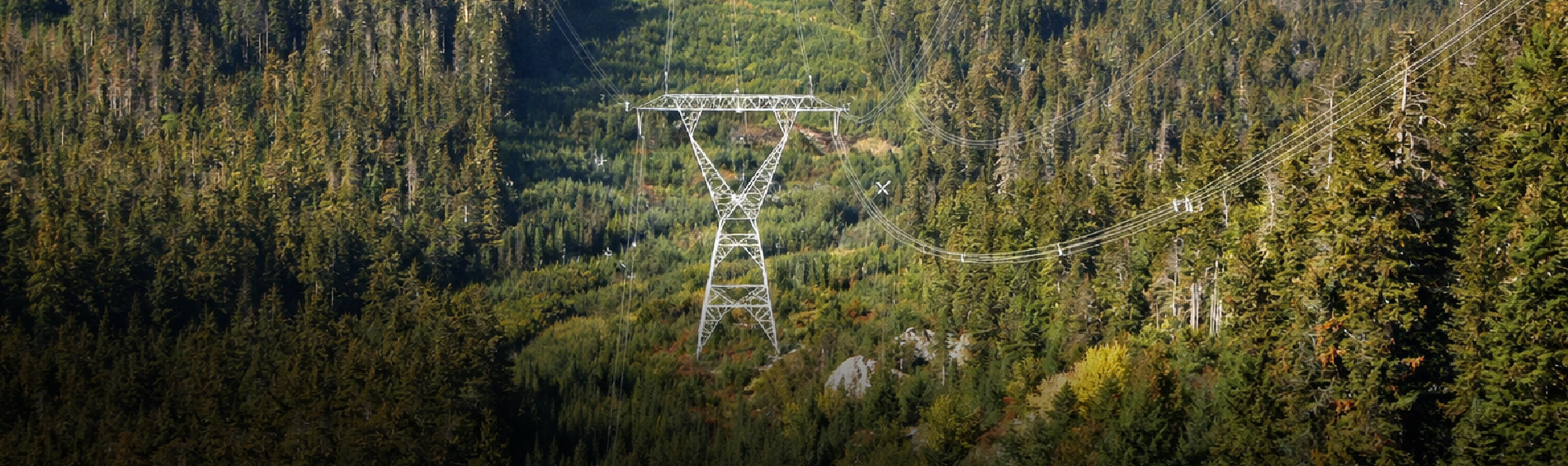
This project will tie the Northwest Critical Conservation Corridor together, delivering low-cost, clean electricity to local communities along the West Coast. The project would twin with existing transmission lines from Prince George to Terrace, and north up to Bob Quinn substation. By twinning major transmission lines, the NCTL will enable transformative new industrial projects – including the Ksi Lisims LNG facility and critical minerals developments in the Golden Triangle. The added benefit of NCTL would be bolstering telecommunications and electricity access for remote communities in northwestern B.C. while enabling clean growth for critical minerals and export-oriented LNG projects.

According to estimates from B.C., once operational, this project will create thousands of direct full-time careers, generate millions in annual public revenues, and anchor a clean-energy industrial corridor for generations to come. Additionally, it will help to prevent two to three million tonnes of carbon emissions annually, supporting Canada’s climate goals while powering economic growth.

Linked to this vision, the Yukon–B.C. Grid Connect Project will extend the benefits even further north – connecting the Yukon’s isolated electrical grid to the Canadian grid through B.C., increasing the Yukon’s energy security and providing clean power to communities in Canada’s Northwest corridor.

North Coast Transmission Line (NCTL)


Proponent

B.C. Hydro

Sector

Electricity

Location

Northwest British Columbia

Status

Referred to MPO for consideration and consultation for designation

Description

This project will tie the Northwest Critical Conservation Corridor together, delivering low-cost, clean electricity to local communities along the West Coast. The project would twin with existing transmission lines from Prince George to Terrace, and north up to Bob Quinn substation. By twinning major transmission lines, the NCTL will enable transformative new industrial projects – including the Ksi Lisims LNG facility and critical minerals developments in the Golden Triangle. The added benefit of NCTL would be bolstering telecommunications and electricity access for remote communities in northwestern B.C. while enabling clean growth for critical minerals and export-oriented LNG projects.

According to estimates from B.C., once operational, this project will create thousands of direct full-time careers, generate millions in annual public revenues, and anchor a clean-energy industrial corridor for generations to come. Additionally, it will help to prevent two to three million tonnes of carbon emissions annually, supporting Canada’s climate goals while powering economic growth.

Linked to this vision, the Yukon–B.C. Grid Connect Project will extend the benefits even further north – connecting the Yukon’s isolated electrical grid to the Canadian grid through B.C., increasing the Yukon’s energy security and providing clean power to communities in Canada’s Northwest corridor.


Ksi Lisims LNG

Proponent

Western LNG, Nisg̱a’a Nation, Rockies LNG Partners

Sector

Energy

Location

Pearse Island, British Columbia

Status

Referred to MPO for consideration

Description

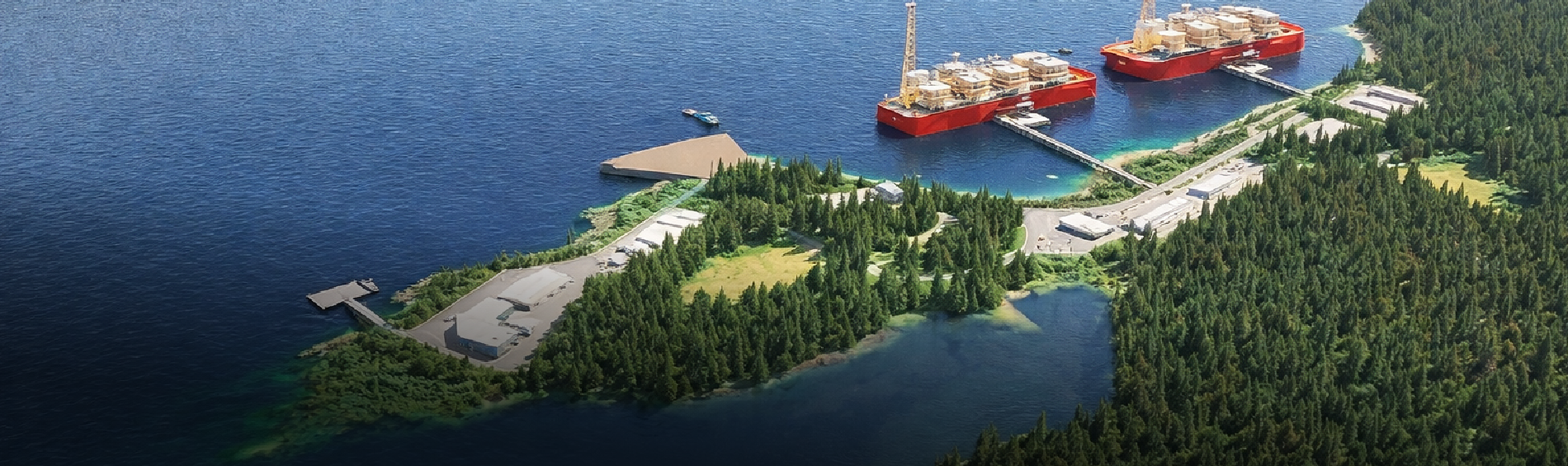
Ksi Lisims, a proposed floating natural gas liquefaction and export facility located on the north coast of British Columbia, within the modern treaty territory of the Nisg̱a’a Nation, is being referred to the Major Projects Office. The Project is a partnership between the Nisg̱a’a Nation, Western LNG, and Rockies LNG. Designed to be one of the world’s lowest-emission LNG facilities, Ksi Lisims LNG aims to foster sustainable economic development and lasting prosperity in Canada’s northwest.

Ksi Lisims LNG will become Canada’s second-largest LNG facility and one of the world’s lowest-emission LNG operations once fully electrified, with emissions 94% below the global average. The project is expected to attract nearly $30 billion in investment, create thousands of skilled careers, and strengthen Canada’s position as a global LNG exporter.

On September 15, 2025, the LNG Facility received federal and provincial environmental assessment approvals, in line with the goal of achieving “one-project, one-review.” The project referral also includes the 800-kilometre Prince Rupert Gas Transmission Project to supply feed gas for liquefaction, and a 95-kilometre electrical transmission line to supply electricity to the facility. Ksi Lisims LNG proposes to construct and operate up to two floating liquid natural gas structures which together would export up to 22.4 billion cubic metres per year of natural gas.

Ksi Lisims LNG


Proponent

Western LNG, Nisg̱a’a Nation, Rockies LNG Partners

Sector

Energy

Location

Pearse Island, British Columbia

Status

Referred to MPO for consideration and consultation for designation

Description

Ksi Lisims, a proposed floating natural gas liquefaction and export facility located on the north coast of British Columbia, within the modern treaty territory of the Nisg̱a’a Nation, is being referred to the Major Projects Office. The Project is a partnership between the Nisg̱a’a Nation, Western LNG, and Rockies LNG. Designed to be one of the world’s lowest-emission LNG facilities, Ksi Lisims LNG aims to foster sustainable economic development and lasting prosperity in Canada’s northwest.

Ksi Lisims LNG will become Canada’s second-largest LNG facility and one of the world’s lowest-emission LNG operations once fully electrified, with emissions 94% below the global average. The project is expected to attract nearly $30 billion in investment, create thousands of skilled careers, and strengthen Canada’s position as a global LNG exporter.

On September 15, 2025, the LNG Facility received federal and provincial environmental assessment approvals, in line with the goal of achieving “one-project, one-review.” The project referral also includes the 800-kilometre Prince Rupert Gas Transmission Project to supply feed gas for liquefaction, and a 95-kilometre electrical transmission line to supply electricity to the facility. Ksi Lisims LNG proposes to construct and operate up to two floating liquid natural gas structures which together would export up to 22.4 billion cubic metres per year of natural gas.


Canada Nickel’s Crawford Project

Proponent

Canada Nickel Company

Sector

Mining, Critical Minerals

Location

Timmins, Ontario

Status

Referred to MPO for consideration

Description

This project will serve as an anchor of Canada’s global leadership in clean industrial materials. Located in the world’s second-largest nickel reserve, the Crawford Project will produce high-quality, low-carbon nickel essential for batteries and green steel.

This site has the second-largest nickel reserve in the world and is expected to operate for over 40 years. The project’s carbon emissions are estimated to be nearly 90% lower than the global average and the project has the potential to have a net-negative carbon footprint, representing a model for the future of responsible mining. The project will attract $5 billion in investment and create thousands of good-paying careers, securing Canada’s place at the forefront of the clean economy.

Agreements are signed with the Mattagami, Matachewan, and Flying Post First Nations for early business and employment opportunities which includes commitments for negotiations on contracting opportunities. Also, Taykwa Tagamou Nation has partnered with Canada Nickel to invest $20 million in the Crawford Project. This investment is in the form of convertible notes, which, if exercised, will give Taykwa Tagamou Nation a meaningful equity stake in the project.

Canada Nickel is also proposing, through its NetZero Metals wholly-owned subsidiary, to develop a nickel refinery for the stainless steel and electric vehicle markets, and a stainless steel and alloy production facility.

Canada Nickel’s Crawford Project


Proponent

Canada Nickel Company

Sector

Mining, Critical Minerals

Location

Timmins, Ontario

Status

Referred to MPO for consideration and consultation for designation

Description

This project will serve as an anchor of Canada’s global leadership in clean industrial materials. Located in the world’s second-largest nickel reserve, the Crawford Project will produce high-quality, low-carbon nickel essential for batteries and green steel.

This site has the second-largest nickel reserve in the world and is expected to operate for over 40 years. The project’s carbon emissions are estimated to be nearly 90% lower than the global average and the project has the potential to have a net-negative carbon footprint, representing a model for the future of responsible mining. The project will attract $5 billion in investment and create thousands of good-paying careers, securing Canada’s place at the forefront of the clean economy.

Agreements are signed with the Mattagami, Matachewan, and Flying Post First Nations for early business and employment opportunities which includes commitments for negotiations on contracting opportunities. Also, Taykwa Tagamou Nation has partnered with Canada Nickel to invest $20 million in the Crawford Project. This investment is in the form of convertible notes, which, if exercised, will give Taykwa Tagamou Nation a meaningful equity stake in the project.

Canada Nickel is also proposing, through its NetZero Metals wholly-owned subsidiary, to develop a nickel refinery for the stainless steel and electric vehicle markets, and a stainless steel and alloy production facility.


Nouveau Monde Graphite’s Matawinie Mine

Proponent

Nouveau Monde Graphite

Sector

Mining, Critical Minerals

Location

Saint Michel des Saints, Québec

Status

Referred to MPO for consideration

Description

Nouveau Monde Graphite is developing an open pit graphite mine that will be integrated with a planned Battery Material Plant to produce spherical graphite for batteries and other advanced manufacturing applications. Operations will bolster the emerging battery hub in Bécancour, Québec, while potentially unlocking future graphite opportunities across Canada. It will create over one thousand new careers, and draw $1.8 billion in investment.

Graphite is an essential component of defence applications and electric vehicle and energy storage system batteries, and a key material for decarbonising the transportation sector. The project, powered by Québec's affordable clean hydropower, will also help diversify global graphite supplies away from carbon-intensive supply chains. Nouveau Monde also plans to eventually transition to a zero-emission fleet at the mine site.

This builds on investments – including more than $35 million from the Canada Growth Fund, a letter of interest from the Canada Infrastructure Bank and a letter of interest for up to US$430 million from Export Development Canada – and additional contributions from Japanese companies Panasonic Energy and Mitsui & Co., to support the company in its journey to create the largest fully-integrated natural graphite process from mining to industrial use products.

Nouveau Monde Graphite’s Matawinie Mine


Proponent

Nouveau Monde Graphite

Sector

Mining, Critical Minerals

Location

Saint Michel des Saints, Québec

Status

Referred to MPO for consideration and consultation for designation

Description

Nouveau Monde Graphite is developing an open pit graphite mine that will be integrated with a planned Battery Material Plant to produce spherical graphite for batteries and other advanced manufacturing applications. Operations will bolster the emerging battery hub in Bécancour, Québec, while potentially unlocking future graphite opportunities across Canada. It will create over one thousand new careers, and draw $1.8 billion in investment.

Graphite is an essential component of defence applications and electric vehicle and energy storage system batteries, and a key material for decarbonising the transportation sector. The project, powered by Québec's affordable clean hydropower, will also help diversify global graphite supplies away from carbon-intensive supply chains. Nouveau Monde also plans to eventually transition to a zero-emission fleet at the mine site.

This builds on investments – including more than $35 million from the Canada Growth Fund, a letter of interest from the Canada Infrastructure Bank and a letter of interest for up to US$430 million from Export Development Canada – and additional contributions from Japanese companies Panasonic Energy and Mitsui & Co., to support the company in its journey to create the largest fully-integrated natural graphite process from mining to industrial use products.


Northcliff Resources’ Sisson Mine

Proponent

Northcliff Resources Ltd.

Sector

Mining, Critical Minerals

Location

Sisson Brook, New Brunswick

Status

Referred to MPO for consideration

Description

Tungsten has both civilian and defence applications, such as cutting tools, steel, military munitions, and protective equipment. Global tungsten markets are highly concentrated, and this project has the potential to make Canada a secure supplier for domestic and allied industries.

Canada’s last tungsten mine closed in 2015, and Sisson would revitalise Canada’s production of tungsten, as well as produce molybdenum, which makes steel and superalloys stronger, harder, and more corrosion resistant.

Northcliff Resources’ Sisson Mine


Proponent

Northcliff Resources Ltd.

Sector

Mining, Critical Minerals

Location

Sisson Brook, New Brunswick

Status

Referred to MPO for consideration and consultation for designation

Description

Tungsten has both civilian and defence applications, such as cutting tools, steel, military munitions, and protective equipment. Global tungsten markets are highly concentrated, and this project has the potential to make Canada a secure supplier for domestic and allied industries.

Canada’s last tungsten mine closed in 2015, and Sisson would revitalise Canada’s production of tungsten, as well as produce molybdenum, which makes steel and superalloys stronger, harder, and more corrosion resistant.


Iqaluit Nukkiksautiit Hydro Project

Proponent

Nunavut Nukkiksautiit Corporation

Sector

Electricity

Location

Iqaluit, Nunavut
Status

Referred to MPO for consideration

Description

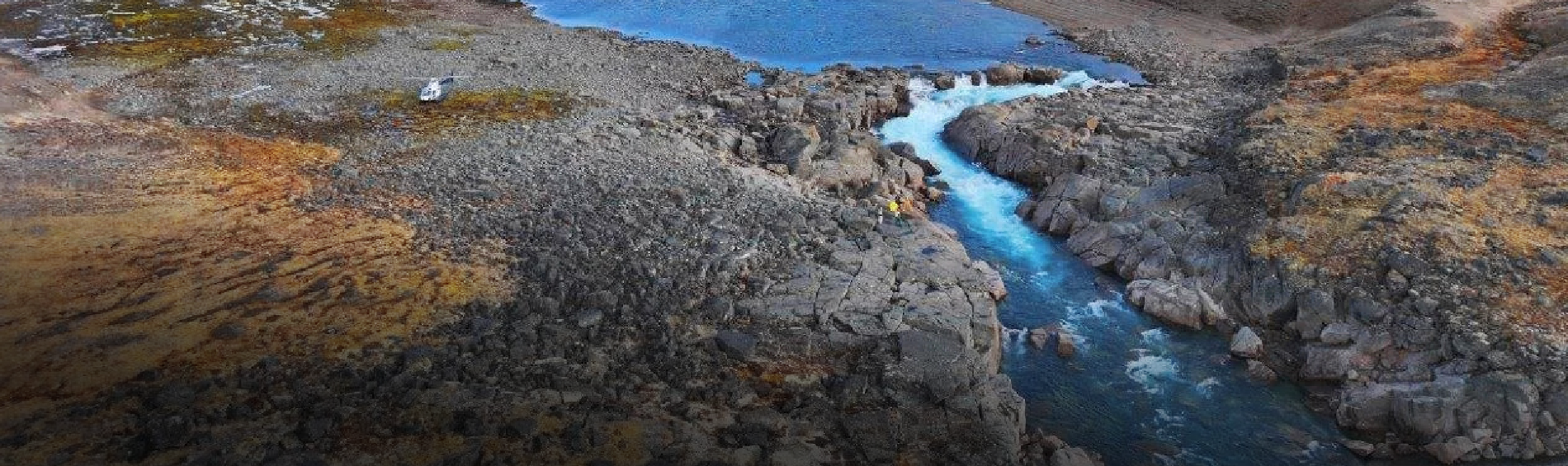
The Iqaluit Nukkiksautiit Hydro Project (ᐃᖃᓗᐃᑦᓄᑭᒃᓴᐅᑏᑦᓴᓇᔭᐅᔪᖅ) a 15-30 megawatt conventional hydroelectric facility located on the Kuugaluk river, 60 kilometres outside of Iqaluit, Nunavut. This project is led by Nunavut Nukkiksautiit Corporation, Nunavut’s first 100% Inuit-owned renewable energy developer. The Iqaluit Nukkiksautiit Hydro Project would displace the City of Iqaluit’s current use of diesel-generated electricity with affordable, reliable and emissions-free power.

Iqaluit currently relies on imported diesel fuel for electricity generation, equivalent to 15 million litres annually, producing an estimated 130,000 tonnes of greenhouse gas emissions annually. The project will help to stabilize Iqaluit electricity rates that have increased more than 22% in the last five years. The Project supports Indigenous-led energy transition, economic reconciliation, advances Inuit self-determination, and supports Inuit-led priorities. Regular engagement with Rights-holders and impacted groups continues to occur at every project decision.

Iqaluit Nukkiksautiit Hydro Project


Proponent

Nunavut Nukkiksautiit Corporation

Sector

Electricity

Location

Iqaluit, Nunavut
Status

Referred to MPO for consideration and consultation for designation

Description

The Iqaluit Nukkiksautiit Hydro Project (ᐃᖃᓗᐃᑦᓄᑭᒃᓴᐅᑏᑦᓴᓇᔭᐅᔪᖅ) a 15-30 megawatt conventional hydroelectric facility located on the Kuugaluk river, 60 kilometres outside of Iqaluit, Nunavut. This project is led by Nunavut Nukkiksautiit Corporation, Nunavut’s first 100% Inuit-owned renewable energy developer. The Iqaluit Nukkiksautiit Hydro Project would displace the City of Iqaluit’s current use of diesel-generated electricity with affordable, reliable and emissions-free power.

Iqaluit currently relies on imported diesel fuel for electricity generation, equivalent to 15 million litres annually, producing an estimated 130,000 tonnes of greenhouse gas emissions annually. The project will help to stabilize Iqaluit electricity rates that have increased more than 22% in the last five years. The Project supports Indigenous-led energy transition, economic reconciliation, advances Inuit self-determination, and supports Inuit-led priorities. Regular engagement with Rights-holders and impacted groups continues to occur at every project decision.


Page details

Date modified: