
Taltson Hydro Expansion
Proponent
Government of the Northwest Territories
Sector
Electricity
Location
Great Slave Lake region, Northwest Territories
Proponent
Government of the Northwest Territories
Sector
Electricity
Location
Great Slave Lake region, Northwest Territories
Description
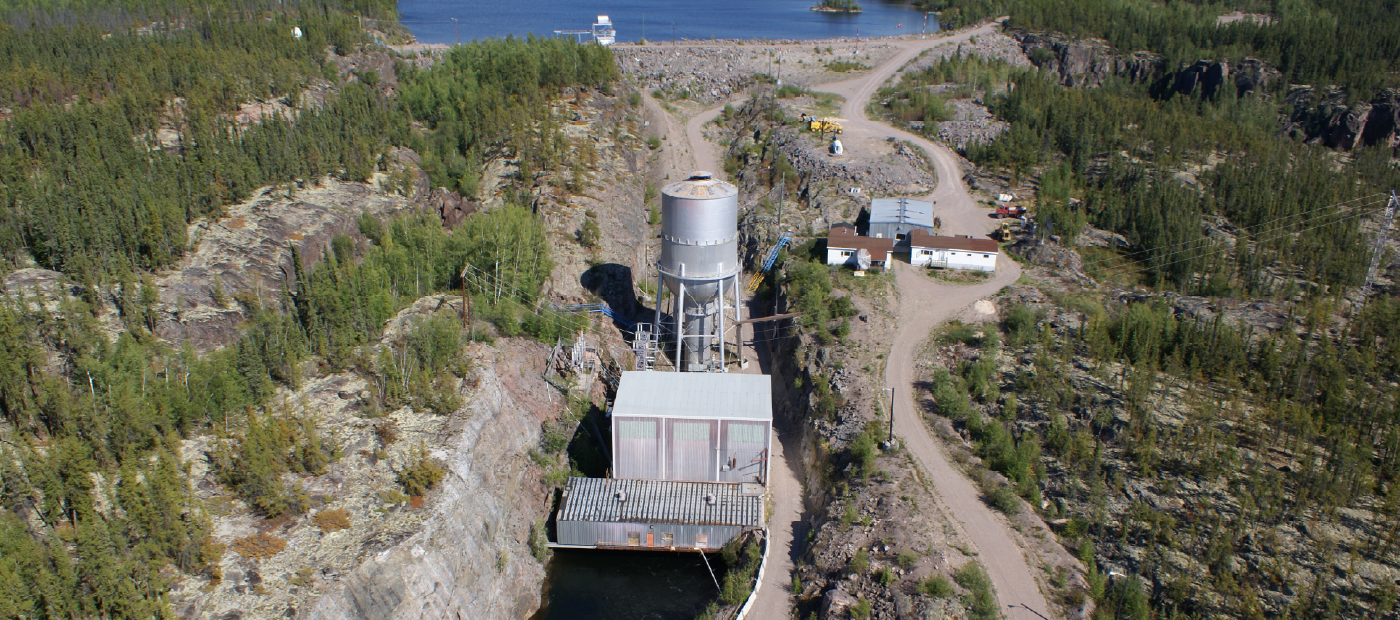
The Taltson Hydro Expansion Project is a transformative clean energy initiative that will double the Northwest Territories’ hydro capacity. It will build an additional 60 megawatt hydro facility, and connect the North and South Slave Lake electrical grids for the first time, through a 320-kilometre transmission line, including an underwater section under the lake. This would also set the stage for a future project to connect the Northwest Territories grid to the rest of Canada.
The project is being advanced collaboratively by NWT Métis Nation (representing the Fort Resolution Métis Council, Hay River Métis Government Council and the Fort Smith Métis Council), Akaitcho Dene First Nations (representing Łutsel K’e Dene First Nation, Denınu Kų ́ ́ę́ First Nation, and Yellowknives Dene First Nation), and Salt River First Nation.
This project, in conjunction with other major Northern Resilience Projects (including the Mackenzie Valley Highway, Grays Bay Road and Port, and the Arctic Economic and Security Corridor), will create significant opportunities for new economic growth and enhance energy sovereignty by increasing access to clean and reliable power. This power will be available for mining and other new industrial developments, and to support Canada’s sovereignty and increased military presence in the North.
Description
The Taltson Hydro Expansion Project is a transformative clean energy initiative that will double the Northwest Territories’ hydro capacity. It will build an additional 60 MW hydro facility, and connect the North and South Slave Lake electrical grids for the first time, through a 320-kilometre transmission line, including an underwater section under the lake. This would also set the stage for a future project to connect the Northwest Territories grid to the rest of Canada.
The project is being advanced collaboratively by NWT Métis Nation (representing the Fort Resolution Métis Council, Hay River Métis Government Council and the Fort Smith Métis Council), Akaitcho Dene First Nations (representing Łutsel K’e Dene First Nation, Denınu Kų ́ ́ę́ First Nation, and Yellowknives Dene First Nation), and Salt River First Nation.
This project, in conjunction with other major Northern Resilience Projects (including the Mackenzie Valley Highway, Grays Bay Road and Port, and the Arctic Economic and Security Corridor), will create significant opportunities for new economic growth and enhance energy sovereignty by increasing access to clean and reliable power. This power will be available for mining and other new industrial developments, and to support Canada’s sovereignty and increased military presence in the North.
Quick facts
- Energy security for the region: Will link 11 communities and serve over 70% of the NWT’s population.
- Additional capacity: 60 MW hydro expansion, and 320 km transmission line.
- Clean energy supply: Expected to reduce greenhouse gas emissions by up to 240,000 tonnes annually, or 18% of the territory’s annual emissions.
Benefits
- This unified hydro grid will support clean power for communities, industrial development, and new resource projects across a region rich in minerals such as copper, zinc, and gold.
- Opportunities will also be explored to leverage power from the facility to support the expanded NORAD Forward Operating Location in Yellowknife.
- Construction and operation will support Indigenous partnerships, employment, and business opportunities.
- Reduces reliance on backup diesel systems and enhances energy security in the region.
Latest updates
- On March 12, 2026, the project was referred to the Major Projects Office (MPO).
- The MPO is working with Crown-Indigenous Relations and Northern Affairs Canada and affected Indigenous communities to understand the legacy impacts of the original Taltson Dam.
- The federal government will look at options for Indigenous economic participation in the Expansion Project. The MPO is also collaborating with the Government of the Northwest Territories to assess the project’s financial and business case, and support and streamline relevant regulatory processes, while recognizing the unique treaty-based impact assessment framework in the Northwest Territories.
- The aim of streamlining progress will be to ensure the Taltson Expansion begins producing power within 10 years.
Page details
- Date modified: